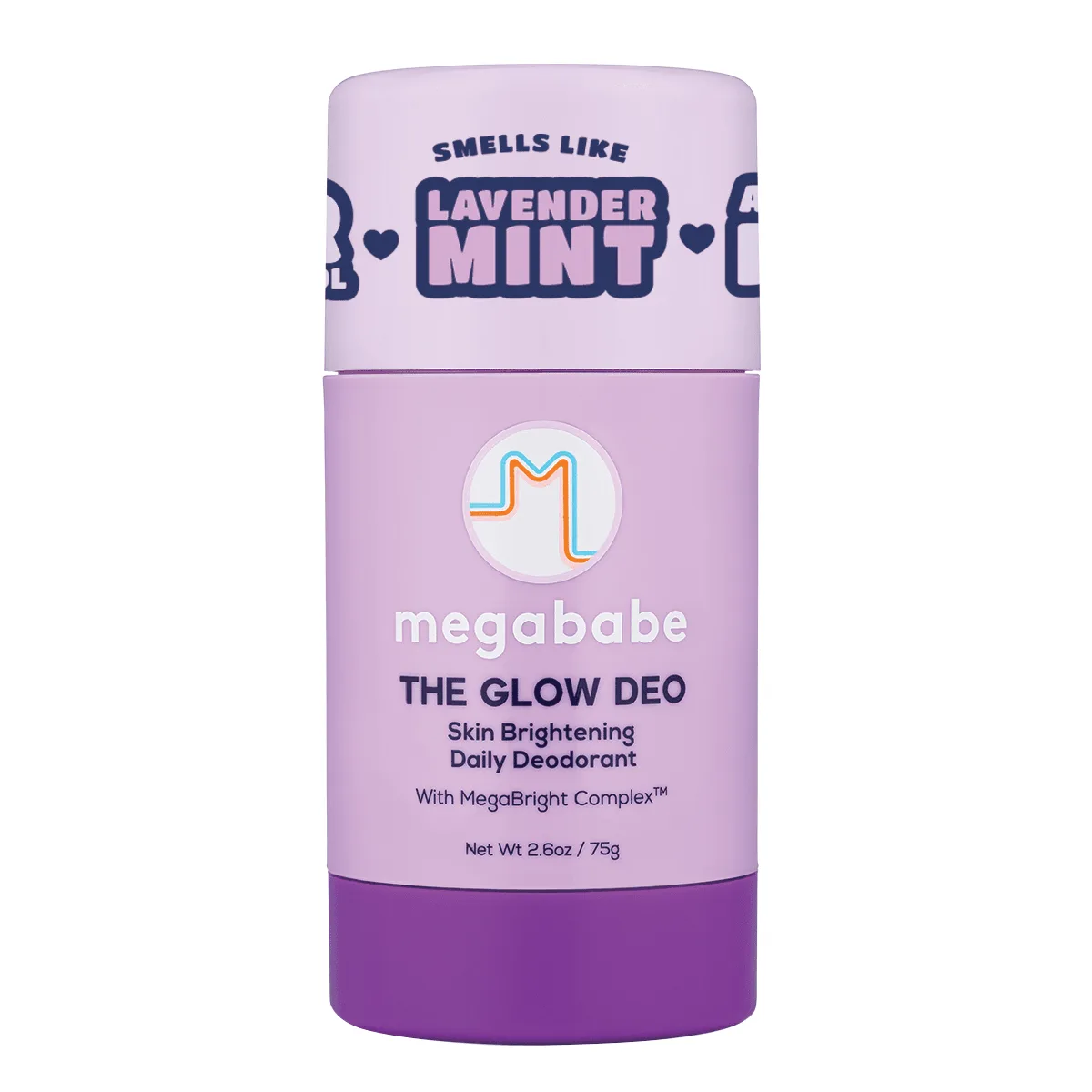
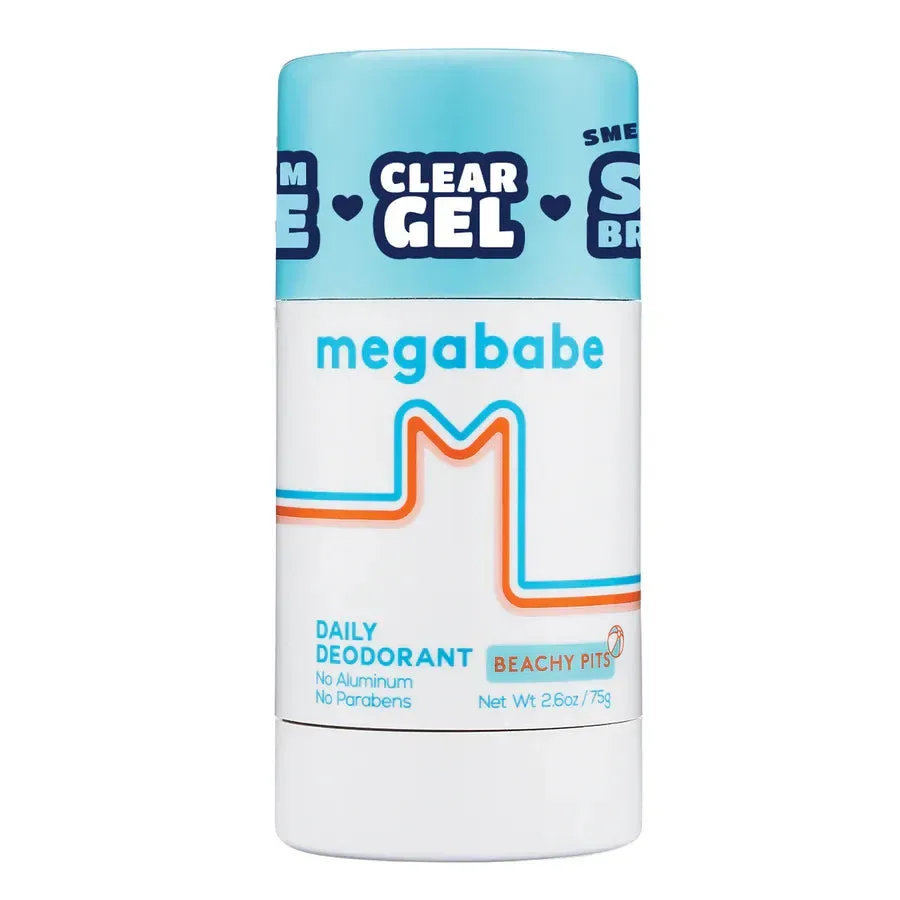
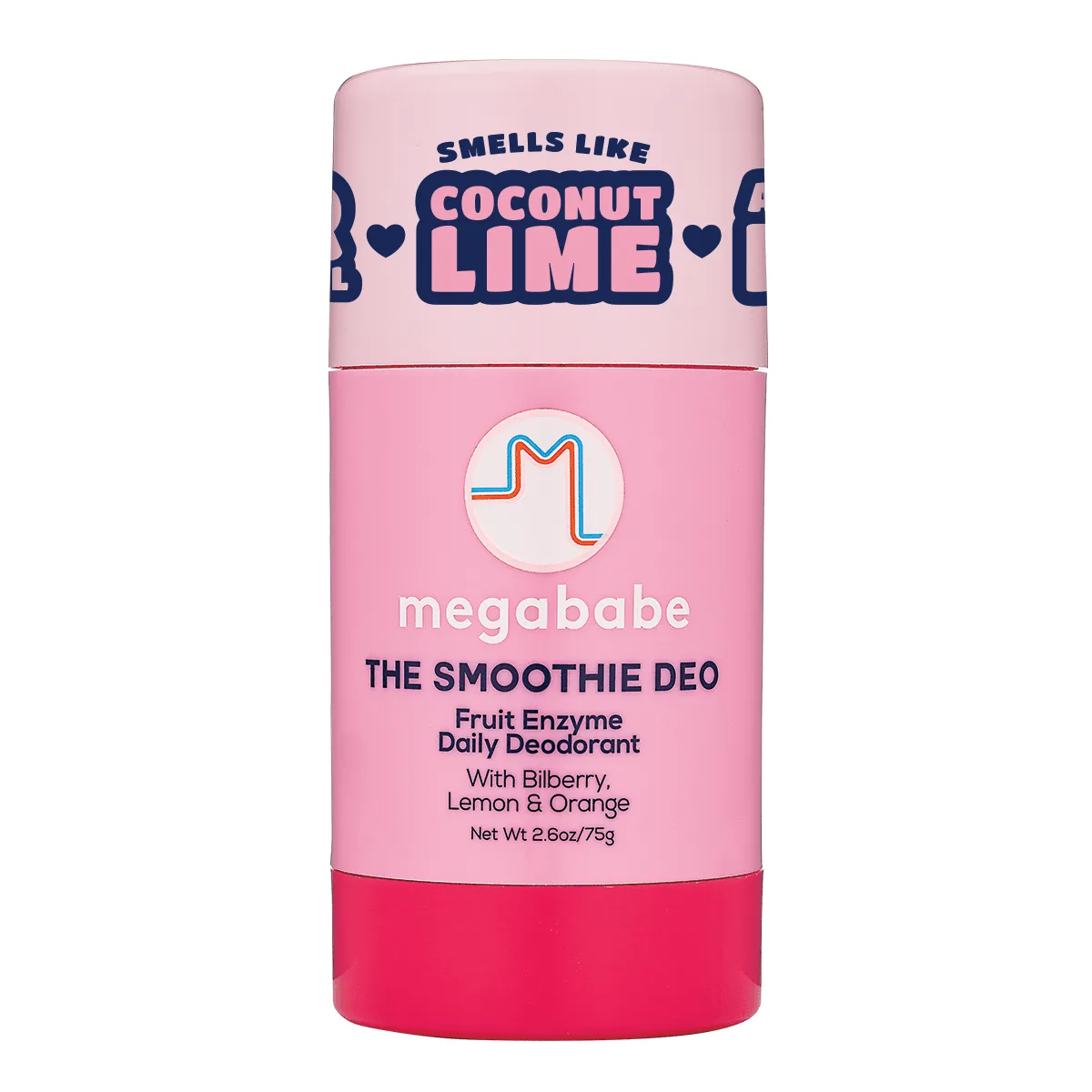
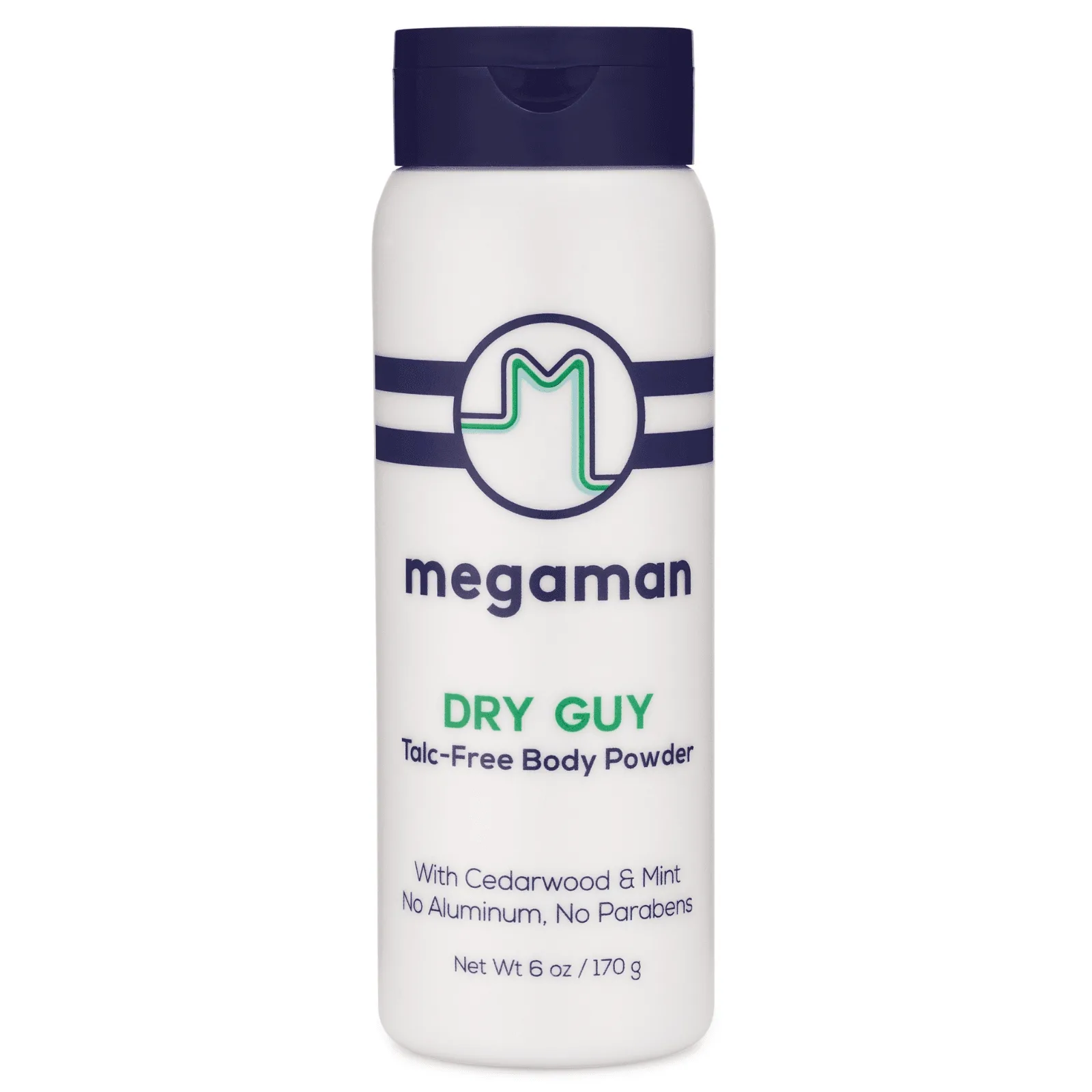
Sweating is one of your body's most vital functions, yet for many people, it can feel like a curse. Whether you're blotting your forehead after a short walk or changing shirts twice a day, the question 'Why do I sweat so much?' is far more common than you think. The answer lies in a fascinating mix of genetics, hormones, and even the bacteria living on your skin.
In this article, we'll dive into the science of sweat—why some people produce more than others, what hyperhidrosis really means, and how you can manage heavy sweating naturally without resorting to harsh antiperspirants. We'll also spotlight two standout products from Megababe Beauty that are designed for heavy sweaters: The Green Deo and The Santal Deo.
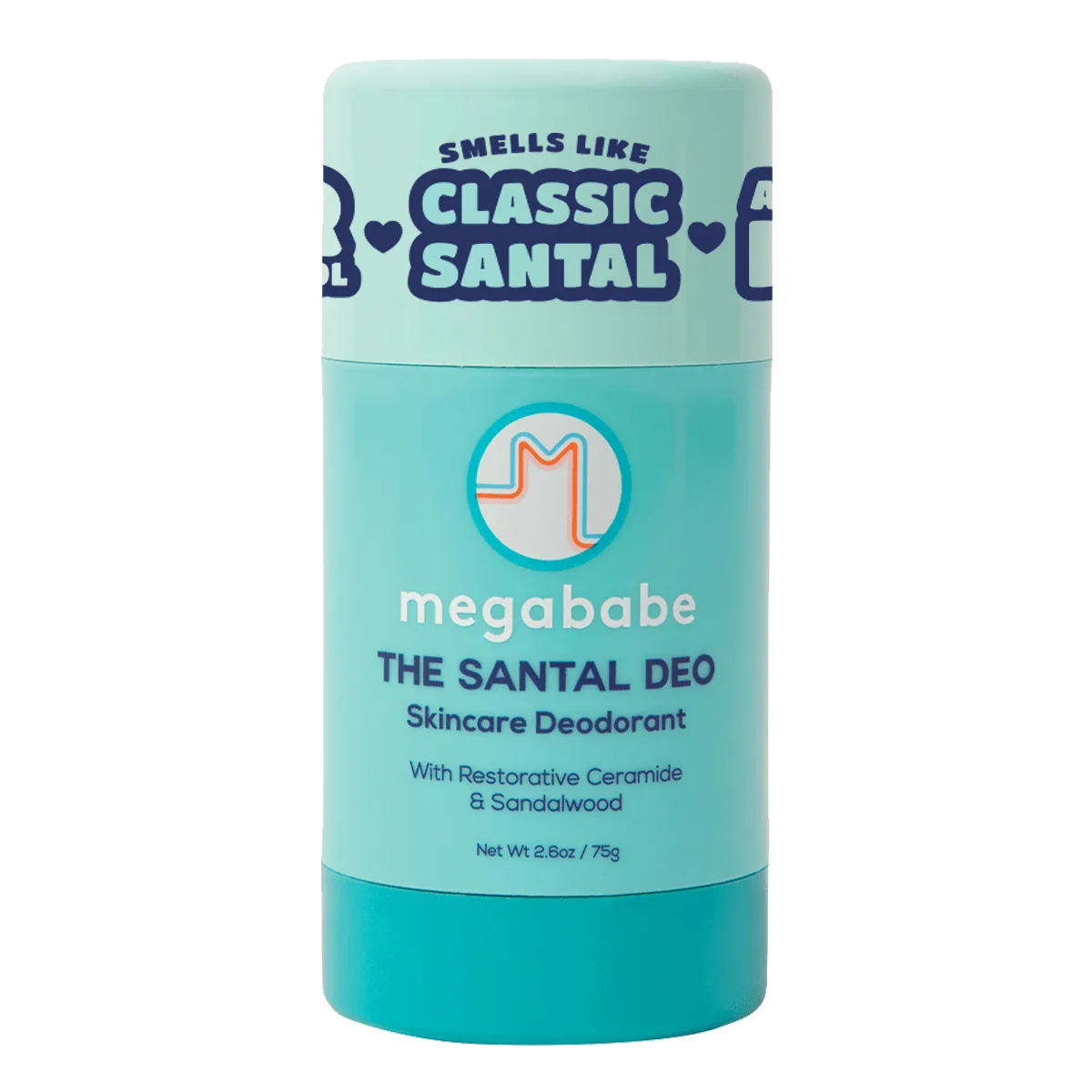
The Santal Deo
The Biology of Sweat: Why Your Body Turns on the Faucet
Sweat is your body's built-in cooling system. When your internal temperature rises—from exercise, heat, or stress—your nervous system signals millions of sweat glands to release moisture onto your skin. As that moisture evaporates, it carries heat away, helping you maintain a stable core temperature. There are two main types of sweat glands: eccrine glands, which cover most of your body and produce a watery, salt-based sweat, and apocrine glands, found in areas like your armpits and groin, which release a thicker, fatty sweat that bacteria love to break down—leading to body odor.
But why do some people sweat more than others? The answer often comes down to genetics, the number of sweat glands you were born with, and how sensitive your nervous system is to triggers. For example, people with more eccrine glands or a higher baseline metabolic rate may naturally produce more sweat. Additionally, factors like anxiety, caffeine intake, and even spicy foods can amplify your sweat response, making you feel like you're always running hot.
- Eccrine glands: produce odorless, watery sweat for temperature regulation.
- Apocrine glands: produce fatty sweat that bacteria break down, causing odor.
- Genetics can determine gland density and sweat volume.
Hyperhidrosis: When Sweating Becomes a Medical Condition
If you feel like you're sweating excessively even when you're at rest or in a cool room, you might have a condition called hyperhidrosis. This condition affects roughly 3% of the population and is characterized by sweating that's out of proportion to the environment or activity level. Primary hyperhidrosis often starts in childhood or adolescence and typically affects specific areas like the palms, feet, underarms, or face. Secondary hyperhidrosis, on the other hand, is caused by an underlying medical issue such as thyroid problems, diabetes, or menopause, and tends to cause sweating all over the body.
Living with hyperhidrosis can be socially and emotionally challenging, but it's important to know that effective management is possible. Many people turn to clinical-strength antiperspirants or even prescription treatments, but there's a growing movement toward natural solutions that work with your body rather than against it. For heavy sweaters, choosing the right deodorant is key—one that neutralizes odor and absorbs moisture without relying on aluminum or harsh chemicals.
- Primary hyperhidrosis: localized, often genetic, starts early in life.
- Secondary hyperhidrosis: whole-body sweating due to an underlying condition.
- Natural management includes breathable fabrics, stress reduction, and aluminum-free deodorants.
Why Aluminum-Free Deodorants Work for Heavy Sweaters
Traditional antiperspirants work by plugging your sweat ducts with aluminum salts, physically blocking sweat from reaching the surface. While effective, this approach has raised concerns about long-term health effects and skin irritation. Aluminum-free deodorants, by contrast, don't stop you from sweating—they focus on neutralizing odor and absorbing moisture using natural ingredients like baking soda, arrowroot powder, and essential oils. This allows your body's natural cooling mechanism to function while keeping you fresh.
For heavy sweaters, the key is finding a formula that offers strong odor protection and a dry feel. Megababe's The Green Deo is a fan favorite for its powerful, plant-based formula that uses sage leaf extract and zinc ricinoleate to neutralize odor, while tapioca starch helps absorb excess moisture. Another excellent option is The Santal Deo, which combines warm sandalwood and cedarwood essential oils with the same effective base—perfect for those who prefer a more sophisticated scent. Both are designed to keep you confident even on your sweatiest days.
- Aluminum-free deodorants allow natural sweating without odor.
- Look for ingredients like arrowroot powder, baking soda, and zinc ricinoleate.
- The Green Deo and The Santal Deo are top picks for heavy sweaters.
Lifestyle Habits That Support Natural Sweat Management
Beyond choosing the right deodorant, several lifestyle tweaks can help you manage excessive sweating naturally. First, pay attention to your diet: spicy foods, caffeine, and alcohol can all trigger or worsen sweating. Staying well-hydrated helps regulate your body temperature, and eating cooling foods like cucumbers, melons, and leafy greens can make a difference. Second, choose breathable, moisture-wicking fabrics like cotton, linen, or bamboo for your clothing, especially in layers that touch your underarms and inner thighs.
Stress is another major trigger for sweat, particularly for those with hyperhidrosis. Incorporating mindfulness practices like deep breathing, meditation, or even a short walk can lower your nervous system's sensitivity. Finally, maintain a consistent hygiene routine: showering daily, exfoliating your underarms gently, and applying deodorant to clean, dry skin will maximize its effectiveness. For on-the-go freshness, Megababe's https://pureterra.store/products/squeaky-clean-hand-sanitizer-pump-63274Squeaky Clean Hand Sanitizer Pump is a handy companion—though it's not a deodorant, it keeps your hands clean and refreshed, which can indirectly reduce stress-related sweat.
- Avoid triggers: spicy foods, caffeine, and alcohol.
- Wear breathable fabrics like cotton or bamboo.
- Practice stress reduction to calm your sweat response.
When to See a Doctor About Excessive Sweating
While most sweating is normal, there are times when it's wise to consult a healthcare professional. If you experience sudden, unexplained changes in your sweating patterns—like drenching night sweats or sweating only on one side of your body—it could signal an underlying medical issue. Similarly, if your sweating interferes with daily activities, causes skin infections, or doesn't improve with over-the-counter products, a doctor can help. Treatments for severe hyperhidrosis include prescription antiperspirants, iontophoresis, Botox injections, and even oral medications.
The good news is that for the vast majority of people, natural sweat management is entirely achievable. By understanding your body's unique biology and choosing products that support your skin's health, you can stay fresh and comfortable without compromising your wellness goals. Megababe's range of aluminum-free deodorants, including The Green Deo and The Santal Deo, are formulated with heavy sweaters in mind, offering reliable odor protection and a gentle touch.
- Sudden changes in sweating warrant a medical check-up.
- Night sweats or one-sided sweating may indicate an underlying condition.
- Natural deodorants are a safe first step for most people.
Sweating is a natural, healthy process, but it doesn't have to control your day. By understanding the science behind why you sweat and embracing natural solutions like aluminum-free deodorants, you can stay fresh, confident, and comfortable—no matter how active your lifestyle. Ready to find your perfect match? Explore The Green Deo for a fresh, herbal scent or The Santal Deo for a warm, woody aroma—both are crafted to keep heavy sweaters feeling their best.