Wooden cutting boards and serving platters are beloved staples in any kitchen. Their natural warmth and durability make them perfect for both everyday prep and elegant entertaining. But without proper care, even the finest acacia or walnut board can dry out, crack, or absorb odors.
Seasoning and maintaining your wooden pieces is not difficult, but it does require the right technique and products. In this guide, we will walk you through everything you need to know to keep your boards and platters looking beautiful and performing well for years to come.
Why Seasoning Matters for Wooden Boards
Wood is a porous material that naturally absorbs moisture from the air and from food. Over time, this can cause the wood fibers to expand and contract, leading to warping, splitting, or cracking. Seasoning, or oiling, your wooden cutting board fills these pores with food-safe oil, creating a barrier that repels moisture and bacteria.
Regular seasoning also enhances the wood’s natural grain and color, giving your board a rich, lustrous finish. For serving platters, this extra protection helps prevent stains from oily foods or acidic ingredients like citrus. Without seasoning, the wood can become dry, brittle, and more prone to damage.
- Use only food-safe mineral oil or specialized board oils. Never use cooking oils like olive or vegetable oil, as they can turn rancid.
- Apply oil generously and let it soak in for several hours or overnight before wiping off excess.
- Season new boards immediately after purchase, then repeat every 4–6 weeks depending on usage.
How to Season a Wooden Cutting Board Step by Step
Start by cleaning your board thoroughly with mild soap and warm water, then dry it completely with a clean towel. Allow it to air dry for a few hours to ensure no moisture remains. Place the board on a flat surface covered with newspaper or a towel to catch drips.
Pour a small amount of food-safe mineral oil onto the center of the board. Use a soft cloth or paper towel to spread the oil evenly across the entire surface, including the sides and edges. Let the oil absorb for at least two hours, then apply a second coat if the wood looks dry. After the final coat, wipe away any excess oil with a clean cloth.
- For extra protection, finish with a food-safe beeswax or board conditioner after oiling.
- Avoid submerging wooden boards in water or placing them in the dishwasher, as this can cause warping.
- If your board develops a rough texture, sand it lightly with fine-grit sandpaper before seasoning.
Caring for Acacia Wood Serving Platters
Acacia wood is prized for its hardness, rich grain, and natural water resistance, making it a popular choice for serving platters like the Serve Platter. However, even acacia needs regular maintenance to stay in top condition. Because serving platters often come into contact with oils, cheeses, and acidic fruits, seasoning is essential to prevent staining and odor absorption.
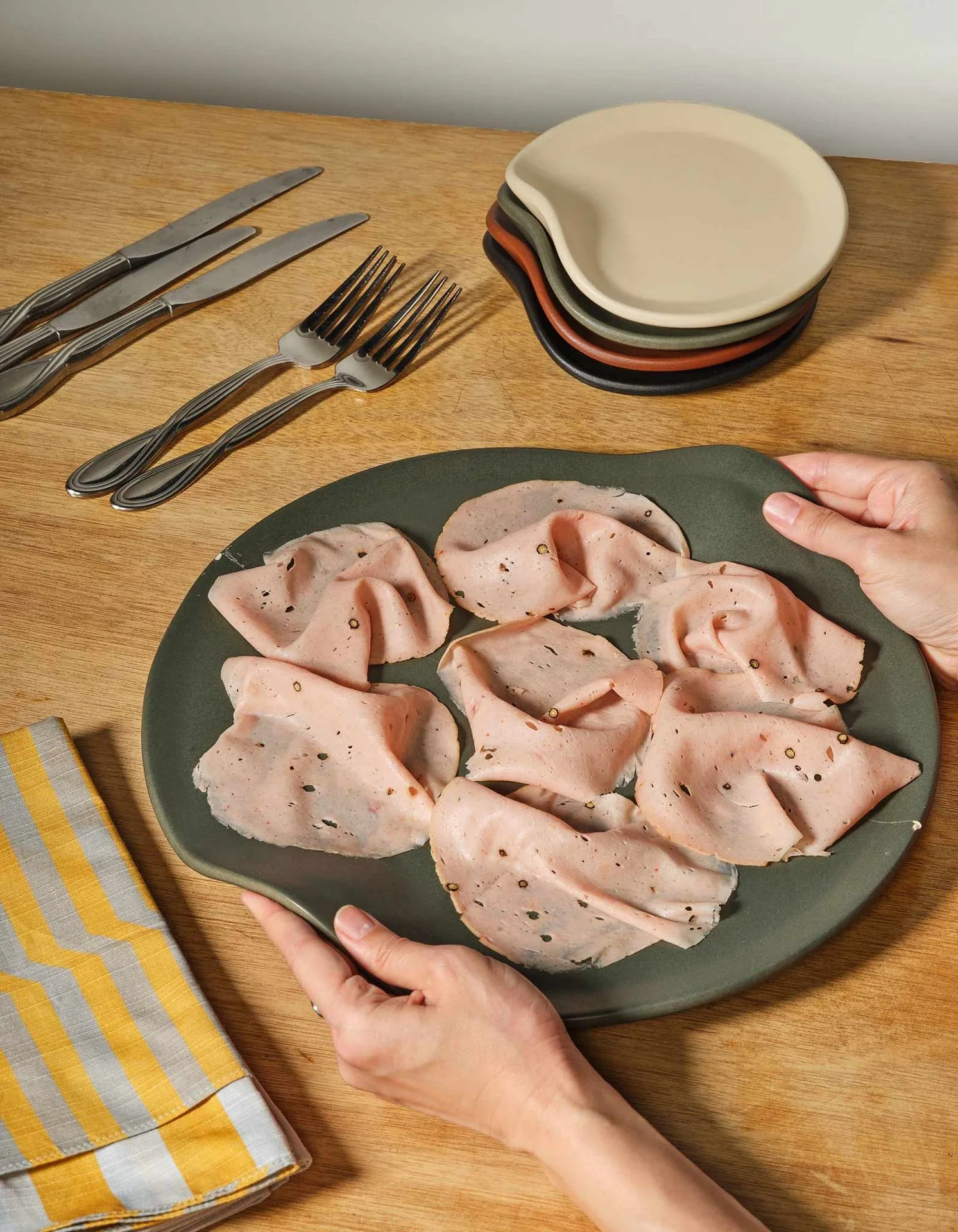
Serve Platter
To care for an acacia platter, follow the same seasoning steps as for cutting boards but pay extra attention to the edges and any carved details. After each use, hand wash with mild soap and warm water, then dry immediately. Never let the platter soak in water. A monthly oiling will keep the wood hydrated and resistant to cracks.
- For platters used frequently, consider applying a thin coat of oil every two weeks.
- Store acacia platters in a dry, well-ventilated area away from direct heat or sunlight.
- If the platter develops a white haze, it may be a sign of moisture damage; sand lightly and re-oil.
Daily Maintenance Tips for Long-Lasting Wooden Boards
Daily care is just as important as seasonal seasoning. After each use, scrape off food residue with a plastic scraper or spatula, then wash with warm water and a drop of dish soap. Avoid using harsh detergents or abrasive scrubbers that can strip the oil finish. Rinse well and dry immediately with a towel.
For stubborn stains or odors, sprinkle coarse salt or baking soda on the board and rub with half a lemon. Let it sit for a few minutes, then rinse and dry. This natural method cleans without damaging the wood. To disinfect, wipe with a solution of one part white vinegar to four parts water, then rinse thoroughly.
- Never put wooden boards in the microwave or oven, as heat can cause cracking.
- Use separate boards for raw meat and produce to prevent cross-contamination.
- If your board develops deep knife grooves, sand it down every few years to restore a smooth surface.
Choosing the Right Oil and Conditioner
Not all oils are suitable for wooden kitchenware. Food-grade mineral oil is the most common and safest choice because it is odorless, tasteless, and won’t go rancid. Some brands offer blended oils with added vitamin E or beeswax for extra conditioning. When shopping, look for products labeled specifically for cutting boards or butcher blocks.
For a deeper finish, you can apply a food-safe board conditioner after oiling. Conditioners often contain a mix of mineral oil and beeswax, which seals the wood and adds a subtle sheen. Avoid using tung oil or linseed oil unless they are explicitly labeled as food-safe, as some formulations contain drying agents that are not safe for food contact.
- Always test a small, inconspicuous area before applying a new oil or conditioner to the entire board.
- Store your oil in a cool, dark place to extend its shelf life.
- If you prefer a natural alternative, coconut oil can be used, but it may solidify in cooler temperatures.
Proper seasoning and maintenance are the keys to keeping your wooden cutting boards and serving platters in pristine condition. By following these simple steps, you can prevent cracking, staining, and bacteria buildup while preserving the natural beauty of the wood. For a reliable, high-quality option that will serve you for years, explore the Serve Platter and other acacia pieces available in our collection.