Shift work is a reality for millions of people worldwide, from healthcare professionals and emergency responders to factory workers and hospitality staff. While these jobs are essential, they often come with a hidden cost: disrupted sleep. The human body is wired to be awake during daylight and asleep at night, so working nights or rotating shifts can throw your internal clock into chaos. This article is dedicated to shift workers who struggle with restful sleep. We will explore practical sleep hygiene strategies tailored for irregular schedules, including how to reset your circadian rhythm, the role of sleep supplements, and simple lifestyle adjustments that can make a world of difference.
Poor sleep isn't just about feeling tired. It can lead to decreased cognitive function, mood swings, weakened immunity, and long-term health risks like cardiovascular disease and metabolic disorders. But the good news is that with intentional habits and the right tools, you can optimize your rest even when your schedule is anything but regular. Whether you are a night owl by necessity or a rotating shift veteran, the strategies below will help you reclaim your sleep and your health.
Understanding Your Circadian Rhythm and Shift Work
Your circadian rhythm is a 24-hour internal clock that regulates sleep-wake cycles, hormone release, body temperature, and other vital functions. It is heavily influenced by light exposure. When you work night shifts, you are asking your body to be alert when its natural inclination is to sleep, and to sleep when the sun is up. This misalignment is the root cause of shift work sleep disorder (SWSD). Symptoms include excessive sleepiness during work hours, insomnia during off hours, and difficulty concentrating.
Resetting your circadian rhythm is possible, but it requires consistency. One of the most effective methods is to create a 'fake night' environment. When you get home from a night shift, wear blue-light-blocking glasses, dim the lights, and avoid screens for at least 30 minutes before bed. Blackout curtains are a game-changer—they block out morning sunlight and signal your brain that it is still night. Also, try to maintain the same sleep schedule on your days off as much as possible to avoid 'social jetlag'.
- Use blackout curtains or a sleep mask to simulate darkness during daytime sleep.
- Avoid caffeine at least 4-6 hours before your planned bedtime.
- Keep your bedroom cool (65-68°F) to promote deeper sleep.
Strategic Napping: A Shift Worker's Secret Weapon
Napping is not a sign of weakness—it is a strategic tool for shift workers. Short naps of 20-30 minutes can boost alertness and performance without causing sleep inertia (that groggy feeling after a long nap). If you work a 12-hour night shift, a 90-minute nap before your shift can significantly improve your endurance. The key is timing. For most people, the 'sleepiest' window occurs in the early afternoon (for day workers) or around 2-4 AM for night workers. Plan your nap accordingly.
Another effective technique is the 'caffeine nap': drink a cup of coffee or tea immediately before a 20-minute nap. Caffeine takes about 20 minutes to kick in, so you wake up feeling refreshed and alert. Just be careful not to overdo caffeine close to your main sleep time. Also, consider using a sleep mask or earplugs to create a quiet, dark environment even if you are napping in a break room or car.
- Limit naps to 20-30 minutes to avoid sleep inertia.
- Try a caffeine nap for an extra boost before a shift.
- Use a sleep mask and earplugs for on-the-go napping.
The Role of Nutrition and Hydration in Sleep Quality
What you eat and drink can either support or sabotage your sleep. Shift workers often rely on quick, processed foods and sugary drinks to stay awake, but these can lead to energy crashes and poor sleep quality. Focus on balanced meals with lean protein, complex carbohydrates, and healthy fats. Avoid heavy, greasy meals right before bed, as they can cause indigestion and disrupt sleep. Stay hydrated throughout your shift, but reduce fluid intake in the last two hours before sleep to minimize nighttime bathroom trips.
Certain nutrients can promote sleep. Magnesium, found in leafy greens, nuts, and seeds, helps relax muscles and calm the nervous system. Tryptophan, an amino acid in turkey, eggs, and dairy, is a precursor to melatonin. And tart cherry juice is a natural source of melatonin. For a convenient option, consider incorporating a high-protein snack like the DAILY BAR, 20g of Protein and 3g of Creatine into your post-shift routine. It provides sustained energy without the sugar crash, and the protein supports muscle repair after a long shift. Pair it with a glass of water or herbal tea for optimal hydration.

DAILY BAR, 20g of Protein and 3g of Creatine
- Eat a balanced meal with protein and complex carbs before your shift.
- Avoid caffeine and alcohol within 4-6 hours of bedtime.
- Include sleep-friendly foods like almonds, bananas, and tart cherries.
Sleep Supplements: When to Use Them and What to Look For
While lifestyle habits form the foundation of good sleep hygiene, supplements can be a helpful adjunct for shift workers, especially during transitions. Melatonin is the most well-known sleep supplement, but it is not a sedative—it is a hormone that signals your body it is time to sleep. For shift workers, low-dose melatonin (0.5-3 mg) taken 30-60 minutes before your desired bedtime can help shift your circadian rhythm. However, it is not recommended for long-term daily use without consulting a healthcare provider.
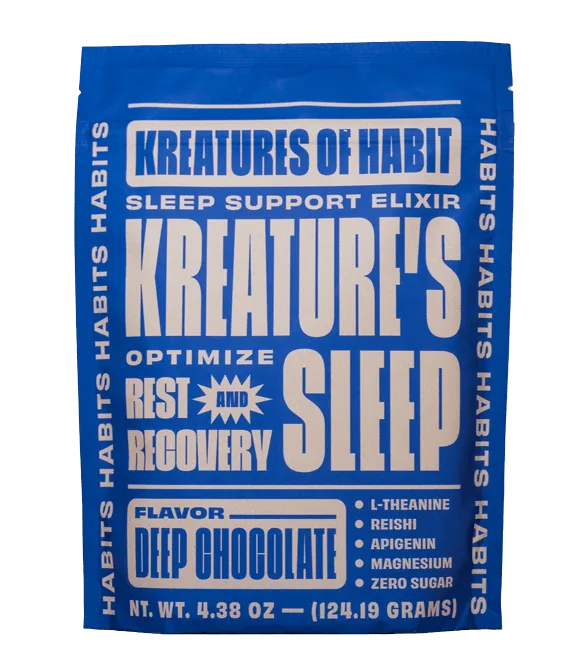
Other supplements like magnesium glycinate, L-theanine (an amino acid in green tea), and valerian root may promote relaxation. If you are looking for a comprehensive sleep support product, consider KREATURE'S SLEEP. This blend is designed to help you fall asleep faster and stay asleep longer, making it an excellent option for those with irregular schedules. It combines natural ingredients that support the body's own sleep mechanisms without leaving you groggy in the morning. Always start with a low dose and see how your body responds.
- Use melatonin strategically to reset your sleep-wake cycle after shift changes.
- Look for supplements that combine magnesium, L-theanine, and herbal extracts.
- Consult a doctor before starting any new supplement regimen.
Creating a Wind-Down Routine That Works for Your Schedule
A consistent wind-down routine is crucial for signaling your brain that it is time to sleep, regardless of the hour. This routine should be 30-60 minutes long and free of stimulating activities. Start by dimming the lights and putting away electronic devices. Engage in a calming activity such as reading a physical book, gentle stretching, journaling, or listening to soothing music or a podcast. Avoid checking work emails or scrolling through social media, as the blue light and mental stimulation can delay sleep onset.
If you struggle with racing thoughts, try a 'brain dump'—write down everything on your mind for five minutes. This can help clear mental clutter. You can also incorporate a warm bath or shower; the drop in body temperature afterward promotes sleepiness. For an extra layer of relaxation, consider using a weighted blanket, which can reduce anxiety and improve sleep quality. Make your bedroom a sanctuary: keep it dark, quiet, and cool, and reserve it only for sleep and intimacy.
- Start your wind-down routine 30-60 minutes before your planned bedtime.
- Avoid screens and bright lights; use blue-light-blocking glasses if needed.
- Incorporate relaxation techniques like deep breathing or progressive muscle relaxation.
Managing Social and Family Life as a Shift Worker
One of the biggest challenges shift workers face is balancing sleep with social obligations and family time. It is easy to feel guilty for sleeping during the day or missing events, but prioritizing sleep is not selfish—it is essential for your health and safety. Communicate your sleep schedule clearly with family and friends. Let them know your 'do not disturb' hours and use a sign on your bedroom door as a reminder. Schedule quality time with loved ones on your days off, and be present during those moments.
When you have to attend a social event during your usual sleep time, plan ahead. If possible, take a short nap beforehand. Limit alcohol, which can disrupt sleep architecture even if it helps you fall asleep. And if you are transitioning back to a day schedule for a day off, try to stay awake until a reasonable bedtime (e.g., 10 PM) to avoid a fragmented sleep pattern. Remember, consistency is key, but flexibility is also important. Give yourself grace on days when everything doesn't go perfectly.
- Communicate your sleep schedule to family and friends to set boundaries.
- Use a 'do not disturb' sign on your bedroom door during sleep hours.
- Plan social activities around your sleep schedule to avoid burnout.
Shift work doesn't have to mean sacrificing your sleep and health. By understanding your circadian rhythm, using strategic napping, optimizing your nutrition, and incorporating targeted supplements like KREATURE'S SLEEP, you can create a personalized sleep hygiene routine that works for your irregular schedule. Start with one or two changes today, and gradually build habits that support your well-being. Your body and mind will thank you. For a convenient way to support your sleep goals, explore the KREATURE'S SLEEP product and see how it fits into your nightly routine.