Have you ever been the only person at a picnic covered in itchy red welts while everyone else remains bite-free? You’re not imagining it—mosquitoes do have favorites. While you might blame your luck, science shows that certain biological and behavioral traits make some people significantly more attractive to these pests. Understanding what draws mosquitoes to you is the first step toward effective bug bite prevention.
In this guide, we’ll reveal five surprising mosquito attractants—from your blood type to the color of your shirt—and offer practical, natural ways to reduce your appeal. Plus, we’ll show you how a simple suction tool can provide instant relief if you do get bitten.
1. Your Blood Type (Yes, Really)
Research published in the Journal of Medical Entomology found that people with Type O blood attract nearly twice as many mosquitoes as those with Type A. Type B falls somewhere in between. Mosquitoes are drawn to the sugars and proteins in your blood, and they can sense your blood type through your skin’s secretions. While you can’t change your blood type, you can minimize your attractiveness by staying clean and using unscented soaps, as strong fragrances can override your natural scent cues.
Another factor is your metabolic rate. People who produce more carbon dioxide—such as those who are larger, pregnant, or exercising—are more noticeable to mosquitoes. This is because CO₂ is a primary long-range attractant. To reduce your appeal, try to stay cool and avoid heavy exertion during peak mosquito hours (dawn and dusk).
- Tip: If you’re Type O, pay extra attention to repellent and protective clothing during outdoor activities.
2. The Color of Your Clothing
Mosquitoes use visual cues to locate hosts, and they are particularly attracted to dark colors like black, navy, red, and dark green. These colors stand out against the horizon and mimic the silhouette of a potential meal. In contrast, light colors such as white, beige, and pastels are less appealing. So next time you head out for a hike or barbecue, consider swapping that black t-shirt for a light one.
But color isn’t the only visual factor. Movement also catches a mosquito’s eye. If you’re walking briskly or running, you become a moving target. To reduce your visibility, wear loose-fitting, light-colored clothing and avoid sudden movements when mosquitoes are active. This simple change can make a noticeable difference in how often you get bitten.
- Tip: Opt for white or light-colored long sleeves and pants when outdoors in mosquito-prone areas.
3. Your Body’s Natural Scent (Lactic Acid & Bacteria)
Mosquitoes are attracted to the smell of lactic acid, ammonia, and other compounds found in human sweat. People who naturally produce higher levels of these substances—often due to genetics or diet—are more likely to be bitten. Additionally, the specific bacteria living on your skin can either repel or attract mosquitoes. A 2011 study found that people with a higher diversity of skin bacteria were less attractive to mosquitoes than those with a less diverse microbiome.
You can influence your scent by showering after exercise, using fragrance-free soaps, and avoiding alcohol, which increases the amount of ethanol in your sweat. Some research also suggests that eating garlic or taking vitamin B supplements may slightly alter your scent, though evidence is mixed. The most reliable method remains using a proven repellent containing DEET, picaridin, or oil of lemon eucalyptus.
- Tip: Wash with unscented soap and avoid perfumed lotions or colognes that can mask your natural scent and actually attract mosquitoes.
4. Alcohol Consumption
It’s not just your imagination—having a beer or glass of wine can turn you into a mosquito magnet. A study in the Journal of the American Mosquito Control Association found that participants who drank beer attracted significantly more mosquitoes than those who didn’t. The exact reason is still debated, but it may be related to increased body temperature, skin temperature, or changes in sweat composition after alcohol consumption.
If you’re planning an outdoor gathering, consider limiting your alcohol intake or using additional protection like mosquito nets or fans. Mosquitoes are weak fliers, so a gentle breeze from a fan can keep them away. And if you do get bitten despite your precautions, having a reliable relief tool on hand can make all the difference.
- Tip: Use a fan or portable air circulator when sitting outdoors—it disrupts mosquito flight and dilutes your CO₂ plume.
5. Pregnancy and Body Heat
Pregnant women are particularly attractive to mosquitoes, especially those that transmit diseases like malaria and Zika. This is partly because they exhale more carbon dioxide and have a slightly higher body temperature. Mosquitoes use heat sensors to locate warm-blooded hosts, so anyone with a higher core temperature—whether from pregnancy, exercise, or a fever—will be more noticeable.
While you can’t change your body temperature, you can take preventive measures: wear long sleeves and pants, use mosquito nets, and avoid being outdoors during peak mosquito activity. If you’re pregnant, always check with your doctor before using chemical repellents, but physical barriers and natural oils are generally safe. And if you do get bitten, a gentle suction tool can provide fast, chemical-free relief.
- Tip: Stay cool with a portable fan or cooling towel to lower your skin temperature and make yourself less detectable.
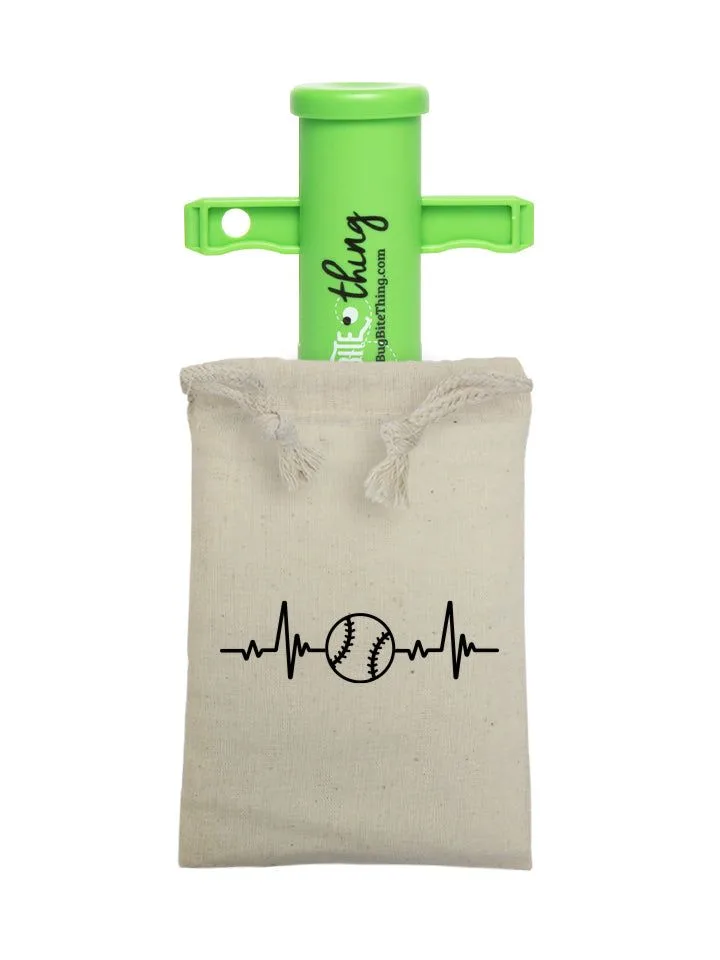
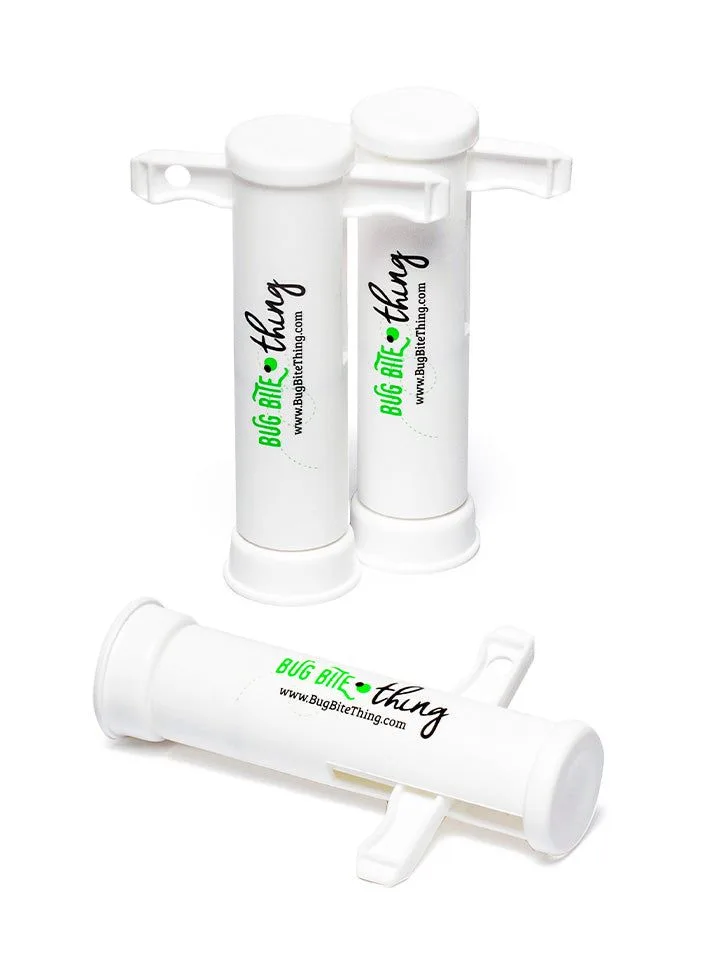
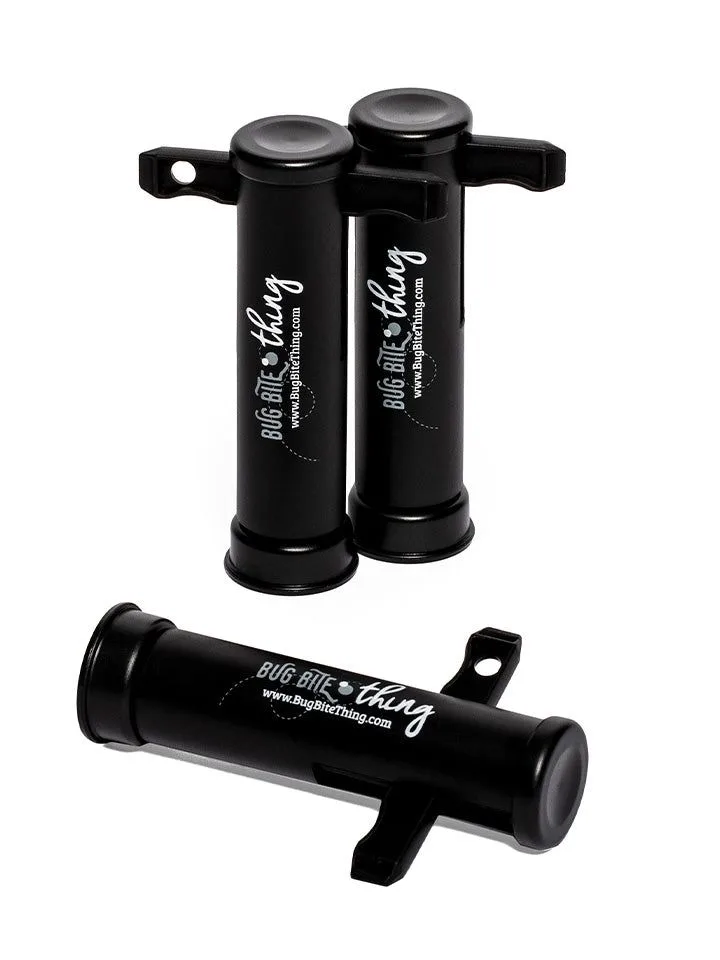
Knowing what attracts mosquitoes is half the battle. By making small changes—like wearing light colors, staying cool, and avoiding alcohol—you can significantly reduce your risk of bites. But even the most careful person will get bitten occasionally. That’s why we recommend keeping a Bug Bite Thing Suction Tool in your bag or car. It uses gentle suction to remove mosquito saliva from under the skin, providing fast, natural itch relief without chemicals. Explore our full range of relief tools to stay comfortable all summer long.
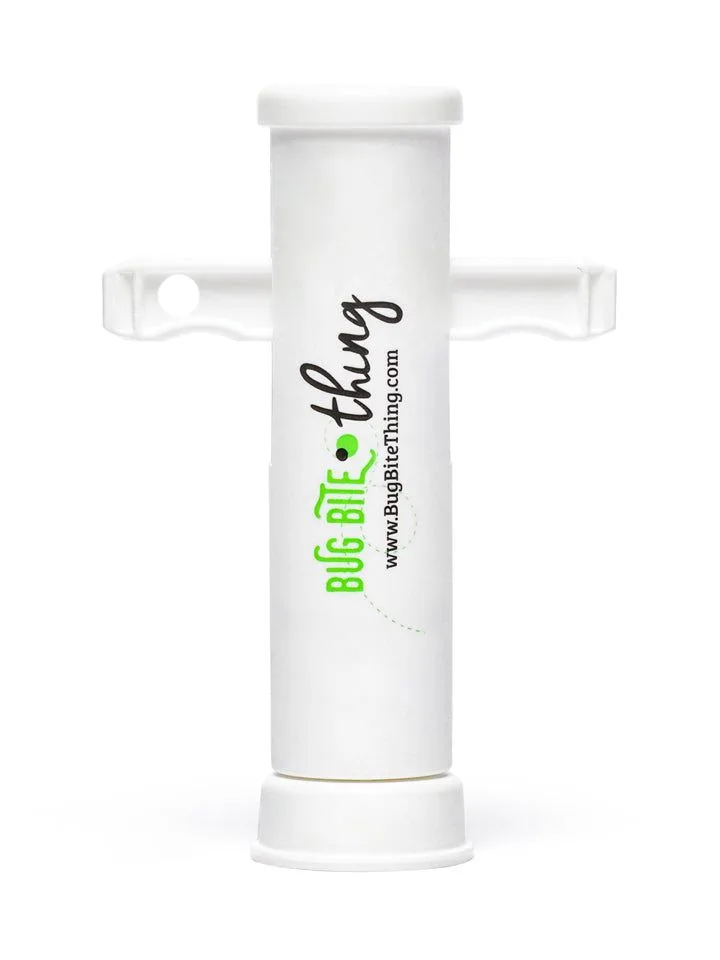
Bug Bite Thing Suction Tool