If you love the water—whether it's a dip in the ocean, a relaxing bath, or a daily swim—getting a new tattoo can feel like a setback. Water exposure is one of the biggest risks during the healing process, and knowing how to navigate it safely is essential for preserving your ink. This guide covers everything you need to know about tattoo aftercare for water lovers, from showering with a fresh tattoo to when you can finally swim again.
Water can introduce bacteria, disrupt healing, and even cause ink to fade or blur. But with the right precautions and products, you don't have to completely avoid your favorite activities. We'll walk you through safe practices, timing, and aftercare routines that let you enjoy water without compromising your tattoo's health.
Why Water Exposure Is Risky for New Tattoos
A fresh tattoo is essentially an open wound. The skin has been punctured thousands of times, and your body's immune response is working hard to repair the damage. Submerging a new tattoo in water—whether in a pool, hot tub, lake, or bathtub—exposes it to bacteria, chemicals, and contaminants that can cause infection. Even seemingly clean water can harbor microorganisms that lead to complications.
Additionally, prolonged water exposure can soften the scabs and peeling skin, causing them to come off prematurely. This can result in patchy healing, loss of ink, and a longer recovery time. Chlorine and saltwater are particularly harsh on healing skin, potentially irritating the area and fading the tattoo. For these reasons, most tattoo artists recommend avoiding submersion for at least 2-4 weeks.
- Never swim in pools, oceans, lakes, or hot tubs with a fresh tattoo.
- Avoid soaking in bathtubs or using bath bombs until the tattoo is fully healed.
- Showering is generally safe after the first 24 hours, but keep it brief and avoid direct spray on the tattoo.
Showering with a New Tattoo: Best Practices
Showering is usually allowed 24 hours after getting inked, but you need to be careful. Use lukewarm water—hot water can open pores and irritate the skin. Avoid letting the shower stream hit the tattoo directly; instead, let water run over it gently. Use a mild, fragrance-free soap to clean the area, then pat it dry with a clean towel. Do not rub or scrub.
Keep showers short—under 5 minutes if possible—to minimize water exposure. After drying, apply a thin layer of a quality aftercare product like the Tattoo Soothing Gel to keep the skin hydrated and protected. This gel is designed to calm irritation and support healing without clogging pores. Remember to wash your hands before touching the tattoo.
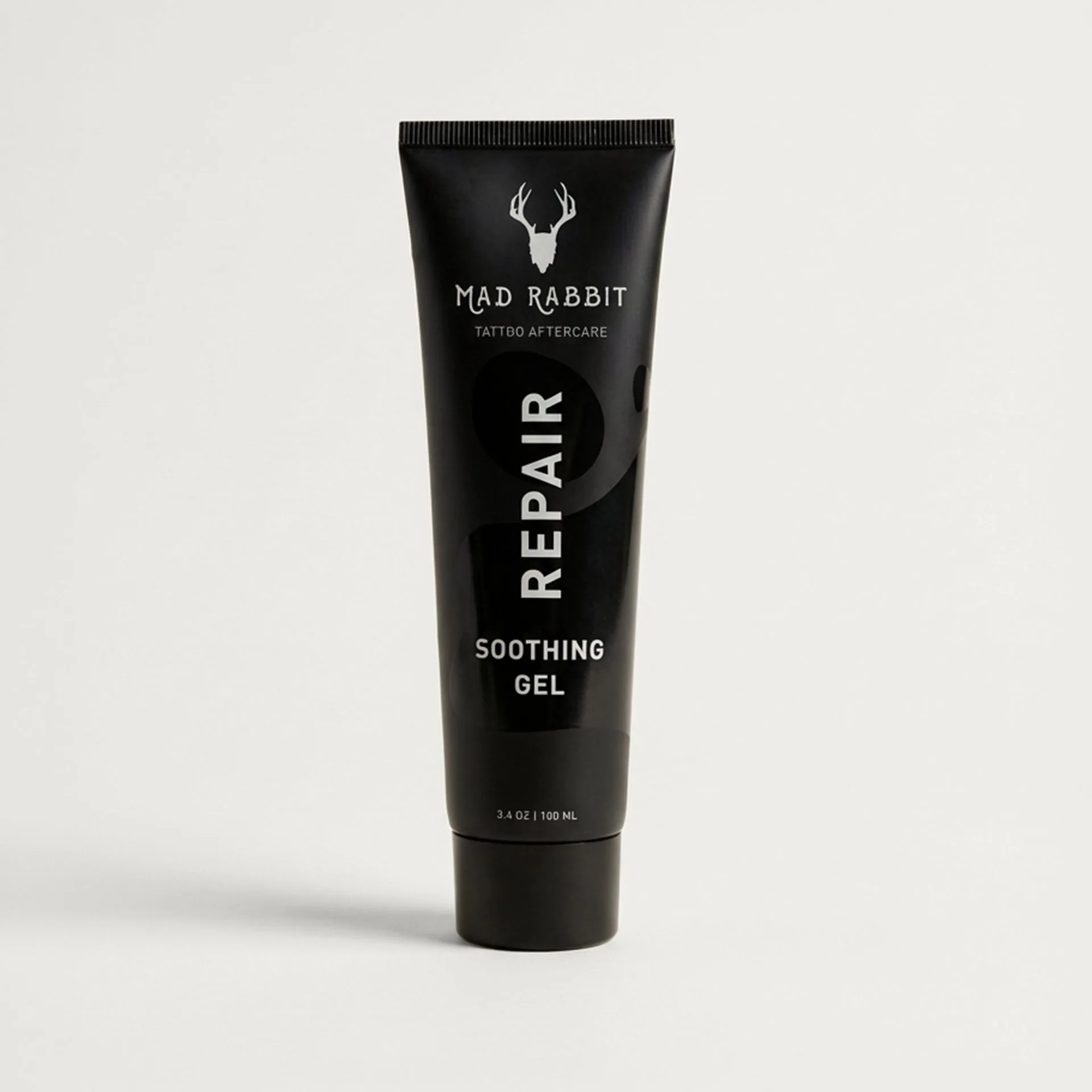
Tattoo Soothing Gel
- Wait at least 24 hours before showering with a new tattoo.
- Use a gentle, unscented soap and pat dry—never rub.
- Apply a healing balm or gel after each shower to lock in moisture.
When Can You Swim After Getting a Tattoo?
The short answer: wait until your tattoo is fully healed, which typically takes 2 to 4 weeks. However, the exact timing depends on the size, location, and your body's healing speed. Surface healing (when peeling stops and skin feels smooth) can take 2-3 weeks, but deeper layers may take up to a month. Swimming too early risks infection, ink loss, and scarring.
Once your tattoo is healed—no scabs, peeling, or redness—you can swim, but take precautions. Apply a waterproof sunscreen (SPF 30 or higher) to protect the ink from UV damage, and rinse off immediately after swimming to remove chlorine or salt. If you're planning a beach vacation or pool day, consider scheduling your tattoo session well in advance to allow full healing.
- Wait at least 2-4 weeks before swimming, depending on healing progress.
- Always apply sunscreen to healed tattoos before sun exposure.
- Avoid soaking in hot tubs or natural bodies of water for the first month.
Safe Bathing Alternatives During Healing
If you're a bath lover, you'll need to get creative during the healing period. Avoid full immersion baths until the tattoo is completely healed. Instead, take quick showers or use a handheld showerhead to wash without submerging the tattoo. You can also try a sponge bath to keep the rest of your body clean without risking the tattoo.
For those who miss the relaxation of a bath, consider waiting until the tattoo is fully healed—then treat yourself to a soothing soak with gentle bath salts. In the meantime, focus on keeping the tattoo clean and moisturized. Products like the Sandalwood Tattoo Balm can provide deep hydration and a calming scent that mimics the spa-like experience without water exposure.
- Avoid bathtubs, hot tubs, and soaking until the tattoo is healed.
- Use a sponge bath or quick shower to stay clean.
- After healing, use a rich balm to replenish moisture lost from water exposure.
The Role of Aftercare Products in Water Protection
Using the right aftercare products can make a significant difference in how well your tattoo handles incidental water exposure. A high-quality balm or gel creates a protective barrier that helps seal in moisture and repel contaminants. For example, the Tangerine Vanilla Tattoo Balm Salve is formulated with natural ingredients that nourish the skin while forming a light protective layer, ideal for daily use.
Additionally, if you're an active water lover, consider using a water-resistant barrier cream or balm before activities like showering or sweating. While no product makes a new tattoo waterproof, these balms can reduce the risk of irritation. Always reapply after cleaning the tattoo, and avoid products with alcohol or fragrances that can dry out the skin.
- Choose balms with natural oils and butters for deep hydration and protection.
- Apply a thin layer before showering to minimize water contact.
- Avoid petroleum-based products that can trap bacteria.
Water and new tattoos don't mix, but with patience and the right aftercare routine, you can keep your ink safe and vibrant. Shower carefully, avoid swimming until fully healed, and use nourishing balms to support recovery. For a gentle, effective option that protects and hydrates, try the Sandalwood Tattoo Balm—it's perfect for daily use during and after healing.