When setting a table, the finish of your dinnerware can transform the entire dining experience. The choice between textured and smooth finishes goes beyond aesthetics—it influences how food is presented, how plates feel in the hand, and even how they hold up over time. Whether you're a minimalist who loves sleek porcelain or a rustic enthusiast drawn to artisanal stoneware, understanding the pros and cons of each finish will help you build a collection that truly reflects your style.
In this guide, we’ll compare textured and smooth dinnerware across key factors like durability, maintenance, visual appeal, and versatility. We’ll also highlight some standout pieces from Material that exemplify each finish, so you can see how these choices come to life on your table.
The Appeal of Smooth Dinnerware
Smooth dinnerware, typically made from porcelain or fine stoneware with a glossy glaze, offers a clean, modern look that never goes out of style. The reflective surface makes colors pop and creates an elegant backdrop for any cuisine—from delicate salads to hearty stews. Smooth plates are also easier to clean, as food residue slides off without sticking to crevices or rough patches.
For those who love minimalist or contemporary table settings, smooth finishes pair beautifully with metallic flatware or simple linen napkins. A classic example is the Bread Plate Single, whose unadorned surface lets the food take center stage. Smooth dinnerware is also ideal for formal occasions, where a polished look is expected. However, be aware that glossy surfaces can show scratches and utensil marks more readily than textured alternatives.
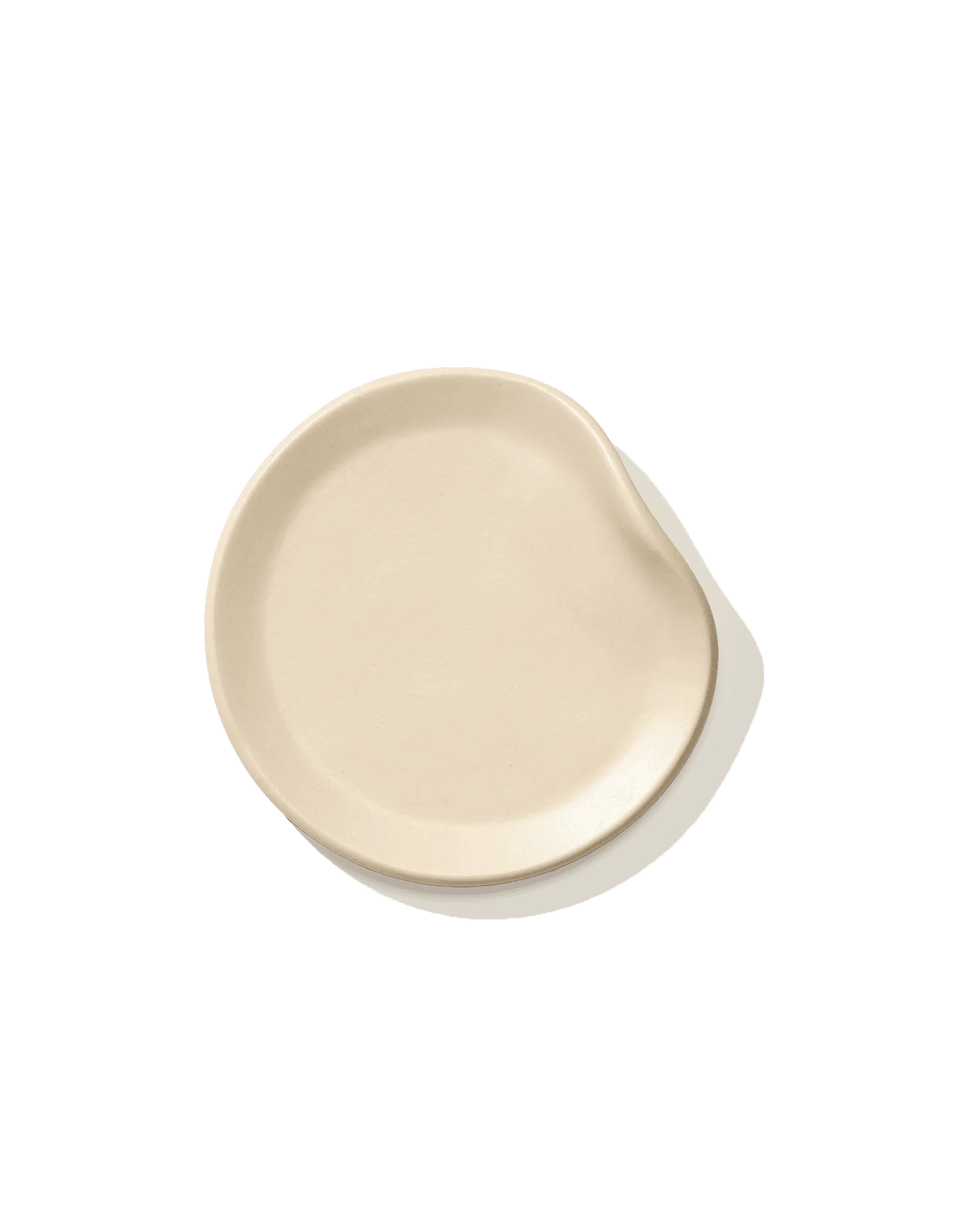
Bread Plate Single
- Easy to clean and stain-resistant
- Reflects light for a bright, airy table
- Best for modern, minimalist, or formal settings
The Charm of Textured Dinnerware
Textured dinnerware, often crafted from stoneware or hand-thrown ceramics, brings warmth and character to the table. The tactile surface—whether it's a subtle speckle, a ribbed pattern, or a matte finish—adds depth and a handmade feel that smooth plates can't replicate. This finish is perfect for rustic, farmhouse, or bohemian tablescapes, where imperfection is celebrated.
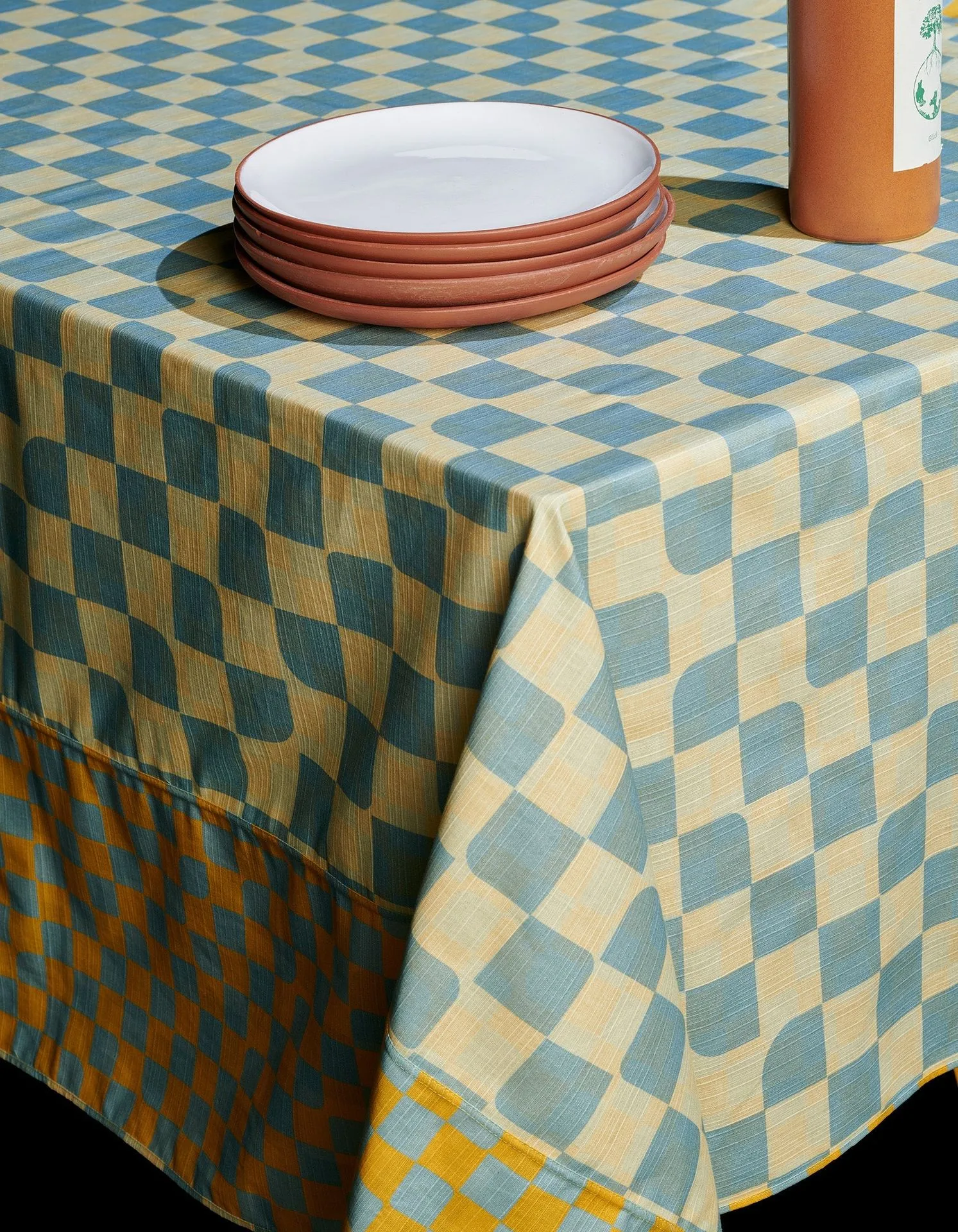
Textured plates also hide everyday wear and tear better than smooth ones. Small scratches or utensil marks blend into the surface, making them a practical choice for busy households. A piece like the Tablecloth Reversible Grid exemplifies how texture can be both functional and decorative. The grid pattern adds visual interest without overwhelming the food. On the downside, textured surfaces can trap food particles in crevices, requiring a bit more scrubbing during cleaning.
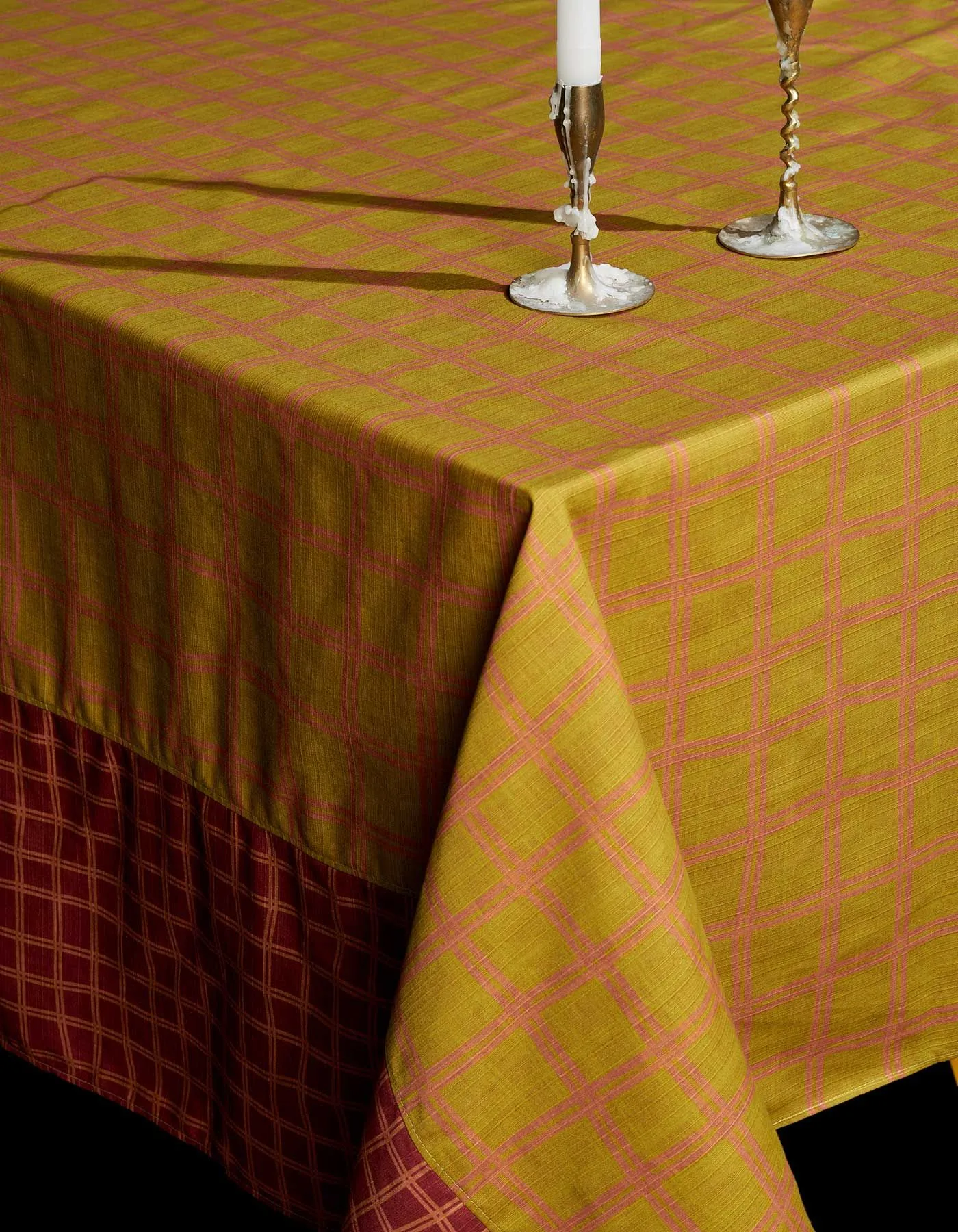
Tablecloth Reversible Grid
- Hides scratches and utensil marks well
- Adds visual and tactile interest to the table
- Ideal for rustic, artisanal, or casual dining
Durability and Maintenance Comparison
When it comes to longevity, both finishes have their strengths. Smooth porcelain is highly durable and chip-resistant when fired at high temperatures, but its glossy surface can develop a network of fine scratches over time. Textured stoneware, on the other hand, is naturally more forgiving—the irregularities in the surface mask minor damage, though it may be more prone to chipping if the glaze is thin.
In the dishwasher, smooth dinnerware generally fares better because there are no crevices for water or detergent to linger. Textured pieces may require occasional hand washing to ensure all residue is removed. For everyday use, many home cooks prefer the low-maintenance nature of smooth plates, while those who love a rustic aesthetic are happy to give their textured pieces a little extra care. The Washed Linen Oven Mitt, while not dinnerware, shows how texture can be carried across table linens for a cohesive look.
- Smooth: dishwasher-safe, but may show scratches
- Textured: hides wear, but may need hand washing
- Both can last for years with proper care
How to Choose Based on Your Dining Style
Your choice ultimately depends on how you entertain and what mood you want to create. If you host formal dinner parties with multiple courses, smooth dinnerware offers a refined, uninterrupted canvas that lets your culinary creations shine. It also layers well with other tabletop elements like charger plates or ornate flatware such as French Country Cutlery, which stands out beautifully against a glossy surface.
For casual gatherings or family meals, textured dinnerware invites a relaxed, approachable atmosphere. Its earthy feel encourages lingering over dinner and pairs naturally with wooden boards like The Midi MK Free Board for serving cheeses or appetizers. Mixing both finishes in one collection is also a popular trend—use smooth plates for the main course and textured salad plates for contrast. This approach gives you the best of both worlds.
- Smooth for formal, modern, or minimalist tables
- Textured for rustic, bohemian, or everyday dining
- Mixing finishes creates dynamic, layered tablescapes
Whether you lean toward the sleek elegance of smooth dinnerware or the artisanal warmth of textured pieces, the right finish can elevate every meal. Explore Material's curated collection of dinnerware to find plates that match your personal style and practical needs. Start with the versatile Bread Plate Single or the rustic Tablecloth Reversible Grid to build a table that feels uniquely yours.