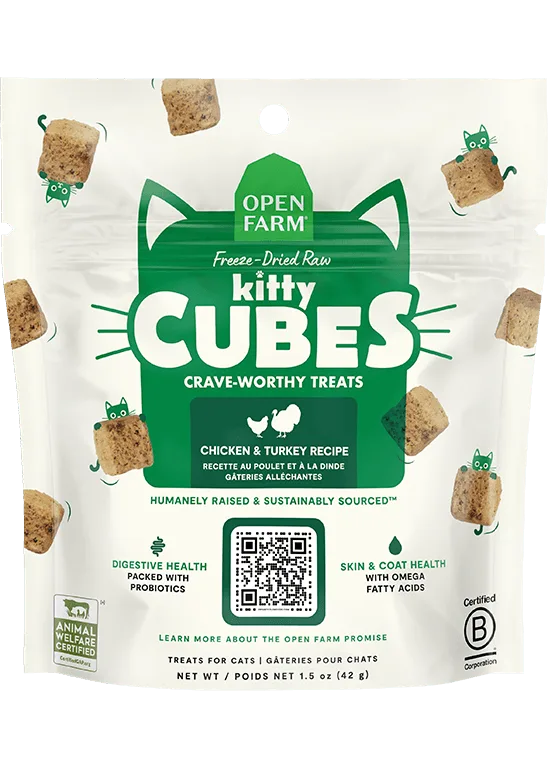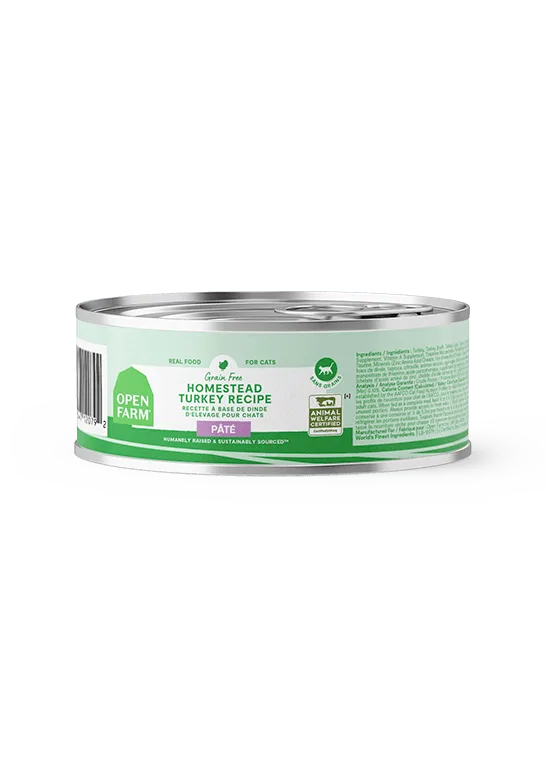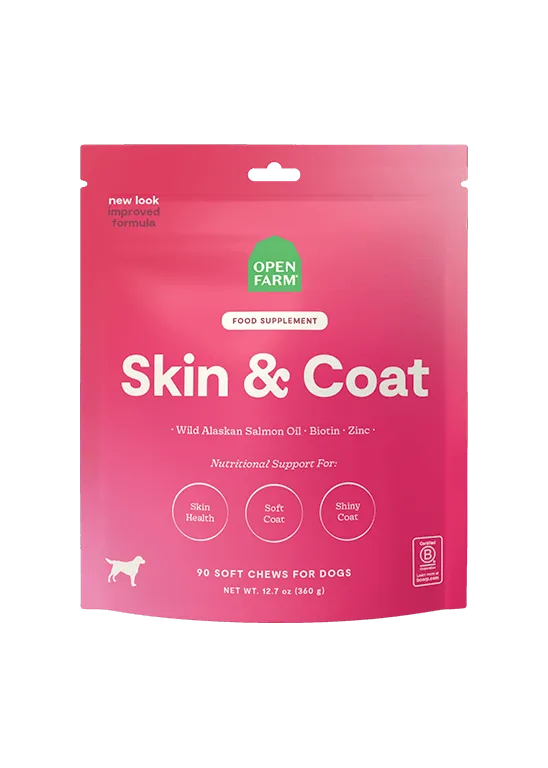
If your cat is constantly scratching, licking, or sneezing, allergies might be the culprit. Feline allergies can stem from environmental triggers like pollen or dust mites, food ingredients, or flea bites, and they often lead to uncomfortable symptoms such as itchy skin, hair loss, ear infections, or digestive upset. While veterinary care is essential for diagnosis, adding targeted supplements to your cat's daily routine can provide significant relief and support overall wellness.
In this guide, we explore the top five supplements for cats with allergies, focusing on ingredients backed by science: omega-3 fatty acids, probiotics, and other natural compounds. These supplements can help reduce inflammation, strengthen the skin barrier, balance the gut microbiome, and boost immune resilience. Whether you're looking for a fish oil for a shiny coat or a probiotic to calm a sensitive stomach, these options can make a real difference.
1. Omega-3 Fatty Acids: The Anti-Inflammatory Powerhouse
Omega-3 fatty acids, particularly EPA and DHA found in fish oil, are among the most studied supplements for managing allergies in cats. These essential fats help reduce systemic inflammation, which is often at the root of allergic reactions. By calming the immune response, omega-3s can decrease itching, redness, and flaking, and they also support a healthy, glossy coat. For cats with environmental allergies or atopic dermatitis, regular omega-3 supplementation can be a game-changer.
When choosing an omega-3 supplement for your cat, look for high-quality, pure sources like wild-caught fish oil. One excellent option is the Icelandic Herring & Salmon Oil For Dogs, which is also safe and beneficial for cats. This oil is rich in EPA and DHA and is cold-pressed to preserve potency. You can easily add a few drops to your cat's wet food or drizzle it over dry kibble. Always start with a small dose and consult your vet for the right amount based on your cat's weight.
- Tip: Store fish oil in the refrigerator after opening to maintain freshness and prevent oxidation.
2. Probiotics: Balancing the Gut for Better Immunity
A healthy gut is the foundation of a strong immune system, and probiotics play a key role in maintaining that balance. For cats with allergies, especially those with food sensitivities or digestive symptoms like vomiting or diarrhea, probiotics can help modulate the immune response and reduce allergic reactions. Beneficial bacteria support the gut-associated lymphoid tissue (GALT), which is a major part of the immune system, and they can also help reduce inflammation throughout the body.
Probiotic supplements for cats often contain strains like Lactobacillus and Bifidobacterium. The Whitefish & Probiotic Bundle is a convenient way to combine a high-quality protein source with probiotics in one product. This bundle includes a whitefish recipe that is gentle on sensitive stomachs, plus a probiotic supplement to support digestive health. For cats that are picky, you can mix the probiotic powder into their favorite wet food or broth. Consistent daily use is key to seeing improvements in allergy symptoms over time.
- Tip: Look for probiotics with guaranteed live cultures and a variety of strains for maximum benefit.
3. Quercetin: Nature's Antihistamine
Quercetin is a plant flavonoid found in fruits and vegetables like apples and onions. It is often called 'nature's antihistamine' because it can inhibit the release of histamine, a chemical that triggers allergy symptoms such as itching, sneezing, and watery eyes. Quercetin also has strong antioxidant and anti-inflammatory properties, making it a valuable supplement for cats with seasonal allergies or chronic skin issues.
While quercetin is not as widely available in standalone cat supplements, it is sometimes included in multi-ingredient allergy formulas. You can also find it in combination with other supportive nutrients like bromelain (from pineapple) to enhance absorption. Always choose a product specifically formulated for pets, and avoid human supplements that may contain xylitol or other harmful additives. Start with a low dose and monitor your cat for any changes in symptoms.
- Tip: Quercetin works best when given consistently during allergy season, not just when symptoms flare.
4. Colostrum: Immune Support from Mother Nature
Colostrum, the first milk produced by mammals after giving birth, is packed with antibodies, growth factors, and immune-modulating compounds. For cats with allergies, bovine colostrum can help regulate the immune system, reducing overreactions to allergens. It also supports gut health by strengthening the intestinal barrier, which can prevent allergens from entering the bloodstream and triggering symptoms. This makes colostrum especially useful for cats with both skin and digestive allergy signs.
Colostrum supplements for cats are usually available in powder form and can be mixed with food. Look for a product that is sourced from grass-fed cows and is free from hormones and antibiotics. While colostrum is generally safe, it is best to introduce it gradually. Some cats may experience mild digestive upset initially, but this usually resolves within a few days. For best results, combine colostrum with omega-3s and probiotics for a comprehensive allergy support protocol.
- Tip: Choose a colostrum supplement with a high immunoglobulin (IgG) content for maximum immune support.
5. Vitamin E and Zinc: Skin Barrier Boosters
A healthy skin barrier is the first line of defense against allergens. Vitamin E and zinc are two essential nutrients that support skin integrity, reduce inflammation, and promote healing. Vitamin E is a powerful antioxidant that protects skin cells from damage caused by free radicals, while zinc helps regulate oil production and supports wound healing. Cats with allergies often have compromised skin barriers, making them more susceptible to infections and irritation.
Many high-quality cat foods and supplements already contain these nutrients, but additional supplementation may be beneficial for cats with chronic allergies. The Wild-Caught Salmon Skin & Coat Health Pâté for Cats is a wet food that naturally provides omega-3s along with vitamin E and other skin-supporting nutrients. For targeted supplementation, you can find zinc and vitamin E in pet-safe forms, but be careful not to overdo zinc, as too much can be toxic. Always follow dosage guidelines and consult your veterinarian.
- Tip: Look for natural vitamin E (d-alpha-tocopherol) rather than synthetic forms for better absorption.
Managing your cat's allergies doesn't have to be a struggle. By incorporating the right supplements—like omega-3s, probiotics, quercetin, colostrum, and skin-supporting nutrients—you can help reduce inflammation, calm the immune system, and improve your cat's quality of life. Start with one supplement at a time, monitor your cat's response, and always consult your vet before making changes. For a convenient way to combine two powerful allergy fighters, explore the Whitefish & Probiotic Bundle and give your cat the relief they deserve.