Does your morning walk feel more like an arm-wrestling match than a relaxing stroll? You are not alone. Pulling on the leash is one of the most common complaints among dog owners, but the good news is that with consistent training and the right tools, almost any dog can learn to walk politely by your side. Loose leash walking is not about forcing your dog into a heel position—it is about teaching them that staying near you leads to good things.
In this guide, we will walk you through proven positive reinforcement methods to stop dog pulling, plus recommend gear that makes training easier. Whether you have a puppy or an adult dog, these leash training tips will transform your daily walks from a chore into a joyful bonding experience.
Why Do Dogs Pull on the Leash?
Dogs pull because it works. When they lunge toward a scent, another dog, or a squirrel, and you follow, they learn that pulling gets them where they want to go. It is a simple cause-and-effect loop. Additionally, many dogs find the pressure of a tight leash comforting—it is called opposition reflex, the same instinct that makes a sled dog lean into its harness. Understanding this helps you replace the habit with a better one.
The key to loose leash walking training is to make the slack leash more rewarding than the tight one. You are essentially teaching your dog that a loose leash equals treats, praise, and forward movement, while a tight leash means you stop or turn around. This shift in perspective is the foundation of all effective leash training.
- Start in a low-distraction environment like your living room or backyard.
- Use high-value treats that your dog only gets during walks.
- Keep sessions short—5 to 10 minutes—to maintain focus and enthusiasm.
The Stop-and-Go Method for Loose Leash Walking
One of the simplest and most effective techniques to stop dog pulling is the stop-and-go method. As you walk, the moment the leash tightens, stop moving. Stand still like a tree. Do not say anything or yank the leash. Wait for your dog to look back at you or take a step toward you, which will loosen the leash. When they do, mark it with a word like 'yes' or a clicker, reward with a treat, and then resume walking. Repeat this every time the leash tightens.
At first, you may only move a few steps before stopping again. That is normal. Your dog is learning that pulling makes the fun stop, while checking in with you makes the walk continue. Over several sessions, your dog will begin to offer a loose leash more often because it is the behavior that earns them forward movement and treats. Consistency is everything—if you let pulling slide sometimes, the lesson becomes confusing.
- Be patient—this method can take a week or two to show clear improvement.
- Use a front-clip harness to reduce pulling without discomfort.
- Practice in short bursts throughout the day rather than one long session.
Choosing the Right Gear for Leash Training
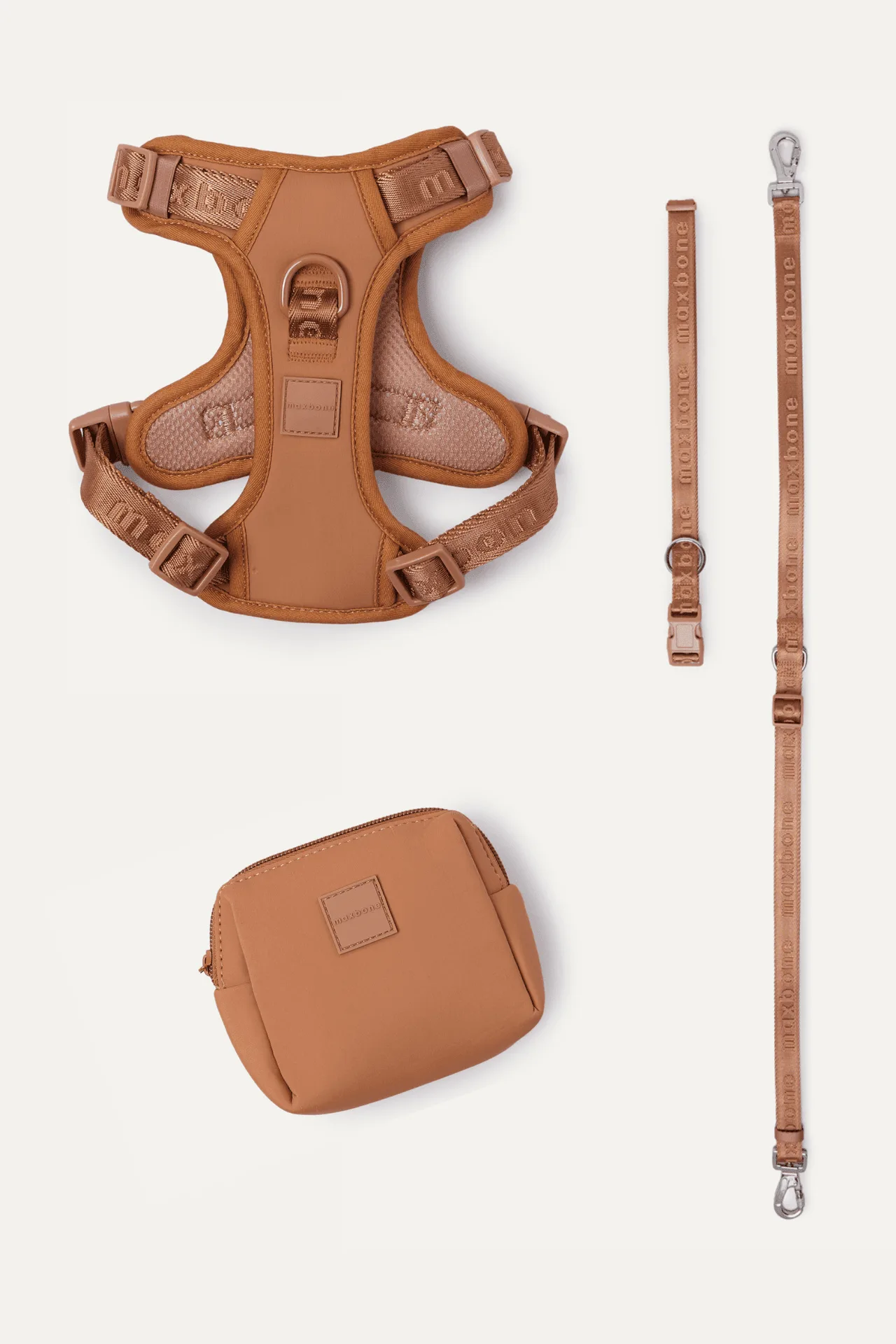
The right equipment can make a significant difference in your dog's walking behavior. While a standard collar can put pressure on the trachea, a well-fitted harness gives you better control and keeps your dog comfortable. Look for a harness that clips in the front, as it naturally turns your dog toward you when they pull, discouraging the behavior without force.
For dogs that need extra focus, treat pouches or a handy bag like the GO! With Ease Pouch allow you to carry rewards and waste bags without fumbling. Having treats accessible in seconds keeps training momentum going. For dogs that get overstimulated on walks, a calming accessory can help set the tone before you even step outside.
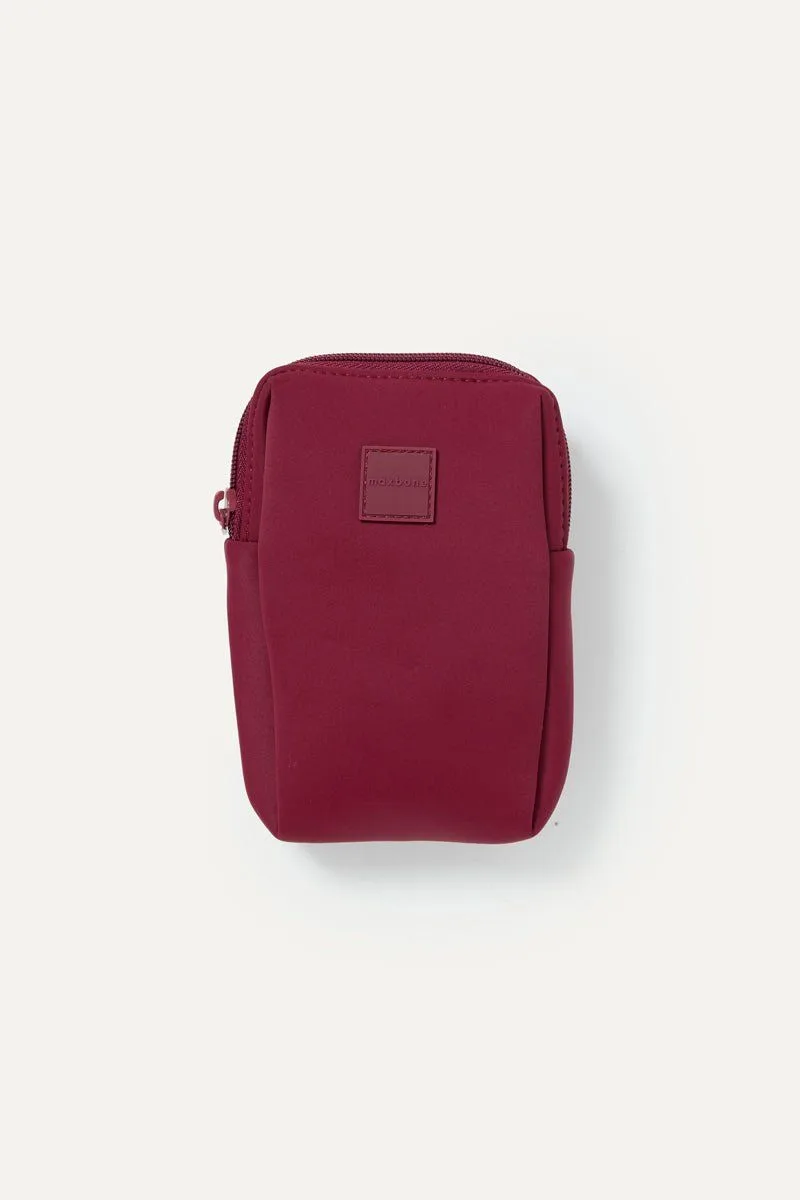
GO! With Ease Pouch
- A front-clip harness gives you gentle steering ability.
- Treat pouches keep your hands free and rewards ready.
- Avoid retractable leashes during training—they reward pulling with more length.
Adding Distractions Gradually
Once your dog walks well in a quiet space, slowly increase the difficulty. Move to your hallway, then your front yard, then a quiet sidewalk, and finally a busier street. Each time you raise the distraction level, be prepared to lower your criteria. That means rewarding for any loose leash, even if it only lasts two steps. As your dog succeeds, you can gradually expect longer periods of slack before rewarding.
If your dog regresses—for example, pulling hard toward another dog—simply go back to the stop-and-go method in that moment. Do not scold or punish. Instead, create distance from the trigger and reward calm behavior. Over time, your dog will learn that staying near you is more rewarding than lunging. This is the essence of positive reinforcement walking.
- Use the 'look at that' game: reward your dog for looking at a distraction without pulling.
- Cross the street or move farther away if your dog is too excited.
- Always end a training session on a success, even if it means a shorter walk.
Troubleshooting Common Leash Training Challenges
What if your dog stops walking altogether? Some dogs freeze when they feel leash pressure. In this case, coax them forward with a treat near their nose, or gently encourage them with a happy voice. Never drag them. If your dog is overly excited and jumps or mouths the leash, redirect their energy by asking for a sit or a down before you start walking. A calm start sets the tone for the entire walk.
For dogs that are highly scent-driven, consider using a longer line in a safe area to allow sniffing breaks. Sniffing is mentally enriching and can actually reduce pulling because it satisfies your dog's need to explore. The goal is not a rigid heel but a relaxed, cooperative walk where both you and your dog enjoy the journey. With patience and the right tools, loose leash walking training becomes a rewarding routine.
- If your dog is a puller, try changing direction suddenly to keep them engaged.
- Use a 'let's go' cue to signal a turn, rewarding when they follow.
- Keep training fun—if you get frustrated, take a break and try again later.
Loose leash walking is one of the most rewarding skills you can teach your dog. It turns daily walks into peaceful, connected experiences that strengthen your bond. Start with the stop-and-go method, choose gear that supports your training, and be consistent with rewards. For a handy way to carry treats and essentials on every walk, check out the GO! With Ease Pouch—it keeps everything you need within reach so you can focus on your dog and enjoy the journey together.