Silicone baby products have become a staple in modern parenting, prized for their durability, flexibility, and safety. From teethers and pacifiers to feeding plates and bath toys, silicone offers a non-toxic, BPA-free alternative to plastics. But to keep these items hygienic and long-lasting, proper cleaning and care are essential. In this guide, we will walk you through the best practices for cleaning silicone baby products, including how to sanitize teethers, maintain pacifiers, and extend the life of your favorite feeding essentials.
Whether you are a new parent or a seasoned caregiver, understanding the right way to care for silicone can prevent mold growth, discoloration, and wear. We will cover daily cleaning routines, deep sanitizing methods, and common mistakes to avoid. Let us dive into the ultimate guide to keeping your silicone baby products fresh and safe.
Why Silicone Is a Top Choice for Baby Products
Silicone is a synthetic rubber that is heat-resistant, non-porous, and free from harmful chemicals like BPA, phthalates, and latex. These properties make it ideal for items that go into your baby's mouth or come into contact with food. Unlike plastic, silicone does not leach toxins when heated, and unlike natural rubber, it is hypoallergenic and less likely to cause allergic reactions.
Products like Rattle Teethers and Animal Ring Teethers are made from food-grade silicone, ensuring that when your baby chews or sucks on them, they are not exposed to harmful substances. Additionally, silicone is easy to clean because it does not absorb liquids or odors, making it a hygienic choice for everyday use.
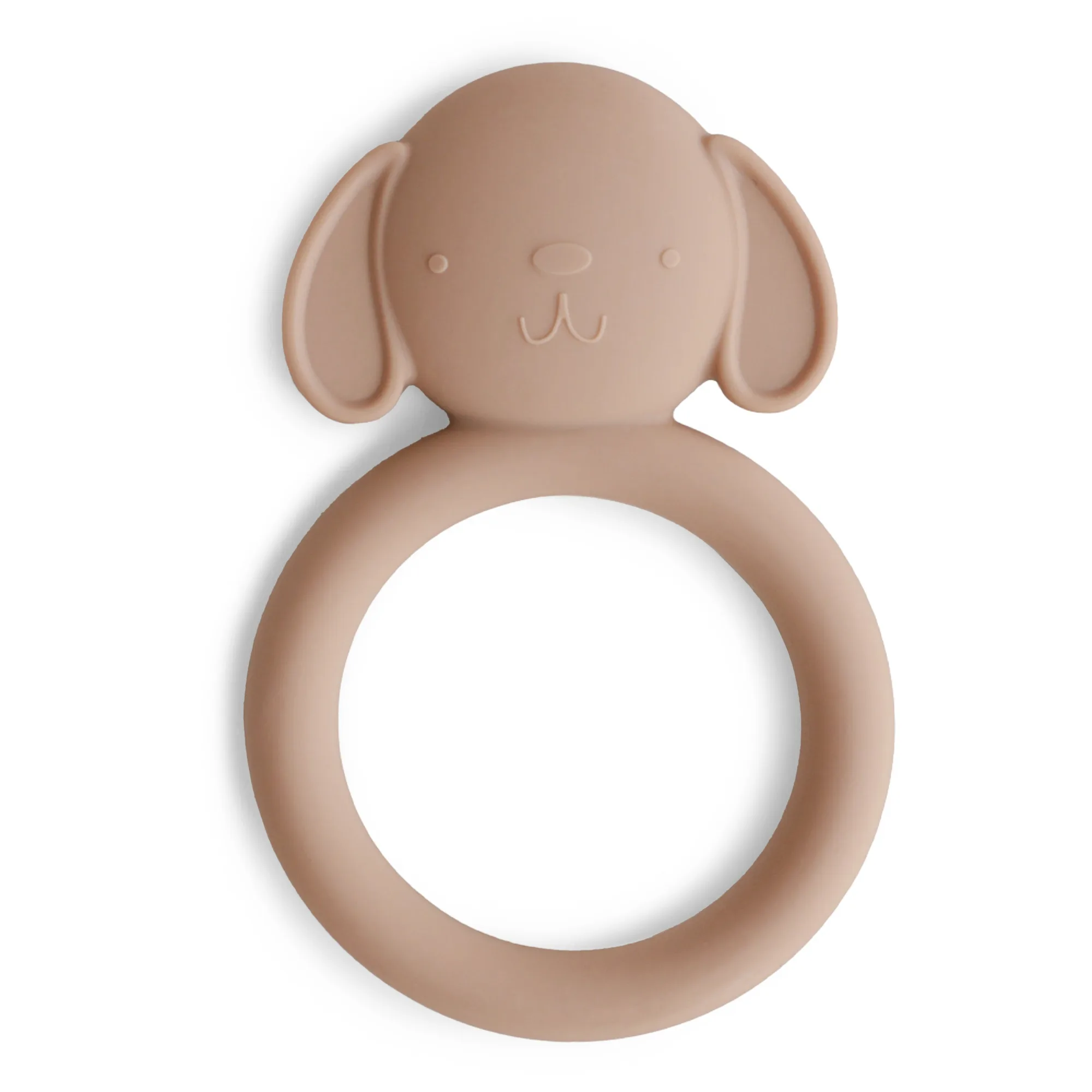
Animal Ring Teethers
- Non-porous surface resists bacteria buildup
- Heat-resistant up to 450°F (232°C)
- Soft and gentle on baby's gums
Daily Cleaning Routine for Silicone Baby Products
For everyday cleaning, warm soapy water is your best friend. Use a mild dish soap and a soft sponge or cloth to gently scrub the silicone surface. Rinse thoroughly under running water to remove any soap residue. This method works well for items like the Classic Silicone Suction Plate, which can be washed after every meal.
Most silicone products are also dishwasher safe. Place them on the top rack to avoid direct heat from the heating element. For smaller items like pacifiers or teethers, a dishwasher basket can keep them secure. Always check the manufacturer's instructions, but in general, silicone can withstand high temperatures without warping.
- Wash with warm water and mild soap after each use
- Dishwasher safe on top rack (use a basket for small items)
- Air dry completely before storing to prevent moisture
How to Sanitize Silicone Teethers and Pacifiers
Sanitizing is crucial for items that go into your baby's mouth, especially during the first year when their immune system is still developing. Boiling is one of the most effective methods. Place silicone teethers or pacifiers in a pot of boiling water for 5 minutes. Use tongs to remove them and let them cool on a clean towel.
Steam sterilizers designed for baby bottles also work well for silicone products. Simply place the items inside and run a cycle. You can also use a microwave steam bag for quick sanitizing. Avoid using bleach or harsh chemicals, as they can degrade the silicone over time. For a gentle option, the FRIGG Daisy Night Silicone Pacifier 2-Pack can be boiled or steamed without losing its shape or softness.
- Boil in water for 5 minutes (no more, to avoid damage)
- Steam sterilizers are safe and effective
- Do not use bleach or abrasive cleaners
Caring for Silicone Feeding and Bath Products
Silicone feeding plates, bowls, and utensils are designed to withstand frequent use. To prevent stains from colorful foods like tomato sauce or berries, rinse them immediately after use. If stains persist, a paste of baking soda and water can be gently rubbed on the surface, then rinsed off. The Classic Silicone Suction Plate is especially easy to clean because its smooth surface resists sticking.
Bath toys like Bath Boats are often made from silicone or a blend of materials. After bath time, squeeze out any water and let them air dry completely. Silicone does not rust or mold easily, but moisture trapped inside hollow toys can lead to mildew. For solid silicone toys, a quick wipe with a vinegar-water solution (1:1 ratio) can keep them fresh and free of soap scum.
- Rinse feeding items immediately after use to prevent stains
- Use baking soda paste for stubborn discoloration
- Dry bath toys thoroughly to avoid mildew
Common Mistakes to Avoid When Cleaning Silicone
One common mistake is using abrasive scrubbers like steel wool or rough sponges. These can scratch the silicone surface, creating tiny crevices where bacteria can hide. Instead, use a soft cloth or a non-scratch sponge. Another error is soaking silicone in bleach or alcohol for extended periods, which can cause the material to become brittle and crack.
Avoid using high heat in the oven or microwave unless the product is specifically labeled as oven-safe. Some silicone items, like teethers with internal liquid or rattles, may not be suitable for boiling or microwaving. Always read the care instructions that come with the product. For example, the Mix and Match Toy is a silicone puzzle that should be hand-washed to preserve its colors and shape.
- Never use abrasive scrubbers or harsh chemicals
- Avoid prolonged soaking in bleach or alcohol
- Check if the product is heat-safe before boiling or microwaving
Storing Silicone Baby Products Properly
Proper storage extends the life of silicone items. Keep them in a cool, dry place away from direct sunlight, as UV rays can cause silicone to yellow or degrade over time. For teethers and pacifiers, use a clean container or a dedicated pouch. The Water Resistant Wet Bag is perfect for storing wet or damp items on the go, preventing moisture from spreading to other belongings.
Avoid stacking heavy items on top of soft silicone toys, as they can become deformed. For feeding plates, stack them with a paper towel or cloth between each to prevent sticking. By following these simple storage tips, your silicone baby products will stay in excellent condition for years.
- Store away from direct sunlight
- Use a wet bag for damp items to prevent mold
- Do not stack heavy objects on soft silicone
Caring for silicone baby products is straightforward once you know the right techniques. By incorporating daily washing, periodic sanitizing, and mindful storage, you can ensure that items like the Classic Silicone Suction Plate and Rattle Teethers remain safe and functional for your little one. Explore our collection of silicone essentials to find the perfect additions to your baby care routine.