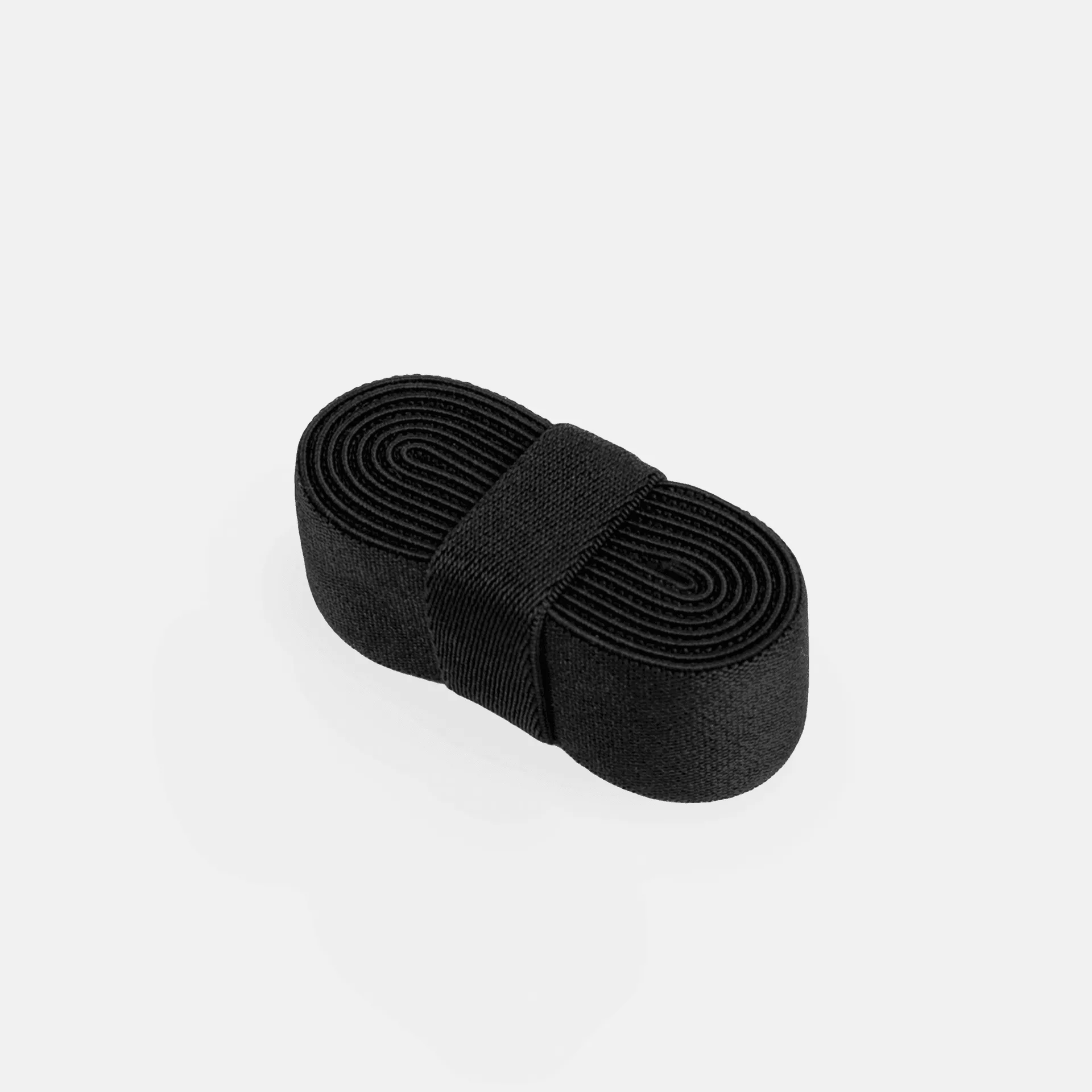
Tying shoelaces is one of those small daily tasks that most of us do on autopilot—until a lace comes undone mid-stride, or you’re rushing out the door and realize you have to bend over yet again. Enter no-tie shoelaces: a simple innovation that eliminates the need for knots and bows, saving you time, hassle, and frustration. In this comprehensive guide, we’ll explore how no-tie shoelaces work, the benefits they offer, and why they’re a must-have for athletes, parents, seniors, and anyone who values convenience.
What Are No-Tie Shoelaces?
No-tie shoelaces, also known as elastic laces or quick-lace systems, are flexible cords or straps designed to replace traditional laces. Instead of requiring you to tie a knot, they use a locking mechanism, a slip-on design, or elastic tension to secure your foot inside the shoe. Once installed, you can slip your shoes on and off without ever needing to tie them again. The most popular types include elastic round laces and flat lacing systems, both of which offer different levels of tension and customization.
How Do No-Tie Shoelaces Work?
The mechanics behind no-tie laces are surprisingly straightforward. Most systems rely on one of three principles:
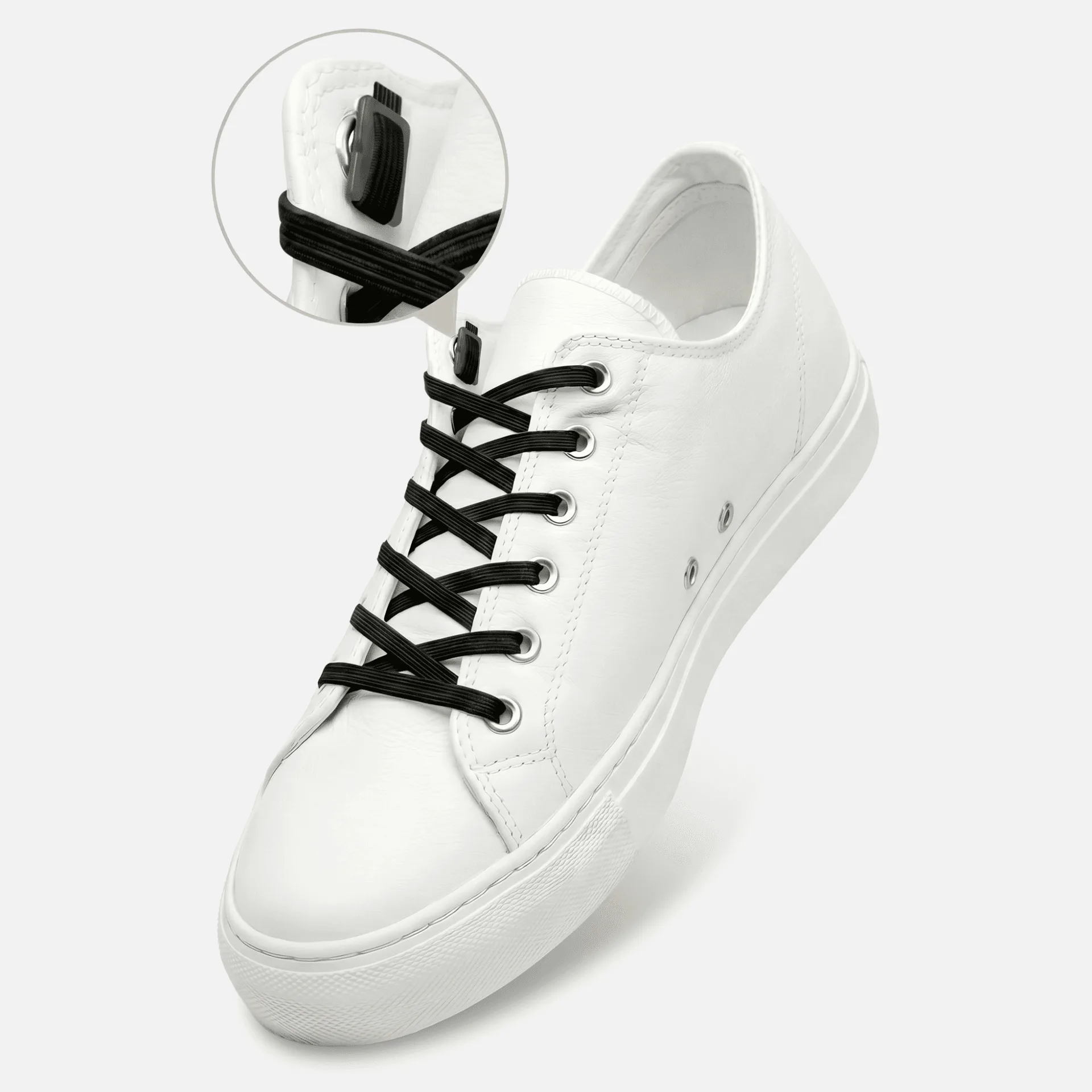
- Elastic tension: The laces are made of stretchy material that holds the shoe snugly against your foot. When you slide your foot in, the laces expand slightly, then contract to create a secure fit. For example, No-Tie Round Laces use high-quality elastic cord that provides consistent pressure without cutting off circulation.
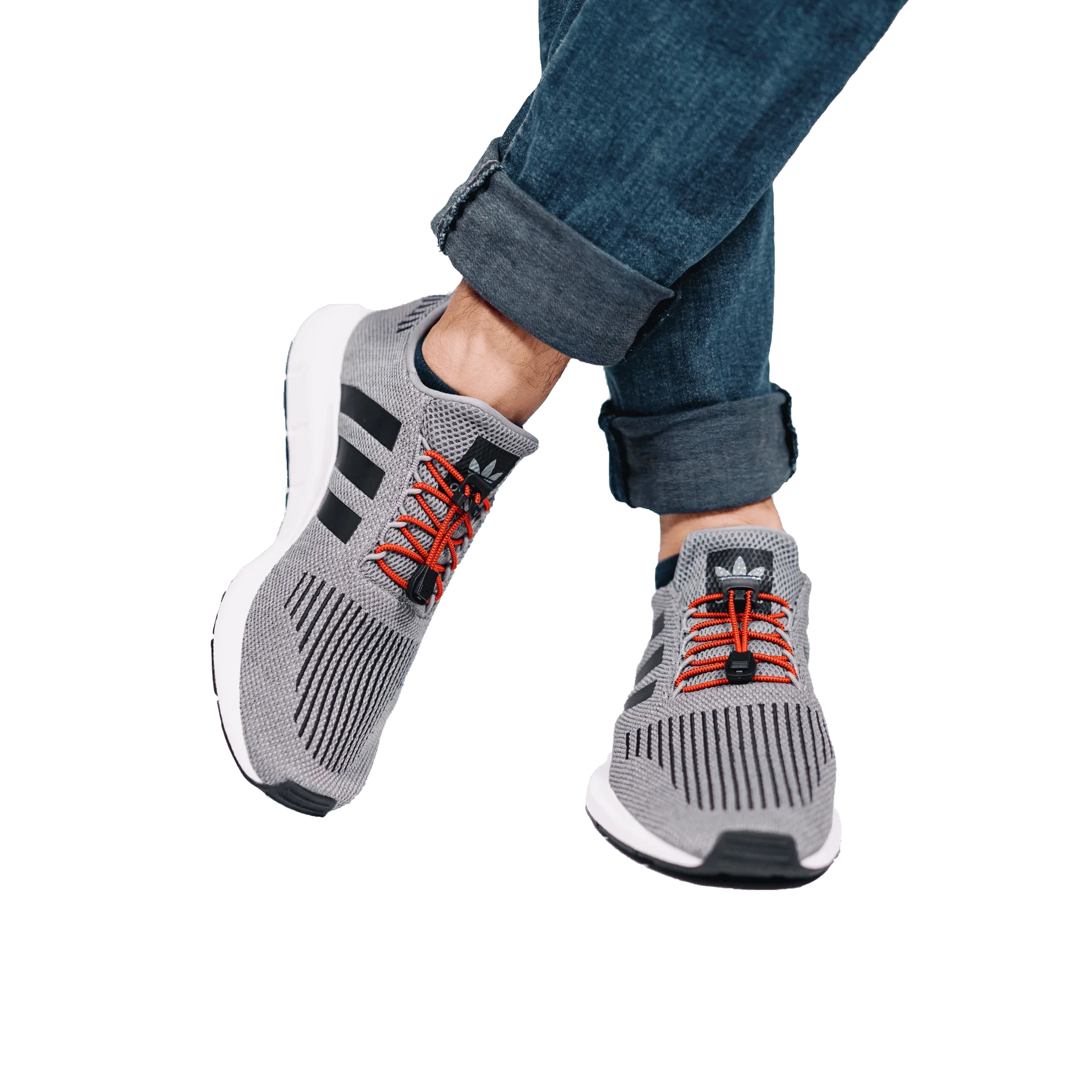
No-Tie Round Laces
- Locking devices: Some systems include a small plastic or metal lock that grips the lace at your desired tightness. Once set, the lock stays in place, so you only adjust it once.
- Slip-on design: Many flat lacing systems use a strap-and-buckle approach, where you fasten the lace at the top and let the rest of the shoe open up. This is especially popular in casual and athletic shoes.
Installation is usually simple: you thread the laces through the eyelets just like standard laces, then secure the ends with a lock or knot. The entire process takes less than five minutes.
The Benefits of No-Tie Shoelaces
Switching to no-tie laces offers a range of advantages that go beyond just saving a few seconds. Here are the top reasons to make the switch:
1. Convenience and Time Savings
Imagine never having to stop to tie your shoes again—whether you’re heading to the gym, chasing after kids, or running errands. No-tie laces let you slip into your sneakers in seconds. This is a game-changer for busy mornings and for anyone who frequently takes their shoes on and off, such as travelers or healthcare workers.
2. Improved Safety
Untied laces are a tripping hazard. Athletes, runners, and even casual walkers can benefit from laces that stay secure throughout the day. Elastic laces reduce the risk of your shoe coming loose mid-activity, which helps prevent falls and injuries.
3. Perfect for Athletes and Active Lifestyles
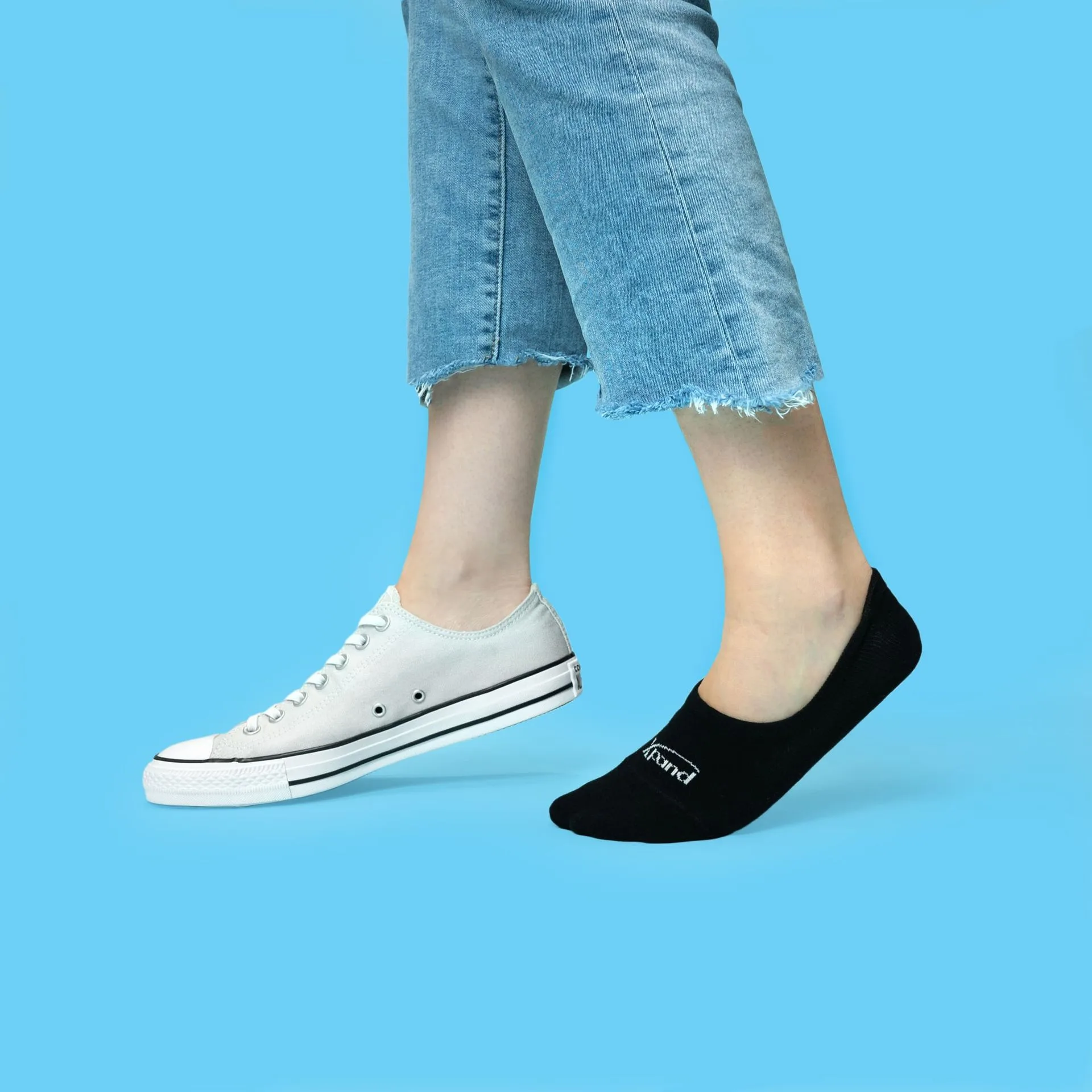
For runners, cyclists, and gym-goers, no-tie laces provide a consistent fit that doesn’t loosen during movement. Many professional athletes use them to avoid distractions during competition. Paired with the right gear—like Everyday Quarter Socks for moisture management—you get a streamlined, high-performance setup.
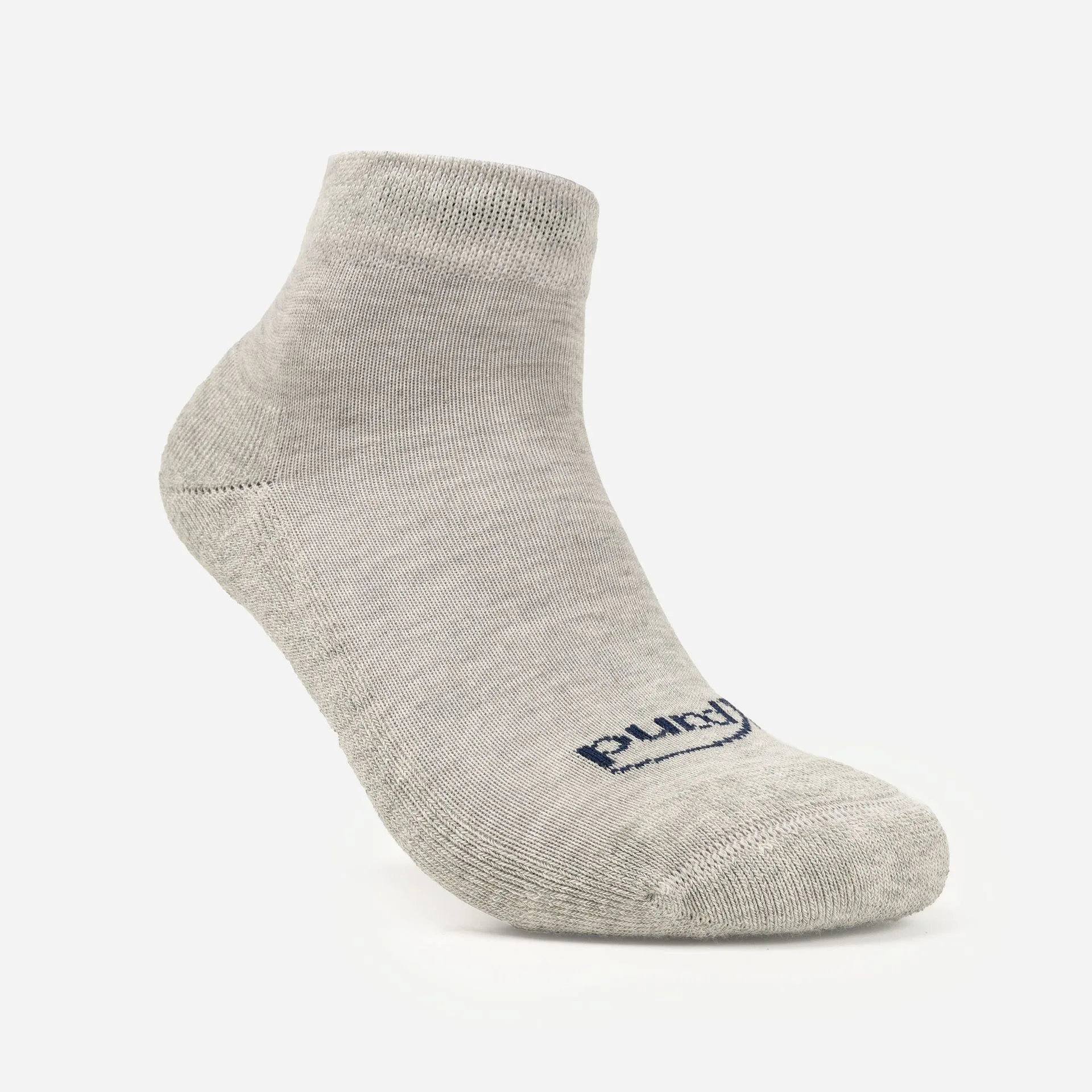
Everyday Quarter Socks
4. Accessibility and Ease of Use
For people with arthritis, back pain, or limited mobility, bending over to tie laces can be painful or impossible. No-tie laces eliminate that barrier, allowing greater independence. Elderly individuals and those with disabilities often find them life-changing.
5. Reduced Wear and Tear on Shoes
Traditional laces can fray and break over time. No-tie laces are typically made from durable, elastic materials that last longer. They also distribute tension more evenly across the shoe, which can help your footwear maintain its shape.
Types of No-Tie Laces: Which One Is Right for You?
Not all no-tie laces are created equal. Here’s a breakdown of the most common types so you can choose the best option for your needs.
Type
Best For
Key Features
Round Elastic Laces
Running, hiking, casual sneakers
Stretchy, easy to thread, works with most eyelets
Flat Lacing System
Basketball, wide feet, fashion sneakers
Wider contact area, even pressure, less slippage
Quick-Release Locks
Triathlons, speed training
Fastest on/off, adjustable tension
If you’re looking for a versatile, everyday solution, round elastic laces are a solid choice. For sports that require extra lateral support, a flat system might be better. And if you need to switch between different pairs of shoes quickly, consider a quick-release setup.
How to Install No-Tie Shoelaces
Installing no-tie laces is a simple DIY project. Here’s a step-by-step guide using the most common method:
- Remove old laces: Take out your existing laces from all eyelets.
- Thread the new laces: Starting from the bottom eyelets, thread each end through the holes, moving upward. Keep the tension even on both sides.
- Adjust for tightness: With the shoe on your foot, pull the ends to achieve your desired snugness. The laces should hold your foot comfortably without being too tight.
- Secure the ends: Most no-tie laces come with a locking clip or a simple knot. Follow the manufacturer’s instructions to lock the ends in place. For Quick-Release Lacing System Lace Ends, you simply slide the end cap onto the lace and crimp it shut.
- Trim excess: Cut any leftover lace length, leaving about an inch for adjustments later.
- Test the fit: Slip your foot in and out of the shoe a few times to make sure the laces hold firm.
That’s it! Once installed, you’ll never need to tie those shoes again.
Common Myths About No-Tie Laces
Despite their growing popularity, some misconceptions persist. Let’s clear them up.
- Myth: They don’t hold your feet securely. High-quality elastic laces provide a firm, even grip. The key is choosing the right tension for your activity.
- Myth: They’re only for casual shoes. Many athletes use them in performance footwear. With the right fit, they work for running, basketball, and even hiking.
- Myth: They look cheap. Modern no-tie laces come in a variety of colors and finishes, from matte black to reflective threads. They can enhance the look of your shoes.
- Myth: They’re hard to install. As shown above, installation takes minutes. Most brands include clear instructions.
Who Should Use No-Tie Shoelaces?
No-tie laces are for everyone, but certain groups benefit the most:
- Parents: No more wrestling with tiny toddler sneakers or retying your own laces while carrying a baby.
- Runners and athletes: Consistent fit, fewer distractions, and faster transitions.
- Seniors and people with disabilities: Greater independence and reduced physical strain.
- Travelers: Quick removal through airport security without fumbling with knots.
- Busy professionals: Save seconds that add up over the week.
Tips for Choosing the Best No-Tie Laces
When shopping for no-tie laces, keep these factors in mind:
- Material: Look for durable, UV-resistant elastic that won’t snap after a few months.
- Length: Standard laces are about 45 inches, but you may need longer for boots or high-top sneakers.
- Locking mechanism: Some prefer a simple knot, while others want a clip or buckle. Test what feels most secure.
- Color options: Match your laces to your shoes or go bold with contrast.
Conclusion
No-tie shoelaces are a small upgrade that makes a big difference in your daily life. Whether you’re an athlete looking for a performance edge, a parent seeking convenience, or someone who simply hates stopping to tie their shoes, these laces deliver. With easy installation, proven safety benefits, and a range of styles to fit any shoe, they’re a smart investment.
Ready to never tie your shoes again? Start with a pair of No-Tie Round Laces and experience the freedom of slip-in convenience. Your feet—and your schedule—will thank you.