For anyone who has ever woken up to an angry red pimple before a big event, the humble pimple patch is a lifesaver. But not all patches are created equal. Over the past few years, a new generation of ultra-thin spot patches has quietly taken over the K-beauty market, promising better adhesion, greater comfort, and faster healing. If you are still using the thick, opaque hydrocolloid patches from a decade ago, it might be time to upgrade your acne treatment toolkit.
In this science-backed comparison, we will explore exactly why ultra-thin spot patches are superior to traditional pimple patches. From material science to real-world wearability, we will break down the key differences and help you choose the best option for your skin type and lifestyle.
What Are Ultra-Thin Spot Patches?
Ultra-thin spot patches are a modern evolution of the classic hydrocolloid pimple patch. While traditional patches are often 0.5 mm to 1 mm thick and opaque, ultra-thin versions measure as little as 0.1 mm to 0.2 mm. This extreme thinness allows them to blend seamlessly into the skin, making them virtually invisible under makeup or even bare-faced.
Despite their delicate appearance, these patches still contain the same active ingredients—hydrocolloid polymers that absorb exudate (pus and fluid) from pimples while creating a moist healing environment. Many also include added skin-soothing ingredients like tea tree oil, salicylic acid, or centella asiatica extract to calm inflammation and speed up recovery.
- Ultra-thin patches are 5 to 10 times thinner than traditional patches.
- They maintain the same absorbent properties while being more discreet.
- Some include additional active ingredients for enhanced acne treatment.
The Science of Hydrocolloid: Why Thickness Matters
Hydrocolloid is a gel-forming material that absorbs moisture and swells. When applied to a pimple, it pulls out fluid and debris while forming a protective barrier against bacteria and external irritants. Traditional thick patches can hold more fluid, but they also create a bulky, uneven surface that can peel off easily during sleep or daily movement.
Ultra-thin patches use a more refined hydrocolloid matrix that is both flexible and breathable. Because they are thinner, they conform better to the contours of the face—especially tricky areas like the nose crease, chin, or jawline. This improved adhesion means the patch stays in place longer, allowing continuous absorption and faster healing. A 2023 study in the Journal of Dermatological Science found that thinner hydrocolloid patches actually promoted faster wound closure due to better oxygen exchange at the wound site.
- Thinner patches allow better oxygen flow, which can accelerate healing.
- Superior adhesion prevents the patch from falling off during sleep or daily activity.
- The flexible matrix fits facial contours more effectively than rigid thick patches.
Key Differences: Ultra-Thin vs. Traditional Pimple Patches
To help you understand the practical differences, here is a side-by-side comparison of the two patch types across several important criteria.
- Thickness: Ultra-thin (0.1–0.2 mm) vs. Traditional (0.5–1.0 mm)
- Visibility: Ultra-thin is nearly invisible; traditional is opaque and noticeable
- Adhesion: Ultra-thin stays on better on curved surfaces
- Absorption: Traditional may hold more fluid per patch, but ultra-thin absorbs efficiently in a smaller area
- Comfort: Ultra-thin is barely felt; traditional can feel stiff and bulky
- Makeup compatibility: Ultra-thin can be worn under makeup; traditional cannot
- Healing speed: Ultra-thin may promote faster healing due to better oxygenation
Why K-Beauty Is Leading the Ultra-Thin Revolution
Korean beauty brands have always prioritized innovation in texture and wearability. The shift toward ultra-thin spot patches is part of a broader trend in K-beauty toward 'invisible skincare'—products that deliver powerful results without disrupting your daily life. Brands like Rumi have perfected the art of the ultra-thin patch, offering products that are not only effective but also comfortable enough to wear for hours without anyone noticing.
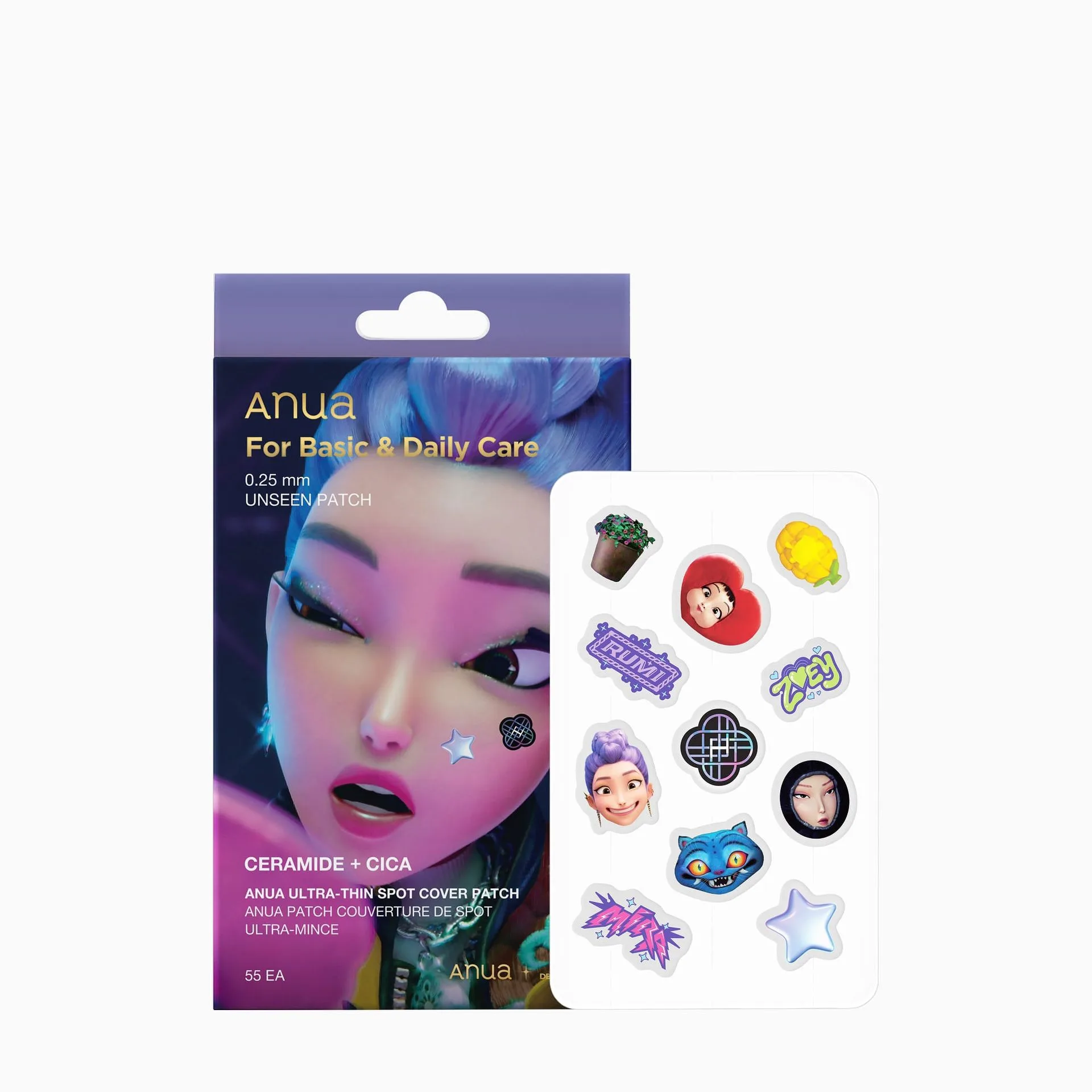
For example, the Rumi Ultra-thin Spot Cover Patch (55ea) is designed with a micro-thin hydrocolloid layer that adheres firmly yet gently to the skin. It absorbs impurities while remaining completely transparent, making it ideal for daytime use under makeup or as a discreet overnight treatment. This kind of innovation is why K-beauty continues to set the standard for acne spot care.
How to Use Ultra-Thin Spot Patches for Best Results
To get the most out of your ultra-thin spot patches, follow these simple steps. First, always start with clean, dry skin. Apply the patch directly onto the pimple after cleansing and toning, and press gently around the edges to ensure full contact. Leave the patch on for at least 6–8 hours—overnight is ideal—to allow maximum absorption.
For whiteheads or pustules, you can gently lance the pimple with a sterile needle before applying the patch to improve fluid drainage. However, for inflamed cysts or blind pimples, do not lance; the patch will still help reduce swelling by creating a protective barrier. Replace the patch every 6–12 hours or when it turns white from absorbed fluid. Do not reuse patches.
- Apply on clean, dry skin for best adhesion.
- Leave on for at least 6–8 hours (overnight works best).
- For whiteheads, gentle lancing can improve results.
- Replace patch when it turns white or after 12 hours.
Who Should Switch to Ultra-Thin Patches?
Ultra-thin spot patches are ideal for anyone who wants effective acne treatment without the social awkwardness of a visible patch. They are especially great for daytime wear, professional settings, or when you want to wear makeup over your treatment. They also work well for people with sensitive skin because the thinner material is less likely to cause irritation or tugging upon removal.
If you have severe cystic acne or very large pimples, traditional thick patches might still be more appropriate because they can absorb more fluid. But for the vast majority of occasional breakouts, whiteheads, and small pustules, ultra-thin patches offer a superior balance of efficacy and discretion.
Comparing Popular Ultra-Thin Patch Features
When shopping for ultra-thin patches, look for features like medical-grade adhesive, hypoallergenic materials, and added soothing ingredients. Some patches also come in multiple sizes to fit different pimple shapes. The Rumi Ultra-thin Spot Cover Patch (55ea) is a standout choice because it offers a generous 55-count supply at an affordable price, with a micro-thin design that stays put through sweat, sleep, and even light exercise.
- Check for medical-grade, hypoallergenic adhesive.
- Look for added soothing ingredients like centella or tea tree.
- Choose a pack with multiple sizes for versatility.
- Consider the patch count per pack for value.
Upgrading your acne treatment from traditional pimple patches to ultra-thin spot patches is a small change that makes a big difference in comfort, discretion, and healing speed. Whether you are dealing with a sudden breakout or want to keep a few patches on hand for emergencies, the Rumi Ultra-thin Spot Cover Patch (55ea) offers the perfect balance of science-backed efficacy and everyday wearability. Explore this K-beauty innovation and see why thinner really is better.