Noodles are a staple in kitchens around the world, but achieving the perfect texture can be a challenge. Whether you prefer chewy, soft, or al dente noodles, understanding the characteristics of different noodle types is key to cooking them right. This guide will help you identify common noodle varieties and provide cooking tips to elevate your noodle game.
From thin rice noodles to thick wheat noodles, each type has unique properties that affect cooking time and final texture. By mastering these basics, you can consistently create delicious noodle dishes at home. Let's dive into the world of noodle texture and learn how to cook them to perfection.
Why Noodle Texture Matters
Noodle texture is not just about personal preference—it directly impacts the overall eating experience. A well-cooked noodle absorbs sauce better, holds its shape in soups, and provides satisfying mouthfeel. Overcooked noodles become mushy and fall apart, while undercooked ones are hard and unappetizing.
Different cuisines have different texture ideals. For example, Chinese noodles often aim for a springy, chewy bite, while Japanese ramen noodles are typically firm and elastic. Italian pasta is cooked al dente, meaning it offers slight resistance when bitten. Understanding these cultural nuances helps you choose the right noodle for your recipe.
- Texture affects sauce adhesion and overall dish quality.
- Cultural preferences guide ideal noodle doneness.
Common Noodle Types and Their Textures
Wheat noodles are the most versatile and come in many forms. Thin wheat noodles, like Tainan Thin Noodles - Original Flavor, cook quickly and have a delicate, slightly chewy texture. They are ideal for light broths or stir-fries. Wide wheat noodles, such as Hakka Wide Noodles - Original Flavor, offer a broader surface area that holds thick sauces and provides a satisfying, hearty chew.
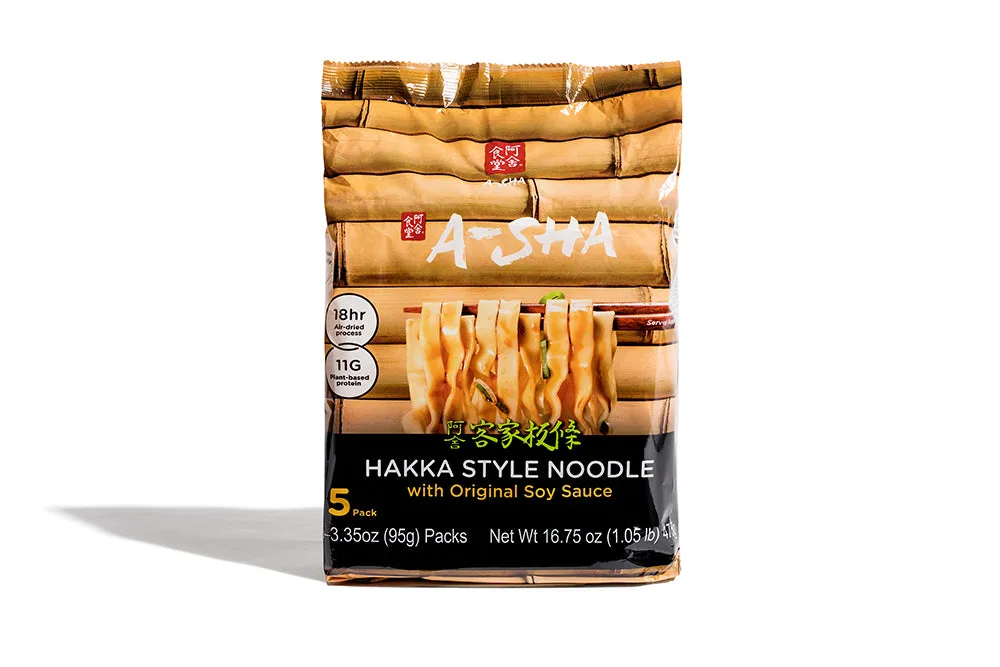
Hakka Wide Noodles - Original Flavor
Rice noodles are gluten-free and range from thin vermicelli to wide flat noodles. They have a soft, slippery texture when cooked properly and are commonly used in Pad Thai or Vietnamese pho. Egg noodles contain eggs, giving them a richer flavor and firmer, more elastic texture. They are excellent in soups like chicken noodle soup.
- Thin wheat noodles: delicate, quick-cooking, chewy.
- Wide wheat noodles: hearty, sauce-absorbing, chewy.
- Rice noodles: soft, slippery, gluten-free.
- Egg noodles: rich, firm, elastic.
Cooking Tips for Perfect Noodle Texture
Always use a large pot with plenty of boiling water. This prevents noodles from sticking together and ensures even cooking. Salt the water generously—about 1 tablespoon per gallon—to season the noodles from within. Stir occasionally to separate strands.
Cook noodles according to package directions but start checking for doneness a minute or two before the recommended time. For al dente noodles, the center should have a tiny white core when bitten. Drain immediately and rinse with cold water if using in cold dishes or stir-fries to stop cooking. For soups, you can add noodles directly to the broth in the last few minutes of cooking.
- Use a large pot with salted boiling water.
- Check doneness early to avoid overcooking.
- Rinse with cold water for cold dishes or stir-fries.
- Add noodles to soup broth in the final minutes.
How to Identify Noodle Varieties by Appearance
Thin noodles like angel hair or thin wheat noodles are fine and cook in 2-3 minutes. They are best for light sauces or soups. Medium noodles, such as spaghetti or ramen, are round or square and cook in 4-6 minutes. They pair well with hearty sauces or broths.
Flat noodles like fettuccine or wide rice noodles have a broad shape and cook in 6-8 minutes. They are excellent for creamy sauces or stir-fries. Specialty noodles, like soba or udon, have distinct textures—soba is nutty and slightly firm, while udon is thick, soft, and chewy. Recognizing these shapes helps you choose the right noodle for your dish.
- Thin noodles: fine, quick-cooking, for light sauces.
- Medium noodles: round/square, versatile, for hearty sauces.
- Flat noodles: broad, for creamy sauces or stir-fries.
- Specialty noodles: soba (firm), udon (thick and chewy).
Exploring A-Sha's Noodle Range for Texture Variety
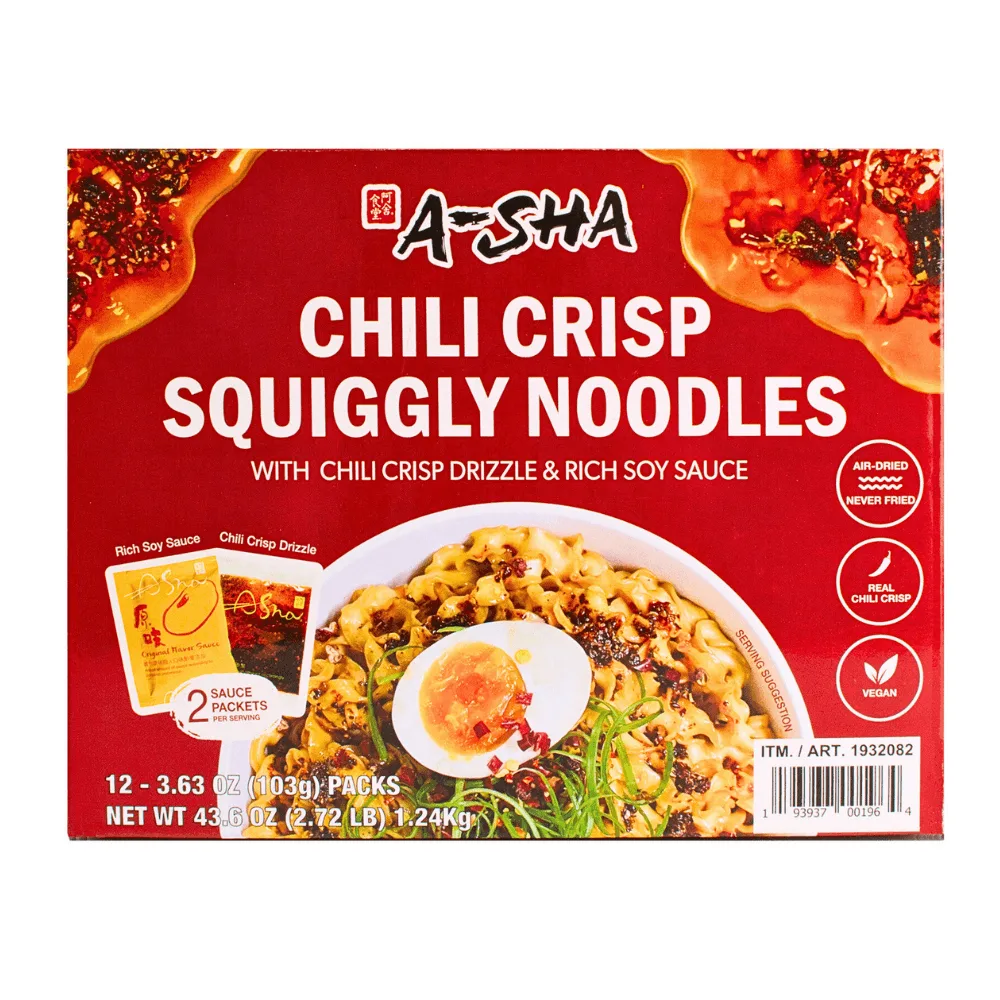
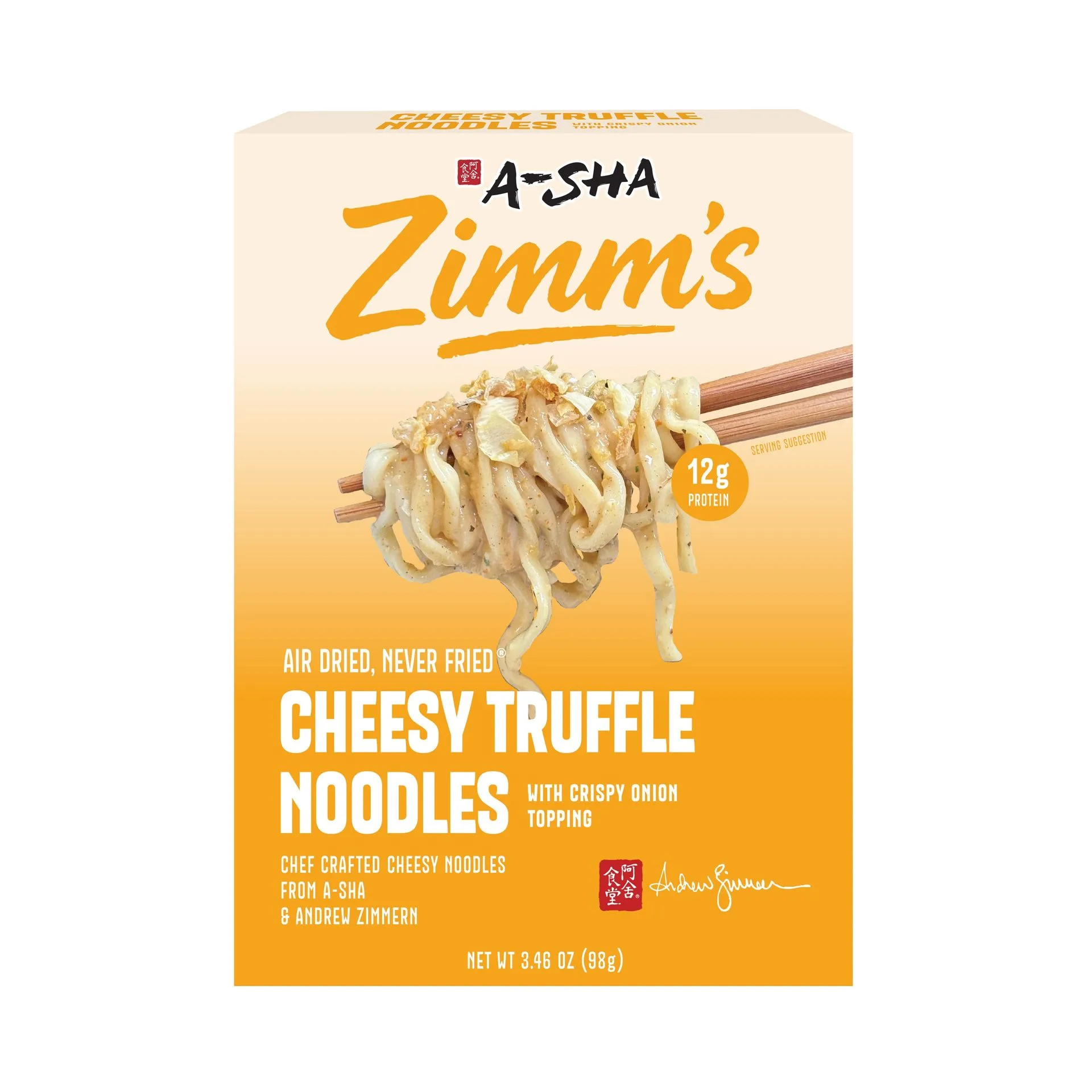
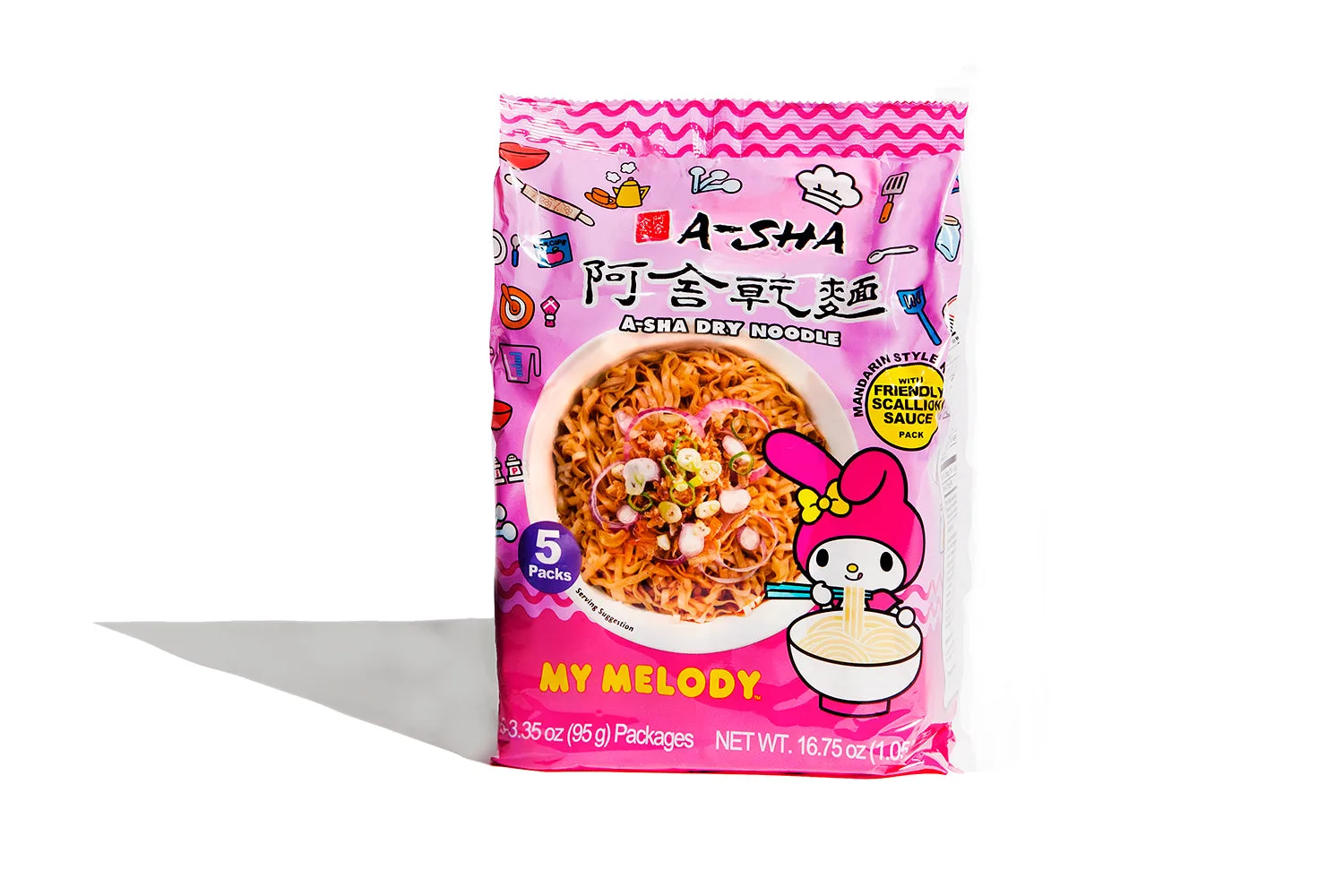
A-Sha Foods USA offers a diverse selection of noodles that cater to different texture preferences. For a classic, delicate chew, try Tainan Thin Noodles - Original Flavor, which are perfect for light broths or simple soy-based sauces. If you prefer a bolder, thicker noodle that stands up to rich sauces, Hakka Wide Noodles - Original Flavor delivers a hearty bite.
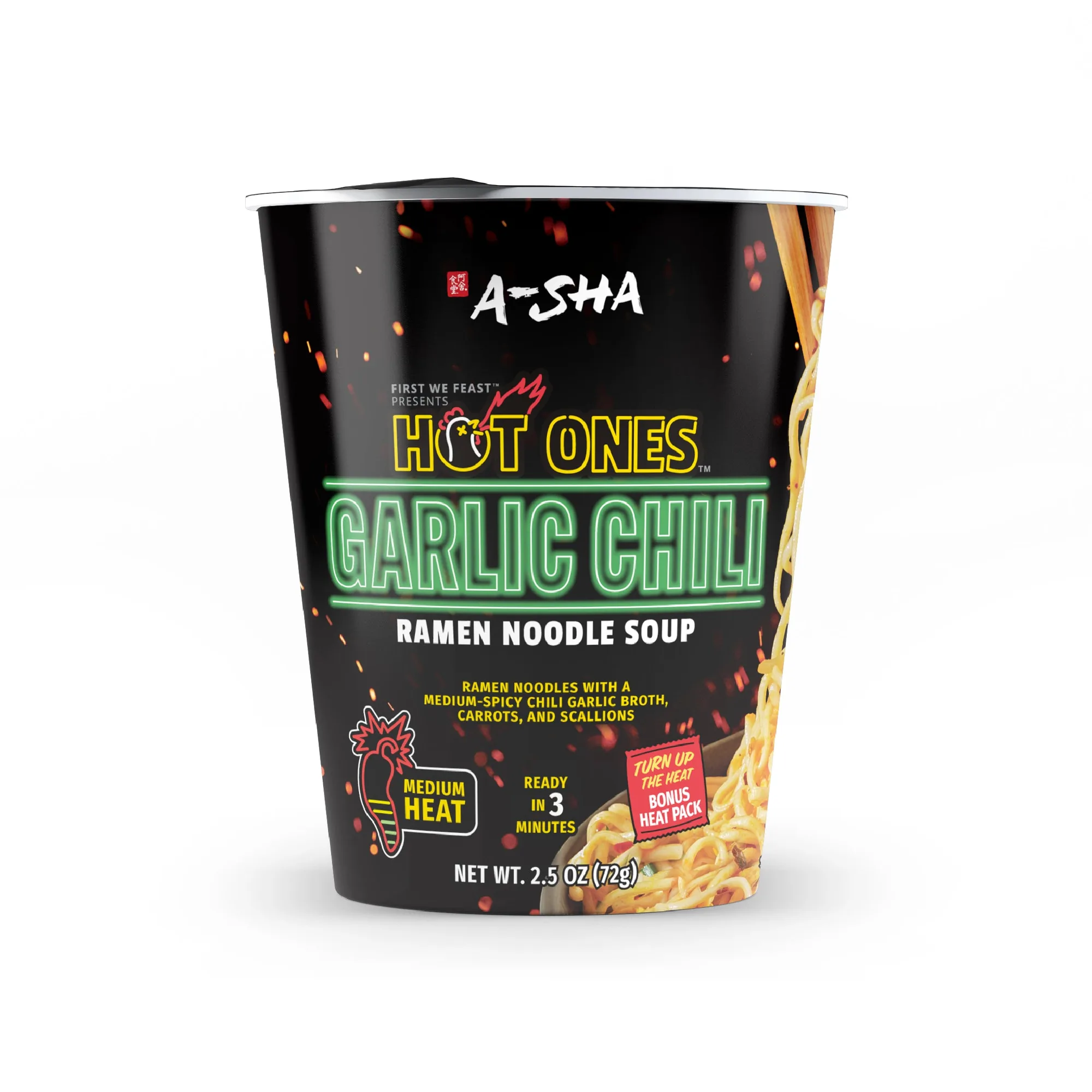
For those who enjoy a spicy kick with their noodles, Prince Katsu Hot 'N Spicy Noodle Soup combines a firm noodle texture with fiery broth. The A-Sha x Hot Ones Smoky Chili Noodles offer a unique smoky heat with a satisfying chew. Each product is crafted to provide a specific texture experience, so you can experiment and find your favorite.
- Tainan Thin Noodles: delicate, quick-cooking, ideal for light dishes.
- Hakka Wide Noodles: thick, chewy, perfect for hearty sauces.
- Prince Katsu Hot 'N Spicy: firm noodles with spicy broth.
- A-Sha x Hot Ones Smoky Chili: smoky heat with satisfying chew.
Common Mistakes to Avoid When Cooking Noodles
One common mistake is not using enough water, which causes noodles to clump and cook unevenly. Another is adding oil to the cooking water—while it prevents sticking, it also prevents sauce from adhering to the noodles later. Instead, stir occasionally and rinse if needed.
Overcooking is the biggest texture killer. Always set a timer and taste test frequently. Also, avoid rinsing noodles if you plan to serve them in a hot soup, as this removes starch that helps thicken the broth. For cold noodle salads, rinsing is essential to cool them down and remove excess starch.
- Use ample water to prevent clumping.
- Do not add oil to cooking water.
- Taste test frequently to avoid overcooking.
- Rinse only for cold dishes, not for hot soups.
Mastering noodle texture opens up a world of culinary possibilities. By understanding the characteristics of different noodle types and following these cooking tips, you can create restaurant-quality dishes at home. Explore A-Sha Foods USA's range of noodles to find the perfect texture for your next meal. Start with Tainan Thin Noodles - Original Flavor for a delicate, authentic taste that pairs beautifully with your favorite sauces and toppings.