Shopping for a new vibrator can feel overwhelming when you're faced with terms like 'rumbly,' 'buzzy,' 'decibel rating,' and 'motor type.' Two of the most important factors that directly impact your experience are motor strength and noise levels. A vibrator that's too loud can ruin a romantic mood or make solo play feel less private, while one that's too weak might leave you frustrated. This guide breaks down everything you need to know to choose a vibrator with the perfect balance of power and discretion.
Whether you're a first-time buyer or a seasoned collector, understanding how motor strength relates to noise will help you make a smarter purchase. We'll explore the science behind vibration, compare different motor technologies, and give you practical tips for evaluating a toy before you buy. By the end, you'll feel confident selecting a vibrator that delivers the intensity you crave without broadcasting your business to the neighbors.
Understanding Vibrator Motor Strength: Rumbly vs. Buzzy
Motor strength in vibrators is often described as either 'rumbly' or 'buzzy.' Rumbly vibrations are deep and penetrating, traveling through the entire toy and into your body. They tend to feel more satisfying and can stimulate larger areas or deeper tissues. Buzzy vibrations are higher-pitched and more surface-level, often feeling ticklish or numbing after prolonged use. Most people prefer rumbly motors because they provide more intense, pleasurable sensations without causing overstimulation.
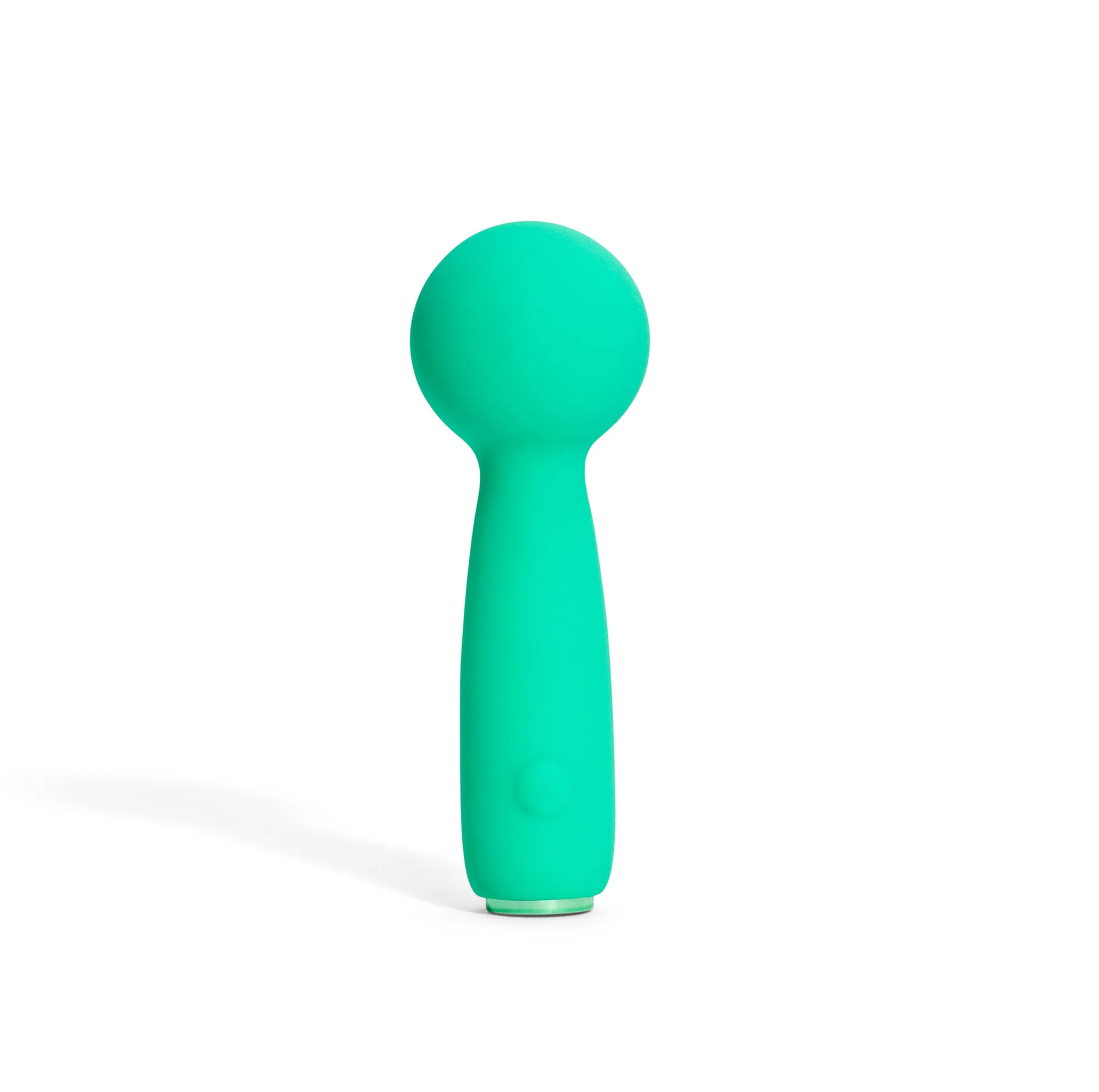
The type of motor used determines whether a vibrator is rumbly or buzzy. Premium vibrators typically use weighted eccentric rotating mass (ERM) motors, which produce deeper vibrations. Cheaper toys often rely on small, high-frequency motors that buzz. When shopping, look for terms like 'deep rumbling' or 'powerful motor' in product descriptions. For example, the Bandit is known for its surprisingly rumbly motor despite its compact size, making it a favorite for targeted clitoral stimulation.
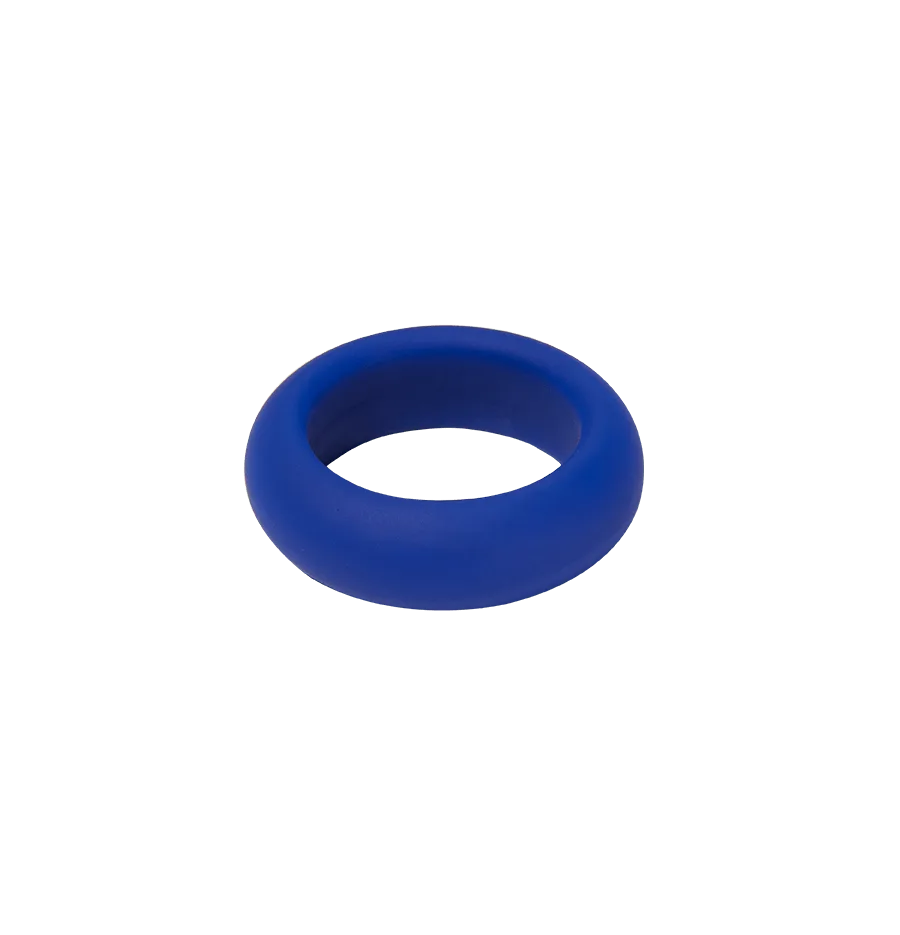
Bandit
- Rumbly motors: deeper, more penetrating, less numbing, better for clitoral and G-spot stimulation.
- Buzzy motors: surface-level, can cause numbness, often found in budget toys.
- Check product reviews for real-world descriptions of motor feel.
Decibel Ratings: How Loud Is Too Loud?
Vibrator noise is measured in decibels (dB). For reference, a whisper is around 30 dB, normal conversation is 60 dB, and a vacuum cleaner is about 70 dB. Most quiet vibrators operate between 40 and 55 dB, which is comparable to a soft conversation or a humming refrigerator. Louder toys can reach 60-70 dB, which may be audible through doors or walls in a quiet house.
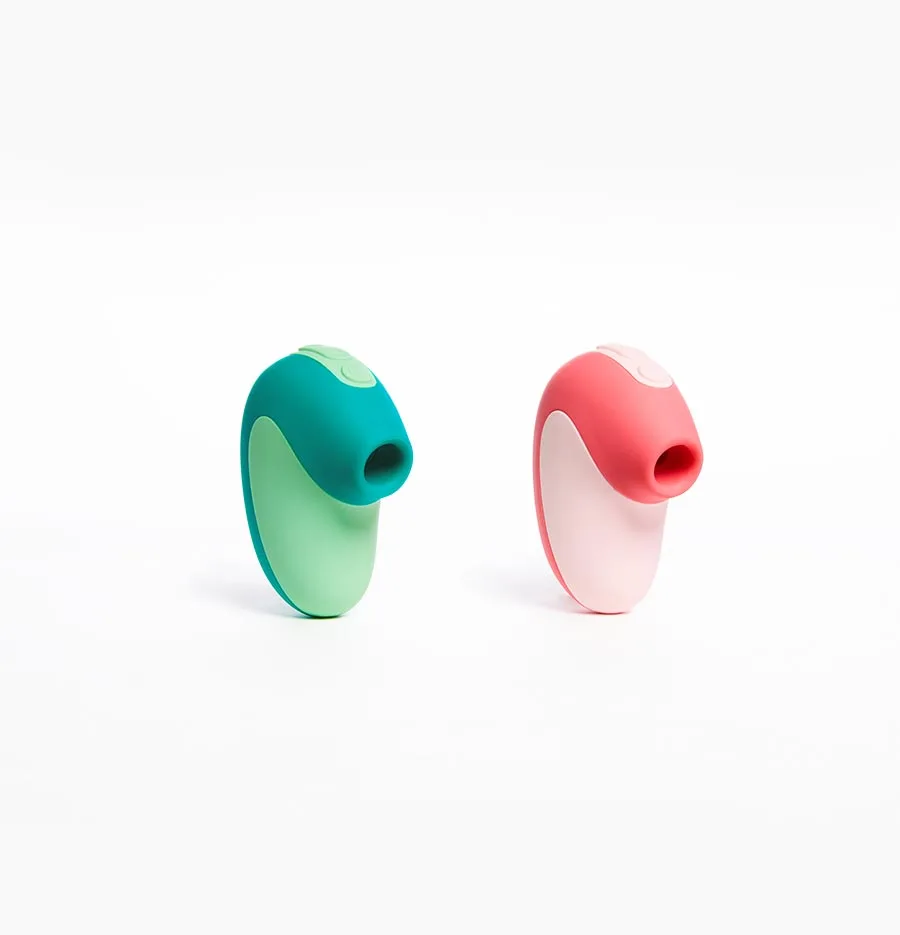
If discretion is a priority, look for vibrators specifically marketed as 'whisper-quiet' or 'low noise.' Many modern toys use advanced motor technology to minimize sound without sacrificing power. The Sucker Punch, for instance, combines a powerful air-pulse motor with surprisingly low noise levels, making it ideal for shared living spaces. Always check user reviews for real-world noise assessments, as manufacturer claims can vary.
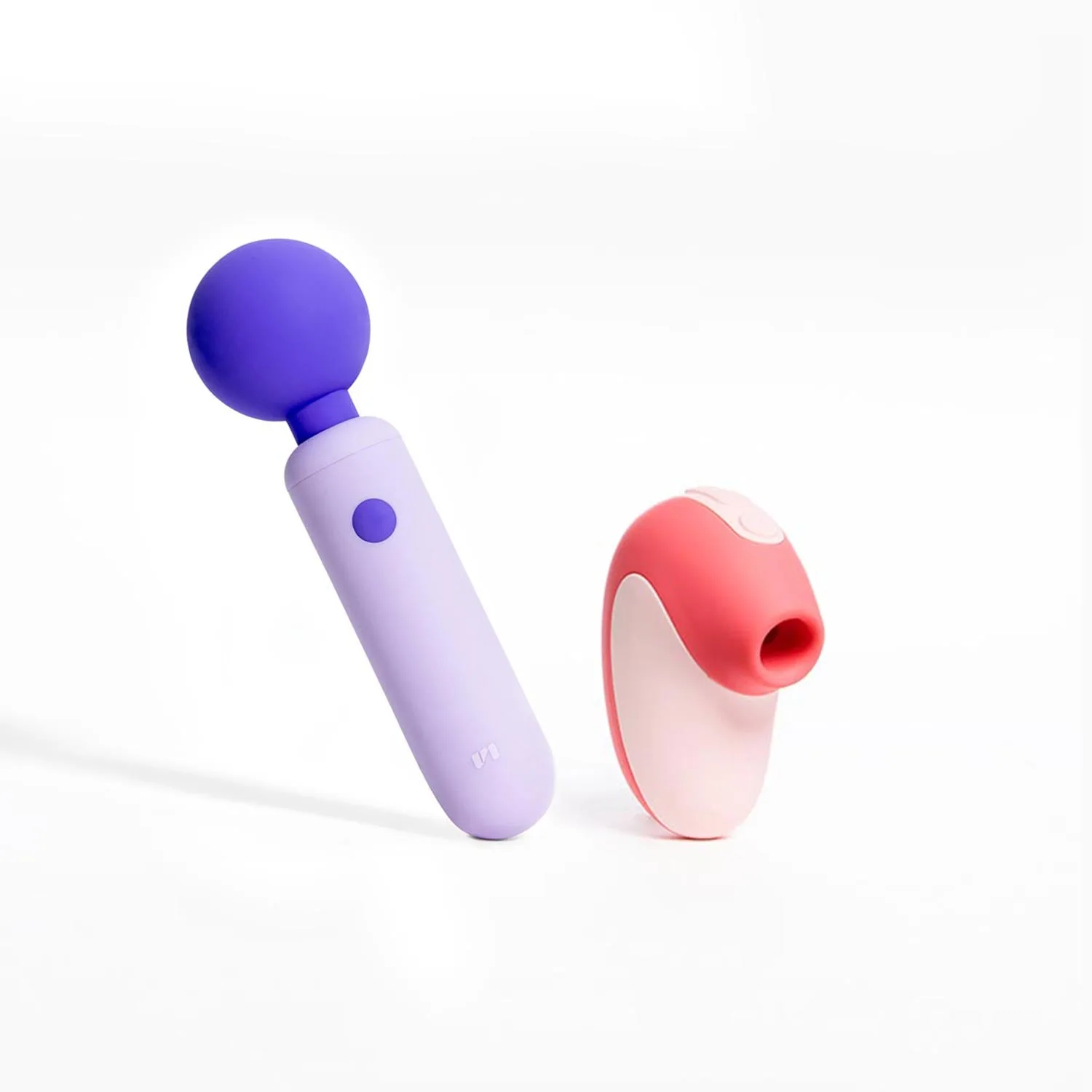
Sucker Punch
- 40-50 dB: very quiet, suitable for shared walls or roommates.
- 50-60 dB: moderate, may be heard in very quiet rooms.
- 60+ dB: loud, likely audible through doors.
Motor Types and Their Impact on Noise
The type of motor inside a vibrator directly affects both strength and noise. There are three main types: eccentric rotating mass (ERM), linear resonant actuators (LRA), and piezoelectric motors. ERM motors are the most common in vibrators and produce rumbly vibrations, but they can be noisier if not well-constructed. LRA motors are newer and offer very precise, quiet vibrations, often found in high-end toys. Piezoelectric motors are used in air-pulse stimulators like the Sucker Punch and are nearly silent.
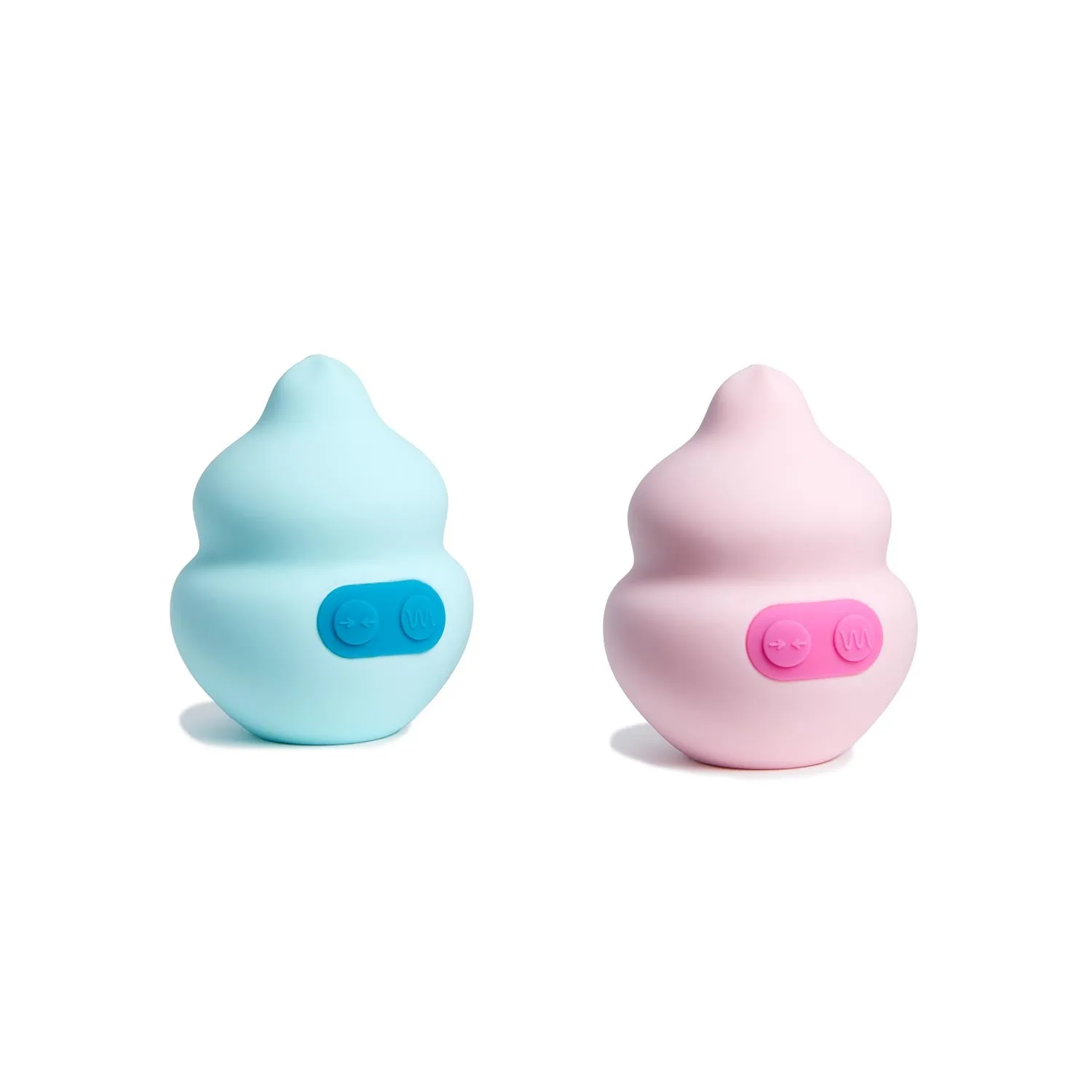
Build quality also matters. A vibrator with a solid, well-sealed body will dampen motor noise significantly. Cheaper toys with loose components or thin plastic shells tend to rattle and amplify sound. When choosing a vibrator, consider the materials and construction. Silicone bodies with internal weight and tight seals help reduce noise. The Bean is a great example of a small vibrator that packs a quiet punch thanks to its high-quality silicone casing and efficient motor.
- ERM motors: rumbly but can be noisy; look for well-sealed designs.
- LRA motors: quiet and precise, often in luxury toys.
- Piezoelectric motors: nearly silent, used in air-pulse stimulators.
Balancing Power and Discretion: Tips for Choosing
Finding the sweet spot between motor strength and noise level depends on your personal needs. If you live alone and prioritize intense sensations, a powerful but slightly louder vibrator might be fine. If you share a home or thin walls, a quieter toy with adjustable speeds lets you dial down the power (and noise) when needed. Many modern vibrators offer multiple intensity levels, so you can start low and increase gradually.
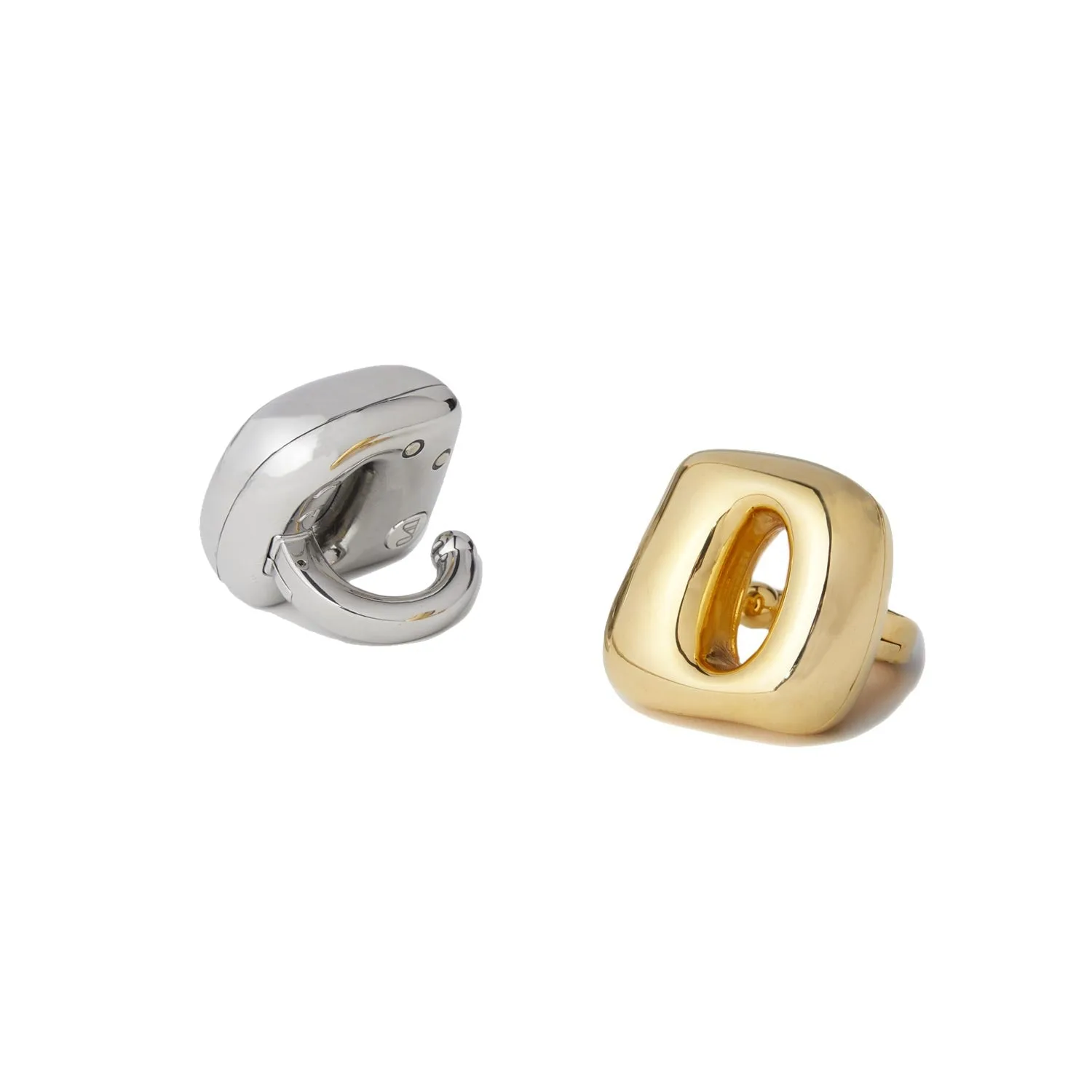
Another tip is to consider the vibrator's intended use. For solo play, you might be more tolerant of noise, but for partnered use, a quiet toy can keep the mood intimate. External clitoral vibrators often have more focused motors that can be quieter than larger internal toys. The Tether is a versatile vibrator that offers both rumbly deep vibrations and a surprisingly quiet operation, making it a great all-around choice for both solo and partnered play.
- Consider your living situation: shared walls, roommates, or thin doors.
- Look for adjustable speeds to control both power and noise.
- Read user reviews specifically about noise levels in real-world settings.
Choosing the right vibrator means finding a balance between the motor strength that satisfies you and a noise level that keeps your play private. By understanding the difference between rumbly and buzzy motors, checking decibel ratings, and considering build quality, you can make an informed decision. Explore the Tether for a powerful yet whisper-quiet experience that delivers deep vibrations without drawing attention.