In the world of modern kitchen design and functionality, few materials have gained as much traction as acacia wood. Known for its striking grain patterns, exceptional hardness, and natural resistance to moisture, acacia has become a favorite among home cooks, interior designers, and sustainability advocates alike. Whether you're prepping ingredients for a weeknight dinner or presenting a charcuterie board at a gathering, acacia wood offers a perfect blend of form and function.
But what exactly makes acacia wood stand out from other popular woods like teak, bamboo, or walnut? In this article, we'll explore the unique properties of acacia, its environmental benefits, and why it's a smart investment for anyone looking to elevate their kitchen prep and serving game. We'll also highlight some must-have acacia pieces from Material that combine craftsmanship with everyday usability.
The Unique Properties of Acacia Wood
Acacia wood is renowned for its density and hardness—often scoring higher on the Janka hardness scale than many other domestic and exotic hardwoods. This makes it incredibly durable and resistant to scratches, dents, and everyday wear. For kitchen tools like cutting boards and serving platters, this resilience means they can withstand heavy use without showing significant damage.
Another standout feature is acacia's natural water resistance. The wood contains high levels of natural oils that help repel moisture, reducing the risk of warping, cracking, or absorbing food odors. This is particularly valuable for kitchen items that come into frequent contact with liquids, such as cheese boards, salad bowls, or prep boards. When properly maintained with periodic oiling, acacia pieces can last for decades.
- Look for acacia boards with a smooth, sanded finish to avoid splinters and ensure food-safe surfaces.
Acacia vs. Teak: Which Wood is Right for Your Kitchen?
Teak has long been considered the gold standard for outdoor furniture and kitchenware due to its high oil content and weather resistance. However, acacia offers a compelling alternative at a more accessible price point. While teak is slightly more water-resistant, acacia is harder and more impact-resistant, making it better suited for heavy chopping and daily prep tasks.
From an aesthetic standpoint, acacia features a richer, more varied color palette—ranging from golden amber to deep chocolate brown—with striking grain patterns that add visual interest to any tabletop. Teak tends to be more uniform in color, which some may prefer for a minimalist look. Ultimately, the choice comes down to your priorities: if you value durability and unique beauty, acacia is an excellent choice.
- Acacia is generally more affordable than teak, making it a budget-friendly sustainable option.
Sustainable Sourcing: Why Acacia is an Eco-Friendly Choice
Sustainability is a growing concern for modern consumers, and acacia wood offers several environmental advantages. Acacia trees grow quickly—often reaching harvestable size in just 10–15 years—compared to slower-growing hardwoods like oak or walnut. This rapid growth cycle allows for responsible harvesting without depleting natural forests.
Many acacia plantations are managed under sustainable forestry practices, including replanting and biodiversity conservation. Additionally, acacia wood is biodegradable and free from synthetic chemicals when sourced from reputable suppliers. By choosing acacia kitchenware, you're supporting a renewable resource that has a lower carbon footprint than plastic or metal alternatives.
- Look for certifications like FSC (Forest Stewardship Council) to ensure your acacia products come from responsibly managed forests.
Versatility in Prep and Serving: From Cutting Boards to Platters
One of the greatest strengths of acacia wood is its versatility. A single acacia board can serve as a cutting surface for vegetables, a serving platter for cheeses and charcuterie, or even a rustic breadboard. The natural antimicrobial properties of wood also make it a hygienic choice—studies have shown that wood surfaces can actually reduce bacteria compared to plastic.
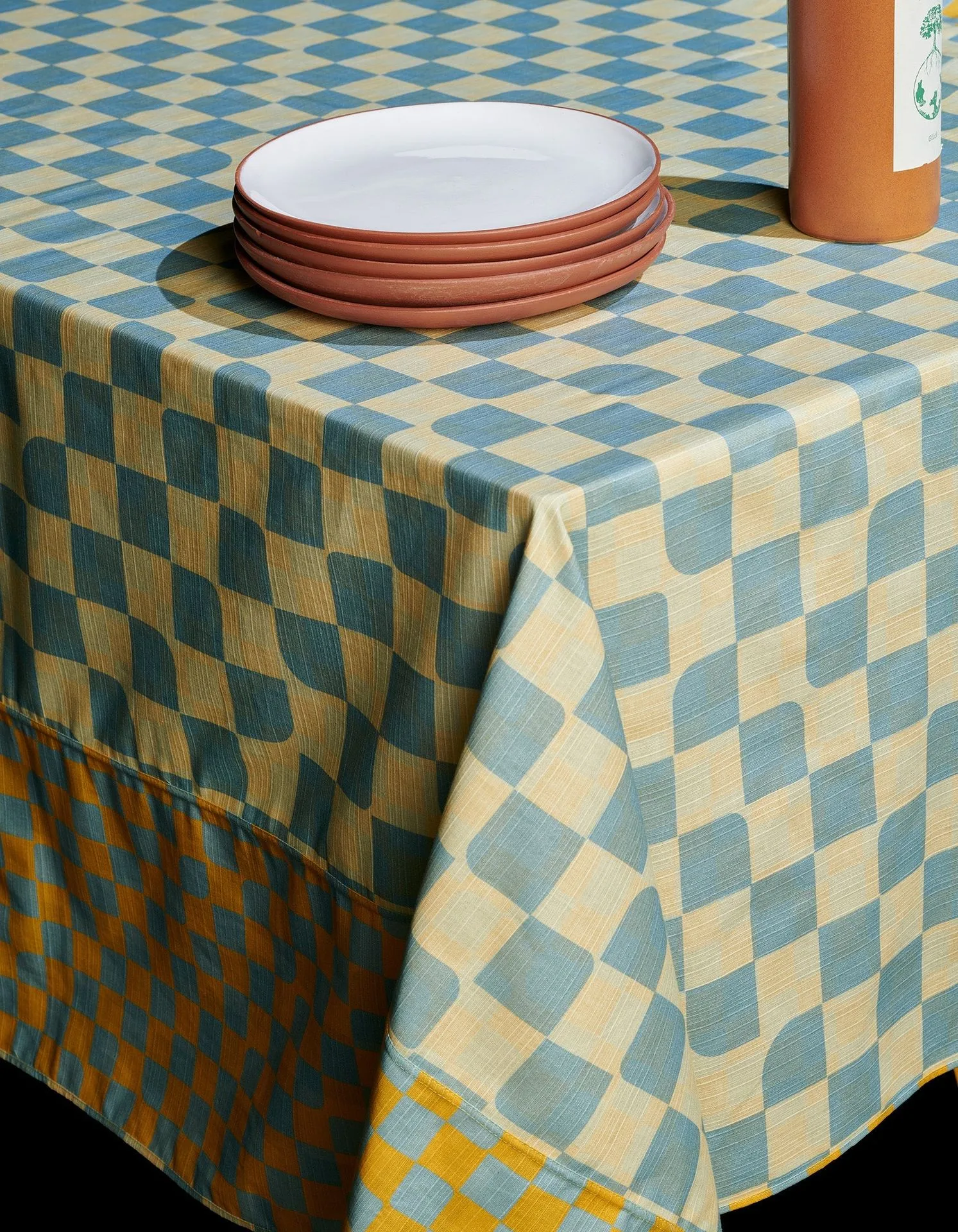
For those who love hosting, acacia serving boards are a stunning way to present appetizers, desserts, or main courses. Their warm tones complement a wide range of dinnerware and linens, from minimalist white plates to colorful ceramic bowls. To complete your table setting, consider pairing your acacia board with coordinating dinner napkins or a simple bread plate for a cohesive look.
- For a complete prep-to-table experience, try using a large acacia board for both chopping and serving.
Caring for Your Acacia Kitchenware: Tips for Longevity
Proper care is essential to maintain the beauty and functionality of your acacia pieces. Always hand wash with mild soap and warm water—never put acacia in the dishwasher, as the heat and moisture can cause warping. Dry immediately with a soft cloth to prevent water spots.
To keep the wood hydrated and prevent cracking, apply a food-safe mineral oil or beeswax conditioner every few months. This simple routine will restore the wood's natural luster and extend its lifespan. Avoid leaving acacia boards in direct sunlight for extended periods, as UV exposure can fade the rich colors over time.
- Use a dedicated cutting board oil, not vegetable or olive oil, which can go rancid and create unpleasant odors.
Top Acacia Picks from Material for Your Kitchen
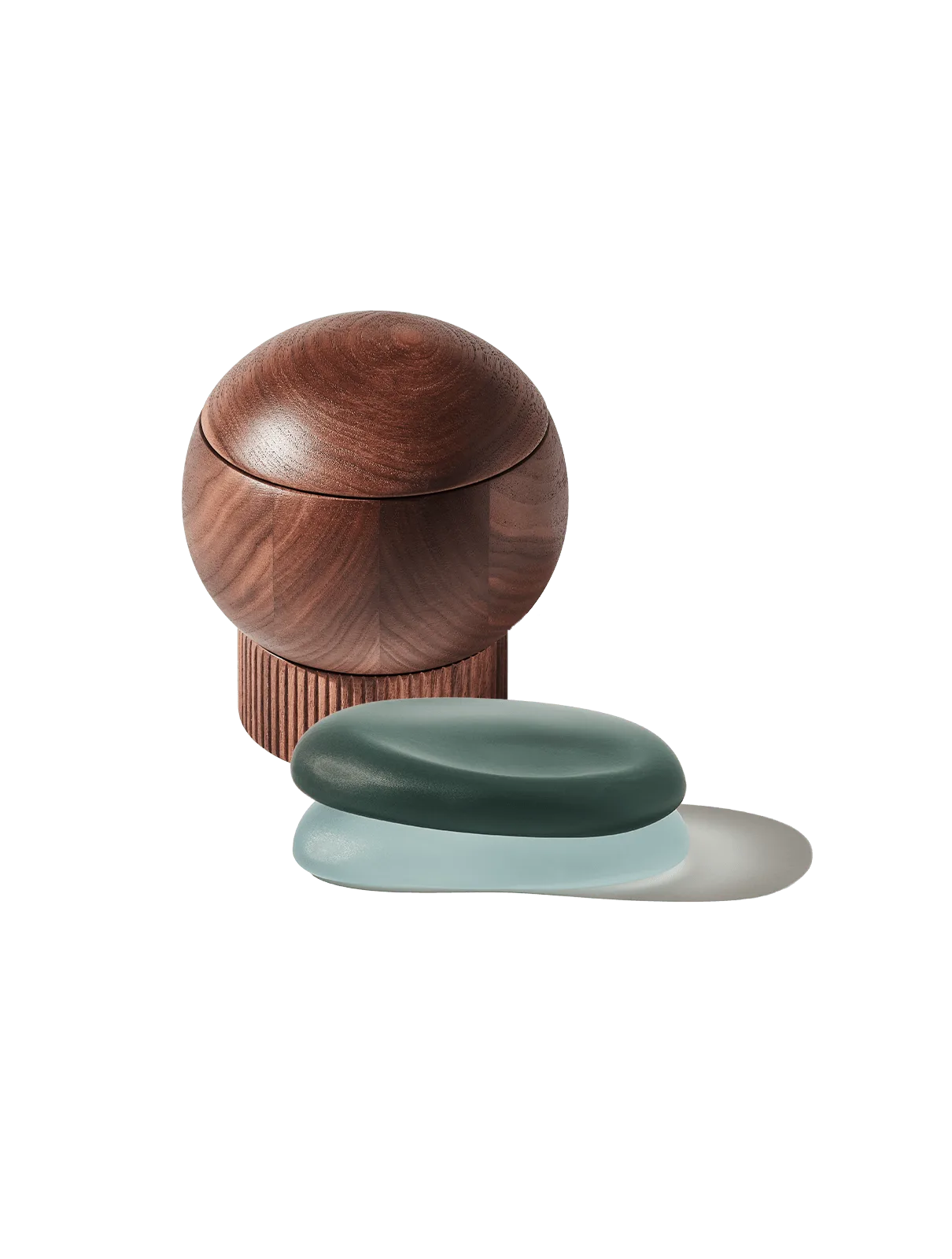
Material offers a curated selection of acacia wood products that exemplify quality and design. The Midi MK Free Board is a versatile prep and serving board that's perfect for everyday use—its generous size accommodates everything from chopping vegetables to arranging appetizers. The rich acacia grain makes each piece unique, adding a touch of natural elegance to your countertop.
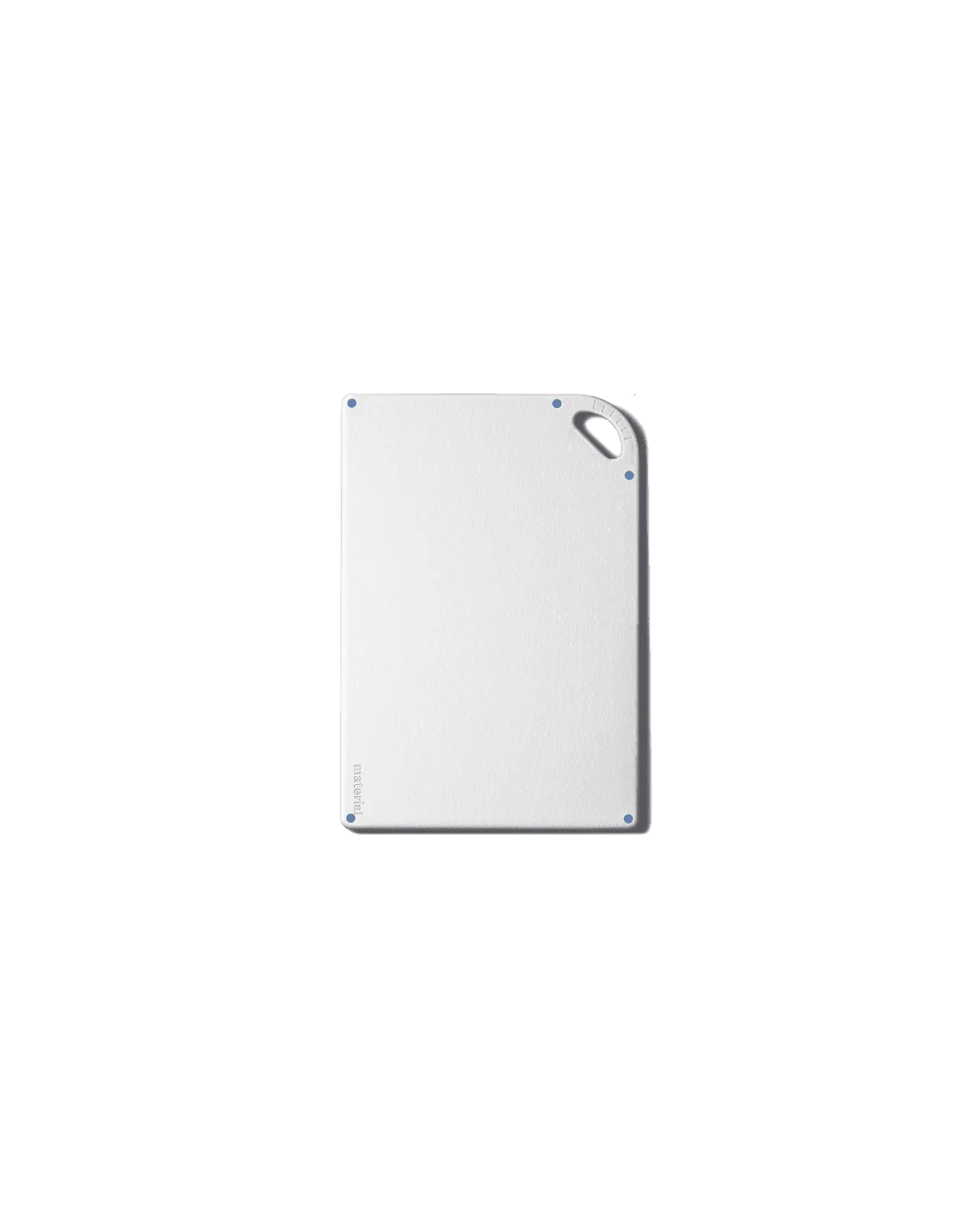
The Midi MK Free Board
For those who love to bake or serve artisanal bread, the Bread Plate Single is a charming addition to any table. Made from solid acacia, it's ideal for presenting individual portions of bread, cheese, or small bites. Its compact size also makes it a great gift for housewarmings or dinner party hosts.
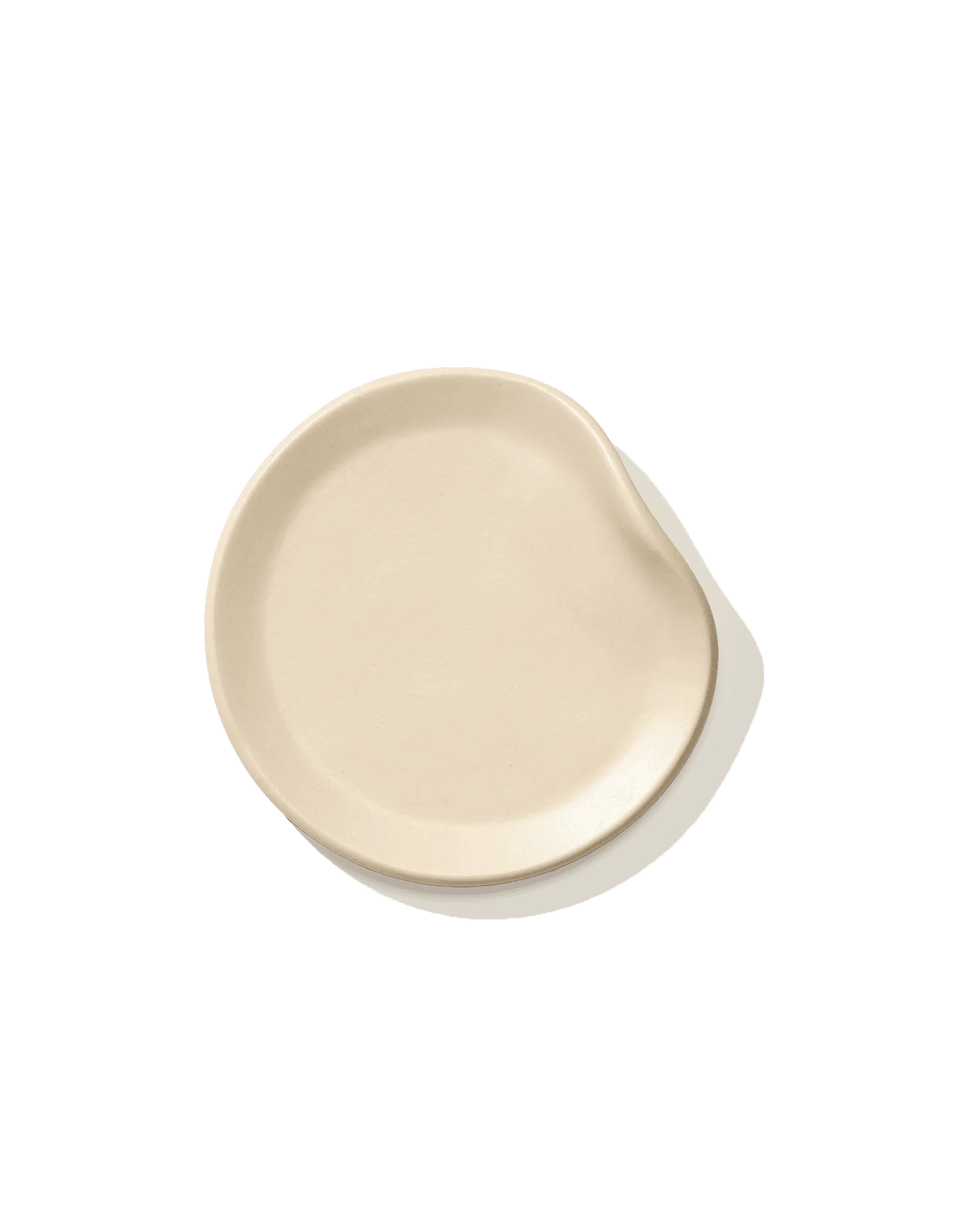
Bread Plate Single
- Both pieces are finished with food-safe oils, so they're ready to use right out of the box.
Incorporating Acacia into Modern Kitchen Trends
Modern kitchen trends emphasize natural materials, sustainability, and multi-functional design—all of which acacia wood fulfills beautifully. The warm, organic look of acacia complements popular design styles like Japandi, Scandinavian, and rustic farmhouse. It also pairs well with other natural elements such as stone, ceramic, and linen.
As more home cooks seek to reduce plastic use in their kitchens, acacia offers a durable, attractive alternative to synthetic cutting boards and serving dishes. By investing in high-quality acacia pieces, you're not only enhancing your cooking experience but also making a conscious choice for the environment.
- Mix and match acacia with ceramic or glass tableware for a layered, textural tablescape.
Whether you're a seasoned home cook or just beginning to build your kitchen collection, acacia wood is a versatile, sustainable, and beautiful material that deserves a place in your home. Explore Material's selection of acacia boards and serving pieces—like the Midi MK Free Board and Bread Plate Single—to find the perfect additions to your modern kitchen.