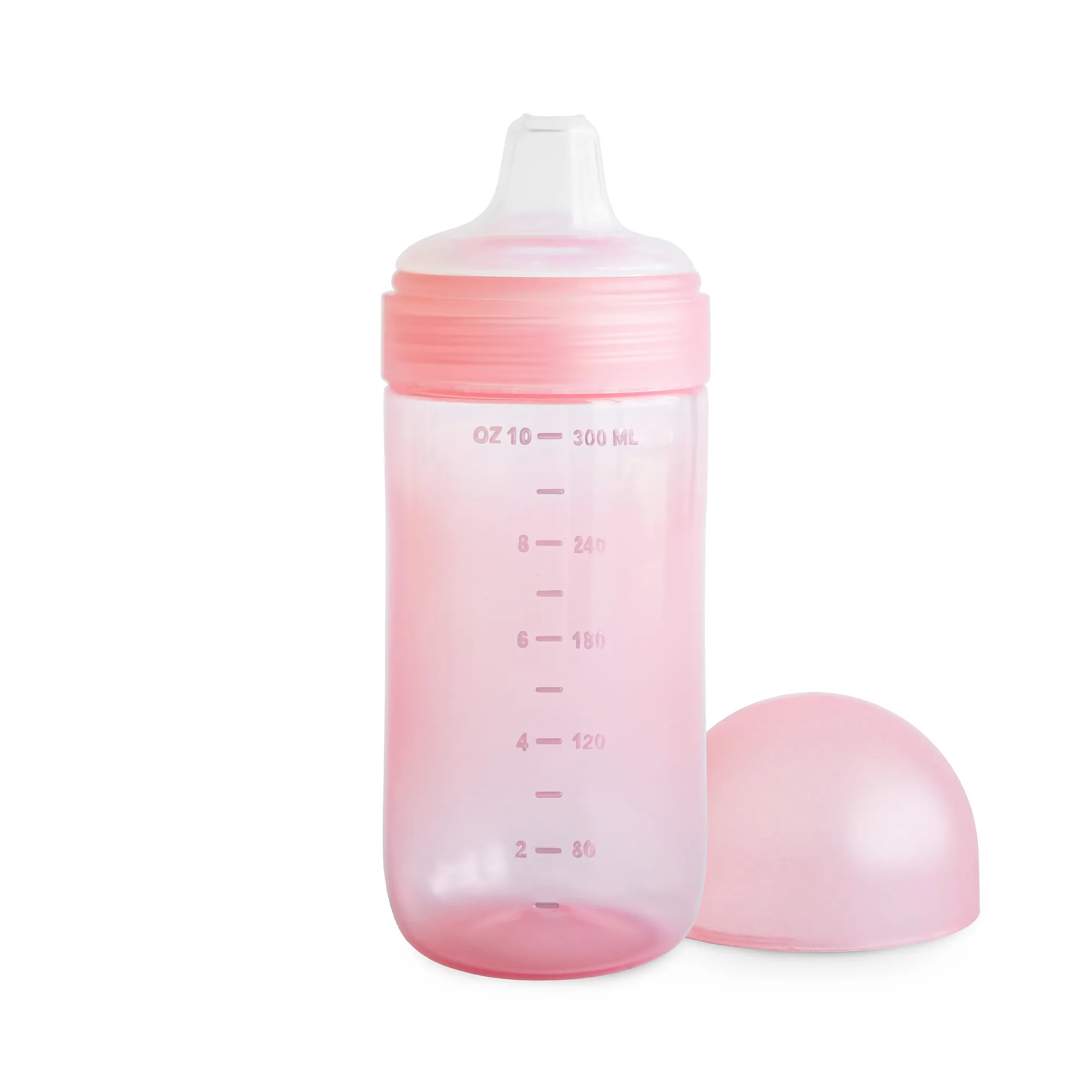
Menjaga anak tetap terhidrasi sepanjang hari sangat penting untuk kesehatan, energi, dan fokus mereka. Baik di sekolah, bermain olahraga, atau menikmati liburan keluarga, botol minum yang andal membuat perbedaan besar. Namun dengan begitu banyak pilihan di pasaran, bagaimana Anda memilih botol minum terbaik untuk anak? Anda membutuhkan botol yang cukup tahan lama untuk menahan jatuh, aman dari bahan kimia berbahaya, dan cukup menarik untuk mendorong anak minum secara teratur. Dalam panduan ini, kami akan membahas fitur-fitur terbaik yang perlu diperhatikan dan berbagi tips praktis untuk membantu Anda memilih botol minum anak yang aman untuk keluarga Anda.
Mengapa Botol Minum yang Baik Penting untuk Anak
Anak-anak selalu bergerak, dan hidrasi yang tepat mendukung aktivitas fisik, fungsi kognitif, dan kesejahteraan mereka secara keseluruhan. Botol minum khusus memastikan mereka memiliki akses ke air bersih di mana pun mereka pergi. Selain itu, botol minum anak yang tahan lama dapat menahan kerasnya penggunaan sehari-hari—dilempar ke ransel, dijatuhkan di taman bermain, dan dicuci berulang kali. Memilih botol anak anti bocor mencegah tumpahan yang berantakan di kotak makan siang dan jok mobil, menghemat waktu dan mengurangi frustrasi orang tua.
Fitur-Fitur Utama yang Perlu Diperhatikan pada Botol Minum Anak
Saat membeli botol minum untuk anak Anda, pertimbangkan atribut penting berikut untuk memastikan keamanan, daya tahan, dan kenyamanan.
1. Bahan Non-Beracun dan Bebas BPA
Keamanan adalah prioritas utama. Carilah botol yang terbuat dari plastik bebas BPA, stainless steel, or glass. BPA (bisphenol A) is a chemical that can leach into liquids and has been linked to health concerns. Many modern bottles are also free from phthalates and lead. Stainless steel is naturally non-toxic and resistant to bacteria, while high-quality Tritan plastic is shatter-resistant and dishwasher safe.
2. Durability and Impact Resistance
Kids are tough on their belongings. A durable water bottle for children should be able to survive drops from desks, playground slides, and car seats. Stainless steel bottles are virtually indestructible, while thick-walled plastic options offer good impact resistance. Avoid thin, single-wall bottles that dent or crack easily.
3. Leak-Proof and Spill-Proof Design
A leak-proof kids bottle is non-negotiable. Look for bottles with secure screw-on lids, silicone gaskets, or push-button valves that prevent leaks. Some models feature straws with built-in seals or flip-top spouts that lock shut. Test the lid mechanism to ensure it's easy for small hands to open but won't accidentally pop open in a backpack.
4. Easy to Clean
Mold and bacteria can thrive in hard-to-reach areas. Choose bottles with wide mouths for easy scrubbing, or those that are dishwasher safe. Straws and valves should be removable for thorough cleaning. Some bottles have stainless steel interiors that resist odors and stains, making them low-maintenance.
5. Fun and Engaging Designs
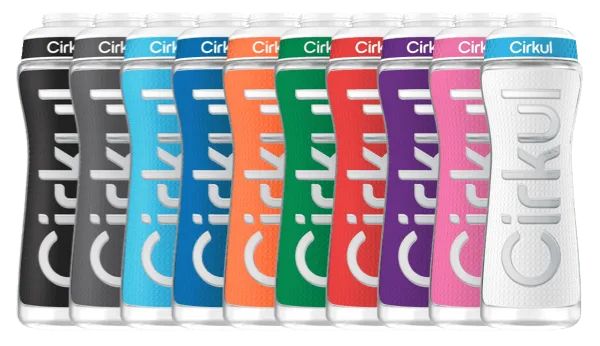
To encourage kids to drink more water, let them pick a bottle with their favorite colors, characters, or patterns. Many brands offer customizable options, such as stickers or interchangeable bands. A bottle that feels personal and exciting will be used more often.
Top Materials for Kids' Water Bottles
Material
Pros
Cons
Best For
Stainless Steel
Durable, non-toxic, keeps drinks cold/hot, no leaching
Heavier, more expensive, can dent if dropped hard
Active kids, school, outdoor adventures
BPA-Free Plastic (Tritan)
Lightweight, shatter-resistant, affordable, colorful
May retain odors, not insulated
Younger children, daycare, budget-friendly choice
Glass
Non-toxic, no chemical leaching, easy to clean
Heavy, breakable, not for young kids
Older children, home use only
How to Choose the Right Size and Capacity
Water bottle sizes range from 12 oz to 24 oz or more. For toddlers and preschoolers, a 12-14 oz bottle is sufficient and easy to hold. For school-aged children, 16-20 oz is ideal to last through the day without being too heavy. Teenagers may prefer 24 oz bottles for sports or long outings. Remember that larger bottles are heavier, so balance capacity with practicality.
Tips for Encouraging Kids to Stay Hydrated
Even the best water bottles for kids won't help if they're not used. Here are some strategies to boost water intake:
- Make it a game: Use a bottle with a time marker or reward system to track sips.
- Flavor naturally: Add slices of fruit like lemon, lime, or berries to make water more appealing.
- Lead by example: Carry your own reusable bottle so kids see hydration as a family habit.
- Establish routines: Fill the bottle at breakfast, before school, and after activities.
How to Maintain and Clean Kids' Water Bottles
Proper maintenance extends the life of any kids water bottle safe and prevents contamination. Wash the bottle daily with warm soapy water, using a bottle brush for narrow mouths. For stainless steel, avoid abrasive cleaners that can scratch the surface. Replace straws and silicone seals every few months if they show wear. Never leave water in a bottle overnight without cleaning, as bacteria can multiply.
FAQs About Kids' Water Bottles
What is the safest material for a kids water bottle?
Stainless steel is widely considered the safest because it doesn't leach chemicals and is durable. BPA-free plastic (like Tritan) is also safe and lighter, making it a popular choice for younger children.
How do I know if a bottle is truly leak-proof?
Look for bottles with a silicone gasket or rubber seal in the lid. Models with a twist-on cap or a locking mechanism offer extra security. Read reviews to see if other parents report leaks. A leak-proof kids bottle should pass a simple test: fill it with water, close it tightly, and shake it upside down—no drips!
Can I put a kids water bottle in the dishwasher?
Many bottles are top-rack dishwasher safe, but check the manufacturer's instructions. Straws and silicone parts often need hand washing to prevent warping. Stainless steel bottles should not be microwave-heated.
How often should I replace my child's water bottle?
Replace if you notice cracks, dents, or a persistent smell. Plastic bottles may need replacement every 6-12 months, while stainless steel can last for years with proper care.
Making the Final Decision
Choosing the best water bottles for kids involves balancing safety, durability, and fun. A durable water bottle for children made from non-toxic materials with a leak-proof kids bottle design will serve your family well. Let your child have a say in the design to encourage ownership, and establish a cleaning routine to keep the bottle fresh. By investing in a quality bottle, you're not just buying a container—you're promoting a lifelong habit of healthy hydration.
Ready to find the perfect bottle for your little one? Explore our collection of kids water bottles that combine safety, style, and durability. Your child will love sipping from a bottle that's truly made for them!