Nell'ambiente frenetico di una classe di autodifesa, gli istruttori spesso si affidano a esercitazioni pratiche e comandi verbali per insegnare le competenze essenziali. Ma esiste uno strumento potente, spesso sottoutilizzato, che può migliorare significativamente l'apprendimento: i poster formativi. Questi supporti visivi fungono da riferimenti costanti, rafforzano i concetti chiave e aiutano gli studenti a interiorizzare le tecniche più rapidamente. Che tu insegni tecniche con il manganello, tattiche difensive o consapevolezza situazionale, poster ben progettati possono trasformare il tuo spazio di allenamento in un ambiente di apprendimento immersivo.

i poster formativi
Questa guida esplora i vantaggi dell'uso dei poster formativi nell'educazione all'autodifesa, offre idee pratiche per progettarli e posizionarli, e mostra come integrarli perfettamente nel tuo programma. Dalla selezione del contenuto giusto alla massimizzazione del loro impatto, imparerai come far funzionare i supporti visivi per te e per i tuoi studenti.
Perché i supporti visivi contano nell'allenamento all'autodifesa
I supporti visivi come i poster formativi soddisfano lo stile di apprendimento visivo, dominante in molte persone. Presentando le informazioni in un formato grafico chiaro, i poster aiutano gli studenti a comprendere concetti complessi più velocemente delle sole spiegazioni verbali. In una classe di autodifesa, dove le decisioni in frazioni di secondo possono essere critiche, avere un riferimento visivo può rinforzare la memoria muscolare e i passaggi procedurali.
Inoltre, i poster fungono da promemoria costanti. Anche quando l'istruttore è impegnato con un coaching individuale, gli studenti possono dare un'occhiata a un poster per rinfrescare la memoria su una tecnica o una regola di sicurezza. Questo rinforzo passivo è prezioso in un ambiente di allenamento frenetico. Inoltre, i poster possono creare un'atmosfera professionale e organizzata, che aumenta la fiducia degli studenti e la credibilità dell'insegnamento.
- Migliora la memorizzazione rinforzando visivamente i punti chiave.
- Fornisci un riferimento costante per gli studenti durante la pratica.
- Supporta diversi stili di apprendimento, soprattutto gli studenti visivi.
- Crea un ambiente di allenamento professionale che costruisce credibilità.
Scegliere il contenuto giusto per i tuoi poster formativi
Il contenuto dei tuoi poster dovrebbe allinearsi direttamente con il tuo programma e le competenze che insegni. Per l'allenamento con il manganello, un poster che illustra l'impugnatura corretta, le zone di colpo e le tecniche di trattenuta può essere prezioso. Allo stesso modo, un poster sulle tattiche difensive potrebbe mostrare il posizionamento del corpo, i blocchi e i contrattacchi. Assicurati che le immagini siano chiare e il testo conciso, usando un linguaggio orientato all'azione.
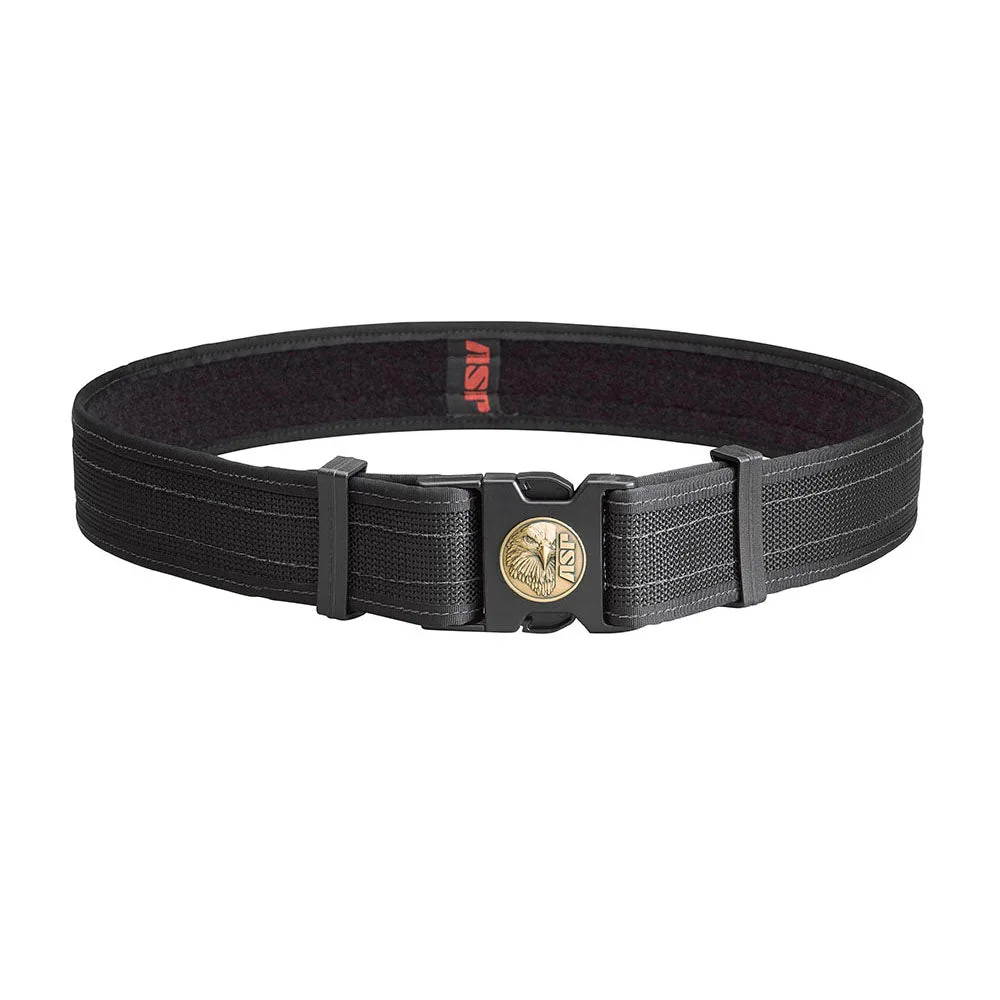
Considera anche poster che coprano i protocolli di sicurezza, come il modo corretto di maneggiare attrezzature come il Friction Baton, 26" o le Sentry Chain Cuffs. I poster sulla sicurezza non solo educano ma prevengono anche gli incidenti. Inoltre, puoi includere poster che evidenziano l'uso di strumenti specifici, come la ASP Eagle Instructor Equipment Belt, to show correct wear and adjustment, which helps students use gear effectively.
- Align poster content with your lesson plans and skill levels.
- Use high-quality images that clearly demonstrate techniques.
- Keep text minimal; use keywords and short phrases.
- Include safety guidelines to prevent injuries.
Design Tips for Effective Training Posters
An effective poster is not just informative but also visually engaging. Use high-contrast colors to ensure readability from a distance, and choose fonts that are bold and easy to read. Break down complex sequences into step-by-step illustrations with numbered arrows. This helps students follow the progression of a technique.
Incorporate your brand or training center's logo to foster a sense of identity. Also, consider laminating your posters to protect them from wear and tear, especially in a busy training area. If you're creating digital posters, ensure they are print-ready at a large size (e.g., 24x36 inches) for optimal visibility.
- Use high-contrast colors and bold fonts for readability.
- Illustrate step-by-step sequences with arrows and numbers.
- Include your logo to reinforce your training brand.
- Laminate posters for durability.
Placement Strategies: Where to Hang Your Posters
The placement of your training posters is crucial for maximum impact. Hang them at eye level in areas where students wait or take breaks, such as near the entrance or by the water station. This allows students to absorb information passively. Also, place technique-specific posters near the equipment they relate to. For example, a baton techniques poster should be near the baton rack.
In the main training area, position posters on walls that are visible from multiple angles. Avoid placing them behind students when they face the instructor, as they won't see them. Use multiple posters to create a 'visual path' that guides students through a sequence of skills, from basics to advanced techniques.
- Hang posters at eye level in high-traffic areas.
- Place technique posters near relevant equipment.
- Ensure posters are visible from multiple training positions.
- Create a visual flow with a series of posters.
Integrating Posters into Your Teaching Routine
Simply hanging posters is not enough; you need to actively use them in your teaching. Start each class by pointing to a poster and reviewing the key points. During drills, reference the poster to correct form or remind students of the next step. You can also assign students to study a poster and then demonstrate the technique, promoting active learning.
Another effective method is to use posters as a 'pre-teaching' tool. Before introducing a new skill, have students gather around the poster and discuss what they see. This primes their brains for the practical session. Additionally, you can use posters for quick quizzes or 'spot the error' activities, making learning interactive and fun.
- Reference posters during class introductions and reviews.
- Use posters to correct form during drills.
- Assign poster study as homework or pre-class preparation.
- Incorporate posters into interactive activities like quizzes.
Training Poster Ideas for Self-Defense Classes
Now that you know the basics, here are some specific poster ideas you can create for your self-defense classes. For baton training, a poster on 'Baton Retention Techniques' can be a lifesaver. For handcuffing, a step-by-step 'Proper Handcuffing Procedure' poster is essential. You might also want a poster on 'Use of Force Continuum' to educate students on legal aspects.
Consider also posters that highlight the features of your training equipment, such as the Government .45 | 1911 or the TASER, to familiarize students with the tools they'll be using. A poster on 'Defensive Spray Deployment' can teach proper usage and safety. These posters not only educate but also promote the products you carry, making them a subtle marketing tool.
- Baton retention techniques poster.
- Proper handcuffing procedure poster.
- Use of force continuum poster.
- Equipment feature posters for training tools.
Maintaining and Updating Your Training Posters
To keep your posters effective, they need to be maintained. Check regularly for damage or fading and replace them as needed. Keep them clean and free from dust. If you update your curriculum, ensure your posters reflect the latest techniques. Outdated posters can confuse students and reduce your credibility.
Consider rotating posters to keep the environment fresh. You can also create seasonal or themed posters for special courses or events. By investing in quality posters and maintaining them well, you ensure they remain a valuable asset to your training program.
- Regularly inspect posters for wear and tear.
- Replace outdated or damaged posters promptly.
- Update posters to match curriculum changes.
- Rotate posters to keep the training space engaging.
Training posters are a simple yet powerful way to enhance your self-defense classes. They reinforce learning, improve safety, and create a professional environment. By choosing the right content, designing them effectively, and integrating them into your teaching, you can take your instruction to the next level. Start creating your own training posters today and see the difference they make in your students' progress.