Snel antwoord
De Magic Colours Tree is een creatief kunstpakket voor kinderen rond een boomvormige kleuractiviteit, meestal geleverd met kleurgereedschap en bedrukte elementen om te versieren. Het is geschikt voor gezinnen die een afgebakend kinderkunstactiviteitenpakket willen dat creatief spel voor kinderen gericht en netjes houdt. Controleer vóór aankoop de inhoud van de doos en de leeftijdsaanbeveling, omdat de exacte materialen per pakket verschillen.
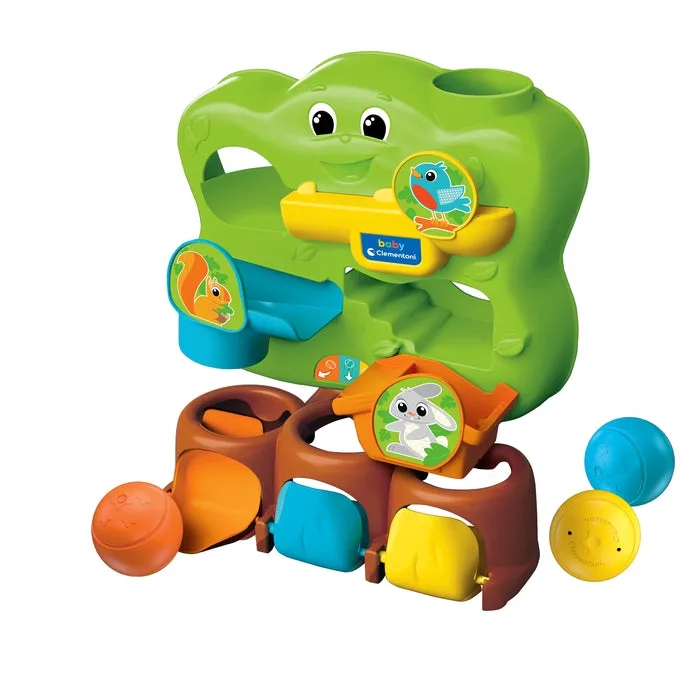
Magic Colours Tree
Als u op zoek bent naar een magic colours tree kunstpakket, wilt u waarschijnlijk twee dingen weten: wat er precies in de doos zit en of uw kind het echt meer dan één keer zal gebruiken. Deze FAQ beantwoordt de vragen die ouders het vaakst stellen over boomvormige kleurpakketten en vergelijkbare creatieve pakketten voor kinderen.
Het assortiment van Clementoni omvat verschillende creatieve en educatieve lijnen, van tactiele Montessori-kaarten tot Clemmy sensorische blokken, dus het helpt om te begrijpen hoe een kleurboomkit past naast het speelgoed dat u al heeft. De antwoorden hieronder richten zich op praktische beslissingen: inhoud, opzet, leeftijd, opbergen en hoe u een goed kinderknutselpakket onderscheidt van een schapvuller.
Wat is een Magic Colours Tree-knutselpakket?
Een Magic Colours Tree-knutselpakket is een kinderknutselpakket rond een boomvorm die kinderen kleuren, versieren en vaak in elkaar zetten tot een staande display. In plaats van een platte kleurplaat geeft het boomformaat de activiteit een begin, midden en einde: kleur de onderdelen, zet ze in elkaar en toon het resultaat. Die structuur zorgt ervoor dat het de aandacht langer vasthoudt dan een los vel papier.
Omdat de boom een herkenbaar object is, kunnen kinderen er beslissingen over nemen, zoals welke kleuren op de bladeren gaan en hoe de stam eruit moet zien. Die kleine mate van controle is wat een kleurboomkit verandert in creatief spel voor kinderen in plaats van een passieve taak. De exacte onderdelen verschillen per kit, dus lees altijd de inhoudslijst op de doos.
- Zoek een kit waar de afgewerkte boom kan staan of tentoongesteld kan worden, niet alleen gekleurd en weggelegd.
- Controleer of de boom voorgesneden is of in elkaar gezet moet worden, want dat verandert de leeftijdsgroep die er zelfstandig mee kan werken.
Wat bevat een creatieve kit voor kinderen meestal?
De meeste creatieve kits voor kinderen in dit formaat bevatten de boomvormige basis of bedrukte boomelementen, een set kleurmaterialen zoals stiften of verf, en decoratieve stukken om te bevestigen. Sommige versies voegen stickers, sjablonen of een kleine gids met kleursuggesties toe. De kit is meestal zelfvoorzienend, wat het grootste praktische voordeel is voor ouders: geen zoektocht naar benodigdheden voordat je kind kan beginnen.
Wanneer je kits vergelijkt, weeg dan de verbruiksartikelen. Een kit met veel kleurmateriaal kan over meerdere sessies worden gebruikt, terwijl een kit met heel weinig in één zitting af is. Als je kind graag terugkeert naar een project, geef dan voorrang aan kits met herbruikbare elementen, zoals een stevige boomvoet die na de eerste sessie opnieuw kan worden versierd of tentoongesteld.
- Tel de kleurgereedschappen, niet alleen de boomonderdelen, als je meer dan één sessie gebruik wilt.
- Controleer of de decoratieve stukken zelfklevend of herbruikbaar zijn, want dat bepaalt hoe lang de kit interessant blijft.
Voor welke leeftijd is een kleurboomkit geschikt?
Boomkleurkits zijn over het algemeen gericht op de kleuter- tot vroege basisschoolleeftijd, wanneer kinderen genoeg handcontrole hebben om binnen vormen te kleuren maar nog steeds genieten van open-ended decoreren. Jongere peuters kunnen met hulp meedoen, maar kleine decoratieve stukjes en dunne stiften zijn een verstikkingsrisico en vereisen nauw toezicht. Volg altijd de leeftijd op de doos in plaats van te raden op basis van de afbeelding.
If you are buying for a mixed-age household, treat the kit as an adult-supported activity for the youngest child and an independent one for the older child. That way the same colouring tree kit works for both without you having to buy two products. For very young children, a simpler sensory option may be a better first step.
- Match the kit to hand control, not just to age: a child who can hold a crayon steadily will get more from it.
- For under-threes, choose a sensory toy instead and save the art kit for later.
How do you set up the activity without a mess?
Cover the table with newspaper or a wipe-clean mat, put the colouring tools in a shallow tray, and keep a damp cloth within reach. Working on a tray also makes it easy to move an unfinished tree out of the way at dinner time. If the kit uses paint, decant small amounts rather than giving the whole bottle to a child.
A predictable setup reduces the friction that stops children starting. Keep the kit in one box or bag so the next session begins in seconds, and let your child choose the spot where the finished tree will stand. Displaying the result is part of the reward and encourages a second attempt.
- Use a tray so the project can be moved without scattering pieces.
- Photograph the finished tree before storing it if you do not plan to keep it on display.
How does it compare with other Clementoni creative kits?
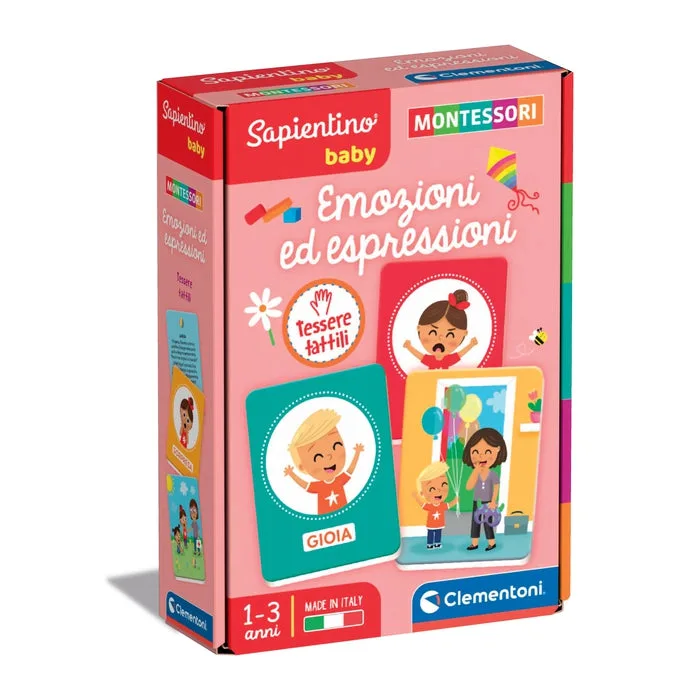
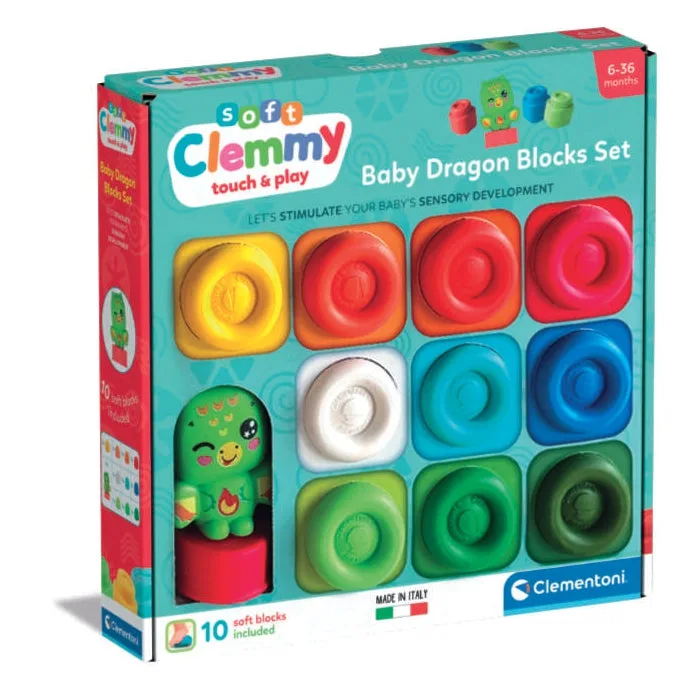
Clementoni's creative and educational range covers different kinds of play, so it is worth knowing what each type does best. A tree colouring kit is an open-ended art activity. By contrast, the Sapientino Baby Montessori cards are a structured matching game about emotions, and the Clemmy Baby Dragon blocks set is a sensory construction toy for the youngest children.
Baby Dragon blocks set
If your goal is a quiet, focused art session, the colouring tree format is the closer match. If your goal is language, logic, or tactile exploration, one of the other kits will serve you better. Buying one of each type gives a child a balanced mix of creative play for children and skill-building play, without duplicating the same experience.
- Choose art kits for open-ended making; choose educational kits for guided matching or naming.
- Avoid buying two kits that do the same job unless you have two children who will use them at the same time.
How should you store and reuse the kit?
Keep the original box if it is sturdy, because it doubles as storage and shows your child what belongs together. Bag small decorative pieces separately so they do not migrate to the bottom of a toy bin. If the tree base is durable, it can be redecorated later with your own supplies once the original materials run out.
Reuse matters for value. A kit that survives one session and then disappears into a cupboard has cost more per hour of play than one that is brought out repeatedly. Label the box with your child's name if it goes to a grandparent's house or a playgroup, and restock colouring tools as needed rather than replacing the whole kit.
- Store flat if the tree parts are printed on card to prevent bending.
- Top up markers or crayons separately to extend the kit's life cheaply.
Parent FAQ at a glance
Is the Magic Colours Tree reusable?
The tree base can often be redecorated if it is sturdy, but the supplied colouring materials are consumable and will run out. Plan to restock markers or crayons rather than replacing the whole kit.
Does my child need adult help?
Older preschoolers can usually colour independently; younger children need supervision because of small pieces and thin tools. Treat it as a shared activity for under-fives.
How long does one session take?
Most children spend one focused sitting on the colouring and a shorter second sitting on decorating and display. Leave the tree out between sessions so the project can continue.
What if my child finishes it quickly?
Keep spare paper, stickers, or paint so the tree can be extended or a second tree made from the same supplies. Extending beats replacing for both cost and creativity.
Clementoni products worth knowing alongside this kit
- Sapientino Baby Montessori - Carte Emozioni ed Espressioni: 48 tactile cards to name and match, covering six main emotions with 42 context cards, inspired by Montessori pedagogy with a rough finish. A good complement if you want structured language and empathy play rather than open-ended art, and the tactile finish supports sensory learning from the earliest years.
- Baby Dragon blocks set: A Clemmy pack with 12 soft blocks in a dragon-themed design, suitable from 6 months, with a practical carry case. A good complement if you want sensory construction play for the youngest children, and the soft blocks are safe for mouthing and easy to grip for small hands.
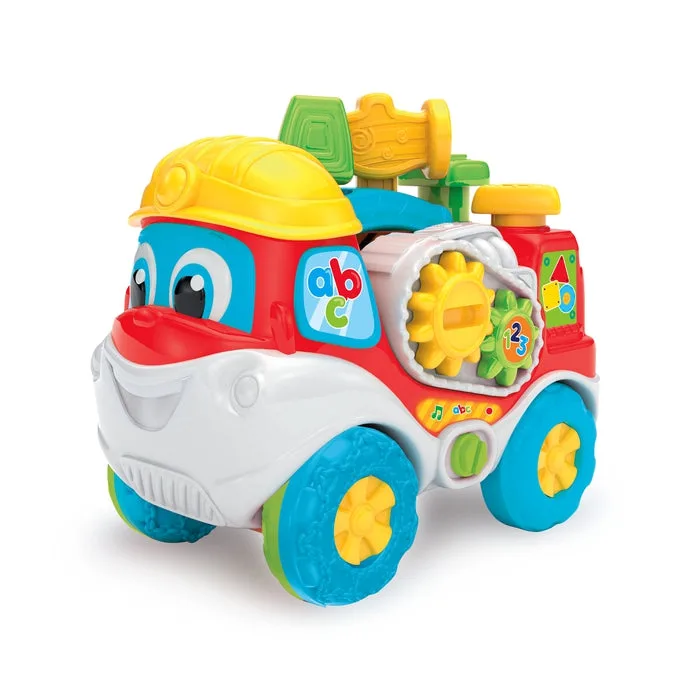
- Alvaro Aggiusto e Imparo: Includes two separate tools, a hammer and a screwdriver, with rear pistons that move when struck and reversible front wheels with or without snow chains. Builds fine motor skills and cause-and-effect understanding, so it works as a hands-on alternative when a child wants to do rather than colour.
A magic colours tree art kit works best when you treat it as a repeatable project rather than a one-off purchase: check the contents, match it to your child's hand control, and keep the supplies topped up. If you want structured learning instead of open-ended art, a matching or sensory kit from the same range will serve you better.