Bạn đã bao giờ cầm một sản phẩm chăm sóc da, nhìn vào danh sách thành phần dài dằng dặc với những cái tên khó đọc, và cảm thấy hoàn toàn bối rối chưa? Bạn không đơn độc đâu. Hệ thống INCI (International Nomenclature of Cosmetic Ingredients) là ngôn ngữ chuẩn hóa được sử dụng trên nhãn mỹ phẩm trên toàn thế giới. Dù trông có vẻ đáng sợ, việc học cách đọc tên INCI giúp bạn đưa ra những lựa chọn sáng suốt về những gì bạn thoa lên da. Hướng dẫn dành cho người mới bắt đầu này sẽ giúp bạn hiểu những điều cơ bản về danh sách thành phần, các thuật ngữ Latin và hóa học phổ biến, cũng như cách xác định các hoạt chất chính trong các sản phẩm như Probio-Cica Glow Sun Ampoule hoặc Hyalu-Teca Plumping Ampoule.
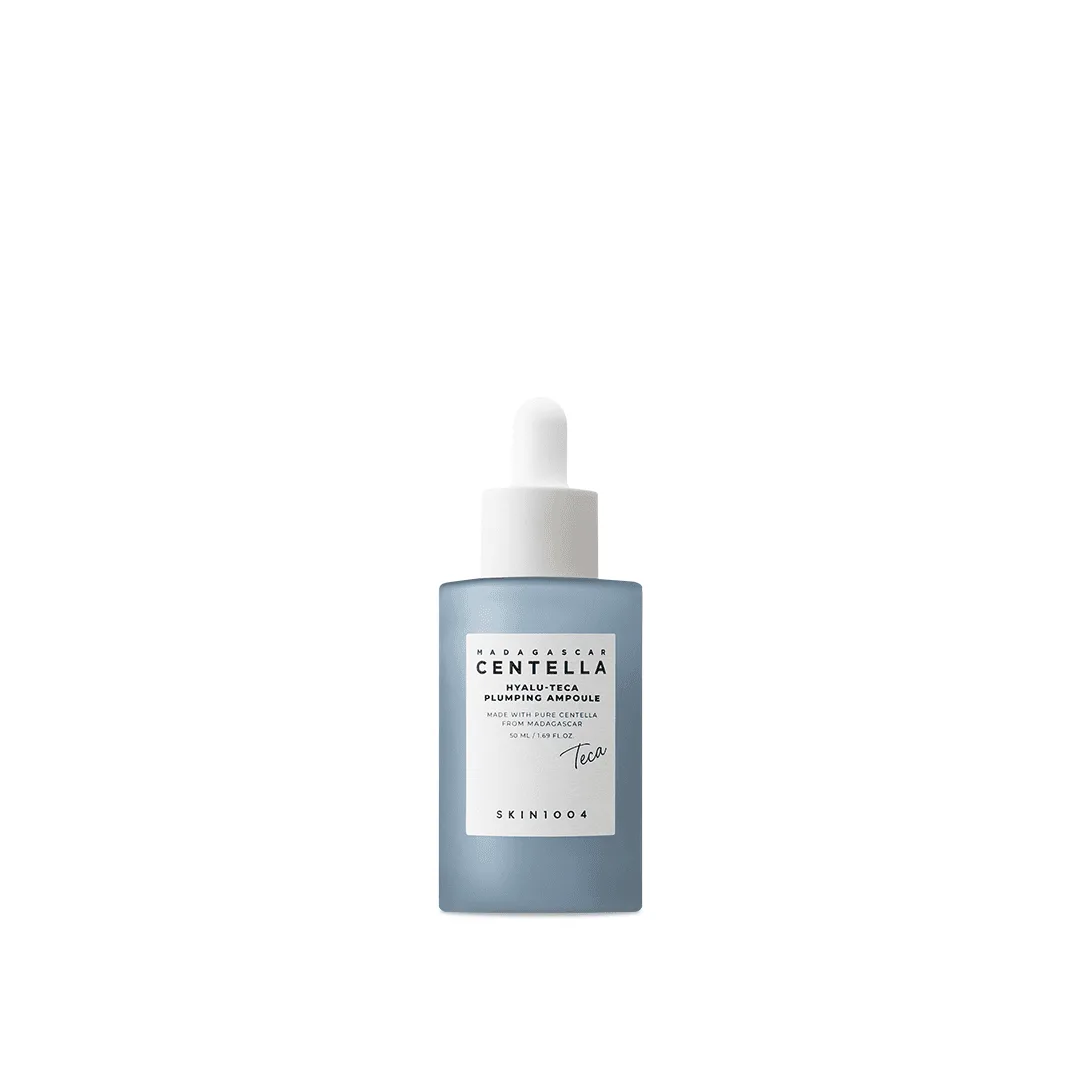
Hyalu-Teca Plumping Ampoule
INCI là gì và tại sao nó lại quan trọng?
INCI là viết tắt của International Nomenclature of Cosmetic Ingredients. Nó được phát triển để tạo ra một hệ thống thống nhất để liệt kê các thành phần trên nhãn sản phẩm, giúp người tiêu dùng và các chuyên gia ở các quốc gia khác nhau có thể dễ dàng so sánh công thức. Tại Hoa Kỳ, FDA yêu cầu tất cả các thành phần mỹ phẩm phải được liệt kê theo thứ tự giảm dần về nồng độ—nghĩa là thành phần đầu tiên chiếm tỷ lệ phần trăm lớn nhất trong sản phẩm, và các thành phần cuối cùng có mặt với lượng nhỏ nhất.
Hiểu tên INCI là điều cần thiết để đảm bảo sự minh bạch của sản phẩm. Khi bạn thấy các thành phần như Chiết xuất Rau má (Centella Asiatica Extract) hoặc Niacinamide được liệt kê, bạn có thể nhanh chóng đánh giá liệu sản phẩm có phù hợp với vấn đề về da của bạn hay không. Ví dụ, nếu bạn đang tìm kiếm độ ẩm sâu, bạn có thể tìm kiếm Sodium Hyaluronate hoặc Glycerin ở gần đầu danh sách. Nếu bạn có làn da nhạy cảm, bạn có thể tránh các chất gây kích ứng tiềm ẩn như Fragrance hoặc Alcohol Denat. By mastering INCI, you take control of your skincare routine.
Common INCI Naming Conventions
INCI names are typically derived from Latin, botanical, or chemical nomenclature. Here are the most common patterns you will encounter:
Botanical and Plant-Based Ingredients
Many natural ingredients are listed by their Latin binomial name, followed by the part of the plant used (e.g., leaf, root, flower). For example:
- Aloe Barbadensis Leaf Juice — Aloe vera gel
- Camellia Sinensis Leaf Extract — Green tea extract
- Centella Asiatica Extract — A key soothing ingredient often found in K-beauty products
When you see a botanical name, it usually indicates the ingredient is derived from that plant, though the extraction method can vary. In products like the Probio-Cica Glow Sun Ampoule, you’ll find Centella Asiatica Extract listed among the first few ingredients, signaling its high concentration and soothing benefits.
Chemical and Functional Names
Many active ingredients are listed under their chemical names. For instance:
- Niacinamide — A form of vitamin B3 that brightens and strengthens the skin barrier
- Hyaluronic Acid — A humectant that holds up to 1,000 times its weight in water
- Ethylhexyl Methoxycinnamate — A chemical UV filter (often listed as Octinoxate)
- Sodium Hyaluronate — The salt form of hyaluronic acid, more stable and penetrative
Chemical names may look intimidating, but they are simply the scientific terms for well-known ingredients. For example, the Hyalu-Teca Plumping Ampoule prominently features Sodium Hyaluronate and Hydrolyzed Hyaluronic Acid to deliver multi-depth hydration.
Preservatives, Fragrance, and Colorants
Preservatives are required in water-based products to prevent microbial growth. Common INCI preservatives include:
- Phenoxyethanol — A widely used, low-irritation preservative
- Ethylhexylglycerin — Often paired with phenoxyethanol as a mild preservative booster
- Sodium Benzoate — A food-grade preservative
Fragrance is usually listed as Parfum or Fragrance. Some brands opt for natural fragrance components like Linalool or Limonene, which can be allergens for sensitive skin. Colorants are listed with a CI (Color Index) number, e.g., CI 77891 (Titanium Dioxide) or CI 77492 (Iron Oxide).
How to Read an INCI List: Step by Step
Follow these simple steps to decode any skincare label:
- Start at the top. The first five ingredients make up the bulk of the product. If water (Aqua) is the first ingredient, the product is water-based. If an oil or butter is first, it is oil-based.
- Look for actives. Scan for ingredients that address your skin concerns—e.g., Niacinamide for brightening, Salicylic Acid for acne, or Ceramides for barrier repair.
- Check for potential irritants. If you have sensitive skin, watch for Alcohol Denat, Fragrance, or essential oils high up on the list.
- Evaluate preservatives and stabilizers. A short list of preservatives is normal. Avoid products with a very long list of synthetic additives if you prefer minimalist formulas.
- Note the order of similar ingredients. For example, if Glycerin appears before Butylene Glycol, it is present in a higher concentration and will contribute more to hydration.
Decoding Common INCI Terms for Hydration, Soothing, and Anti-Aging
To help you navigate ingredient lists with confidence, here is a cheat sheet of frequently encountered INCI terms and what they do:
INCI Name
Common Name
Primary Benefit
Aqua
Water
Solvent, base of most formulas
Glycerin
Glycerol
Humectant, draws moisture to skin
Butylene Glycol
Butylene glycol
Humectant, texture enhancer
Niacinamide
Vitamin B3
Brightening, barrier support
Centella Asiatica Extract
Gotu kola
Soothing, wound healing
Sodium Hyaluronate
Hyaluronic acid (salt form)
Deep hydration, plumping
Salicylic Acid
Beta hydroxy acid (BHA)
Exfoliation, pore clearing
Tocopherol
Vitamin E
Antioxidant, skin conditioning
Ceramide NP
Ceramide
Barrier repair, moisture retention
Parfum
Fragrance
Scent, potential allergen
The Role of INCI in Product Transparency and Consumer Trust
In recent years, the clean beauty movement has pushed for greater product transparency. Consumers are no longer satisfied with vague marketing claims like “natural” or “dermatologist-tested.” Instead, they want to see the full ingredient list and understand what each component does. Brands that prioritize full disclosure—such as listing every ingredient with its INCI name—build trust with their audience.
For example, when you pick up a product like Probio-Cica Glow Sun Ampoule, the INCI list tells you exactly what is inside: Centella Asiatica Extract, Niacinamide, Zinc Oxide, and probiotics. This transparency allows you to confirm that the product aligns with your skincare goals, whether that is soothing, brightening, or sun protection.
Common Pitfalls When Reading INCI Lists
Even experienced enthusiasts can fall into traps when interpreting ingredient lists. Here are the most common mistakes to avoid:
- Assuming “fragrance-free” means no scent. Some products use masking fragrances or botanical extracts that still have a smell. Check for Parfum or individual aroma compounds.
- Believing all “chemical” names are bad. Many natural substances have chemical INCI names (e.g., Citric Acid from citrus). Chemical does not equal toxic.
- Overlooking the concentration order. If an active ingredient is listed near the end, it may be present in a very low percentage and might not deliver its claimed benefit.
- Confusing “active” with “active ingredient” in drug claims. In cosmetics, actives are not regulated like drugs. A product can list Salicylic Acid but at a concentration below 0.5%—too low for acne treatment.
How INCI Helps You Choose the Right Product
Once you know how to read INCI names, you can tailor your routine to your specific needs. For instance, if you struggle with dullness and dehydration, you will look for ingredients like Niacinamide, Sodium Hyaluronate, and Ascorbic Acid (vitamin C). The Hyalu-Teca Plumping Ampoule is a great example: its INCI list features multiple forms of hyaluronic acid and Centella Asiatica Extract, making it ideal for plumping and soothing combination skin.
If sun protection is your priority, check for UV filters like Zinc Oxide, Titanium Dioxide, or Ethylhexyl Methoxycinnamate. Many modern sunscreens, like the Probio-Cica Glow Sun Ampoule, combine sun protection with skincare benefits, so you can protect and treat your skin simultaneously.
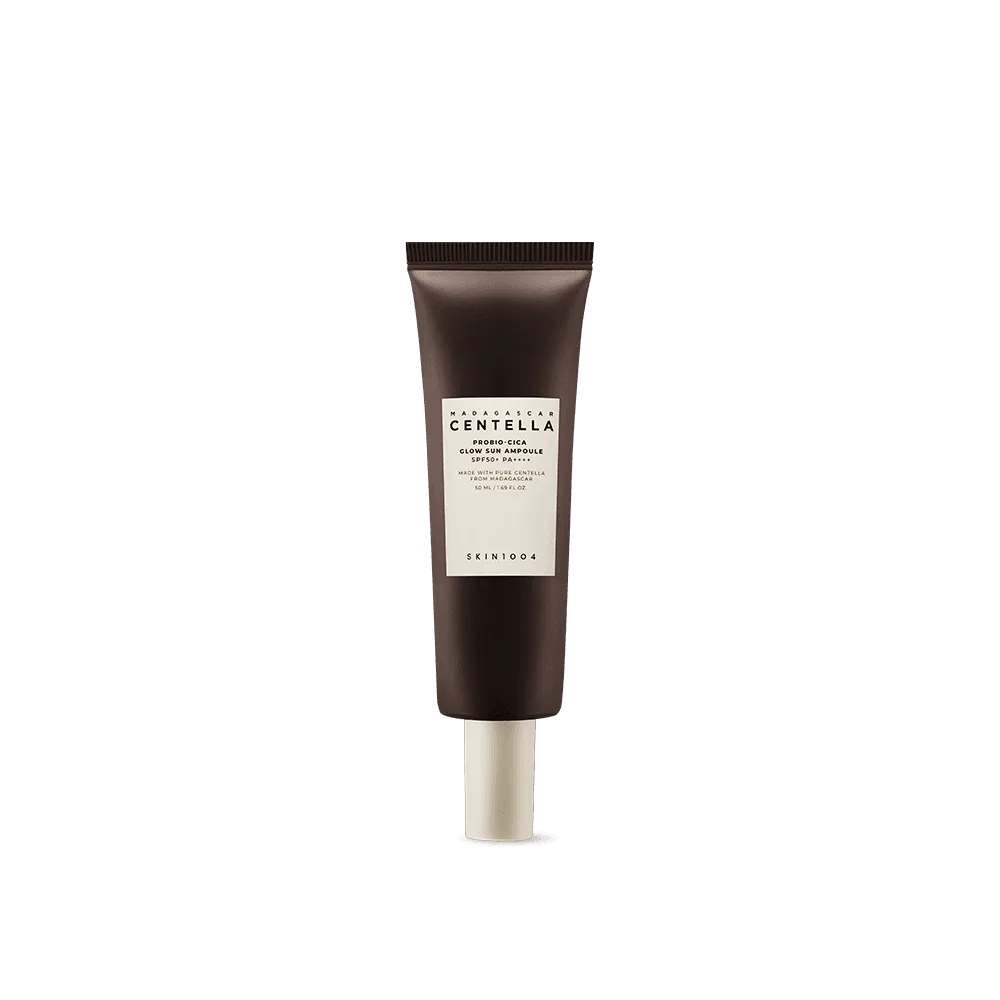
Probio-Cica Glow Sun Ampoule
Conclusion: Empower Yourself with INCI Knowledge
Learning to read INCI names is like learning a new language—but one that pays off every time you shop for skincare. With practice, you will quickly spot the ingredients that work for your skin and avoid those that don’t. The next time you browse products, flip the bottle over and scan the list. You might be surprised at how much you can decipher.
Ready to put your new knowledge into practice? Explore the Hyalu-Teca Plumping Ampoule and see how its INCI list delivers multi-layer hydration and soothing care. Your skin will thank you.