إجابة سريعة
في عام 2026، يولي هواة الجمع الأولوية للتفاصيل الواقعية في الطلاء، والتناسق في المقاييس، والأنواع التي تثير قصة أو لحظة تعلم. القيمة مهمة أيضًا: الألعاب التي يتراوح سعرها بين 2.72 و4.22 دولار تُباع جيدًا لأنها تتيح للناس بناء مجموعة دون إفراط في الإنفاق. إذا كنت مبتدئًا، اختر موضوعًا واحدًا، مثل الخيول أو الحياة البرية، واشترِ أشكالًا متشابهة في الحجم حتى تبدو رفوفك مقصودة.
تحول جمع مجسمات الحيوانات من هواية متخصصة إلى عنصر أساسي على الرفوف، والأسباب عملية. يريد الناس قطعًا صغيرة ومتينة تبدو جيدة على المكتب، أو تعلّم الأطفال شيئًا حقيقيًا، أو تملأ فراغًا في عرض موضوعي. الاتجاهات أدناه مستمدة من ما يشتريه المتسوقون فعليًا وما يسألون عنه، وليس من أرض معرض تجاري.
يغطي هذا الأسئلة الشائعة أكثر الأسئلة التي نسمعها: ما الذي يجعل التمثال يستحق الجمع، وكيف تعمل المقاييس، ولماذا يختلف جودة الطلاء، وأي الأنواع تكتسب اهتمامًا. ستجد أيضًا أمثلة ملموسة من كتالوجنا، بما في ذلك بعض التماثيل التي يقل سعرها عن $5 والتي تصمد بجانب النماذج الأغلى.
ما الذي يجعل تمثال الحيوان قابلاً للجمع في 2026؟
ثلاثة أشياء تفصل التمثال القابل للجمع عن حشو صندوق الألعاب: دقة الطلاء، وطبيعية الوضعية، وهوية نوعية واضحة. دقة الطلاء تعني أن العلامات تطابق الحيوان الحقيقي، وليس بنيًا أو رماديًا عامًا. طبيعية الوضعية تعني أن التمثال يقف أو يتحرك بالطريقة التي يفعلها الحيوان. هوية النوع تعني أنه يمكنك تسميته دون قراءة الملصق. التماثيل التي تحقق هذه النقاط الثلاث تميل إلى البقاء على الرفوف لفترة أطول ويتم تصويرها أكثر.
Price is not the deciding factor. A $2.72 African Painted Dog with correct tri-color patches can be more collectible than a $12 figure with sloppy eyes. Collectors increasingly look for honest value: a fair price for a clean sculpt and paint job. That is why mid-range figures with strong realism are outperforming both cheap knock-offs and overpriced limited editions.
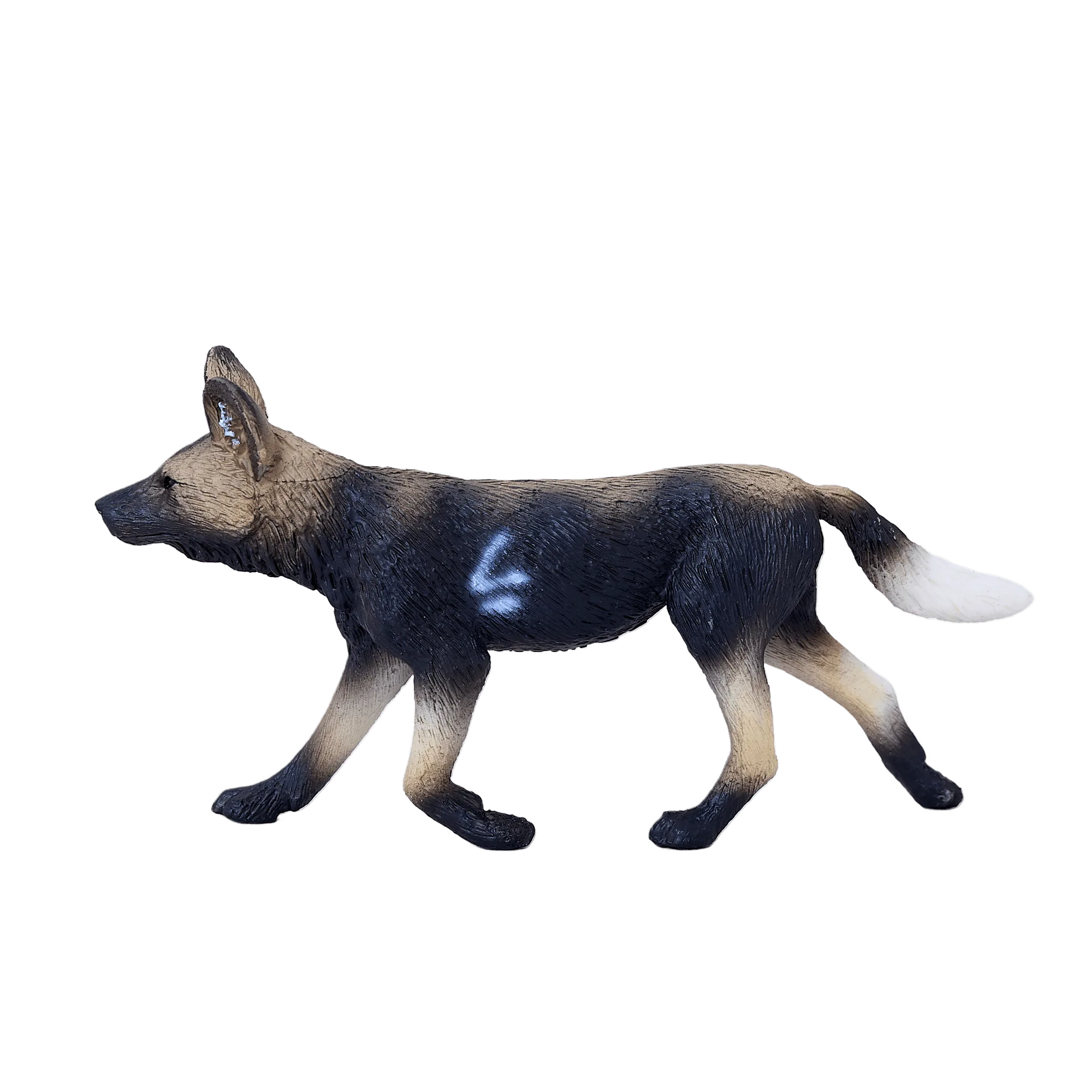
African Painted Dog
- Check the eyes and nose first: clean paint there signals overall quality.
- Look for a stable base or planted feet so the figure does not tip.
- Buy the species you actually like, not just the rare one.
Why is scale consistency suddenly a big deal?
Scale consistency matters because most collectors display figures together. A 1:12 horse next to a 1:32 dog looks wrong even if both are well made. In 2026, more buyers are checking the approximate size before purchasing, and they are grouping figures by scale rather than by brand. This is a shift from the old approach of buying whatever looked good in isolation.
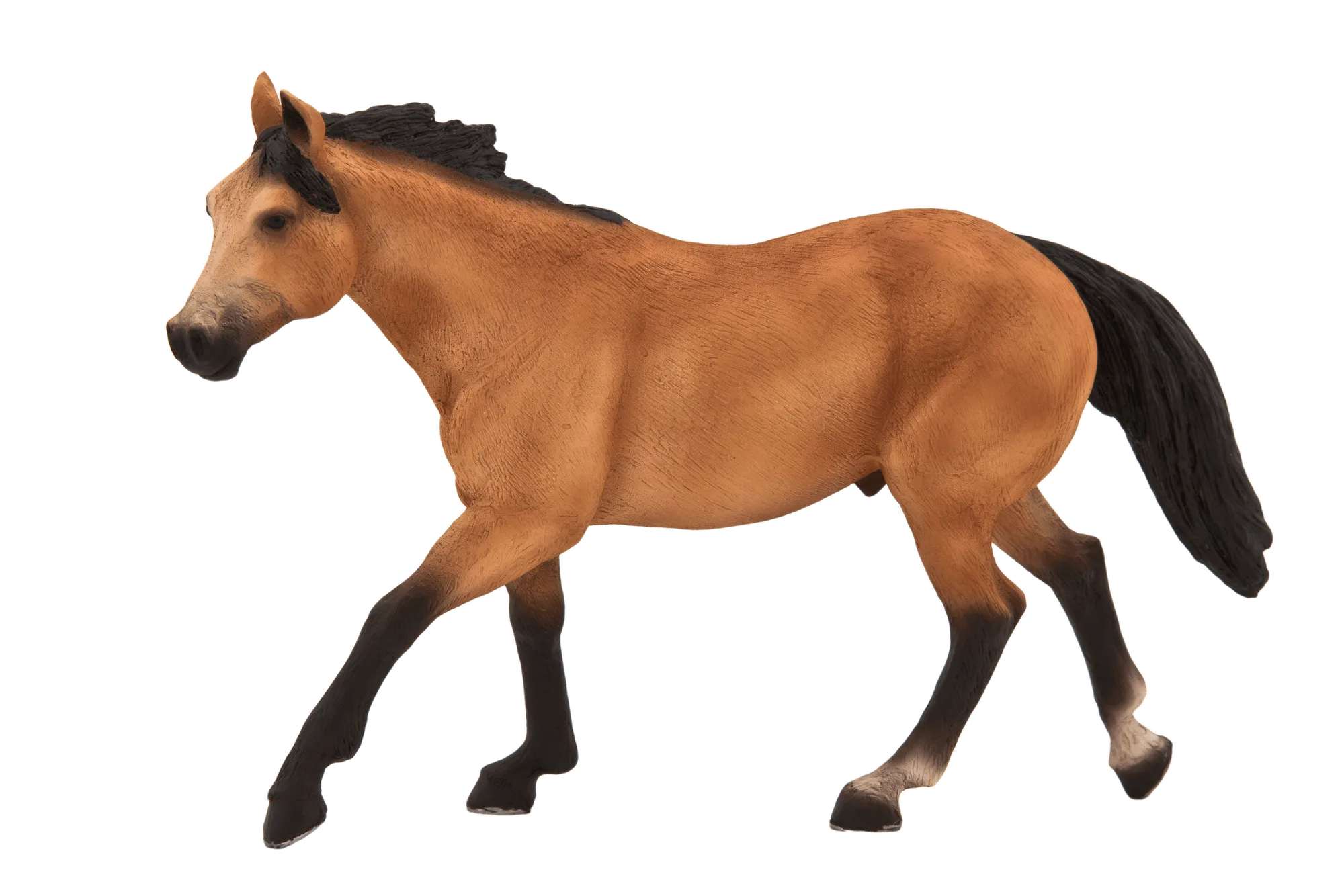
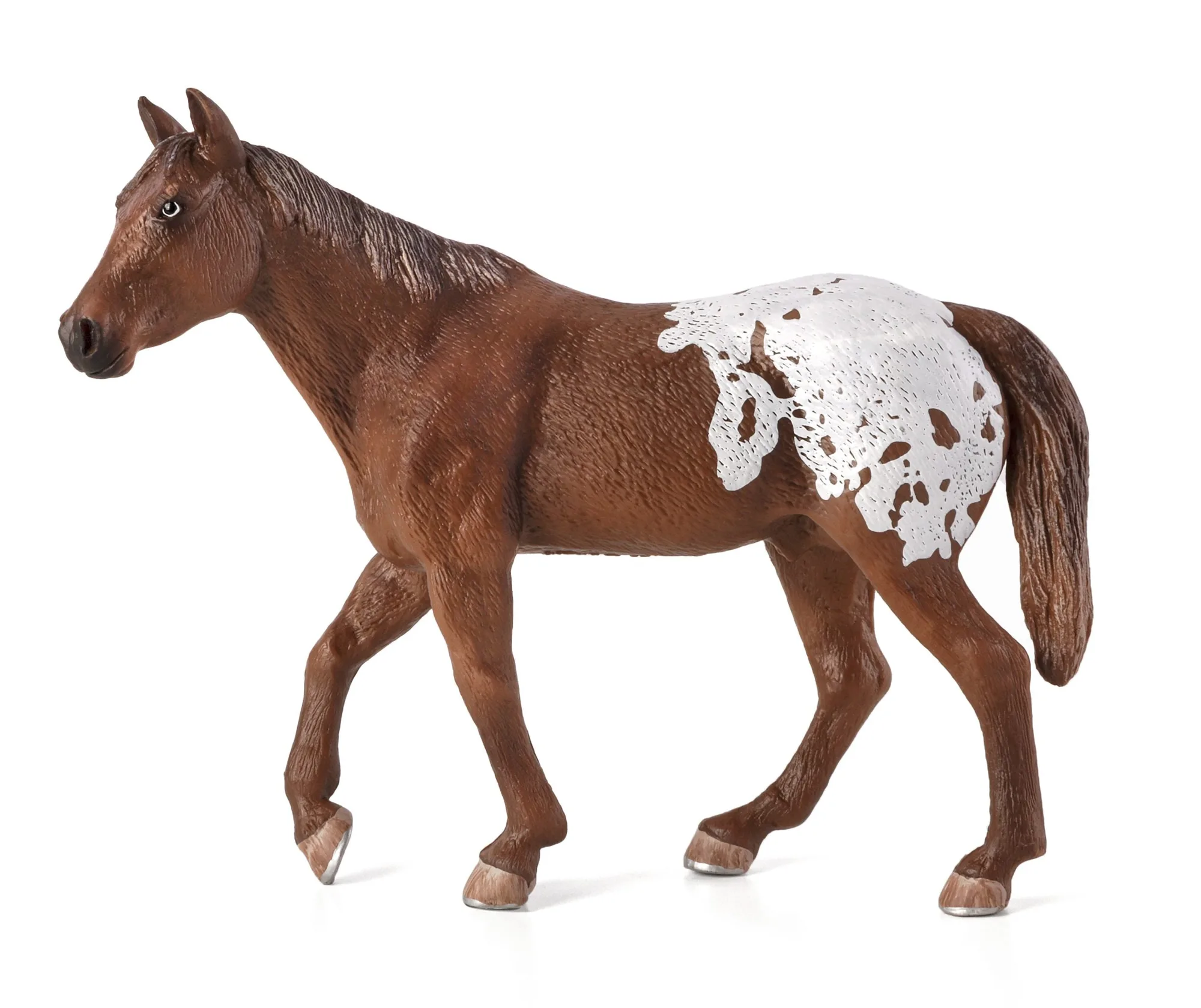
If you collect multiple species, decide on one scale for your main shelf and treat everything else as a separate display. For example, a Quarter Horse Buckskin and an https://mojofunmgb.com/products/appaloosa-stallion-chestnut-blanket-f8a0bab8a287f6897344aed1-1558983Appaloosa Stallion Chestnut Blanket work well together because both are horse figures in a similar size range. Mixing a horse with a small bird figure is fine, but give each group its own space.
- Measure your shelf depth before buying a long figure like a horse.
- Keep a note on your phone with the height of your main scale.
- Group by scale first, then by species or color.
Are realistic paint jobs worth paying more for?
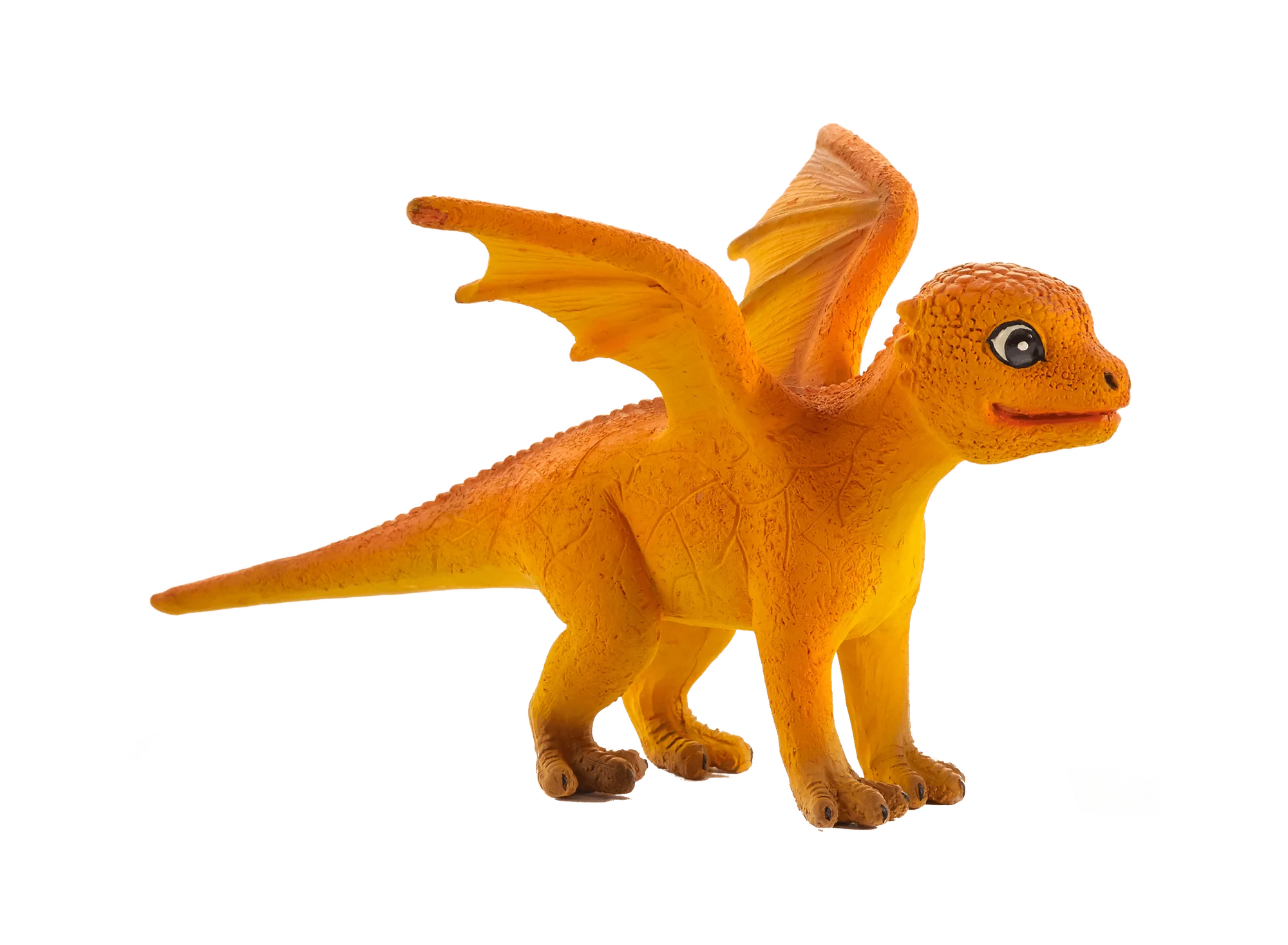
Realistic paint is usually worth a small premium because it is the hardest part to fake. Hand-painted or carefully masked details like stripes, spots, and eye lines require more labor than a single-color mold. That said, not every realistic figure needs to be expensive. The Fire Dragon Baby at $3.22 shows that even a mythological figure can have deliberate color work without a collector-grade price.
The tradeoff is durability. Thin paint on high-touch areas like noses and hooves can wear faster, especially with kids. If the figure is for display, prioritize paint detail. If it is for play, prioritize a slightly thicker finish and accept a simpler pattern. Neither choice is wrong; they just serve different buyers.
- Display figures: buy the best paint you can afford.
- Play figures: check for sealed or thicker paint on contact points.
- Avoid figures with paint already flaking in the package.
Which species are gaining collector attention?
Wild canines, horses, and mythological creatures are the three categories with the most momentum. African Painted Dogs are popular because their markings are graphic and each figure looks slightly different. Horses remain a steady seller because breed accuracy gives collectors a clear checklist to complete. Dragons and other fantasy figures attract buyers who want a display piece that is not tied to a real species.
Farm animals are also having a moment, but for a different reason: teachers and parents are buying them for educational play. A Romney Sheep Ewe at $2.72 is an easy add-on to a farm set or a classroom bin. The common thread is that collectors want figures that either teach something or tell a story, not just fill space.
- Pick one family, like canines or horses, to avoid scattered buying.
- Add a fantasy figure if you want a visual break on the shelf.
- Buy duplicates only if you plan to customize or trade.
How do you spot a good value figure under $5?
Under $5, you are looking for clean molding and honest proportions. Run your thumb along the seams; a good figure has minimal flash and no sharp edges. Check that the figure stands without leaning. Then look at the paint on the face, because that is where manufacturers cut corners first. A sharp eye and a clean nose line are the two best signals.
The Gorilla Male Silverback at $4.22 is a good example of value done right: a recognizable sculpt with a clear silverback marking, at a price that leaves room to buy more than one. The same logic applies to the African Painted Dog at $2.72. Neither is a limited edition, but both do the job of a collectible: they look right and they invite a closer look.
- Seams and flash are the fastest quality check.
- A figure that stands flat is less likely to fall and chip.
- Buy two cheap figures instead of one expensive one if you are new.
Collector trend FAQ: quick answers
Is figurine collecting still growing?
Yes, but the growth is in themed collecting rather than random buying. People pick a lane like horses, wild canines, or farm animals and build within it. Choose your theme before your next purchase.
Do collectible animal toys need to be expensive?
No. Figures priced between $2.72 and $4.22 can be collectible if the paint and sculpt are clean. Price signals rarity, not quality. Judge the face and seams, not the price tag.
What is the biggest mistake new collectors make?
Mixing scales on one shelf. It makes even good figures look off. Group by size first, then by species or color. Measure before you buy, especially for horses.
Are mythological figures part of the trend?
Yes. Dragons and similar creatures are popular because they add color and story without competing with realistic wildlife displays. Use one fantasy piece as a focal point, not a whole shelf.
Catalog examples that match current trends
- Gorilla Male Silverback: Silverback gorillas share around 98% of the same DNA as humans and are known for tool use and varied communication. A figure with a real conservation story gives collectors something to talk about, which is a growing reason people display animal models.
- African Painted Dog: The African Painted Dog has a long large intestine that helps it absorb moisture from food, so it can go long periods without drinking. Species with a unique adaptation are trending because the figure becomes a mini lesson, not just a shelf object.
- Quarter Horse Buckskin: The Quarter Horse is one of the oldest American breeds, with history beginning in Virginia in the early 17th century. Breed accuracy appeals to horse collectors who want a figure that represents a real lineage, not a generic horse shape.
- Fire Dragon Baby: Dragons are a much-loved mythological animal that are gigantic, powerful snake or reptile-like creatures, especially popular in Chinese culture. Fantasy figures let collectors add variety without breaking a realistic wildlife theme, and they often appeal to younger buyers.
Price is not the deciding factor. A $2.72