إجابة سريعة
ابدئي بستيانة بدون أسلاك وبكوب ناعم، ثم افحصي ثلاثة أشياء: شريط يبقى مستوياً ومحكماً على أوسع الخطافات، وأكواب تستقر بشكل مسطح على جدار الصدر دون انفراج، وجيب أو طبقة داخلية تثبت الثدي الاصطناعي بإحكام. إذا كنتِ بين المقاسات أو كان التورم ما زال يتغير، اشتري الشريط الذي يناسبك الآن واضبطي الكوب بوسادة قابلة للإزالة بدلاً من اختيار مقاس أكبر لمساحة قد لا تحتاجينها.
بعد الجراحة، غالباً ما يتوقف حمالة الصدر التي كانت تعمل سابقاً عن العمل. شدّ الشريط، وعمق الكوب، وموضع الدرزات كلها تغيّر من شعور القطعة، والقطعة الخاطئة تجعل كل ساعة تبدو طويلة. الخبر الجيد هو أن الميزات الأكثر أهمية سهلة التحقق بمجرد معرفة ما الذي تبحثين عنه.
يشرح هذا الدليل ميزات حمالات الصدر المخصصة بعد جراحة استئصال الثدي بدون سلك، والجيوب، ونصائح المقاسات، ودعم الكوب الناعم، مع قواعد قرار واضحة ومقايضات صادقة. كُتب لأي شخص يبني مجموعة حمالات صدر بعد الجراحة، سواء كنت تشترين أول حمالة لك أو تستبدلين واحدة لم تعد مناسبة.
بدون سلك لا يعني عدم الدعم
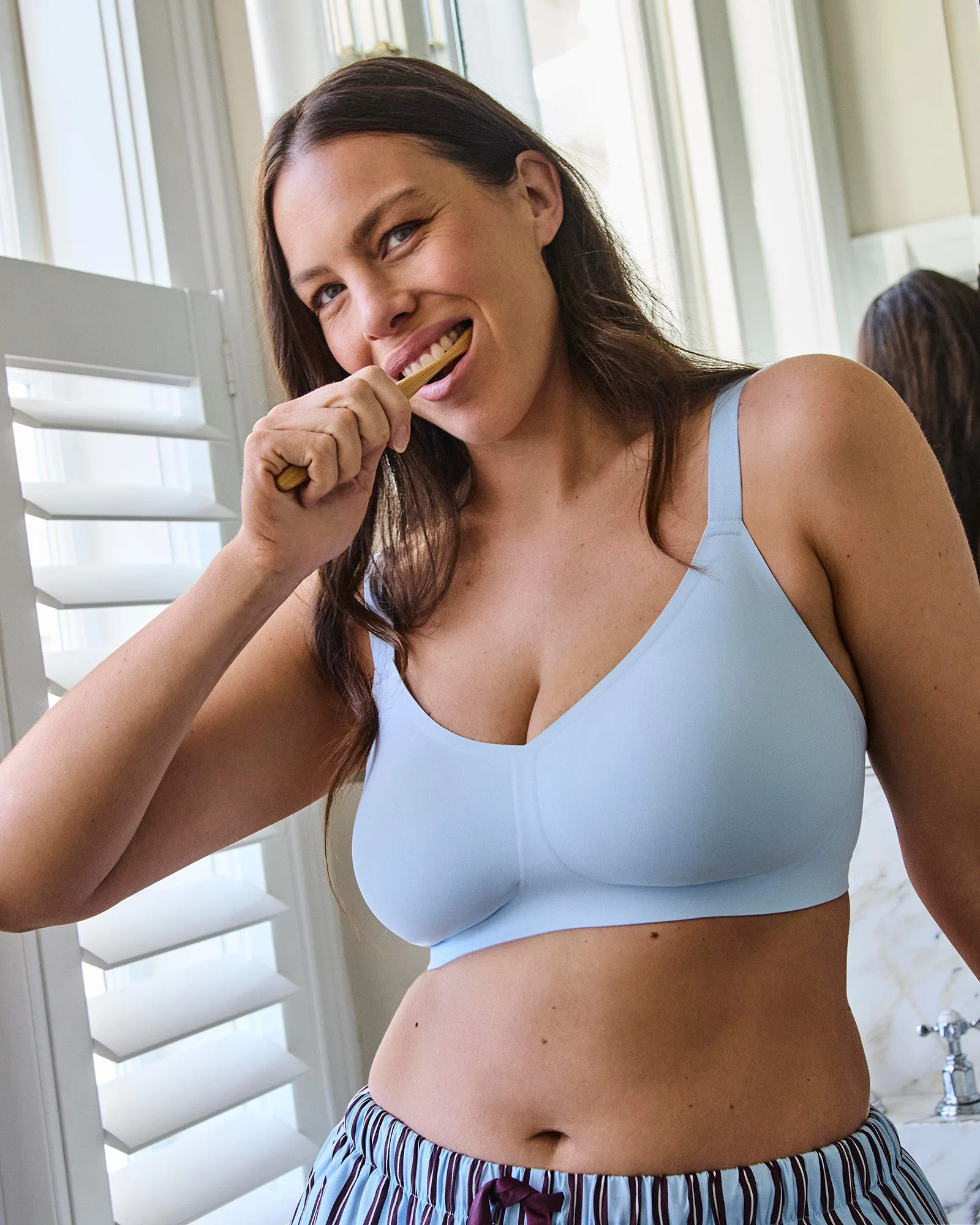
حمالة الصدر بدون سلك تدعم من خلال شدّ الحزام، وبناء الكوب، وتصميم الأشرطة بدلاً من السلك الصلب. ابحثي عن حزام تحت الصدر ثابت، وكوب مبني من قسمين أو ثلاثة، وأشرطة تتسع عند نقطة التقائها بالكتف. هذه التفاصيل الثلاثة تقوم بمعظم العمل، ولهذا يمكن لحمالة صدر ذات كوب ناعم مصنوعة جيداً أن تشعر بالثبات دون الضغط على خط الندبة أو منطقة الصدر الحساسة.
The trade-off is shape. Wirefree cups tend to give a softer, more natural profile than a structured underwire, and very full busts may find the lift is gentler. If you want a rounder line under fitted clothing, a contour style with a moulded cup can help, but check that the cup edge lies flat rather than cutting in.
- Press the centre front against your sternum: it should sit flat, not lift away.
- Run a finger under the band: it should feel snug, not digging.
- Check strap width at the shoulder, where pressure builds over a long day.
Pocketing and prosthesis security
A pocketed bra has an inner layer of fabric that holds a breast form in place, so it does not shift when you bend, reach or drive. Pockets can be on one side or both, and the opening usually sits at the top or side of the cup. If you wear a partial form or a lightweight shaper, a pocket keeps it aligned with your natural breast position rather than drifting upward.
Not every wirefree style is pocketed, so this is the feature to confirm before you buy. If you prefer not to use a pocket, a soft cup bra with a smooth inner cup can still work, but you may need to reposition the form during the day. For most people, a pocket is the single biggest upgrade to daily comfort.
- Check whether the pocket is on one side or both before ordering.
- Confirm the pocket opening position suits how you insert your form.
- If you wear a weighted form, a pocket reduces drag on the shoulder straps.
Mastectomy bra sizing tips that actually help
Measure your underbust firmly and your bust loosely, then use the brand's own size chart rather than a size you wore before surgery. Swelling, weight change and scar sensitivity can shift you by a band size or more in the first months. If you are between bands, choose the larger band and use the tighter hooks, because a band that is too small will ride up and pull on the shoulders.
Cup fit matters more than the number on the label. The cup should enclose your tissue and any form without gaping at the top or cutting across the middle. In a wirefree style, a slightly deeper cup often fits better than a shallow one, because the fabric has to do the supporting work. Recheck your size every few months while your body settles.
- Fasten on the loosest hook so you have room to tighten as the band relaxes.
- If the band rides up at the back, go down a band size or tighten the straps slightly.
- If the cup wrinkles, try a smaller cup before changing band size.
Comfort details for sensitive skin and scar lines
Soft, seamless inner cups and covered seams reduce rubbing along a scar or a sensitive chest wall. Wide, padded straps spread weight instead of concentrating it, which matters if one shoulder carries more load. Breathable fabrics help if you run warm or if surgery has changed how you regulate temperature.
Wirefree construction is often the kinder choice for post surgery bra comfort, but fabric matters too. Look for smooth cup linings and avoid heavy lace directly over a healing or sensitive area. If a style has decorative lace, check that it sits on the outer cup rather than against the skin.
- Choose smooth cup linings if seams irritate your scar line.
- Padded straps help if you carry a heavier form on one side.
- Rotate two or three bras so elastic recovers between wears.
How many bras and which styles to start with
A practical starting rotation is two everyday wirefree bras, one pocketed style for longer days out, and one soft pull-on option for rest days or sleep. That covers most weeks without overbuying while your size is still settling. Add a contour style later if you want a smoother line under fitted clothes.
If you are unsure between a pull-on and a hook-and-eye closure, remember that a pull-on is easier on limited shoulder mobility, while a hook-and-eye lets you fine-tune band tension. Many people keep one of each and choose based on the day rather than committing to a single design.
- Buy one style first, wear it for a full day, then buy a second.
- Keep a pull-on bra for low-mobility days and sleep.
- Replace any bra whose band has stretched beyond the tightest hooks.
Decision rules for choosing a mastectomy bra
- If you are still within the first few months after surgery: Choose a wirefree, soft cup style with smooth inner cups and a pocket, and avoid decorative lace against the skin while tissue is settling. Prioritise adjustability over a perfect shape for now.
- If you wear a prosthesis every day: Make a pocketed bra your default, and check that the pocket opening is easy to reach and holds the form without bunching. A pocket is the feature that most reduces daily repositioning.
- If you have limited shoulder or arm mobility: Choose a pull-on wirefree crop or a front-closing option, and look for wide, padded straps that do not need constant adjusting. Ease of dressing matters as much as fit in the first weeks.
- If you want a smoother line under fitted clothing: Look for a contour or moulded cup in a wirefree design, and check that the cup edge lies flat instead of cutting across the top of the bust. A moulded cup gives shape without a rigid wire.
- If your band rides up or your shoulders ache: Go down a band size or tighten the band rather than shortening the straps, because most support should come from the band. Fix the band first, then adjust straps.
Product facts worth knowing
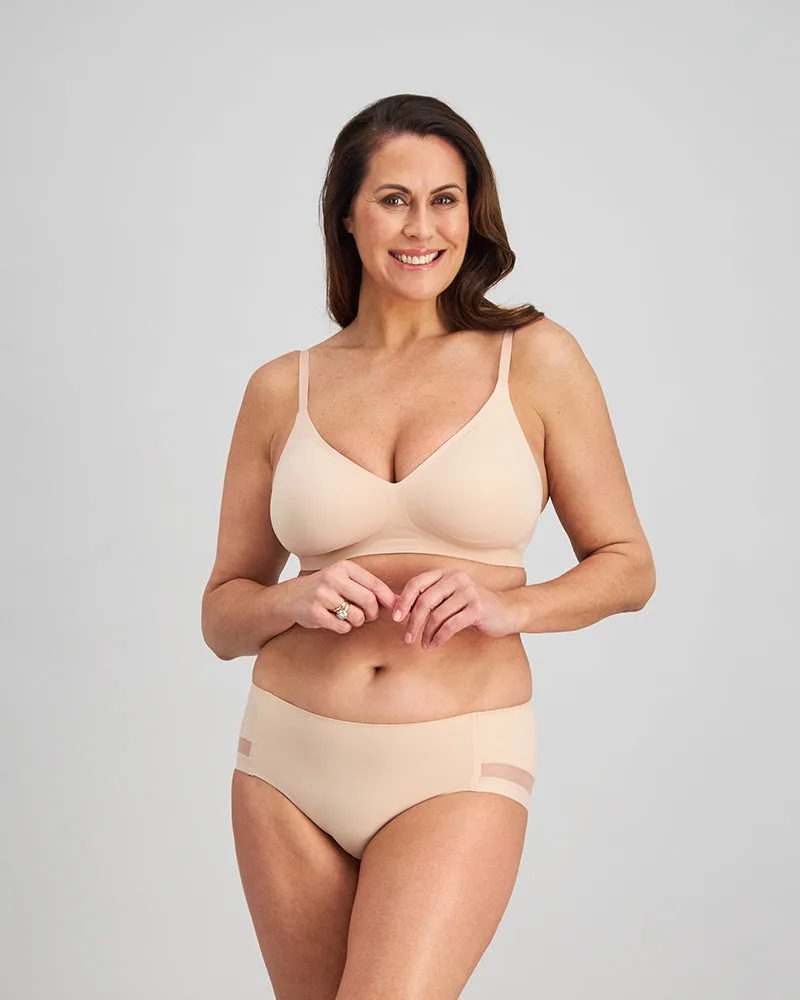
- https://bendonlingeriecim.com/products/bendon-comfit-collection-wire-free-bra-latte-25-7637-a5b6495932d3d1f5ca7275b9-1319424https://bendonlingeriecim.com/products/bendon-comfit-collection-wire-free-bra-latte-21-7637x-58f3f60f05ae65eb88f65f12-1319469Comfit Collection Wire Free Bra - Latte: Comfit Collection Wire Free Bra
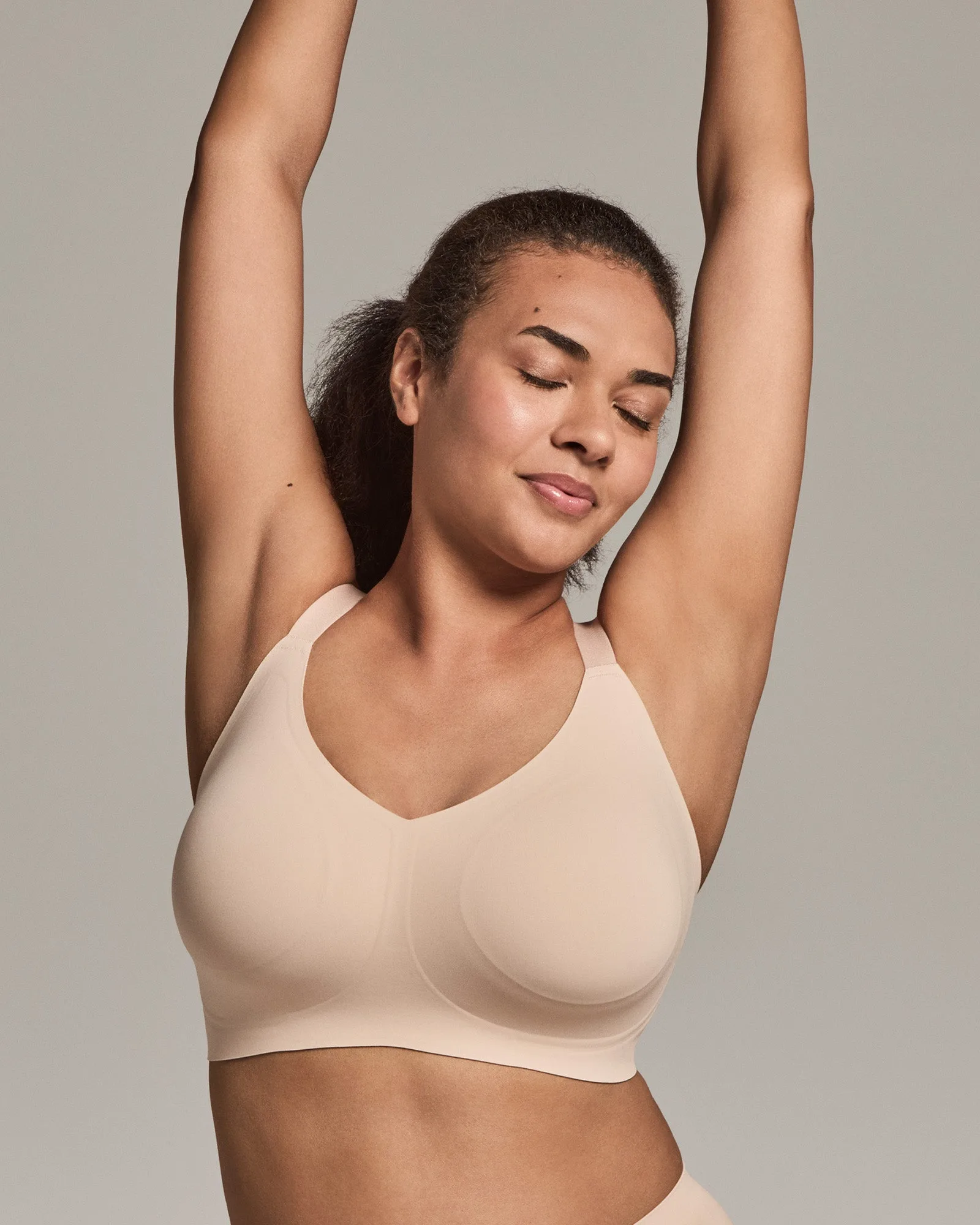
- Extra-Ordinary Crop Top - Latte: Wirefree pull-over style with a supportive band under the bust, double layered fabric and silky sleek cup fabric. A pull-on design is easier to manage if shoulder or arm mobility is limited, and the underbust band gives gentle support without an underwire.
- Charlotte Underwire Bra - White: Full coverage bra with comfort wire, three-section cup and padded comfort strap that widens over the shoulder. Useful as a comparison point: if you want a structured, rounded shape and your clinician has cleared you for underwire, this shows what a supportive seamed cup looks like.
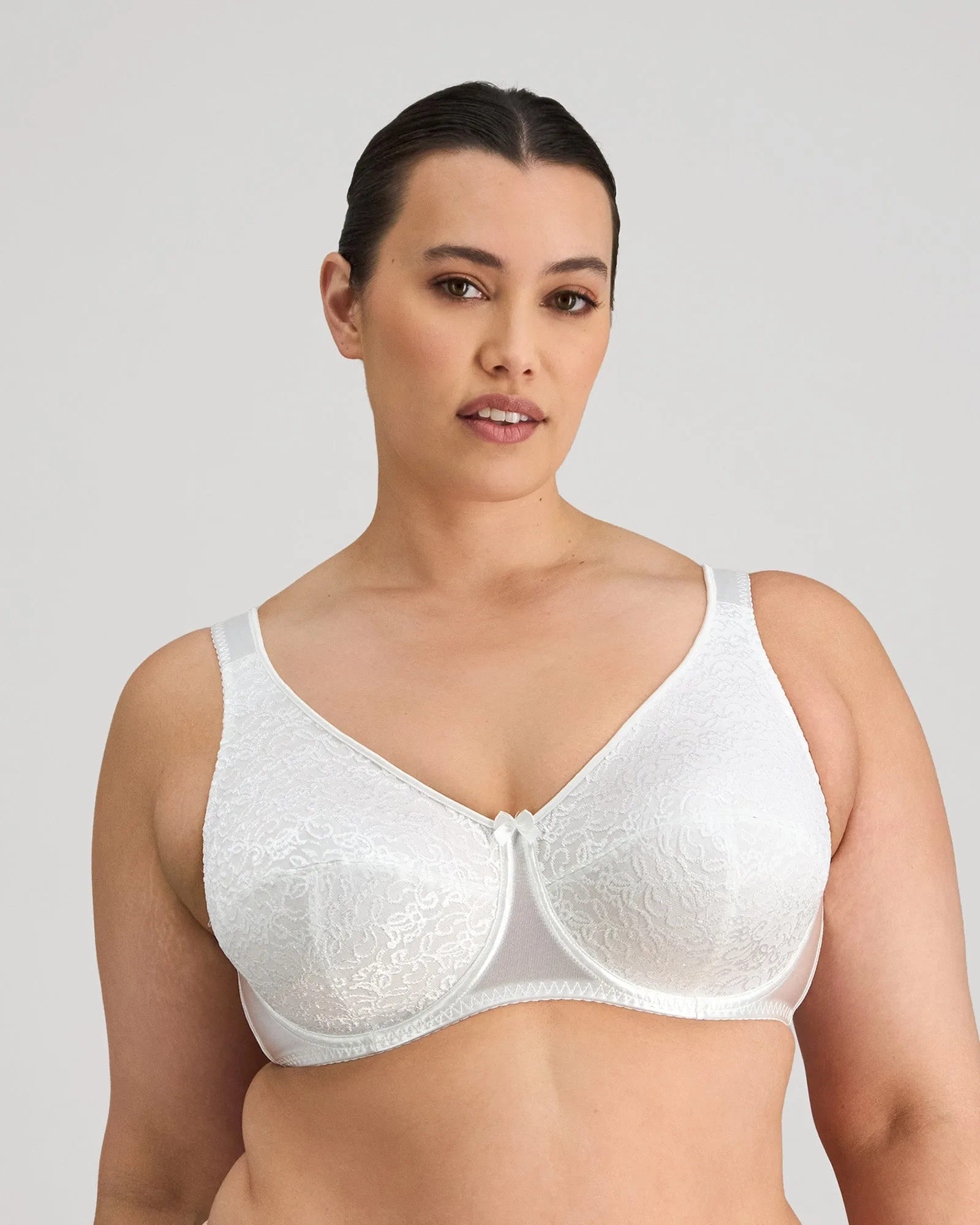
- Coral Underwire Bra - White: Three-piece cups with a top cup of sheer mesh and floral embroidery, plus thick straps and solid elastane at the back. The thick straps and firm back fabric suit fuller figures, but the embroidered mesh top cup may not be the best choice directly over sensitive or healing skin.
Who wirefree mastectomy styles suit, and who should look elsewhere
Best for
- Anyone who has had breast surgery and wants support without pressure on a scar line or chest wall
- People with sensitive skin who need smooth, seam-covered or seamless inner cups
- Those who wear a prosthesis and want a pocket to keep it secure and aligned
Not for
- Anyone whose clinician has advised a specific post-operative garment, who should follow that guidance first
- People who want maximum lift and a very rounded shape, who may prefer a structured underwire style once cleared
- Very full busts who need firm underwire support and find soft cups too gentle
A good mastectomy bra is less about a single feature and more about how the band, cup and pocket work together. Start wirefree, confirm the pocket, fit the band on the loosest hooks, and let your size guide you as your body settles. Replace styles as the elastic relaxes, and keep one pull-on option for the days when easy dressing matters most.