إجابة سريعة
اشترِ أولاً مسطرة 6 × 24 بوصة، ثم أضف مربع 6.5 × 6.5 بوصة ومربع 12.5 × 12.5 بوصة. هذه الثلاثية تغطي تقريبًا كل قصّ الشرائط، وتسوية الكتل، وقصّ المربعات. لا تضف مقاسات متخصصة إلا عندما يضطرك نمط معين إلى العمل حول المساطر التي تمتلكها بالفعل.
التسوق لشراء المساطر يصبح مربكًا بسرعة لأن كل مقاس يبدو مفيدًا على الرف. الجواب الصريح هو أن ثلاثة مقاسات تقوم بمعظم العمل، والباقي إضافات خاصة بنمط معين. إذا كنت تتساءل عن مقاس مسطرة الكويلت التي يجب شراؤها، فابدأ بالمقاسات الثلاثة أدناه ودع مشاريعك تخبرك متى تحتاج المزيد.
هذا الدليل لشراء مساطر الكويلت يتجاوز قائمة الخيارات الطويلة ويركز على القرارات: ما الذي يفعله كل مقاس فعليًا، ومتى توفر المسطرة الأكبر أو الأصغر وقتك، ومتى تكلفك المسطرة الرخيصة قماشًا أكثر مما توفره عند الدفع.
أحجام المساطر الثلاثة التي تغطي معظم القص
مسطرة 6 × 24 بوصة هي الأداة الأساسية. تقص شرائح بعرض القماش الكامل، وتقصها إلى مربعات ومستطيلات، وتمنحك حافة مستقيمة طويلة لتسوية الأقمشة. إذا كنت ستشتري مسطرة واحدة فقط، فاشترِ هذه. وهي أيضًا الحجم الذي تفترض معظم الأنماط والمجموعات المقطوعة مسبقًا أنك تمتلكه.
المربع 6.5 × 6.5 بوصة هو الشراء الثاني. يقلّم مثلثات نصف المربع، ويضبط مربعات الكتل الصغيرة، ويقطع القطع التي يصعب التحكم بها بمسطرة طويلة. المربع 12.5 × 12.5 بوصة هو الثالث: يضبط الكتل النهائية ويتعامل مع القطع الأكبر حيث تتركك مسطرة 6 بوصة تعيد التموضع باستمرار.
معًا، تغطي هذه الثلاثة قطع الشرائط، وتقليم الكتل، والضبط. أي شيء بعد ذلك هو تخصص، وليس ضرورة.
- 6 × 24 بوصة: شرائط، قطع فرعية، حواف مستقيمة طويلة
- 6.5 × 6.5 بوصة: كتل صغيرة، مثلثات نصف مربعة، تقليم دقيق
- 12.5 × 12.5 بوصة: ضبط الكتل المكتملة والقطع الأكبر
لماذا يهم اختيار المسطرة الصحيحة أكثر مع القصّات المسبقة
تأتي مجموعات القصّات المسبقة بحجمها الجاهز، مما يغير حسابات المسطرة لديك. الجيلي رول يمنحك شرائح بعرض 2.5 بوصة، لذا فإن مسطرة بعلامات 2.5 بوصة واضحة وحافة 6 x 24 بوصة متينة تتيح لك إعادة القطع دون قياس كل شريط من جديد. الخطأ هنا يهدر ما دفعت ثمنه ليكون مُقصّاً مسبقاً.
If you are working with a jelly roll, pair it with a 6 x 24 inch ruler and a 6.5 inch square. That combination handles strip quilts, jelly roll race layouts, and the subcuts most jelly roll patterns call for. You rarely need a specialty ruler for a pre-cut project unless the pattern explicitly names one.
- 2.5 inch strips from a jelly roll pair naturally with a 6 x 24 inch ruler
- A 6.5 inch square trims subcuts faster than a long ruler
- Check the pattern before buying a ruler it does not actually require
When a bigger ruler is worth it, and when it is not
Bigger rulers are not automatically better. A 12.5 inch square earns its place if you square up finished blocks or work with large pieces. A 20.5 inch square only makes sense if you regularly square up full quilt tops or large panels; otherwise it is a storage problem and a strain on your wrist.
Smaller rulers have the opposite trade-off. A 4.5 inch square is handy for mini quilts and small trims, but it is too short for strip cutting and too small for most block squaring. Buy it when a pattern repeatedly calls for it, not because it is inexpensive.
- Add a 12.5 inch square when block squaring becomes routine
- Skip oversized squares unless you square up full tops
- Small squares are pattern-specific, not starter tools
What to check before you buy any ruler
Markings matter more than brand. Look for clear, high-contrast lines at the sizes you actually cut, a 45-degree angle line for triangles, and a non-slip backing or grip strips if you cut fast. A ruler with faint markings at 2.5 and 6.5 inches will slow you down on every single cut.
Thickness is a real trade-off. Thicker rulers feel sturdier and are easier to grip, but they can be harder to slide under a rotary cutter and take up more drawer space. Thinner rulers are lighter and easier to maneuver but flex more if you press hard. Neither is wrong; match it to how you cut.
- Confirm the markings you use most are easy to read
- Check for a 45-degree line if you cut triangles
- Grip backing helps if you cut quickly or with a dull blade
Build a set instead of buying one at a time
Buying rulers one by one often costs more than a coordinated set, and sets usually include the sizes that work together. If you are starting out, a quilting ruler set with a 6 x 24 inch, a 6.5 inch square, and a 12.5 inch square covers your first several projects. Add specialty sizes only when a pattern demands them.
If you already own a 6 x 24 inch ruler, buy the squares individually rather than replacing what works. The goal is coverage, not a matching collection.
- A set is usually cheaper than buying the same three sizes separately
- Keep your existing ruler if it still has clear markings
- Add, do not replace, when a new size solves a real problem
Decision rules for buying quilting rulers
- If you own no rulers yet: Buy a 6 x 24 inch ruler, a 6.5 inch square, and a 12.5 inch square, ideally as a set. This covers strips, small blocks, and block squaring without gaps.
- If you only cut strips and subcuts: A 6 x 24 inch ruler plus a 6.5 inch square is enough; skip the large square until a pattern calls for it. Do not buy a size you cannot name a use for.
- If you square up finished blocks often: Add a 12.5 inch square before any other specialty ruler. Block squaring is the most common reason quilters outgrow a starter set.
- If a pattern names a specific ruler: Buy that exact size rather than substituting a close one you already own. Substituting usually costs more in wasted fabric than the ruler costs.
- If your current ruler has faint markings: Replace it before adding new sizes; readability affects every cut you make. A clear ruler you own beats three you avoid using.
- If you are tempted by a novelty shape: Wait until you have used that shape in a real project, then buy it. Specialty rulers are pattern tools, not starter tools.
Pre-cuts and fabrics that pair with these rulers
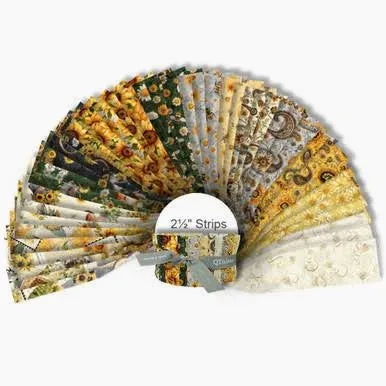
- Sunflower Serenade Jelly Roll: 2.5 inch x 44 inch strips in a coordinated palette of golds, yellows, greens, and warm neutrals, sold as a pre-cut collection. Pre-cut 2.5 inch strips are exactly what a 6 x 24 inch ruler is built to subcut, so you spend your time sewing instead of re-measuring strips.
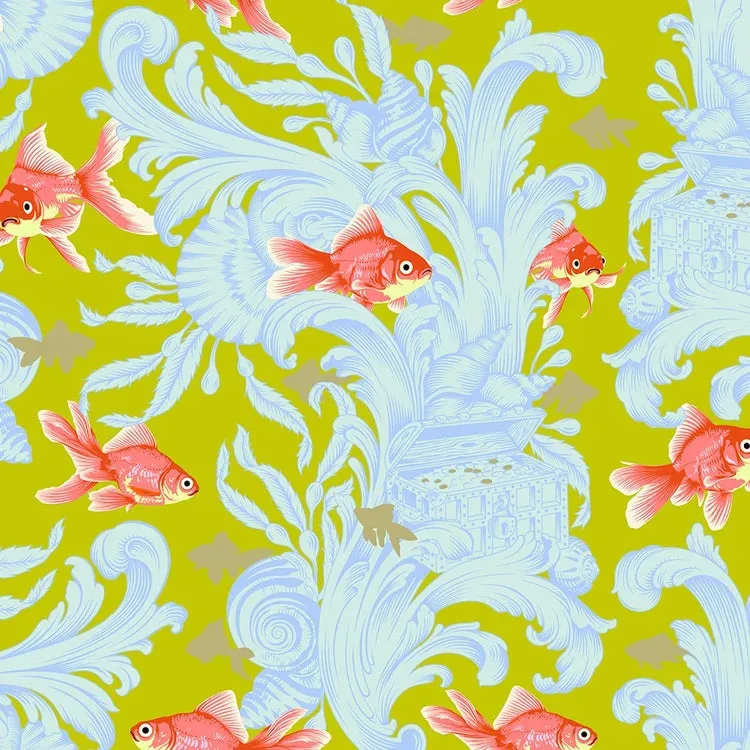
- Tula Pink Besties Treading Water - Clover 1/2 yd: 100% quilting-weight cotton, 44/45 inch wide, sold by the 1/2 yard, in the Clover colorway of the Besties collection by Tula Pink for Free Spirit Fabrics. Half-yard cuts are easy to square up with a 6 x 24 inch ruler before you cut strips, which keeps your strip widths consistent across the whole project.
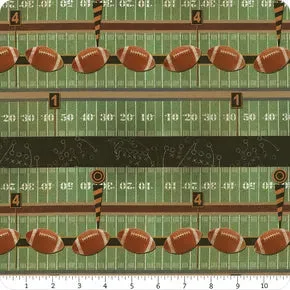
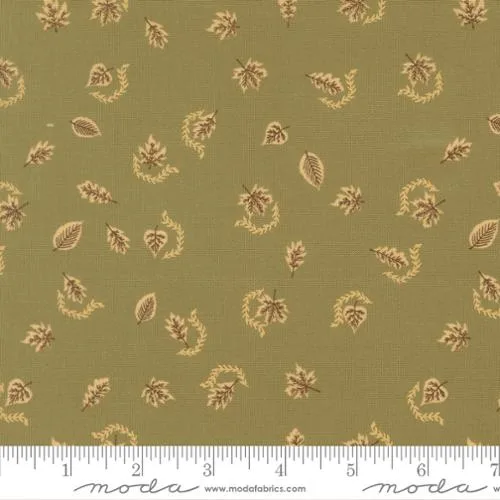
- Benartex Touchdown - Grid Iron Stripe Green/Multi 1/2 yd: 100% cotton, 44/45 inch wide, sold by the 1/2 yard, from the Benartex Touchdown collection. The stripe runs parallel to the selvedge, so a 6 x 24 inch ruler gives you a straight reference edge for cutting strips that stay consistent from one end to the other.
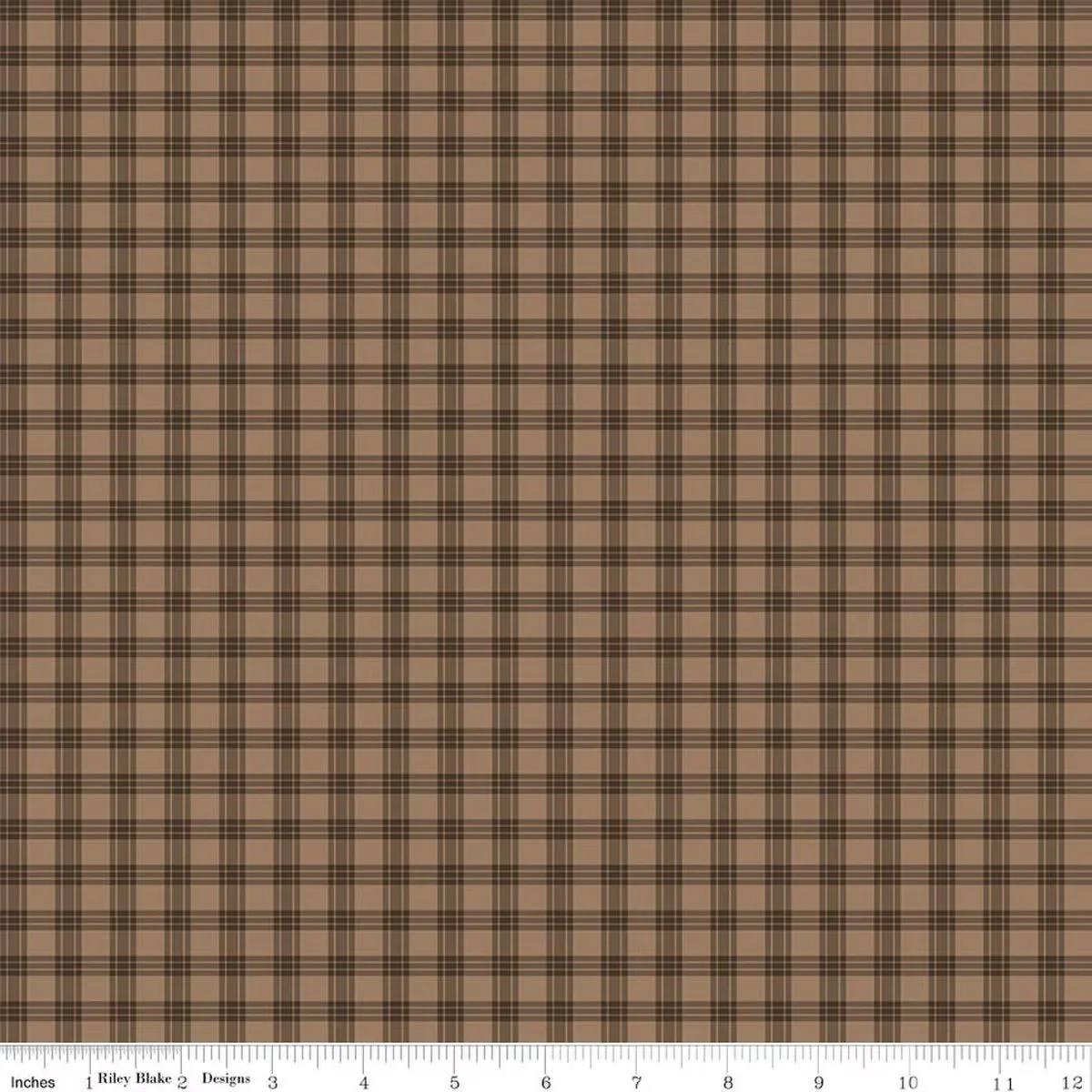
- Whispering Pines 1/2 Yard – Plaid Brown: From Whispering Pines by Riley Blake Designs, sold by the half yard as an 18 x 44 inch cut in the Plaid Brown colorway. Plaid prints make crooked cuts obvious, so this is a good fabric to test whether your ruler markings are actually easy to read.
Who this ruler advice fits
Best for
- Beginners building a first quilting ruler set
- Quilters who cut strips, subcuts, and square up blocks
- Anyone working with jelly rolls or other pre-cut collections
Not for
- Quilters who only need one specialty ruler named by a specific pattern
- Sewists who cut fabric for garments rather than quilting
- Anyone who already owns the three core sizes and cuts accurately with them
Start with a 6 x 24 inch ruler, a 6.5 inch square, and a 12.5 inch square. Add sizes only when a real project forces you to, and replace a ruler the moment its markings stop being easy to read.