Risposta rapida
Un reggiseno normale sostiene e copre principalmente il seno. Un reggiseno modellante aggiunge struttura—fasce più larghe, tessuti più rigidi o cuciture strategiche—per levigare e posizionare seno, schiena e fianchi. Se preferisci una sensazione più morbida e rilassata, di solito il reggiseno normale è la scelta migliore; se vuoi una silhouette più liscia sotto abiti aderenti, un reggiseno modellante vale la maggiore rigidità.
Se hai mai provato un reggiseno modellante e uno normale della stessa taglia, sai che possono sembrare completamente diversi. Non è un errore di taglia—è una differenza di design. Un reggiseno modellante è progettato per fare più che sostenere il busto; è pensato per levigare e posizionare le aree circostanti, il che cambia come il reggiseno calza, come si sente e come i vestiti si adattano sopra.
Questo confronto si concentra sulle differenze pratiche che noterai quando indossi ciascuno, usando esempi reali di modelli Bradelis. Riceverai anche una guida chiara su quale tipo scegliere in base al tuo corpo, al tuo outfit e a quanto tempo prevedi di indossarlo.
Cosa fa davvero di diverso un reggiseno modellante
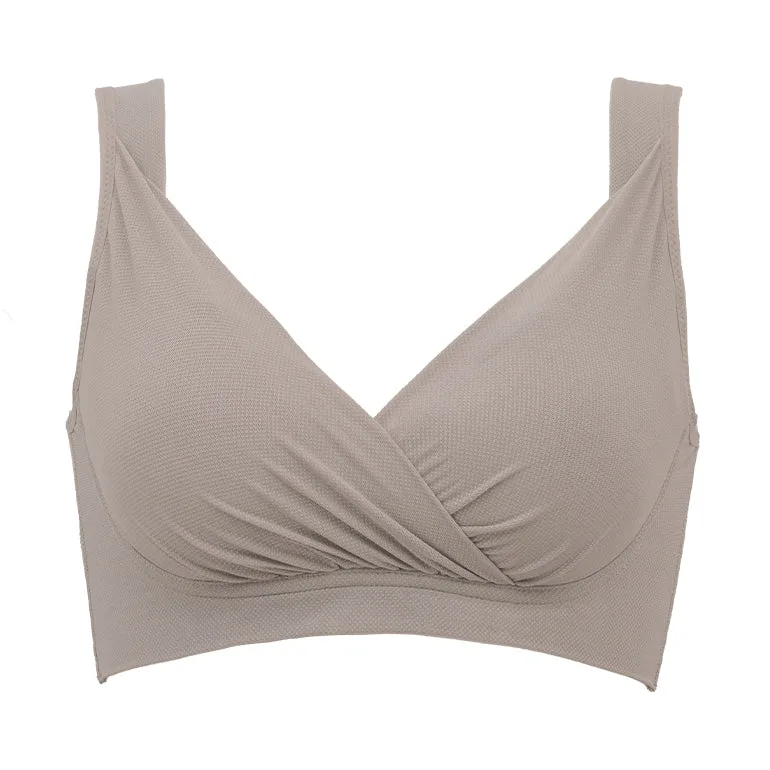
Un reggiseno modellante non è semplicemente un reggiseno più stretto. Usa una costruzione specifica—come fasce più larghe, pannelli di tessuto più rigidi o cuciture extra—per guidare il seno e levigare le aree circostanti. L'obiettivo è una silhouette più controllata, soprattutto sotto abiti aderenti o leggeri. Spesso si avverte più struttura intorno alla gabbia toracica e sotto le braccia, e il reggiseno può risultare più presente in generale.
A regular bra, by contrast, focuses on lift and coverage with less overall compression. It can absolutely fit well and feel comfortable, but it will not usually smooth the back or underarm area in the same way. That is the core trade-off: shaping bras offer more silhouette control, while regular bras offer a lighter, less structured feel.
- Check whether the shaping bra has a wider band or extra side panels—these are the features that create the smoothing effect.
- If you are new to shaping bras, start with a style that has a front closure or wireless design for easier on-and-off.
Fit differences you will notice right away
In a shaping bra, the band often sits lower and wider, and the cups may be designed to pull the bust inward and upward. This can change your usual size: you might need a different band size or cup size than in a regular bra. The fit should feel snug but not painful, and you should not see the band riding up in the back.
A regular bra typically follows your natural shape more closely. If you are between sizes, a regular bra may be more forgiving because it has less structure. With a shaping bra, the structure is the point, so a precise fit matters more. Always check that the center gore sits flat against your chest and that the wires (if present) do not dig into your ribs or underarm.
- Try the shaping bra on with the type of top you plan to wear it under—this shows you the real silhouette.
- If the band feels tight but the cups fit, consider going up one band size and down one cup size to keep the same volume.
Feel and comfort over a long day
Because shaping bras use firmer fabrics and more structure, they can feel more restrictive than a regular bra, especially in the first few wears. The payoff is that they tend to stay in place and keep their shape, so you may adjust them less often. If you are sitting for long hours or wearing a shaping bra for the first time, choose one with softer edges or a wireless design to reduce pressure points.
A regular bra usually wins on immediate comfort. It moves with you, feels lighter, and is easier to forget you are wearing. The trade-off is that it may not smooth or lift as consistently throughout the day, especially if the fabric stretches. For many people, the best approach is to keep both: a regular bra for relaxed days and a shaping bra for when you want a more polished line.
- Rotate your shaping bras with regular bras to give your skin and muscles a break from firmer compression.
- If a shaping bra leaves red marks that fade quickly, that is normal; if they last for hours or hurt, the fit is too tight.
How shaping bras work with your clothes
The biggest visible difference is under clothing. A shaping bra can smooth the back, underarm, and side areas, which makes fitted tops, dresses, and lightweight knits look cleaner. It can also change where your bust sits, which affects how necklines drape. If you are wearing a bodycon dress or a thin blouse, a shaping bra often makes the outfit look more intentional.
A regular bra is usually enough for looser clothing, casual days, or when you want a more natural shape. It will not fight against the fabric of your top, but it also will not smooth areas outside the cups. The choice comes down to how much you want your bra to influence the final silhouette.
- For backless or low-back outfits, a shaping bra may not work—look for a convertible or adhesive option instead.
- If your top is very sheer, choose a shaping bra with smooth cups to avoid texture showing through.
Do shaping bras work for everyone?
Shaping bras can work for many body types, but they are not a magic fix. They are designed to smooth and position, not to permanently change your shape. Results depend on the bra's construction and how consistently you wear it. Some people see a noticeable difference in how clothes fit; others see a subtler change. That is normal.
If you have a larger bust, a shaping bra with strong side support and a firm band can help distribute weight more evenly. If you have a smaller bust, a shaping bra may be more about smoothing the back and sides than adding volume. In both cases, the fit has to be right—otherwise you will just feel compressed without the benefit.
- Set realistic expectations: a shaping bra improves the line under clothes, but it does not replace the need for a well-fitting size.
- If you are unsure, start with a wireless shaping style to see how your body responds before trying firmer underwire options.
Trade-offs to weigh before you choose
- Structure vs. freedom: A shaping bra uses firmer fabrics and more panels to smooth and lift, which can feel more restrictive than a regular bra. A regular bra moves with you but offers less silhouette control. Choose shaping for polished outfits; choose regular for relaxed, all-day ease.
- Fit precision vs. forgiveness: Shaping bras are less forgiving of a size mismatch because their structure is doing the work. Regular bras tend to adapt more easily to small size variations. If you are between sizes, get fitted for a shaping bra rather than guessing.
- Long-wear comfort vs. all-day shaping: You may notice a shaping bra more after several hours, especially if it is new. Regular bras are usually easier to forget you are wearing. Rotate between the two so your body gets a break from firmer compression.
Real styles that show the difference
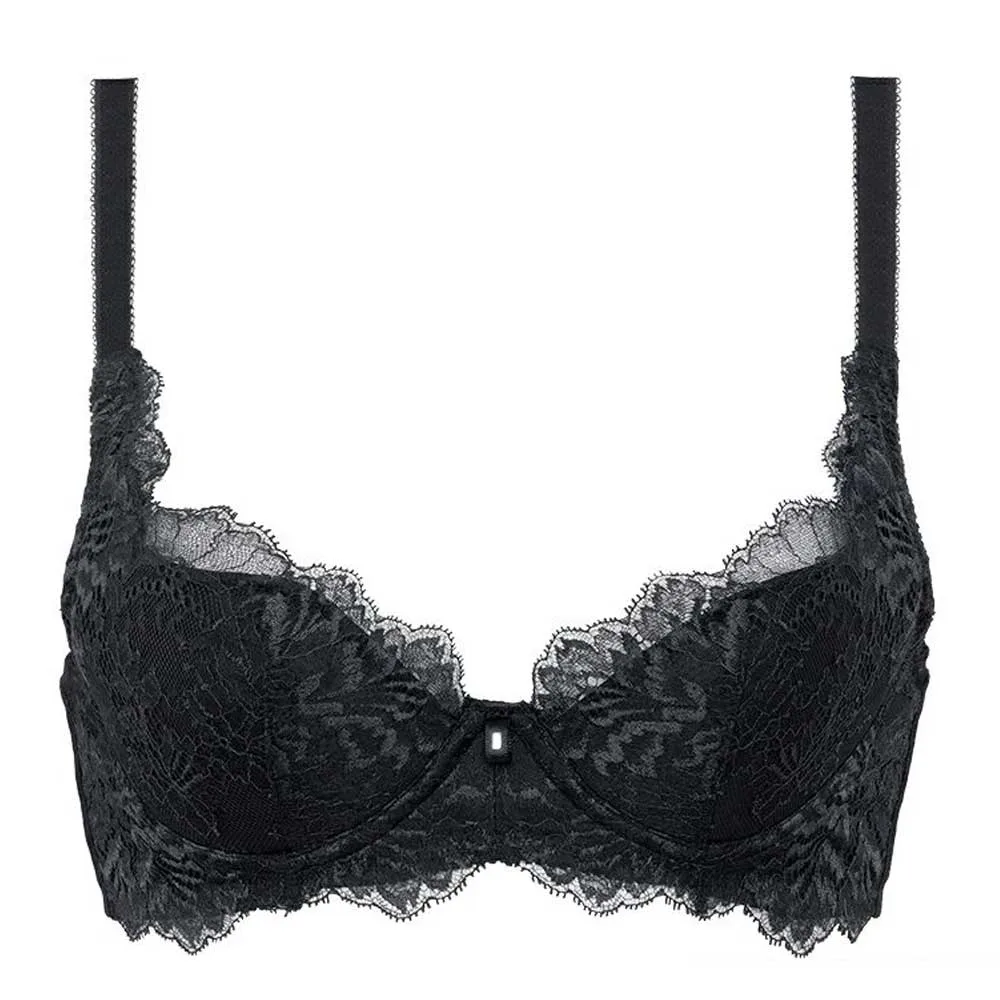
- Viola Contour Perfection Bra (E-G Cup Sizes): This Step 3 contour perfection bra features balconette cups with leavers lace and narrow cups and center gore for intense lift, plus triangular panels between the cups and straps for extra side support. If you want maximum lift and a more controlled bust shape, this is a shaping bra that prioritizes silhouette over a soft, relaxed feel.
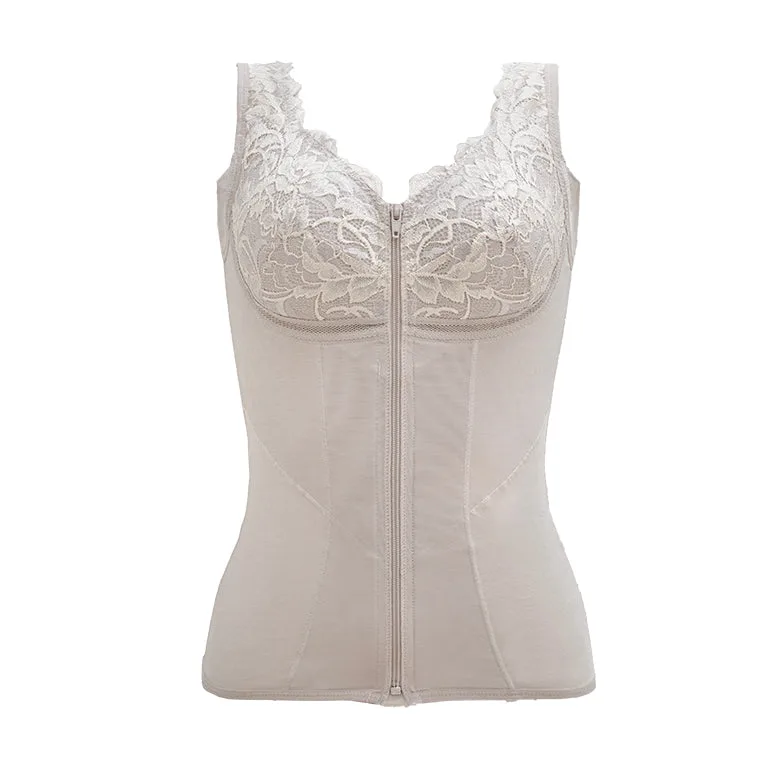
- Zip Front Wireless Bra Camisole 25: This front-zipper, non-wire shaping bra camisole uses a full-cup design to lift and shape the bust for a compact, smooth look, and the front zip makes it easy to put on without reaching behind. A good middle ground if you want shaping without underwire, and the front closure helps if you have limited shoulder mobility or just want faster dressing.
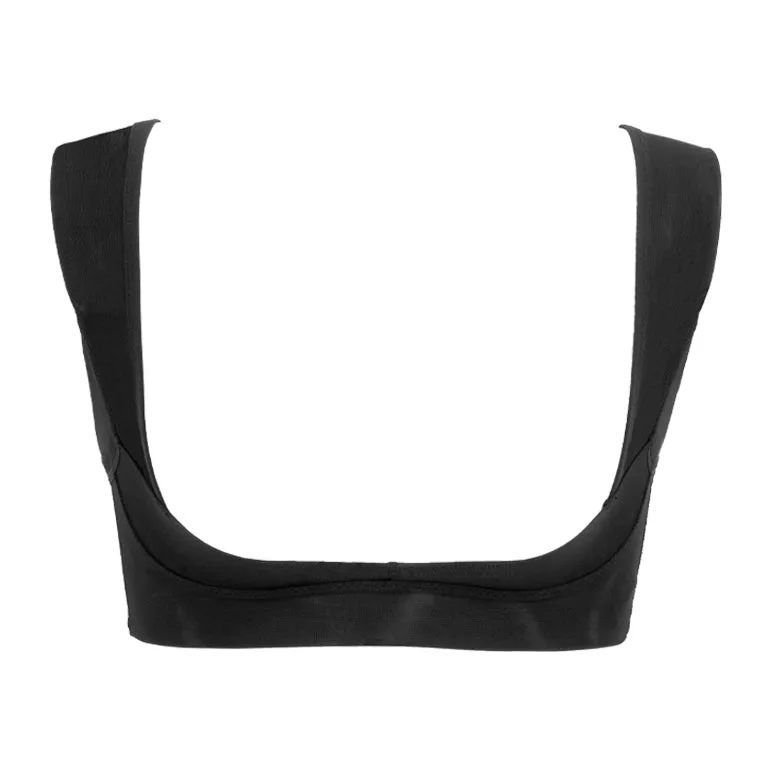
- Bust-Fit Shaping Lifter: Worn with a bra, this lifter supports the bust from the sides to the center and holds the armpit and back areas to help achieve a firmer, more centered shape. Useful when you already like your regular bra but want extra smoothing and lift in the underarm and back—it adds shaping without replacing your bra.
Which one should you choose?
A regular bra, by contrast, focuses on lift and coverage with less overall compression. It can absolutely fit well and feel comfortable, but it will not usually smooth the back or underarm area in the same way. That is the core trade-off: shaping bras offer more silhouette control, while regular bras offer a lighter, less structured feel.
- Check whether the shaping bra has a wider band or extra side panels—these are the features that create the smoothing effect.
- If you are new to shaping bras, start with a style that has a front closure or wireless design for easier on-and-off.
- Fit differences you will notice right away
In a shaping bra, the band often sits lower and wider, and the cups may be designed to pull the bust inward and upward. This can change your usual size: you might need a different band size or cup size than in a regular bra. The fit should feel snug but not painful, and you should not see the band riding up in the back.
- A regular bra typically follows your natural shape more closely. If you are between sizes, a regular bra may be more forgiving because it has less structure. With a shaping bra, the structure is the point, so a precise fit matters more. Always check that the center gore sits flat against your chest and that the wires (if present) do not dig into your ribs or underarm.
- Try the shaping bra on with the type of top you plan to wear it under—this shows you the real silhouette.
- If the band feels tight but the cups fit, consider going up one band size and down one cup size to keep the same volume.
Feel and comfort over a long day