빠른 답변
두 개의 중심 피규어로 시작하세요: 목양견과 역마. 말은 목초지에, 개는 가장자리에 두고, 그 관계를 중심으로 나머지 농장을 구성하세요. 감각 놀이 기반, 울타리 몇 개, 그리고 각 동물에게 하나의 단순한 임무를 추가하세요. 아이가 혼자서 다시 정리할 수 있을 만큼 작게 유지하세요.
동물에게 역할이 있을 때 농장 장면이 가장 잘 작동합니다. 목양견은 가축을 몰고, 역마는 끌고 운반합니다. 각 피규어에 역할을 주면, 놀이는 장난감 더미가 아니라 해결할 문제가 있는 이야기가 됩니다.
이 가이드는 Mojo Fun USA 제품군의 피규어를 사용하여 10분 안에 만들 수 있는 반복 가능한 세팅을 안내합니다. 앵커 페어, 감각 베이스, 스케일, 스토리텔링 프롬프트, 그리고 격렬한 놀이 후에도 페인트 피규어를 멋지게 유지하는 관리 습관을 다룹니다.
먼저 두 개의 앵커 피규어를 고르세요
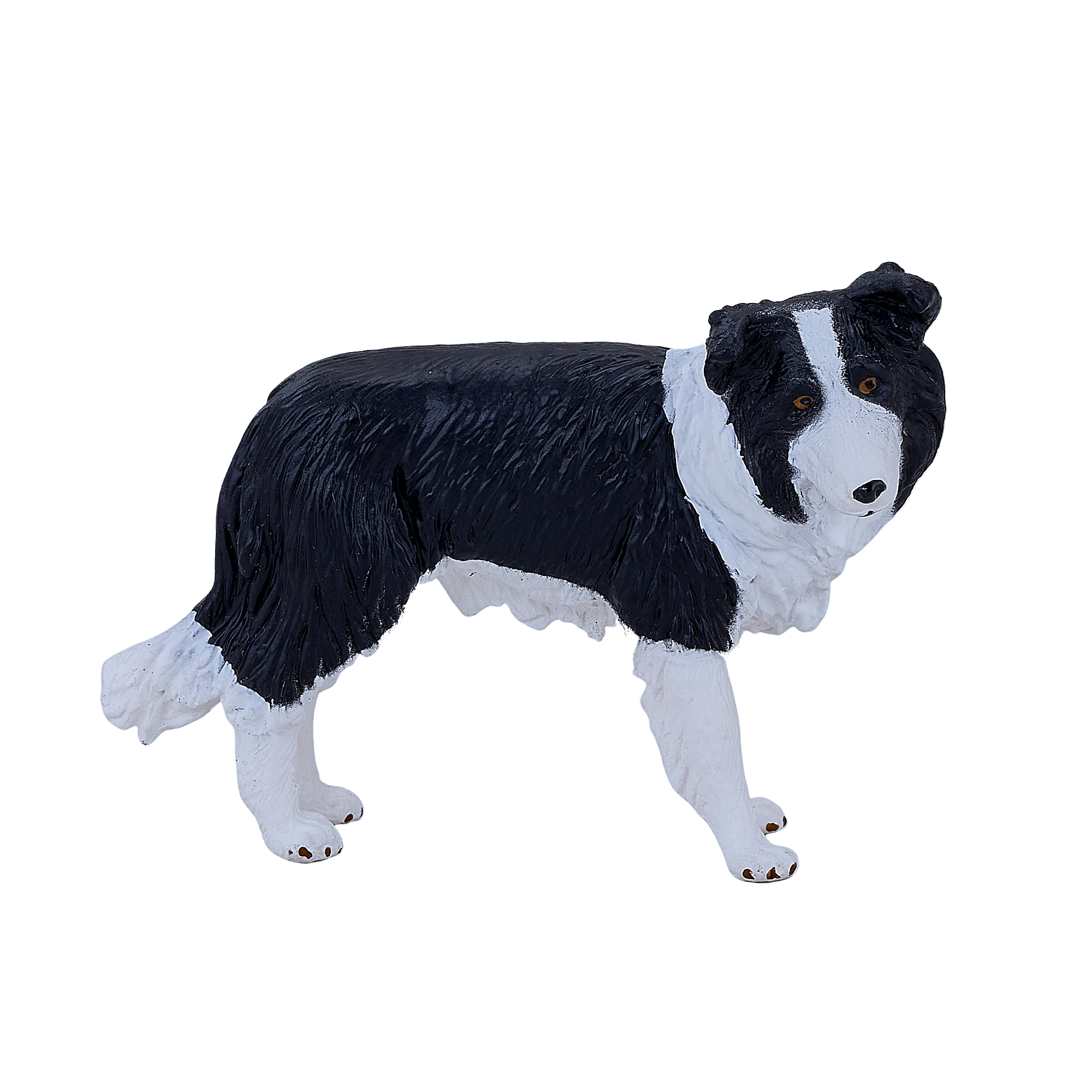
모든 농장 장면에는 중심이 필요합니다. 일하는 동물 한 마리와 큰 동물 한 마리를 고르고, 나머지는 모두 그 둘을 보조하게 하세요. 목양견 피규어는 움직임과 임무를 제공합니다. 드래프트 호스는 무게감을 주고 울타리, 수레, 문이 존재할 이유를 만듭니다. 둘이 함께 있으면 자연스러운 갈등이 생깁니다. 개는 동물을 움직이게 하고 싶어 하고, 말은 서서 일하기를 원합니다.
If you already own a Border Collie figure, pair it with a Suffolk Punch Mare toy. The size difference is the point. A draft horse reads as heavy and slow next to a quick, low dog, and kids pick up on that contrast without being told.
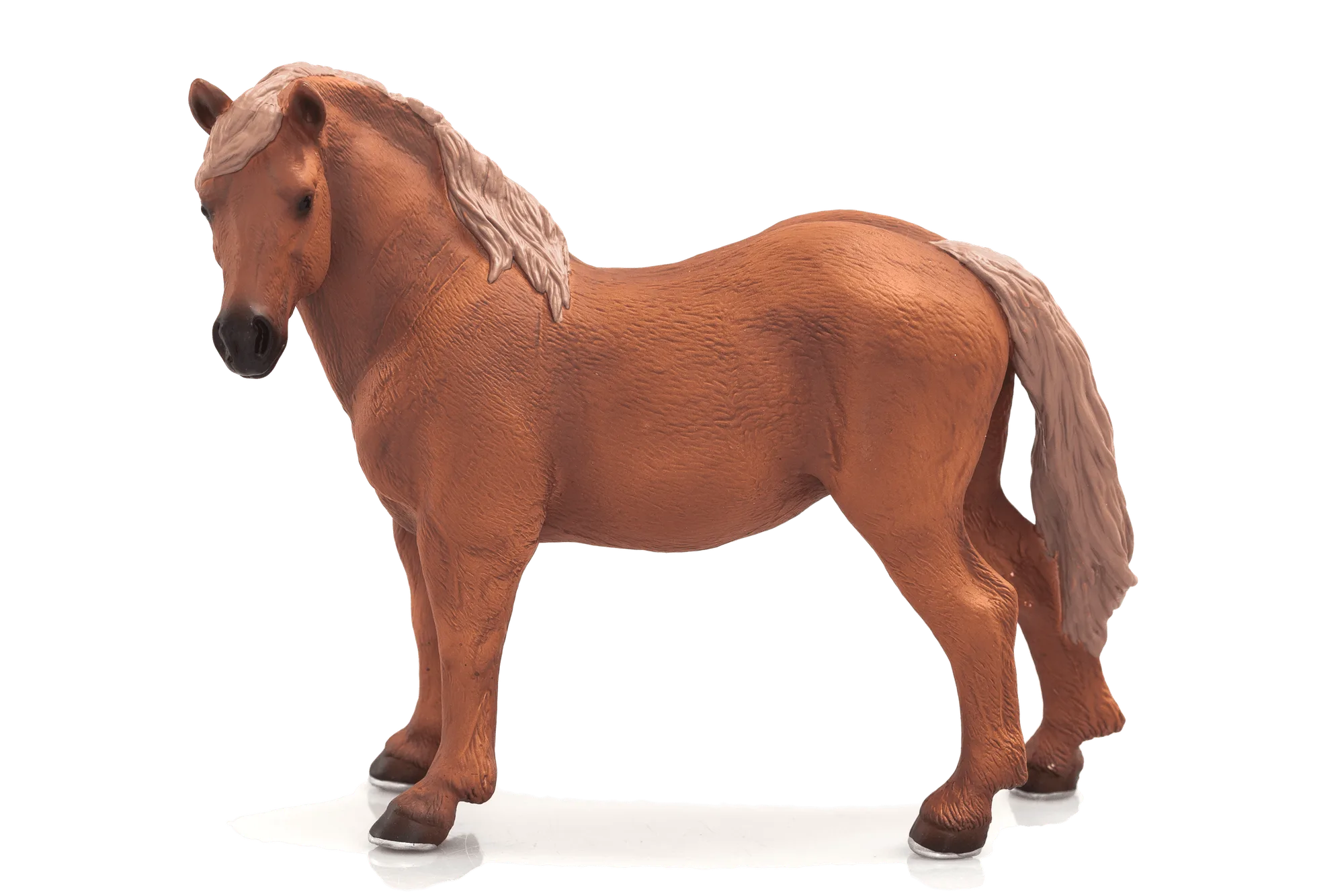
Suffolk Punch Mare
- Place the two anchors facing each other at the start of play so the relationship is obvious.
- Avoid starting with five or more animals. Too many figures at once flattens the story.
Build a sensory base that supports the story
A farm themed sensory bin does not need to be complicated. A shallow tray with dried oats, play sand, or shredded paper gives hooves and paws something to press into. Add a small dish of water only if you are supervising, since standing water and painted figures do not mix well over time.
Shape the base into zones: a flat pasture, a rougher path, and a small yard near the barn. The dog works the path. The horse stands in the pasture or backs up to a fence. Zones give kids a reason to move figures instead of just holding them.
- Keep the base under an inch deep so figures stand upright instead of sinking.
- Skip kinetic sand if the figures will be handled by very young children; it works into joints and paint seams.
Check scale before you add buildings
Nothing breaks a farm scene faster than a barn that is the wrong size for the animals. Before you buy or print anything, stand your anchor figures next to the building and look at the door height. A draft horse should look like it barely fits through a stable door. A herding dog should look like it could slip under a gate.
If you are mixing brands, accept that scale will drift. Keep the mismatch inside the scene rather than fighting it: put smaller figures in the far pasture and larger ones near the camera. Kids rarely notice, but they do notice when a horse cannot fit through a doorway.
- Photograph your setup once. The photo makes scale problems obvious fast.
Give each animal one clear job
Assign tasks out loud as you set up. The dog moves the herd from the far field to the yard. The horse pulls a cart, plows a row, or waits at the gate. Once a figure has a job, children start inventing obstacles: a broken fence, a stray calf, a storm coming in.
Rotate jobs between sessions instead of buying more figures. The same horse can be a plow horse on Monday and a show horse on Saturday. Rotation keeps a small collection feeling fresh and teaches kids that one object can hold several roles.
- Write the jobs on a sticky note and leave it in the bin. It resets play fast on a busy afternoon.
Add one problem per session
A single problem turns a display into a game. The gate is stuck. One sheep is missing. The cart wheel came off. Let your child solve it with the figures already in the bin rather than handing them a new toy.
This is where a herding dog figurine earns its place. Dogs solve problems by moving things, so the child has to decide direction, speed, and patience. A draft horse solves problems by pulling, so the child has to decide force and angle. Two different problem-solving styles in one bin is a lot of play value for two small objects.
- Keep a small box of loose parts, such as string, twigs, and cardboard, next to the bin for fixes.
Reset and care for the figures
At the end of play, shake off loose material and wipe figures with a dry or barely damp cloth. Do not soak them, and do not leave them in a sealed bin with damp sand. Painted detail holds up well to normal handling but not to standing moisture or direct sun on a windowsill.
Store the anchors together so the next session starts with the same pair. A small cloth bag or a divided box works better than a deep toy chest, where legs and tails can bend under weight.
- Check tails, ears, and thin legs for bends after rough play and straighten them gently by hand.
- Keep the bin out of direct sunlight to slow paint fading over months of use.
Six-step farm play setup
- Choose the anchor pair: Set out one herding dog and one draft horse before anything else. Put them facing each other so the working relationship is visible from the first second. Checkpoint: if you cannot name each animal's job in one word, the pair is not ready.
- Lay the sensory base: Fill a shallow tray with oats, sand, or shredded paper and shape it into pasture, path, and yard zones. Keep the layer thin so figures stand upright. Mistake to avoid: overfilling the tray so hooves disappear and figures tip over.
- Test scale with one building: Stand a barn or fence next to the horse and dog. The horse should look like it barely fits through the door; the dog should look like it could slip under a gate. Checkpoint: if the building dwarfs both figures, move it to the background.
- Assign one job per animal: Say the jobs out loud as you place each figure. The dog moves stock. The horse pulls, plows, or waits. Write the jobs down if you want a fast reset next time. Mistake to avoid: giving one animal three jobs, which stalls the story.
- Introduce a single problem: Add one obstacle, such as a stuck gate or a missing animal, and let your child solve it using only the figures already in the bin. Checkpoint: the problem should be solvable in under two minutes of play.
- Reset and store dry: Shake off loose material, wipe figures with a dry or barely damp cloth, and store the anchor pair together away from sunlight and heavy stacking. Mistake to avoid: sealing damp sand in the bin with painted figures.
Figure facts that shape the setup
- Brumby Mare: The Brumby Mare is a realistic equine figure built for imaginative wild rides and stable play. It works as a lighter, faster horse in the pasture zone, so it contrasts with a heavy draft horse.
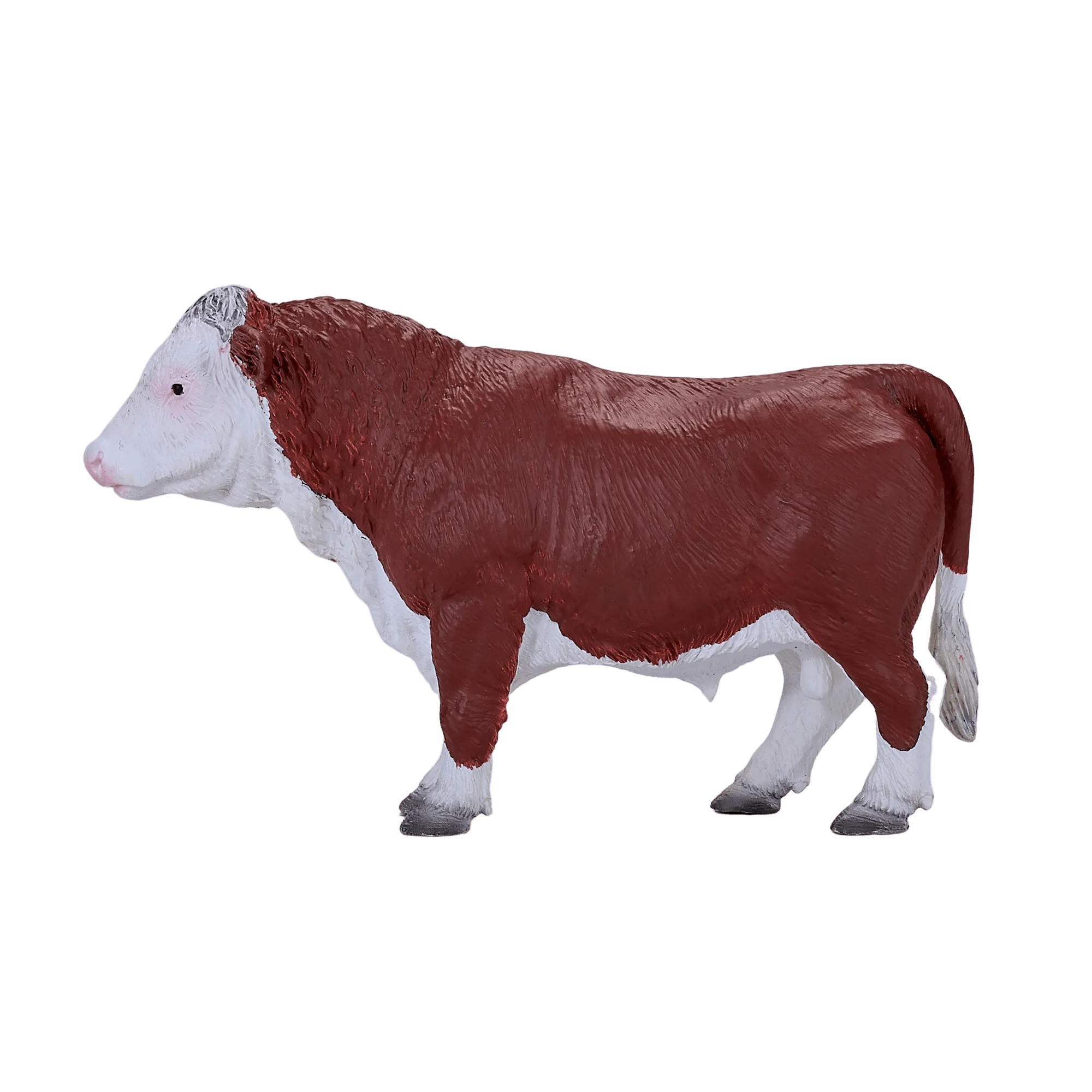
- Hereford Bull: The Hereford Bull is a hand-painted Farm Animals Collection figure made from Polyvinyl Chloride, designed by artisans in the UK. It gives the herding dog something to move, which is the core action of farm play.
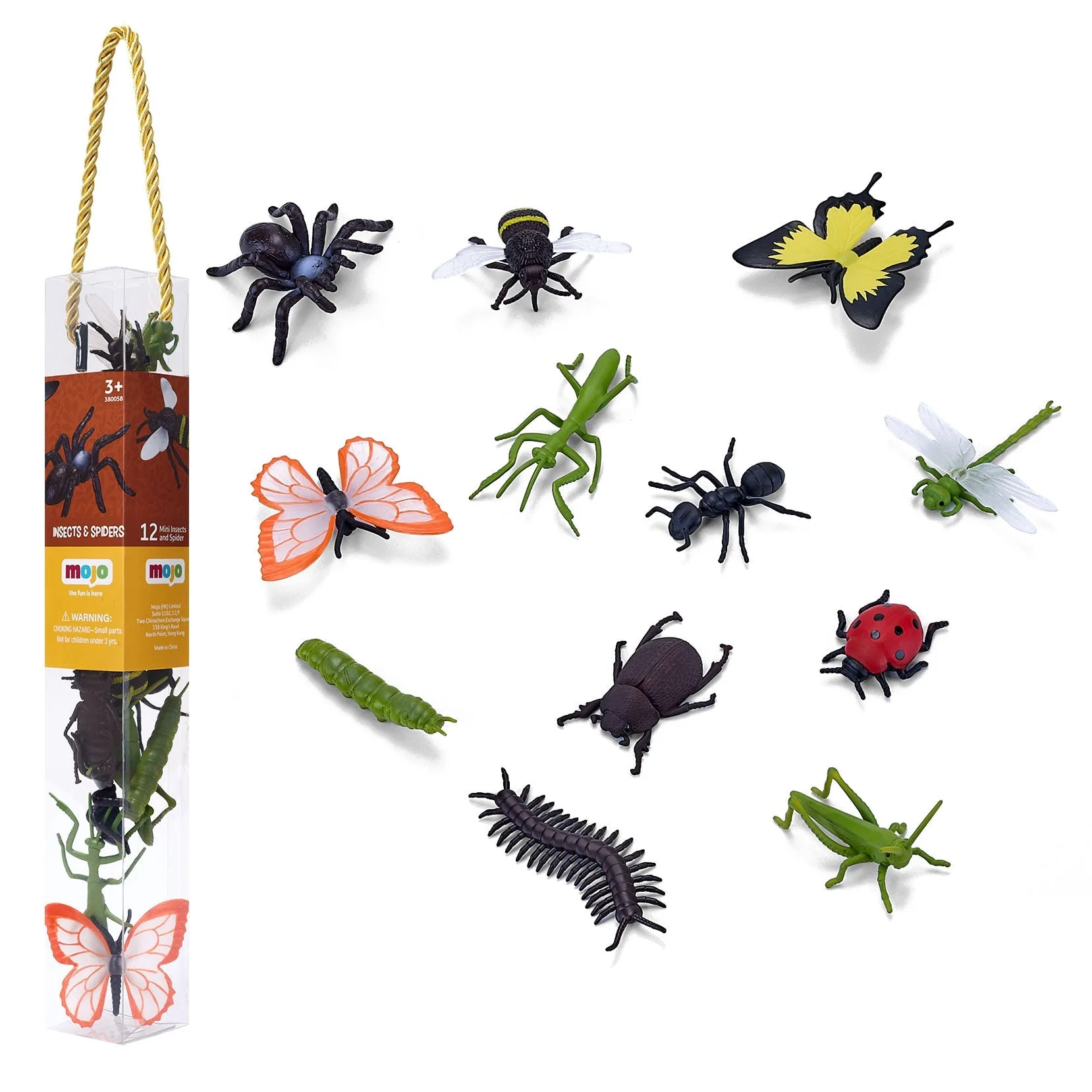
- Insects and Spider Mini Worlds Playset: The Mini Insects and Spider Playset is a 12-piece set from the MOJO Wildlife Collection, made from Polyvinyl Chloride and designed by artisans in the UK. Small insects add ground-level detail to a sensory bin without competing with the large farm animals.
If you already own a