Snel antwoord
Koop een rammelaar bijtring die je baby kan vasthouden zonder te kokhalzen, die geen kleine losse onderdelen heeft en die past bij hoe je baby daadwerkelijk tandjes krijgt. Voor de meeste gezinnen is één goed gemaakte ring met een glad, niet-giftig oppervlak beter dan een gadget met meerdere onderdelen. Controleer maat, materiaal en constructie voordat je naar de prijs kijkt.
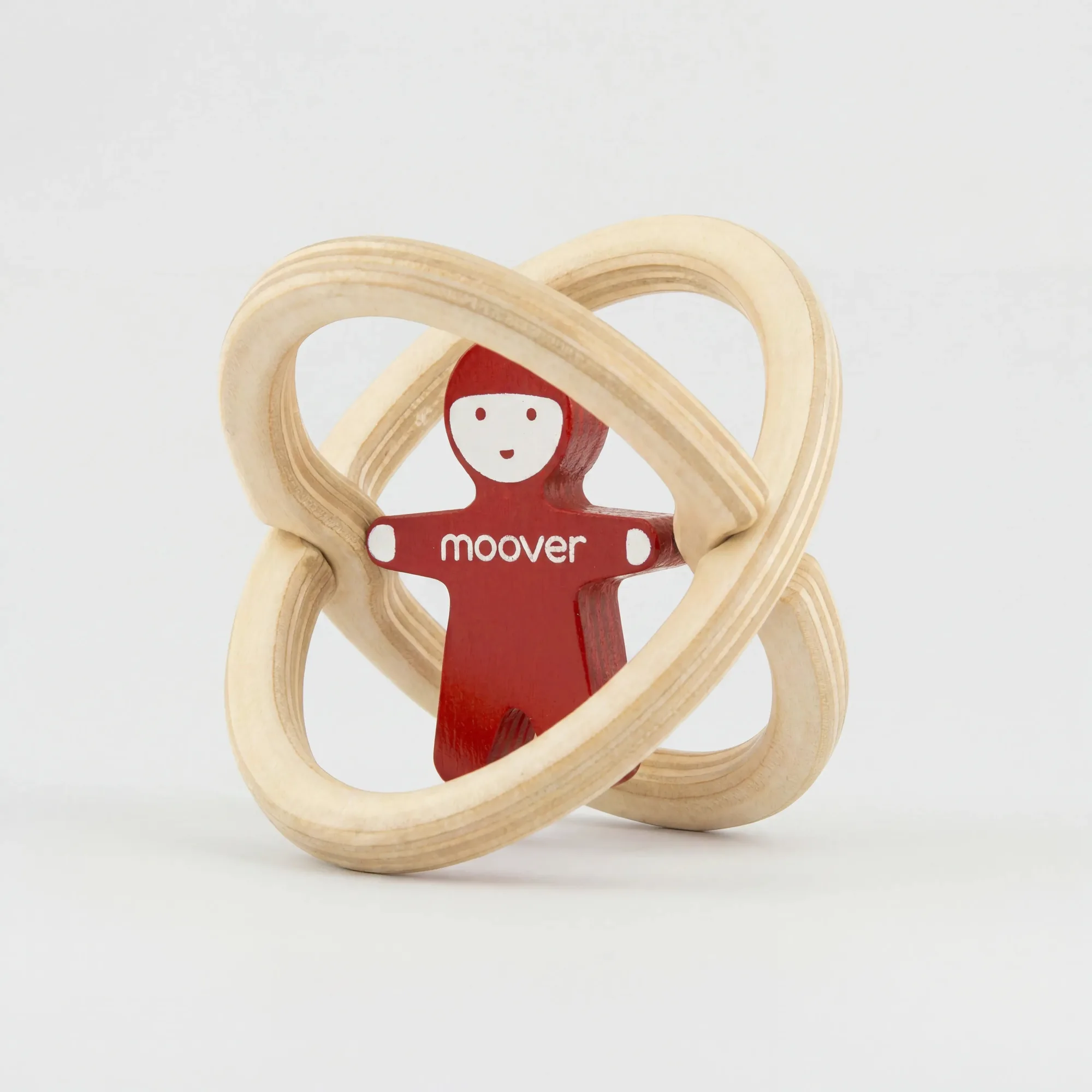
rammelaar bijtring
Een rammelaar bijtring doet twee dingen tegelijk: het geeft pijnlijk tandvlees iets veiligs om op te kauwen en kleine handjes iets om te schudden, vast te houden en te laten vallen. Die combinatie is waarom deze speeltjes lang in de luiertas blijven, ook nadat de pasgeboren fase voorbij is.
Het probleem is dat de categorie overvol is en de labels vaag. Deze gids behandelt de beslissingen die er echt toe doen, de afwegingen tussen hout, siliconen en stof, en de veiligheidscontroles die de moeite waard zijn in de winkel of vóór de eerste wasbeurt.
Begin met maat en pasvorm, niet met kleur
Pasvorm is de eerste veiligheidsbeslissing. Een ring moet groot genoeg zijn dat je baby het hele ding niet langs de lippen kan duwen, en licht genoeg dat ze hem op armlengte kunnen vasthouden zonder hem om de paar seconden te laten vallen. Als een ring in de mond verdwijnt, is hij te klein om zelfstandig op te kauwen.
Grip is net zo belangrijk. Baby's tussen vier en tien maanden ontwikkelen nog hun pincetgreep, dus een ring met een brede, open lus is makkelijker vast te houden dan een massief blok. Kijk hoe je baby hem vasthoudt: als ze beide handen en een schoot nodig hebben om hem stil te houden, belandt hij vaker op de vloer dan in de mond.
- Test de ring tegen je eigen gesloten vuist: als hij er makkelijk doorheen glijdt, is hij te klein voor onbegeleid kauwen.
- Zoek een lus die breed genoeg is voor twee of drie vingers, niet slechts één.
- Gewicht is belangrijk voor jongere baby's, die snel vermoeid raken en zwaardere speeltjes laten vallen.
Material Trade-Offs: Wood, Silicone, and Fabric
Wood teethers offer firm resistance, which some babies prefer when gums are swollen and they want to press hard. They tend to be heavier, they should never be soaked, and they need a wipe-down rather than a dishwasher cycle. Wood also holds up well over time if the finish stays intact.
Silicone and food-grade rubber are soft, flexible, and easy to wash, which makes them a common first teether. They can be chilled, though freezing makes them stiff and can irritate gums. Fabric and plush rattles are the gentlest option and double as comfort objects, but they absorb drool and need frequent laundering.
- Choose wood for firm pressure and durability; choose silicone for easy cleaning and chilling.
- Avoid any painted or varnished surface that shows cracks, chips, or a sticky feel.
- Fabric rattles need a spare, because one is always in the wash.
Safety Features Worth Checking Before You Buy
The single most important check is construction. Tug every seam, joint, and attached bead before the first use and again after each wash. Anything that moves, rattles loose, or feels like it could separate is a risk, because small parts are a choking hazard for babies under three.
Second, check the sound. A rattle should be audible but not sharp or loud enough to startle a baby at close range. If the noise comes from a sealed internal bead, confirm that the chamber cannot be opened. If it comes from an external attachment, that attachment is a part that can come off.
- Do a two-hand tug test on every seam and joint before first use.
- Reject any ring with exposed small beads, loose stitching, or a removable cap.
- Listen at arm's length, the distance a baby actually holds the toy.
How Many Do You Actually Need?
Most families settle on two or three teething options: one for the diaper bag, one for the crib area, and one that lives in the freezer or fridge for bad days. Buying more than that usually means losing them under furniture rather than using them.
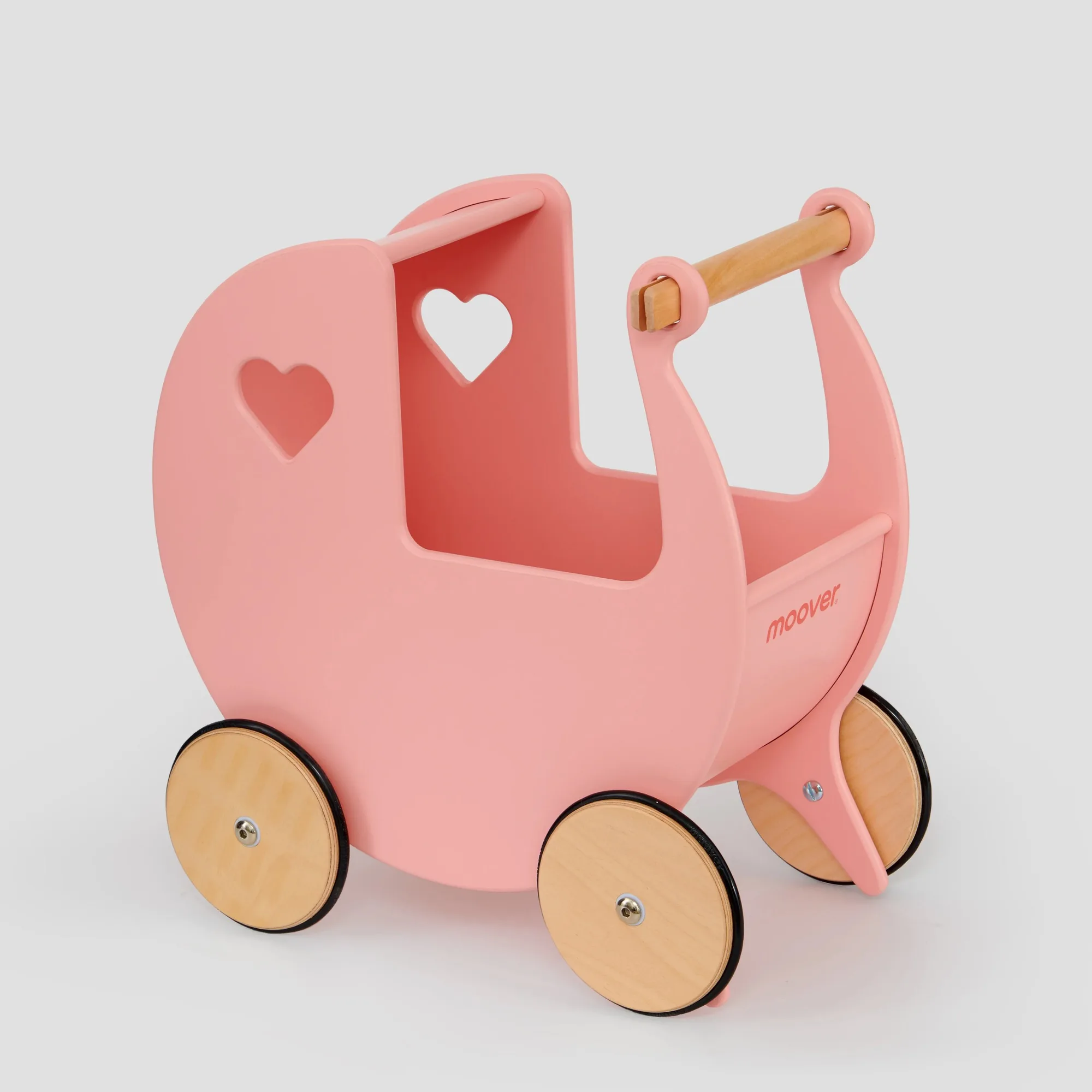
If your baby is also starting to push a doll stroller or pram around, teething toys and first walking toys compete for the same hands. A lightweight wooden stroller such as the Moover ESSENTIAL Pram Dark Camel 7572 C is designed for 18+ months and is a different stage of play, so it does not replace a teether for a younger baby.
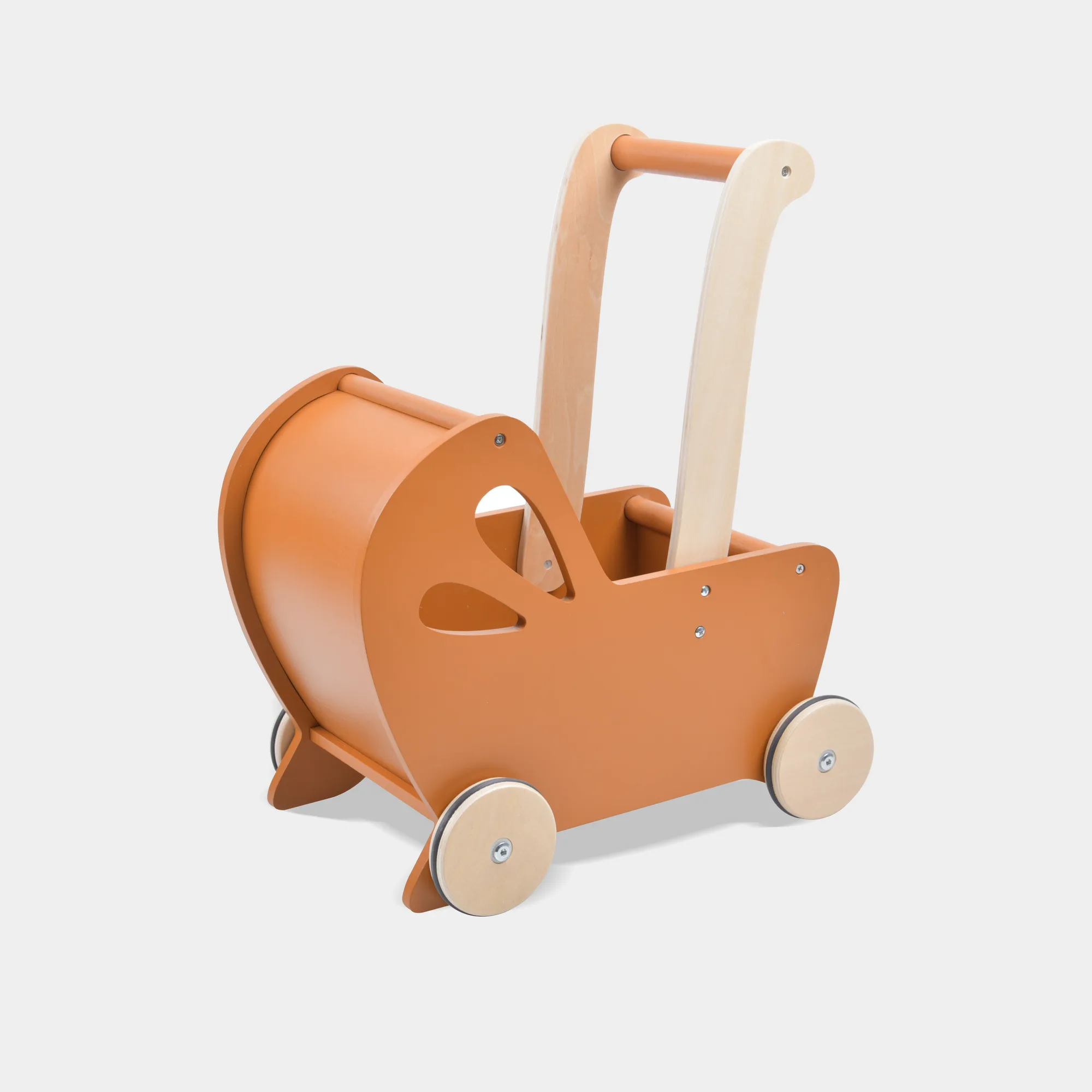
ESSENTIAL Pram Dark Camel 7572 C
- Two teethers plus one chilled backup covers most days.
- Keep one in the diaper bag so you are never caught without one.
- Rotate toys weekly to keep them interesting.
Decision Rules for Buying a Rattle Teething Ring
- If your baby is under 6 months: Choose a lightweight, one-piece ring with a wide loop and no detachable parts. Skip anything with beads, bells, or fabric attachments that could loosen. Prioritize grip and simplicity over features.
- If your baby is actively cutting molars: A firm wooden ring gives the pressure some babies want, while a chillable silicone ring soothes swelling. Keep both on hand and let your baby choose. Offer two textures rather than one expensive multi-tool.
- If your baby drops everything: Pick a ring with a wide, open handle and a slightly textured surface. Smooth, heavy rings end up on the floor within seconds. Test the grip in your own hand before buying.
- If you are buying as a gift: Choose a neutral-material ring from a brand that lists its materials and care instructions clearly. Avoid novelty shapes with glued-on parts. Clear labeling is a better signal than a cute design.
Catalog Facts That Help You Decide
- Traditional Doll Stroller Pink 2337 C: This Moover Classic Toy is from the original highest-quality line of luxury wooden mobility toys, and it ships with free bedding with every purchase. If you are already buying wooden play pieces, the included bedding removes a separate purchase and keeps the stroller ready to use.
- Essential Pram Dark Camel 7572 C: Designed in Denmark, this Moover ESSENTIAL Dolls Stroller is slightly smaller and lighter than the traditional CLASSIC Pram, and it is intended for kids 18+ months. The lighter frame suits younger toddlers who are still building motor skills, but it is not a substitute for a teething ring for a baby under 18 months.
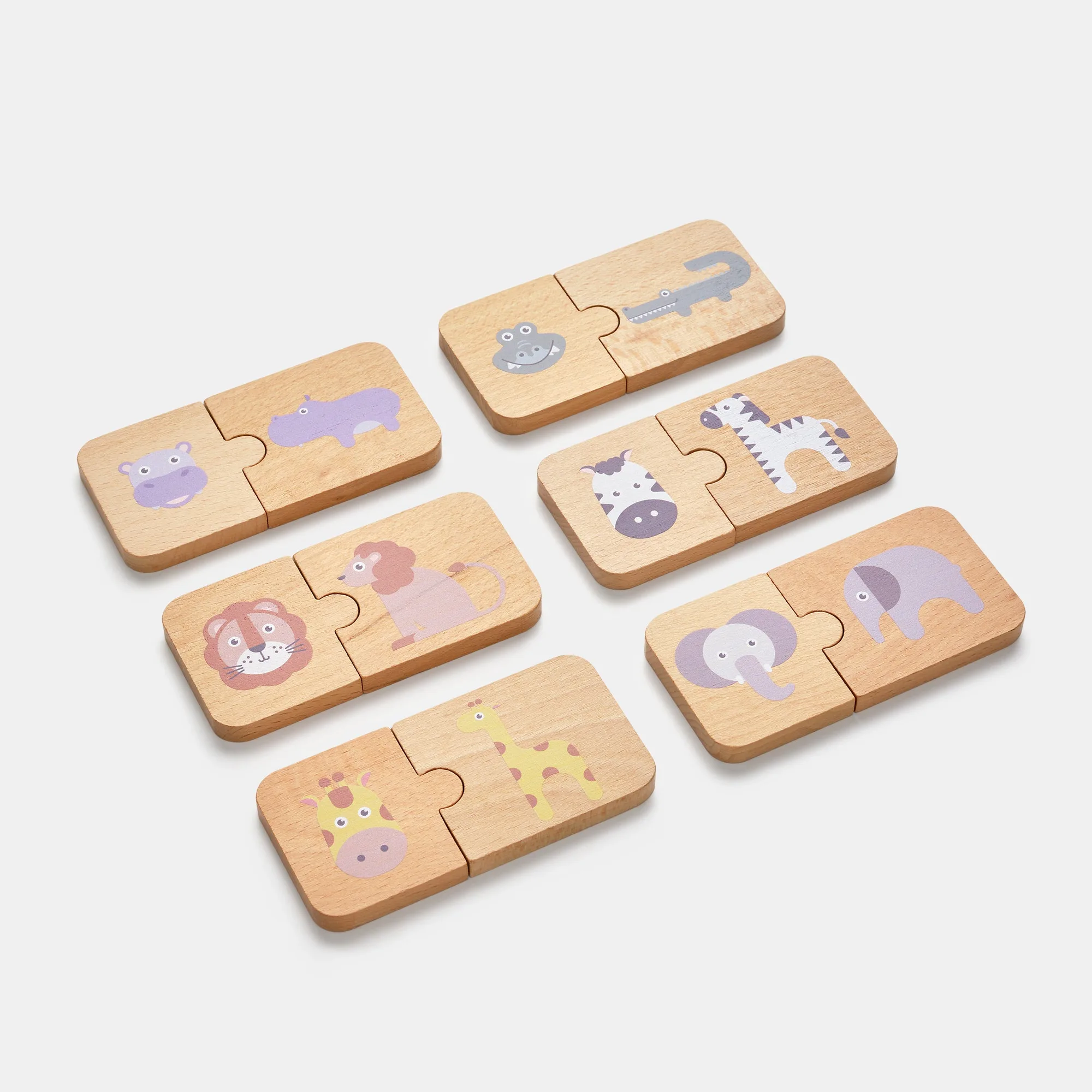
- Wild life puzzle: This animal-shaped wooden puzzle is sized for small hands, is recommended for 12m+, and uses MDF with environmentally friendly paint. It is a fine next-step toy once your baby has moved past mouthing everything, but it is not a teether and should not be chewed.
Who This Guide Is For
Best for
- Parents buying a first teething ring for a baby aged 4 to 12 months
- Caregivers who want a washable, lightweight option for the diaper bag
- Gift buyers who need a safe, clearly labeled teething toy
Not for
- Babies over 18 months who have moved on to walking and role-play toys
- Families looking for a single toy that also serves as a puzzle or stroller accessory
- Anyone who wants a teether that can be fully submerged or dishwashed without checking the material
A good rattle teething ring is simple, well made, and sized to your baby's hands. Check the fit, tug the seams, and choose a material you can actually keep clean. If you are shopping for a slightly older toddler, a wooden stroller like the Moover ESSENTIAL Pram Dark Camel 7572 C is a better fit for that stage than another teether.