Why a Beach Canopy Needs a Windy-Day Plan
A lightweight 10'x10' canopy is great for quick sun protection, but when the breeze picks up, setup and anchoring matter most. The supplied Beach Canopy from Panama Jack is designed with wind-resistant stability in mind, but it still relies on proper anchoring and orientation to stay put. Here's how to set up your 10'x10' Beach Canopy on windy days so you can enjoy shade without chasing your shelter across the sand.
What the Beach Canopy Record Tells Us About Wind Readiness
-
10'x10' Beach Canopy: The canopy is described as wind-resistant and includes rust-proof aluminum poles, sand bag holders, and grass screw pegs for quick setup on any terrain. These supplied anchors—sand bag holders and grass screw pegs—are your primary tools for windy conditions. The aluminum poles keep the frame light yet sturdy, and the included hardware is designed to handle sand and grass surfaces.
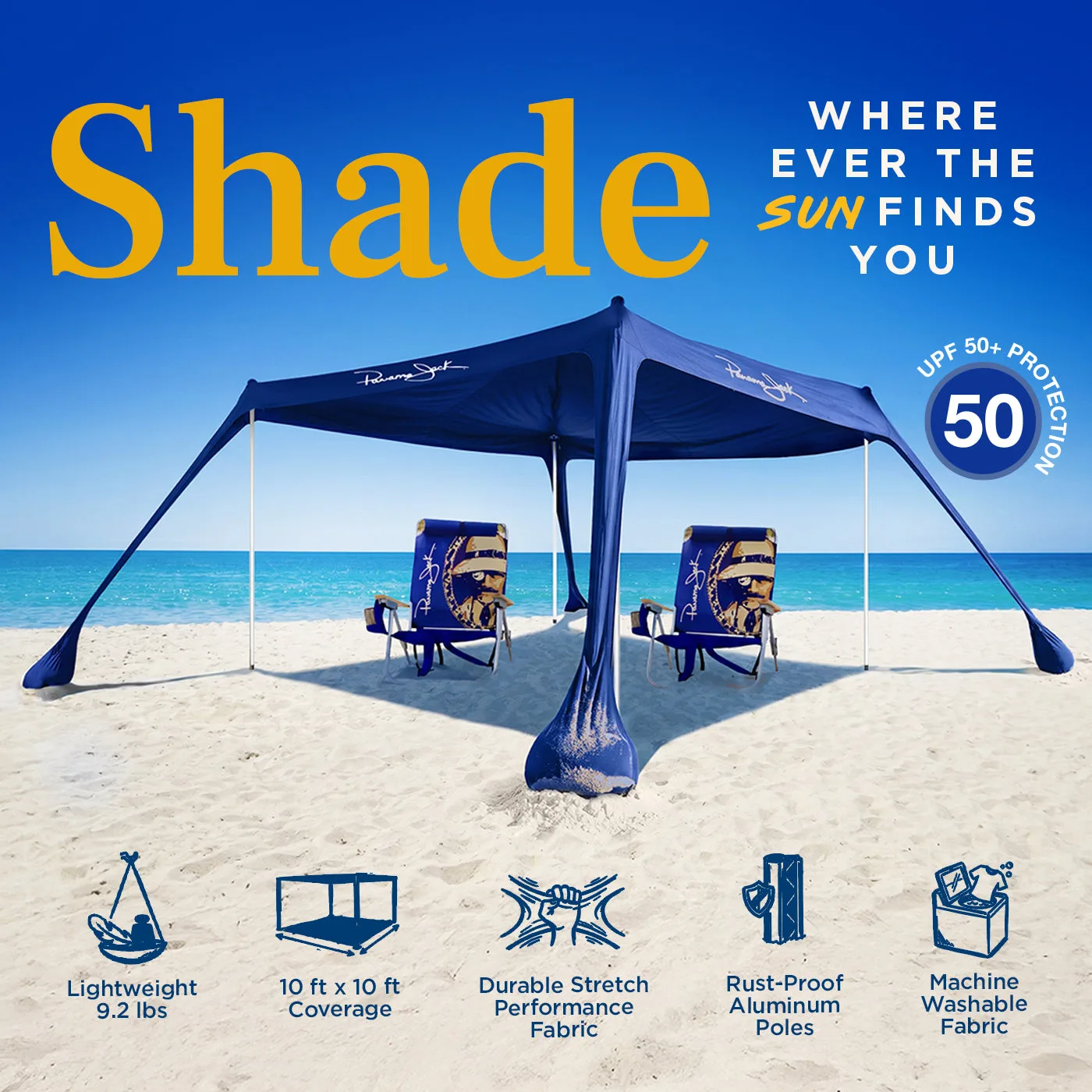
10'x10' Beach Canopy
-
10'x10' Beach Canopy: The canopy weighs 9.2 lbs and offers 10 ft x 10 ft coverage with UPF 50+ protection. Its lightweight design makes it easy to carry and set up alone, but on windy days the low weight means you must use the included anchors. Don't skip them.
Step-by-Step Setup for Windy Conditions
Follow these steps to maximize stability when the wind is up.
- Choose a sheltered spot and orient the canopy correctly: Position the canopy so the open side faces away from the prevailing wind. This reduces wind catching inside. If possible, set up near a natural windbreak (dune, building, or vehicle).
- Use all supplied anchors before raising the canopy: Fill the sand bag holders with sand or use the grass screw pegs on firm ground. Attach them to the canopy legs before extending the poles. This prevents the frame from lifting during setup.
- Raise the canopy with a helper if possible: While the canopy is designed for easy assembly, a second person can keep the frame stable as you extend each leg. If alone, raise one side at a time while keeping the opposite side anchored.
- Tension the fabric evenly: Once the frame is up, adjust the canopy fabric so it's taut but not overstretched. Loose fabric can catch wind and cause flapping. The durable stretch performance fabric helps maintain shape, but even tension reduces stress on the poles.
- Add extra weight if conditions are very windy: If the supplied anchors aren't enough, place additional weight (cooler, water jugs, or extra sandbags) on the canopy legs. This is not mentioned in the product record but is a common practical step for high wind.
When to Pack Up
Even with proper anchoring, no canopy is completely windproof. If sustained winds exceed 20 mph or gusts are strong enough to lift the frame, take down the canopy to prevent damage or injury. The canopy packs easily into its carrying bag, so you can move to a sheltered spot or wait out the wind.