What the 12 V Car Charger Cable does
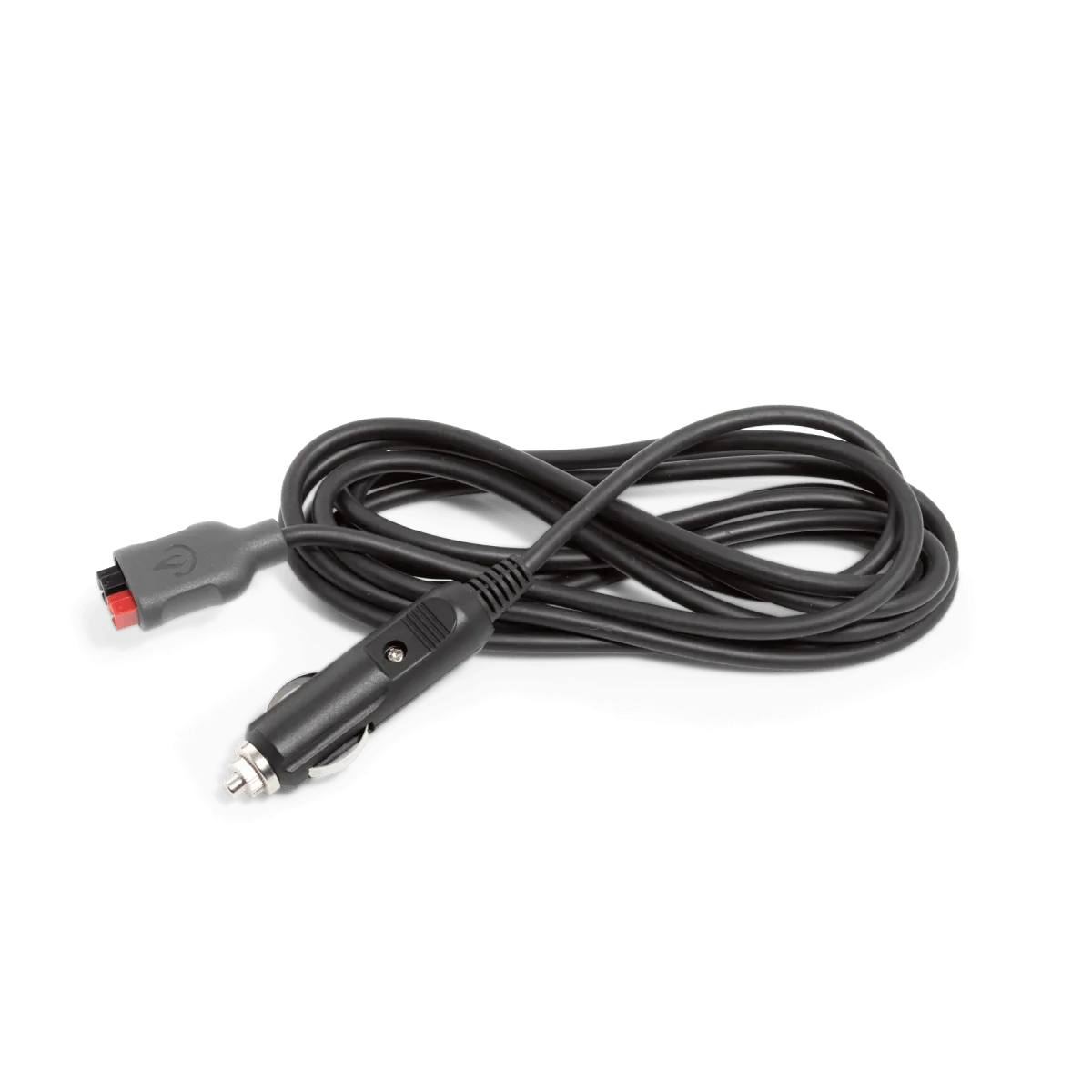
The BioLite 12 V Car Charger Cable lets you recharge a BioLite BaseCharge power station from your vehicle's 12 V car port, the socket commonly found where lighters used to be. It is designed as an on-the-go charging option and as an alternative or backup to solar.
The cable is 10 ft (3 m) long, uses 18 AWG wire with a 15A fuse, and has a 12 V male car port input on one end and a High Power Pole (HPP) output on the other. Those details matter for how you route the cable and what you can expect from it.
Cable specs that shape road-trip use
-
12 V Car Charger Cable: 10 ft (3 m) length Gives you room to run the cable from a dash or console port to a power station placed on the floor or back seat, depending on your vehicle layout.
12 V Car Charger Cable
-
12 V Car Charger Cable: 18 AWG gauge with 15A fuse The fuse is part of the cable's design; knowing it is there helps you understand the cable is intended for its stated 12 V car port charging role.
-
12 V Car Charger Cable: High Power Pole (HPP) output The HPP connector is the output end that pairs with compatible BioLite BaseCharge power stations, so check that your station accepts this connection.
How to use the cable on a road trip
The supplied information does not include a step-by-step startup procedure, so treat the following as practical checkpoints based on the cable's described connections and length, not as manufacturer instructions.
- Confirm the port and connection: The cable has a 12 V male car port input and an HPP output. Make sure your vehicle has a 12 V car port and that your BioLite BaseCharge power station is compatible with the HPP output before you rely on this cable.
- Plan the cable route: With 10 ft (3 m) of cable, you can position the power station away from the port. Keep the route clear of pedals, seat tracks, and doors so the cable is not pinched or pulled.
- Use it as an alternative or backup: The cable is described as ideal for charging on-the-go and when you need an alternative or backup to solar. On a road trip, that makes it a useful option when solar charging is not practical, such as during a long drive or cloudy weather.
Simple habits to keep the cable working
The supplied record does not list specific care or maintenance instructions. The following habits are general best practices for a fused 12 V charging cable, not claims about this cable's tested durability.
- Check the fuse: The cable includes a 15A fuse. If charging stops working, inspect the fuse according to your vehicle or cable documentation rather than replacing it with a different rating.
- Avoid tight bends and pinches: Route the 10 ft cable so it is not crushed by seats or doors. A gentle curve is easier on the wire and connectors than a sharp fold.
- Keep connectors clean and dry: Store the cable with its ends protected from dirt and moisture. A clean connection helps avoid intermittent charging.
- Disconnect when not in use: Unplug the cable from the car port when you are not charging to avoid unnecessary draw and to reduce wear on the plug.
What the supplied information does not settle
The supplied record does not state charging times, supported BaseCharge models, or vehicle compatibility beyond the 12 V car port input. It also does not include weather ratings or safety-critical setup instructions. Check your BaseCharge power station's documentation for charging guidance and confirm that your vehicle's 12 V port is suitable before use.