Building a reliable security system starts with one fundamental question: how many cameras do you actually need? Whether you're protecting a small retail shop, a multi-story home, or a sprawling commercial lot, the channel capacity of your NVR (Network Video Recorder) determines how many cameras can record and be managed simultaneously. That decision often boils down to choosing between a 16-channel NVR and a 32-channel NVR. Pick too few channels and you'll be stuck upgrading prematurely; pick too many and you may overspend on unused capacity.
Lorex offers a wide range of wired NVR systems designed to accommodate everything from a few essential views to full-coverage installations. In this guide, we'll walk through the key considerations—property size, camera types, resolution requirements, and future expansion—so you can confidently choose a 16-channel or 32-channel system. Along the way, we'll reference two real Lorex bundles that illustrate the difference: a dedicated 16-channel NVR package and a versatile hybrid system that supports up to 20 cameras.
Understanding NVR Channel Capacity
An NVR’s channel count refers to the maximum number of IP cameras it can support simultaneously. Each camera you add consumes one channel, regardless of its resolution or whether it’s wired or wireless (in hybrid models). For example, a 16-channel NVR can handle 16 cameras at once, while a 32-channel model can handle 32. This doesn’t mean you must fill every channel—it’s simply the ceiling. Many homeowners install 8 to 12 cameras on a 16-channel system, leaving room for future additions without needing a new recorder.
Channel capacity also affects recording bandwidth, storage usage, and the complexity of your network setup. Higher-channel NVRs generally come with more powerful processors, larger hard drives, and better support for high-resolution streams like 4K and 12MP. So the choice isn’t just about camera count—it’s about headroom for higher-quality footage and advanced features like smart motion detection or continuous recording.
- Each camera uses one channel regardless of wired or wireless connection (on hybrid models).
- Larger channel counts often mean more storage and better processing for high-resolution feeds.
Factors That Determine Your Camera Count
The number of cameras you need depends on the size of your property, the number of entry points, and the level of detail you want. A typical suburban home may require 4 to 8 cameras to cover doors, driveway, backyard, and garage. A medium office or warehouse might need 12 to 20 cameras to monitor loading docks, hallways, and stockrooms. For large commercial facilities or multi-building campuses, 20 to 32 cameras are common. Also consider coverage overlap: you may want multiple angles on a single entryway for redundancy or to capture faces and license plates clearly.
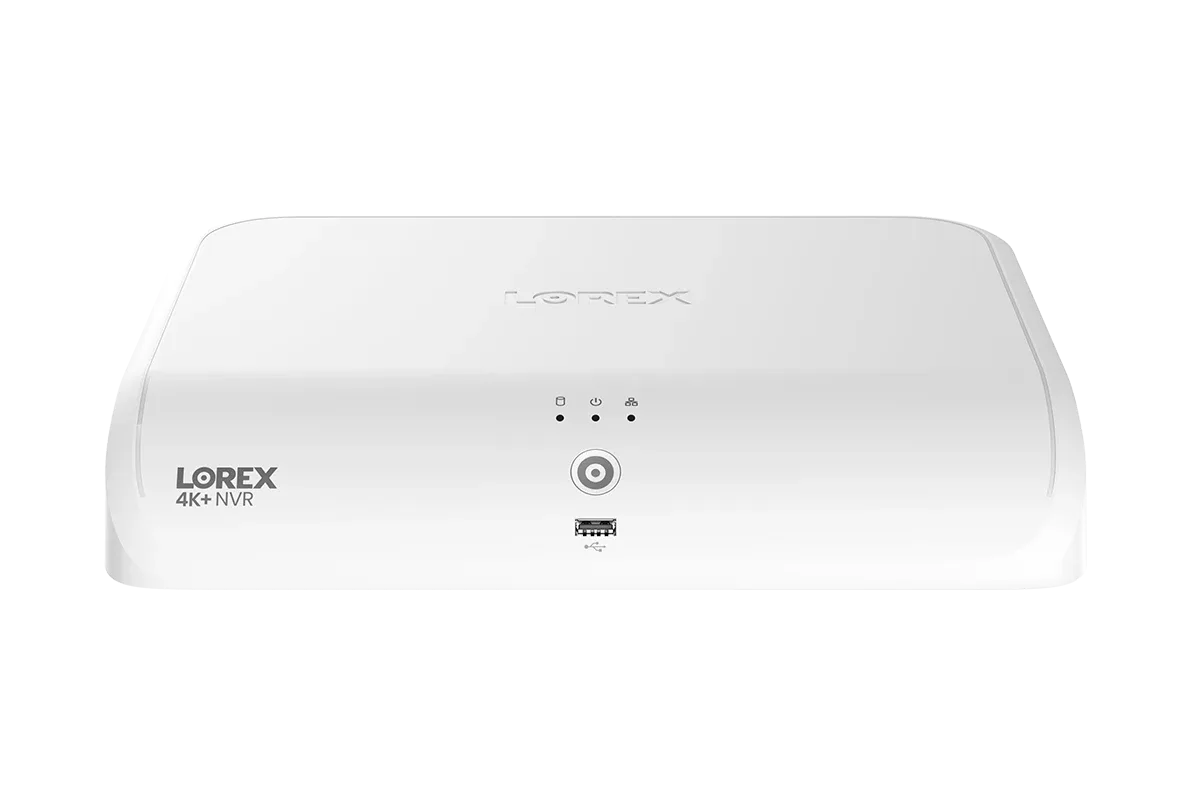
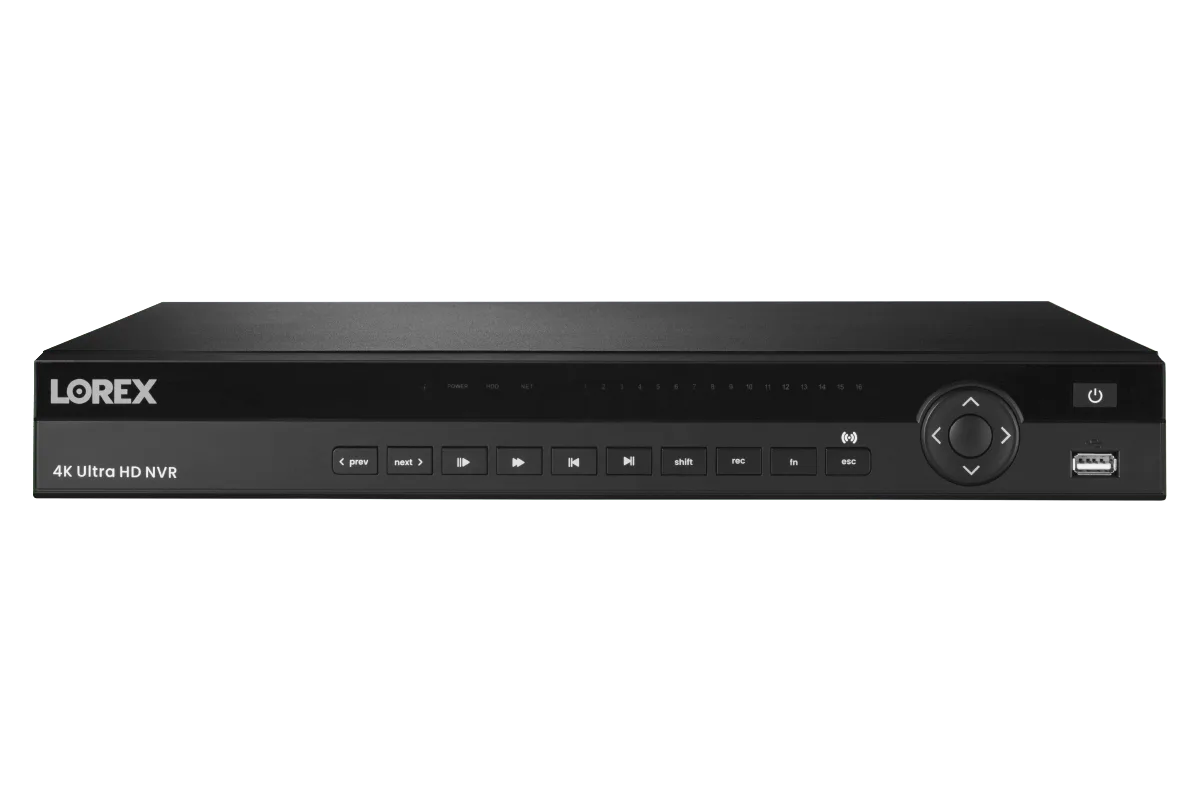
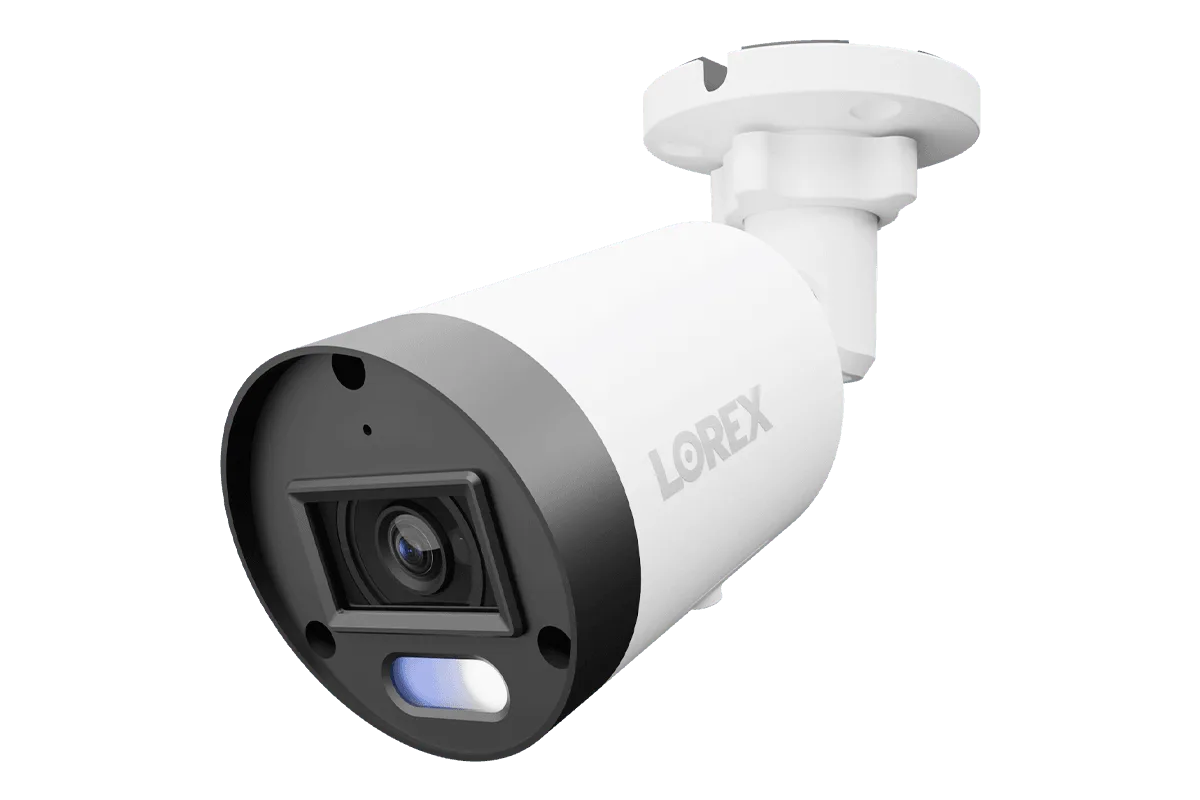
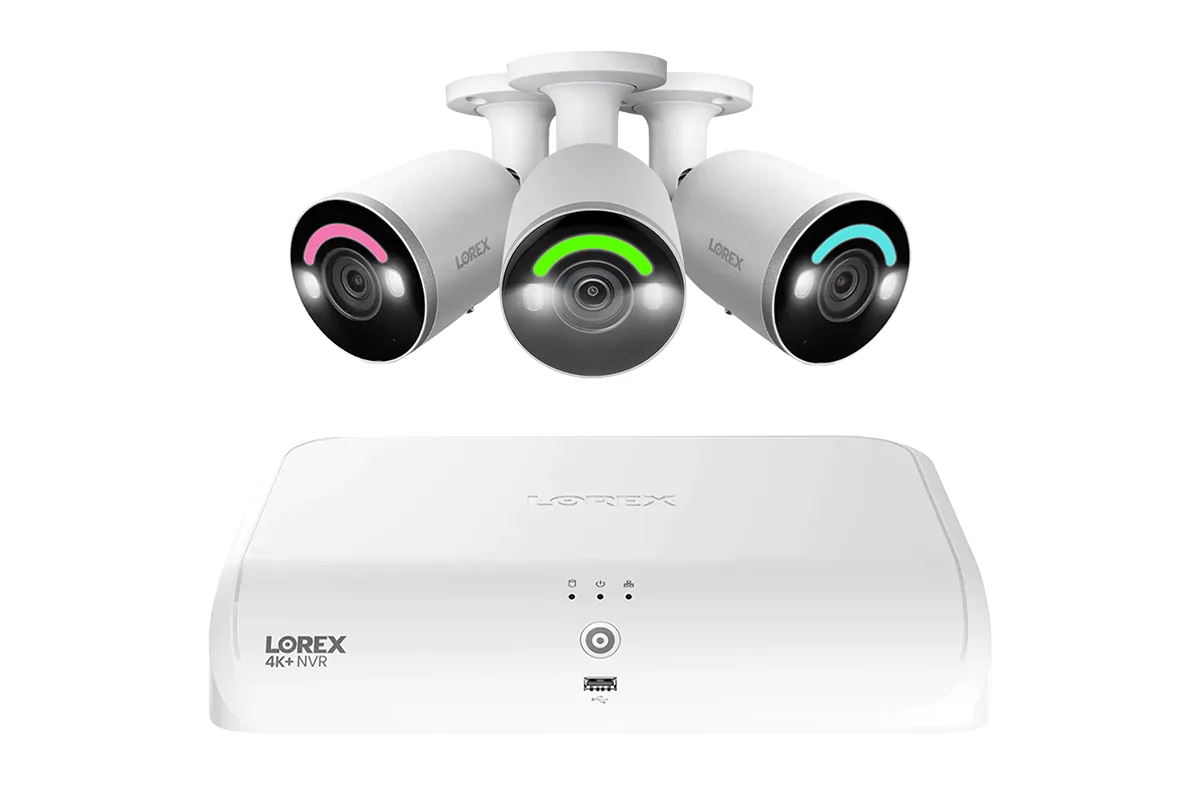
Resolution also plays a role. If you plan to use 4K cameras (8MP or 12MP), each camera consumes more bandwidth and storage than a 2MP camera. A 16-channel NVR can handle 16 4K cameras, but only if its processor and hard drive are up to the task. That’s why many Lorex systems bundle high-capacity drives and powerful SoCs. For instance, the Lorex 4K (16 Camera Capable) 4TB Wired NVR System with Nocturnal 3 Smart IP Bullet Cameras with Motorized Varifocal Lens is built specifically for high-resolution performance across all 16 channels.
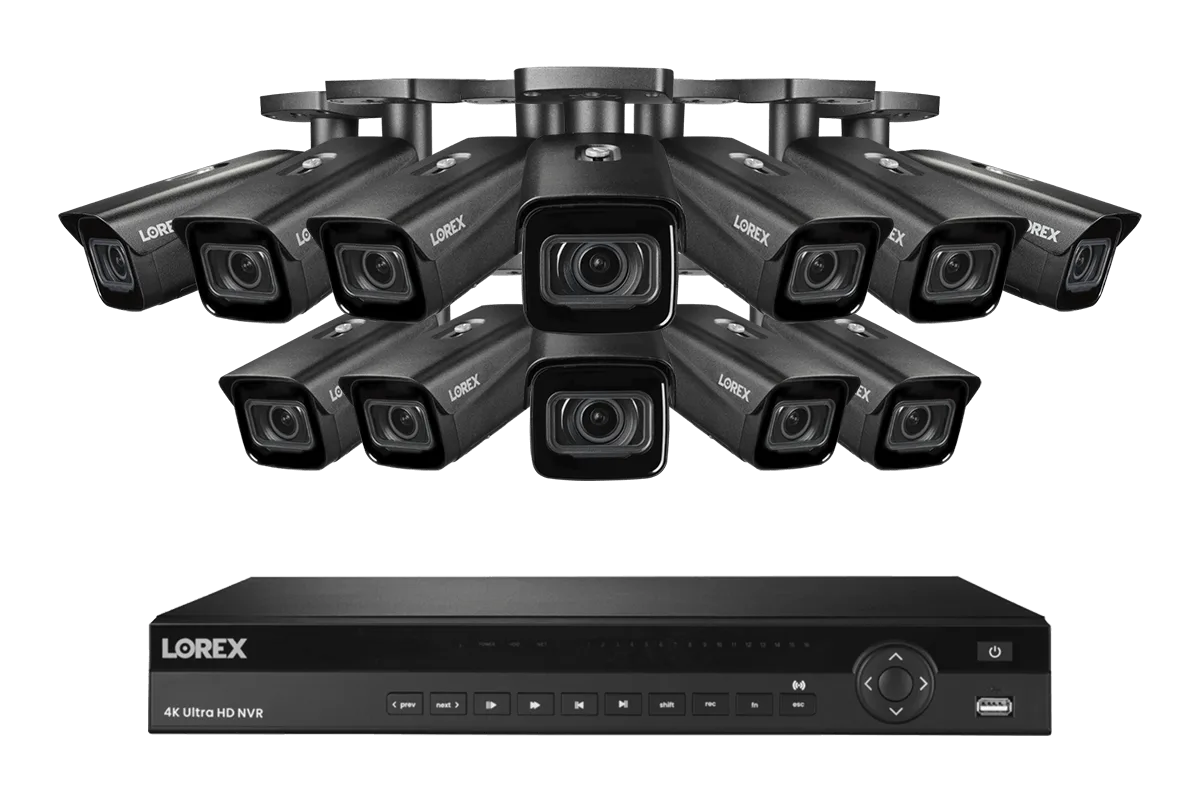
Lorex 4K (16 Camera Capable) 4TB Wired NVR System with Nocturnal 3 Smart IP Bullet Cameras with Motorized Varifocal Lens
- Map your property to identify all entry points, blind spots, and high-traffic areas.
- Factor in resolution: higher megapixel cameras use more channel resources but deliver sharper detail.
When a 16-Channel NVR Is the Right Fit
A 16-channel NVR is ideal for most mid-sized homes and small businesses. It provides enough capacity to cover the perimeter, interior common areas, and key access points without overwhelming your budget or network. With 16 channels, you can install a mix of bullet cameras for long-range views, dome cameras for indoor surveillance, and varifocal cameras for zoom flexibility. The system also leaves 4 to 8 spare channels for future expansion—such as adding a camera to a newly built shed or a storage room.
One excellent example is the 16-channel bundle mentioned above: it includes 4TB of storage and motorized varifocal lenses on the Nocturnal 3 series, giving you sharp color night vision and listen-in audio. This system is perfect for homeowners who want professional-grade surveillance without managing a massive array of cameras. It’s also easier to set up and maintain than a 32-channel system, making it a practical choice for DIY installers.
- 16 channels support 4–8 spare slots for future cameras, ideal for gradual expansion.
- Best for: 3-4 bedroom homes, small offices, retail stores under 5,000 sq ft.
When a 32-Channel NVR Makes Sense
A 32-channel NVR becomes necessary when you have multiple buildings, large parking lots, or a need for dense coverage. For instance, a warehouse with 20 interior cameras plus 12 exterior cameras would quickly max out a 16-channel system. With 32 channels, you can also run cameras at full resolution (4K+) without compromising recording speed or storage efficiency. Many 32-channel NVRs support dual-streaming, allowing a high-resolution stream for recording and a lower-resolution stream for live viewing.
Lorex also offers hybrid systems that blend wired and wireless cameras, giving you even more flexibility. The Lorex 4K 20 Camera Capable (16 Wired and 4 Wi-Fi) 2TB Wired DVR System with Seven Smart Deterrence CVI Wired Bullet Cameras is a perfect middle ground: it provides 16 wired channels plus 4 Wi‑Fi channels for a total of 20 cameras. That’s enough to cover a large home or a medium commercial property, with built-in deterrence features like spotlights and sirens on the bullet cameras.
- 32-channel systems allow for extensive coverage without upgrading the recorder later.
- Hybrid models (wired + Wi‑Fi) let you add cameras in hard-to-wire locations.
Hybrid Systems: Combining Wired and Wireless for Maximum Flexibility
Not every installation needs 32 dedicated wired channels. A hybrid system—like the 20-camera capable Lorex bundle—leverages both wired and wireless cameras to simplify expansion. You can install wired bullet cameras for fixed, high-reliability spots (e.g., front door, loading dock) and add wireless cameras for areas where running cable is impractical (e.g., a detached garage or a rental unit). This approach gives you the reliability of wired power and data with the convenience of wireless placement.
The hybrid model also saves costs: you avoid buying a larger NVR if you only need a few extra cameras. In the example system, the seven included Smart Deterrence CVI Bullet Cameras provide active deterrence with motion-activated lights and alarms, while you can later add up to four Wi‑Fi cameras for secondary zones. This is an excellent solution for growing families or businesses that anticipate gradual expansion over the next few years.
- Wired cameras offer stable, high-bandwidth connections; wireless adds placement flexibility.
- Always check that your hybrid NVR supports both protocols simultaneously.
Future-Proofing Your Security System
When choosing between 16 and 32 channels, think about your needs in 3–5 years. Properties evolve: you may build an extension, add a parking lot, or need new coverage for high-value assets. Opting for a 32-channel NVR now, even if you only install 12 cameras today, gives you 20 spare channels for the future. This can be more cost-effective than buying a second NVR later, especially if you factor in the cost of re-cabling or reconfiguring your network.
However, if your property is stable and unlikely to expand, a 16-channel NVR with a high-capacity hard drive (4TB or more) is plenty. You can also upgrade storage later by swapping the drive or adding external storage. The key is to match the channel count to your realistic growth scenarios. For example, a 16-channel system with 4TB is a solid foundation for a typical home, while a 32-channel system should be considered for commercial applications or large estates.
- Plan for at least 30% spare channels to accommodate unforeseen changes.
- Upgrade storage alongside channels: a 4TB drive supports roughly 10–16 cameras at 4K for 7–14 days of footage.
Choosing the right NVR channel count doesn't have to be complicated. Start by mapping your property's coverage needs, then consider your future plans. A 16-channel NVR is often ideal for homes and small businesses, while a 32-channel system (or a hybrid like the 20-camera capable DVR) suits larger properties and those expecting growth. Explore the Lorex 4K 20 Camera Capable (16 Wired and 4 Wi-Fi) 2TB Wired DVR System with Seven Smart Deterrence CVI Wired Bullet Cameras to see how a hybrid setup can give you the perfect balance of wired reliability and wireless flexibility—without overbuying channels you don't need.