Quick Answer
Choose 3.5mm TRRS for broad compatibility with modern smartphones and laptops; opt for 2.5mm TRRS when your device has a 2.5mm jack, often found on some older or specialized headsets.
TRRS Pinout: Why the 4 Poles Matter
Both 2.5mm and 3.5mm TRRS cables have four poles (tip, ring, ring, sleeve) that carry stereo audio and a microphone signal. The 4-pole design is what allows a single cable to handle both audio and mic, which is essential for headsets with an inline microphone.
The key difference is the physical size of the connector: 2.5mm is noticeably slimmer than 3.5mm. This affects not only which devices they fit but also durability and ease of handling, especially in tight spaces.
Compatibility and Trade-offs
3.5mm is the standard headphone jack on most consumer devices like smartphones, tablets, and laptops. It's easier to find replacements and adapters. The larger connector is also more robust and less prone to bending.
2.5mm jacks are less common today but still appear on certain communication equipment, some older mobile phones, and specialized headsets. The smaller size allows for more compact devices, but it can be harder to source cables and may feel flimsier if handled roughly.
When choosing between them, your device's port is the deciding factor. If your device has a 2.5mm jack, you need a 2.5mm TRRS cable; if it has a 3.5mm jack, a 3.5mm TRRS cable is the direct fit.
2.5mm vs 3.5mm TRRS: Trade-offs to Consider
- Connector Size: 2.5mm is slimmer, which suits compact devices but can be harder to grip. 3.5mm is bulkier but sturdier and easier to plug and unplug.
- Device Compatibility: 3.5mm is the universal standard for most consumer electronics. 2.5mm is niche, found on some older or specialized equipment. Always check your device's port before buying. Measure or inspect your device's jack to confirm the size.
- Cable Availability: 3.5mm TRRS cables are widely available and cheaper. 2.5mm TRRS cables are less common, so you may have fewer choices and higher prices.
- Durability: The thicker 3.5mm connector is generally more durable and less likely to bend or break. The thinner 2.5mm requires more careful handling. If you're rough on cables, 3.5mm is the safer bet.
Products at a Glance
-
2.5mm 4 Pole TRRS Male to Male Stereo Headset AUX Audio Cable: This 2.5mm 4 Pole TRRS male to male cable supports stereo audio and microphone functions, with gold-plated connectors. It's a direct solution for devices with a 2.5mm headset jack, ensuring both audio and mic work without an adapter.
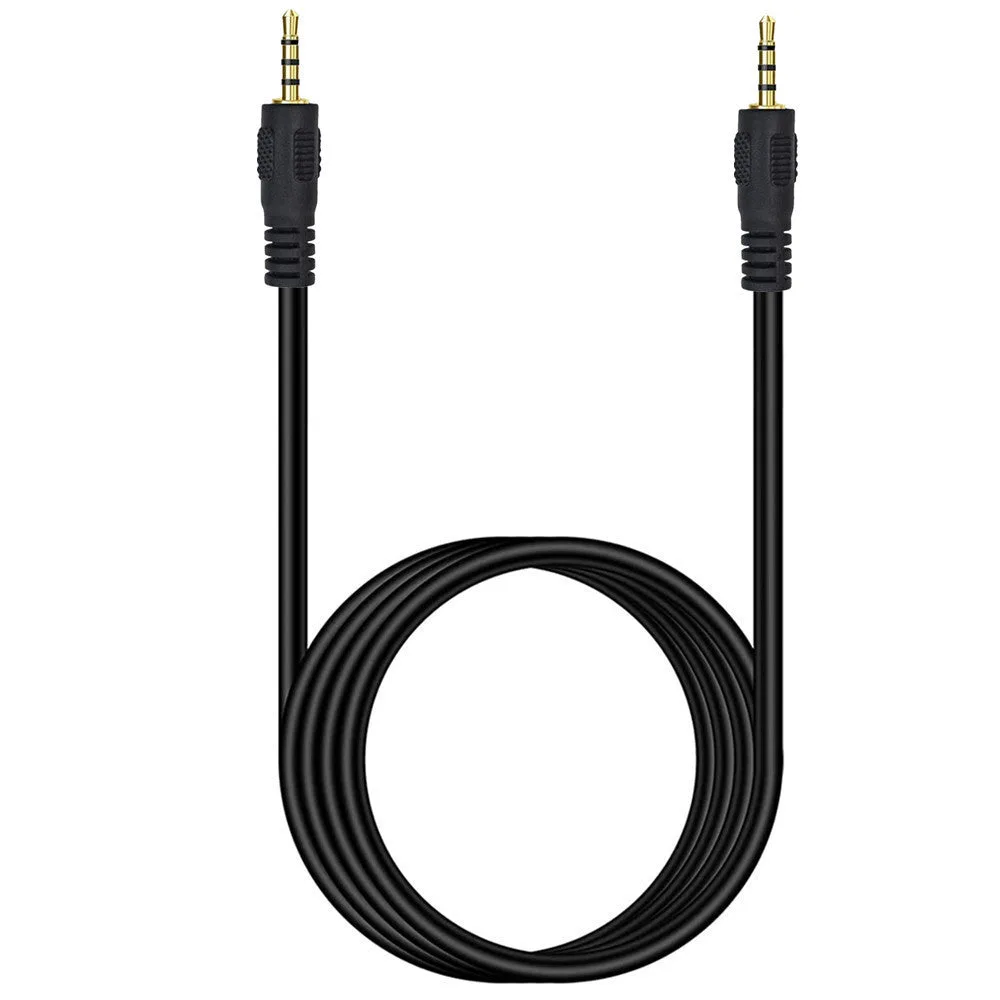
2.5mm 4 Pole TRRS Male to Male Stereo Headset AUX Audio Cable
-
3.5mm TRRS Headset Extension Cable Male to Female 4 Pole AUX Mic Support: This 3.5mm TRRS headset extension cable supports both audio and microphone, features a right-angled connector, and has gold-plated connectors. It's ideal for extending your existing 3.5mm headset cable, especially in tight spaces, while preserving mic and audio signal.
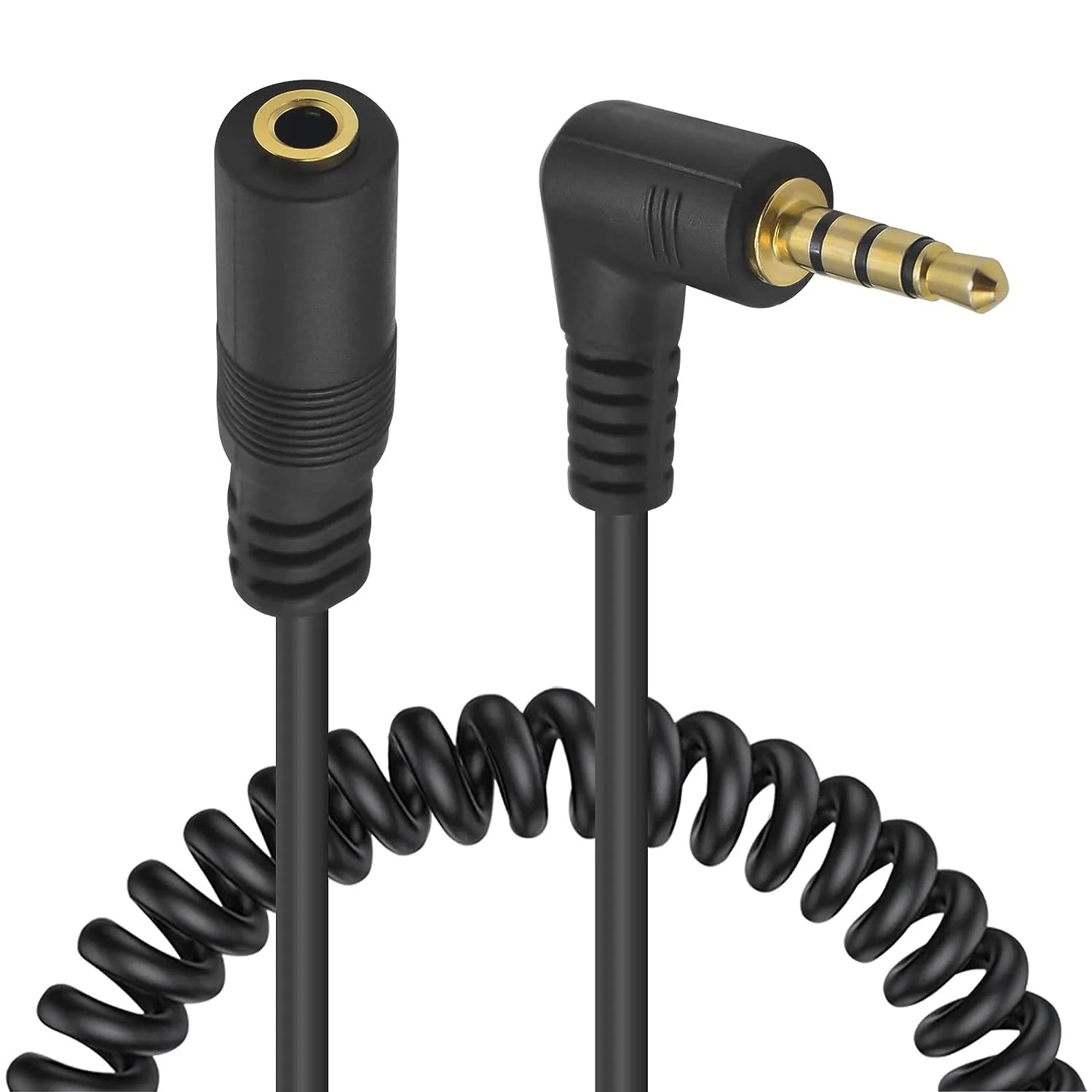
3.5mm TRRS Headset Extension Cable Male to Female 4 Pole AUX Mic Support
Which Should You Choose?
Best for
- Users with standard smartphones, laptops, or tablets that have a 3.5mm headset jack
- Anyone needing a reliable, easy-to-find cable for everyday audio and mic use
Not for
- Devices with a 2.5mm-only headset jack, which require a 2.5mm TRRS cable
- Those who need a longer reach and are specifically looking for an extension, not a male-to-male cable