Start with the two-course split
The CleanPlaneterra Stainless Steel Food Container is built around a simple idea: two sleek rectangular layers let you carry a two-course meal in one hand-carry. The catalog specifically names an entree and salad as the intended pairing. That gives you a clear starting point before you think about individual ingredients.
Instead of treating the layers as identical compartments, assign them roles. One layer holds the main dish; the other holds the salad or side. This keeps wet and dry components apart and makes the box easier to open and serve at lunch.
What the product record confirms
-
2-Layer Rectangular Lunch Box - Brush with Bamboo: With 2 sleek rectangular layers, this CleanPlaneterra Stainless Steel Food Container allows you to carry a 2-course meal in one convenient hand-carry. This is the core design promise: two courses, one container, no separate bags.
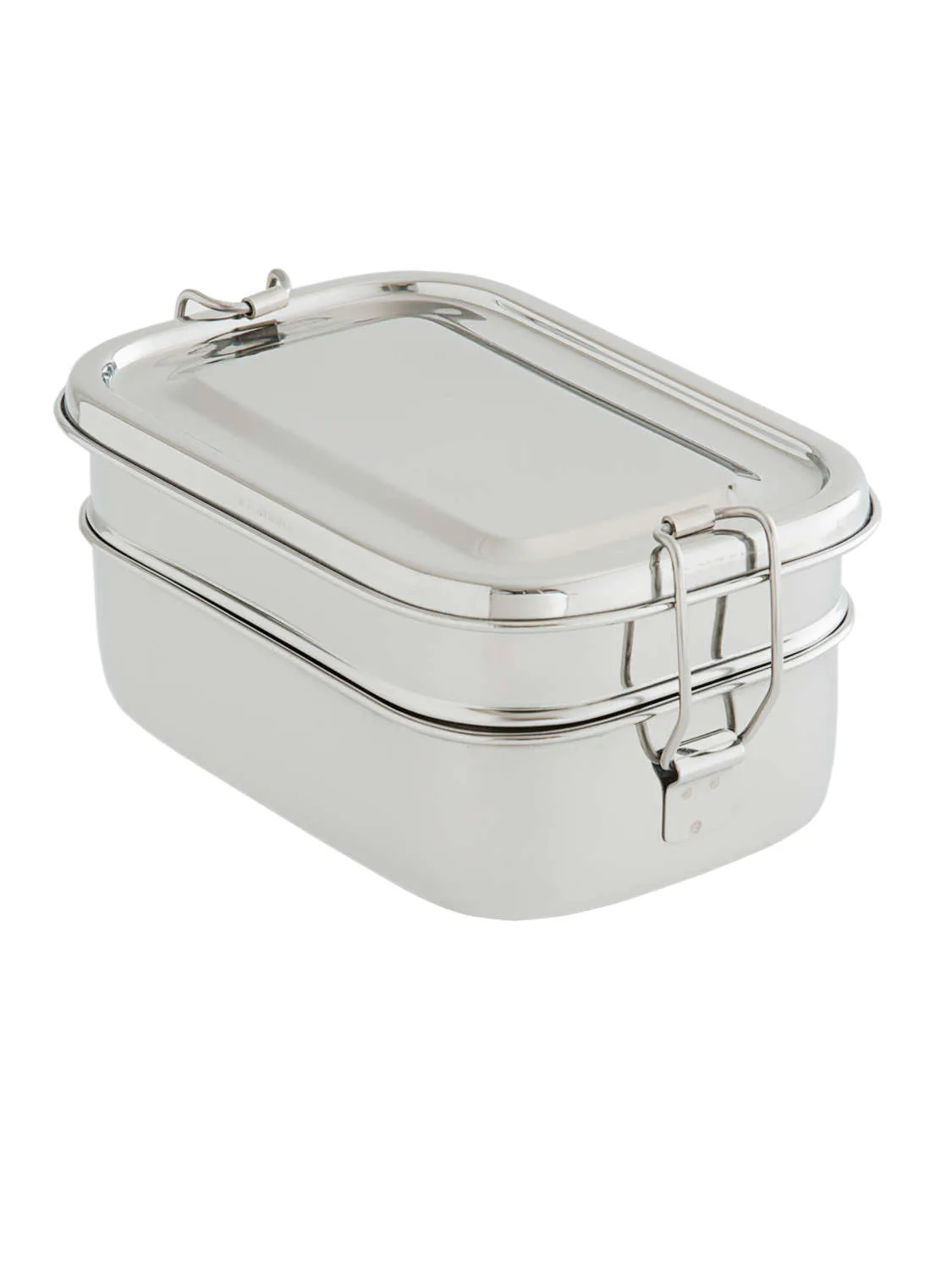
2-Layer Rectangular Lunch Box - Brush with Bamboo
-
2-Layer Rectangular Lunch Box - Brush with Bamboo: It’s perfect for an entree and salad. The catalog gives a direct example of how to divide the layers, which is the most useful packing guide available.
-
2-Layer Rectangular Lunch Box - Brush with Bamboo: Whatever the menu, CleanPlaneterra make meals more appetizing, and keeps your food chemical-free. The material claim is part of the appeal for readers who want to avoid plastic contact with food.
Packing ideas for the entree layer
The entree layer is the sturdier of the two by function, even though the catalog does not specify which layer is deeper. Use it for the main dish that holds its shape and does not release much liquid.
- Grain bowls: Rice, quinoa, or couscous with roasted vegetables and a protein. Let the grains cool completely before closing the box.
- Pasta or noodle dishes: Toss with a light oil or sauce that clings rather than pools. A dry-ish sauce travels better than a watery one.
- Sandwich or wrap components: Keep bread separate from wet fillings if you can, or pack a sturdy wrap that won't sog.
- Leftover proteins: Sliced chicken, tofu, or beans. Pat away excess marinade before packing.
Packing ideas for the salad layer
The salad layer works best for fresh, crisp, or lightly dressed components. The catalog pairs it with an entree, so treat it as the lighter course.
- Leafy greens: Wash and dry thoroughly. Excess water is the main enemy of a crisp salad by lunchtime.
- Chunky vegetables: Cucumber, cherry tomatoes, and peppers hold up better than delicate greens.
- Dressing on the side: The product record does not confirm a leakproof seal, so pack dressing in a separate small container rather than pouring it over the salad.
- Crunchy toppings: Nuts, seeds, or croutons stay crisp if kept in a small bag or compartment until you eat.
A simple packing sequence
Follow this order to reduce mess and keep textures intact. It assumes you are packing the entree and salad the catalog describes.
- Step 1: Cook and cool the entree completely. Warm food creates condensation that makes salads soggy.
- Step 2: Dry the salad ingredients well. Use a salad spinner or pat dry with a clean towel.
- Step 3: Fill the entree layer first, leaving a little headspace if the lid presses down.
- Step 4: Add the salad layer, keeping dressing and crunchy toppings separate.
- Step 5: Close the box and carry it upright in a bag to reduce shifting between layers.
What the record does not tell you
The supplied product information does not include layer dimensions, capacity in milliliters or ounces, or whether the layers are removable. It also does not confirm a leakproof seal or specify care instructions such as dishwasher safety. Treat these as open questions to check against the physical product or the full listing before you rely on the box for very wet dishes or heavy commuting.
This is not a criticism of the box; it is a reminder that the catalog focuses on the two-course concept rather than technical specifications. If your lunch depends on precise portion sizes or a guaranteed seal, verify those details first.
How the two-layer approach compares with a single compartment
A standard single-compartment lunch box forces you to mix courses or carry separate containers. The two-layer design separates an entree and salad without extra bags, which is the main practical benefit named in the catalog.
- Separation: Two layers keep wet and dry components apart; a single compartment does not.
- Portability: One hand-carry replaces multiple containers, matching the catalog’s two-course promise.
- Flexibility: You can use one layer for a large entree and the other for a side, or pack two smaller courses.
- Limits: The record does not confirm leakproofness, so very liquid dishes still need a separate sealed container.