What This Upgrade Does
The factory rubber clutch line on a 2022+ Honda Civic 1.5T can flex under pressure, making the pedal feel soft or vague. Replacing it with a stainless steel braided PTFE line gives the clutch pedal a solid, firm feel by eliminating that flex. PRL Motorsports offers a direct-fit braided clutch line that uses -3AN stainless braided PTFE hose with Honda-specific ends, so it installs without adapters or custom fabrication.
Product at a Glance
-
2022+ Honda Civic 1.5T Stainless Steel Braided Clutch Line: Fits all 2022+ Civic 1.5T, including Si, 6MT, RHD, and international models. You don't need to worry about variant-specific differences—this line covers the whole 2022+ Civic 1.5T lineup.
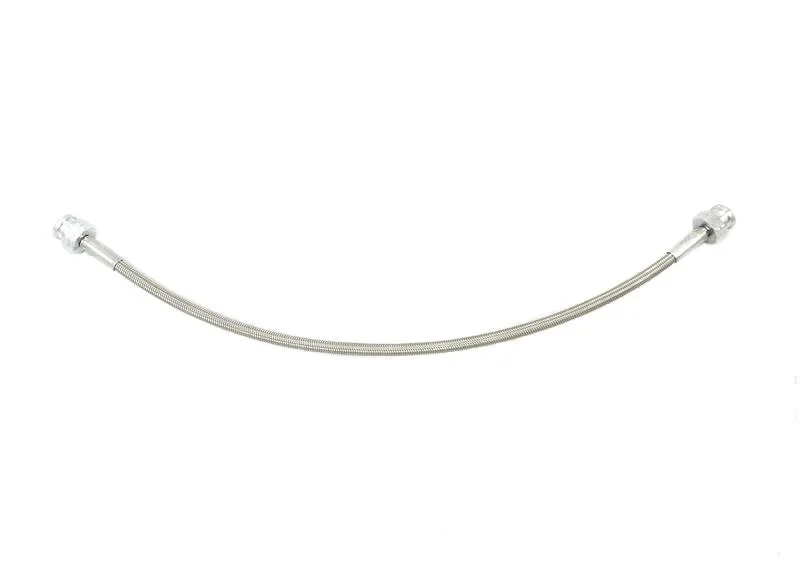
2022+ Honda Civic 1.5T Stainless Steel Braided Clutch Line
-
2022+ Honda Civic 1.5T Stainless Steel Braided Clutch Line: Constructed from -3AN stainless steel braided PTFE line with Honda-specific hose ends. The stainless braid resists expansion under pressure, and the Honda-specific ends make it a direct replacement for the factory rubber hose.
-
2022+ Honda Civic 1.5T Stainless Steel Braided Clutch Line: Designed as a drop-in replacement for the factory rubber line. No cutting, flaring, or custom fittings required—the line bolts on using existing mounting points.
Installation Steps
The following steps are based on the product's drop-in design. Work in a well-ventilated area with the engine off and the parking brake engaged. Have a drain pan ready for any residual fluid.
- Prepare the vehicle: Raise the front of the car securely on jack stands. Locate the clutch slave cylinder on the transmission and the clutch master cylinder near the brake fluid reservoir. Clean any dirt from the fittings before disconnecting.
- Remove the factory rubber line: Using a line wrench to avoid rounding the fittings, disconnect the rubber line at both the slave and master cylinders. Expect a small amount of clutch fluid to drain. Remove the rubber line and any retaining clips.
- Install the braided line: Route the new stainless braided line in the same path as the original. The Honda-specific ends should thread onto the existing hard-line fittings without adapters. Tighten each connection snugly with a line wrench—do not overtighten.
- Bleed the clutch system: Fill the clutch master cylinder reservoir with DOT 3 or DOT 4 fluid. Have a helper pump the clutch pedal while you open and close the bleeder on the slave cylinder. Continue until no air bubbles appear in the fluid stream.
- Check for leaks and test: With the system bled, wipe down all connections and have a helper press the clutch pedal while you inspect for drips. Start the engine and verify the clutch disengages fully and the pedal feels firm.
What the Catalog Does Not Confirm
The supplied product information does not include a specific torque value for the fittings, a recommended bleeding procedure beyond general steps, or a fluid capacity figure. If you are unfamiliar with bleeding hydraulic clutches, consult a factory service manual or a professional mechanic. The line is confirmed as a drop-in replacement, but installation skill and tool availability will affect the time and difficulty.