Quick Answer
For dependable sound and zero pairing hassle, a 3.5mm aux cable is the better choice. Bluetooth wins when you want wireless freedom and phone controls, but you'll trade some audio consistency.
Sound Quality: Wired Consistency vs Wireless Compression
Aux cables transmit analog audio directly from your phone to the car stereo, so you get the full signal without compression. Bluetooth uses digital compression (like AAC or SBC), which can slightly reduce detail, especially at high volumes.
The ToughTested PET Pro 8 ft 3.5mm Auxiliary Cable adds dual-layer shielding to reduce interference, so you hear clean sound even in areas with lots of electronics. This matters if you notice static or buzz with cheaper cables.
Reliability: No Pairing, No Dropouts
With an aux cable, you plug in and go—no pairing, no code entry, no firmware updates. Bluetooth can drop connection in crowded areas or when the car's system glitches, which is frustrating on a road trip.
Aux cables also work with older phones and stereos that lack Bluetooth. If your car is pre-2010, an aux input is often your only non-radio option.
Convenience: Wireless Freedom vs Tangle Management
Bluetooth lets you keep your phone in your pocket or bag and control music from the steering wheel. No cable means no clutter, and you can move around without disconnecting.
An 8-foot aux cable gives you plenty of reach, but you still have to manage the cable when not in use. If you hate untangling cords, Bluetooth is more appealing.
Aux vs Bluetooth: The Trade-Off
- Aux Cable: Sound & Reliability: Choose an aux cable if you prioritize consistent audio quality and a plug-and-play connection. You'll deal with a physical cable, but you won't worry about pairing or dropouts. If you often drive in areas with radio interference, a shielded aux cable is a smart upgrade.
- Bluetooth: Convenience & Modern Features: Pick Bluetooth if you want wireless freedom, hands-free calls, and steering wheel controls. Be prepared for occasional connection hiccups and slightly compressed audio. Check if your car stereo supports Bluetooth aptX or AAC for better wireless sound.
- Hybrid Approach: Keep Both: Use an aux cable as your primary connection and keep Bluetooth as a backup for when you need wireless. This covers you if one system fails. Store a spare aux cable in your glovebox for emergencies.
Product Spotlight
-
ToughTested PET Pro 8 ft 3.5mm Auxiliary Cable: The ToughTested PET Pro 8 ft 3.5mm Auxiliary Cable features a Tough PET ArmorWeave jacket that is chemical, heat, and abrasion resistant. This cable can handle the wear and tear of daily car use, from hot dashboards to being tossed in a glovebox, without cracking or fraying.
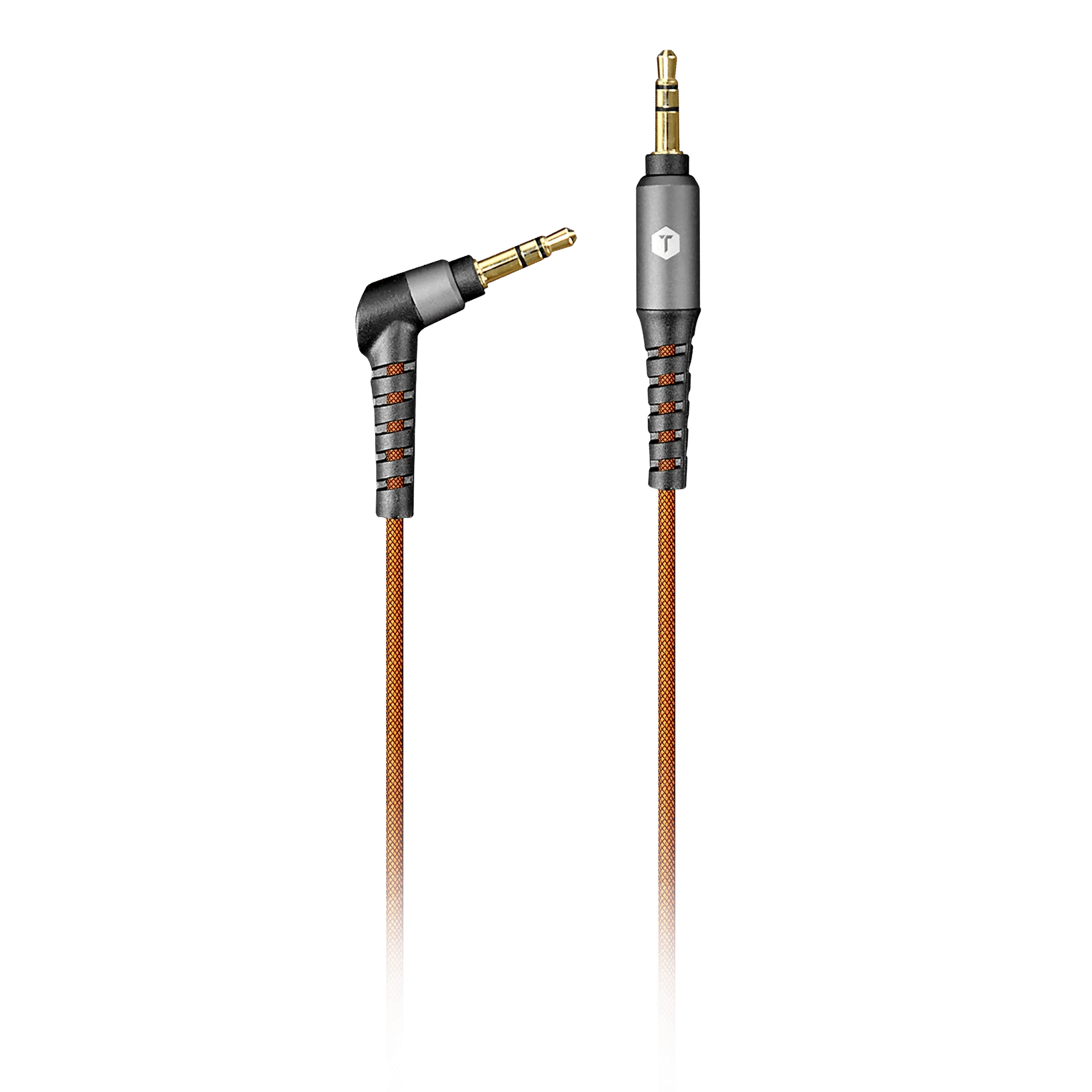
ToughTested PET Pro 8 ft 3.5mm Auxiliary Cable
-
ToughTested PET Pro 8 ft 3.5mm Auxiliary Cable: It includes dual-layer shielding to reduce interference and reinforced strain relief at the connectors. You get consistent, static-free audio even in areas with lots of electronics, and the connectors won't break from frequent plugging and unplugging.
Which Should You Choose?
Best for
- Audiophiles who notice subtle sound differences and want consistent audio quality
- Drivers with older cars that lack Bluetooth but have an aux input
- People who dislike pairing procedures and want a simple, reliable connection
Not for
- Drivers who want to keep their phone in their pocket and control music wirelessly
- People who frequently switch between multiple phones and dislike managing cables