Winter camping offers a unique, serene experience—crisp air, snow-covered landscapes, and starry nights. But to enjoy it safely, you need the right shelter. A 4-season tent is designed to withstand harsh winter conditions: heavy snow, strong winds, and freezing temperatures. Unlike 3-season tents, these are built with stronger poles, thicker fabrics, and better ventilation for snow camping.
Choosing the perfect winter camping tent can be overwhelming with so many options. This guide breaks down the essential factors: structure, materials, weight, and features. Whether you're a seasoned mountaineer or a first-time winter camper, you'll find practical advice to make an informed decision—and discover how Heimplanet's innovative designs can elevate your cold-weather adventures.
Key Differences Between 3-Season and 4-Season Tents
The most obvious difference is structural strength. A 4-season tent uses heavier, often aluminum poles that can withstand snow loads and high winds. The fabric is thicker and often double-walled to prevent condensation and provide insulation. Many 4-season tents also have a lower profile to shed wind and snow more effectively.
Ventilation is another critical factor. In a 3-season tent, mesh panels maximize airflow for warm nights. In winter, you need adjustable vents to reduce frost buildup while keeping cold drafts out. Look for tents with multiple vent openings and snow flaps around the base to block drifting snow.
Finally, consider the floor and fly. A 4-season tent typically has a bathtub-style floor with higher sides to keep moisture out. The rainfly extends to the ground and may include a vestibule for gear storage. These features are essential for staying dry and warm in wet snow or rain.
- Check for a minimum of 4-season-rated poles (e.g., DAC Featherlite or Easton).
- Ensure the tent has a full-coverage rainfly with snow skirt.
- Look for multiple vents to manage condensation.
Essential Features of a Winter Camping Tent
When shopping for a 4-season tent, prioritize these features: robust pole system, durable fabric, and smart design. Pole sleeves or clips? Clips are easier to set up in cold weather, but sleeves add strength. Many premium tents use a hybrid system. The fabric should be at least 40-denier ripstop nylon or polyester, with a high waterproof rating (e.g., 3000mm+).
A vestibule is invaluable for storing wet gear and cooking outside the sleeping area. Some tents offer dual vestibules for extra space. Also, check the number of doors—two doors make entry and exit easier, especially if you share the tent. Interior pockets and gear lofts help organize small items like headlamps and gloves.
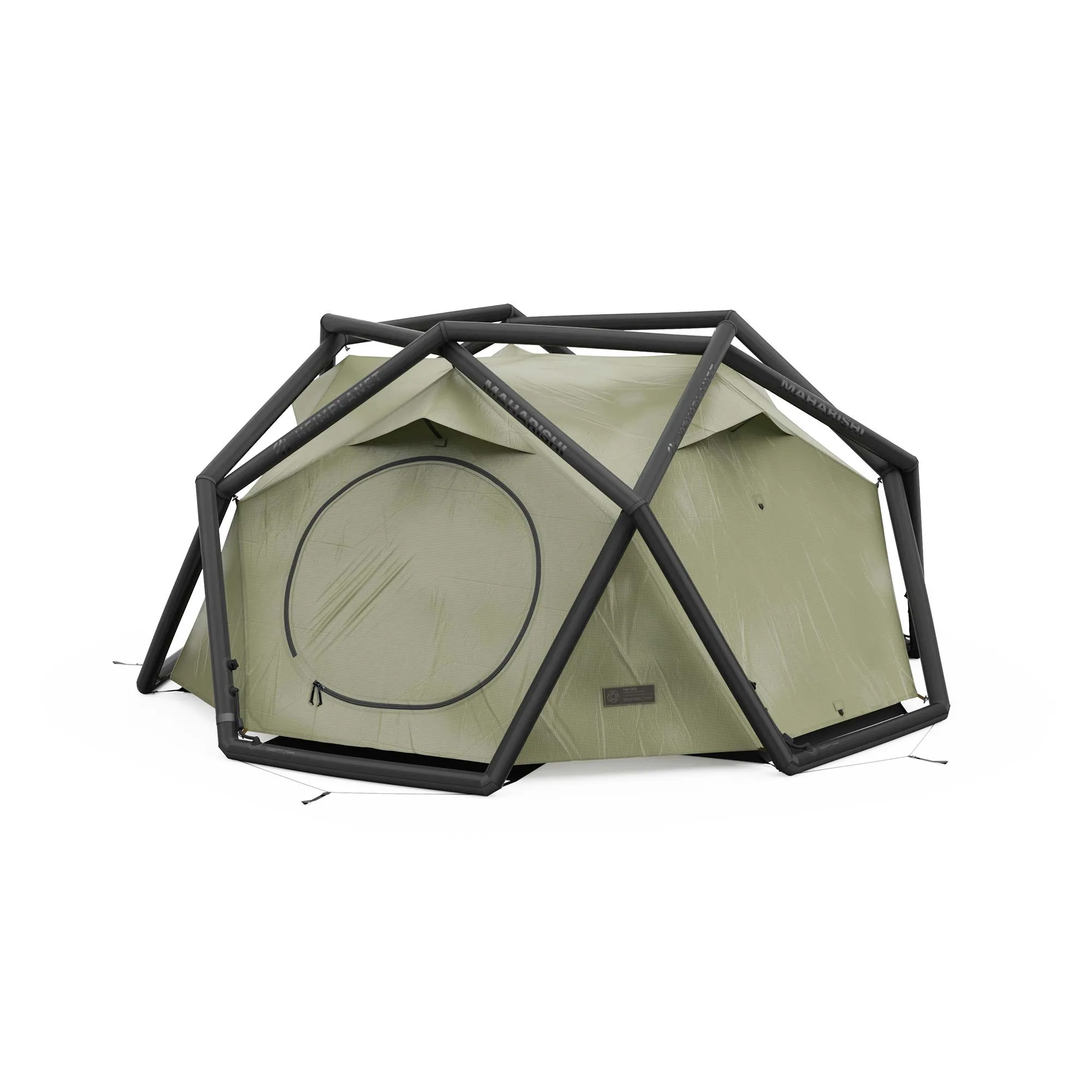
Weight matters if you're backpacking. A 4-season tent for two people typically weighs 5-8 pounds. If you're car camping, weight is less of an issue. Heimplanet's Re-stored MAVERICKS Basecamp; 4-Season offers a sturdy, spacious design for basecamp use, while lighter options like the KIRRA, WTAPS Edition are great for trekking.
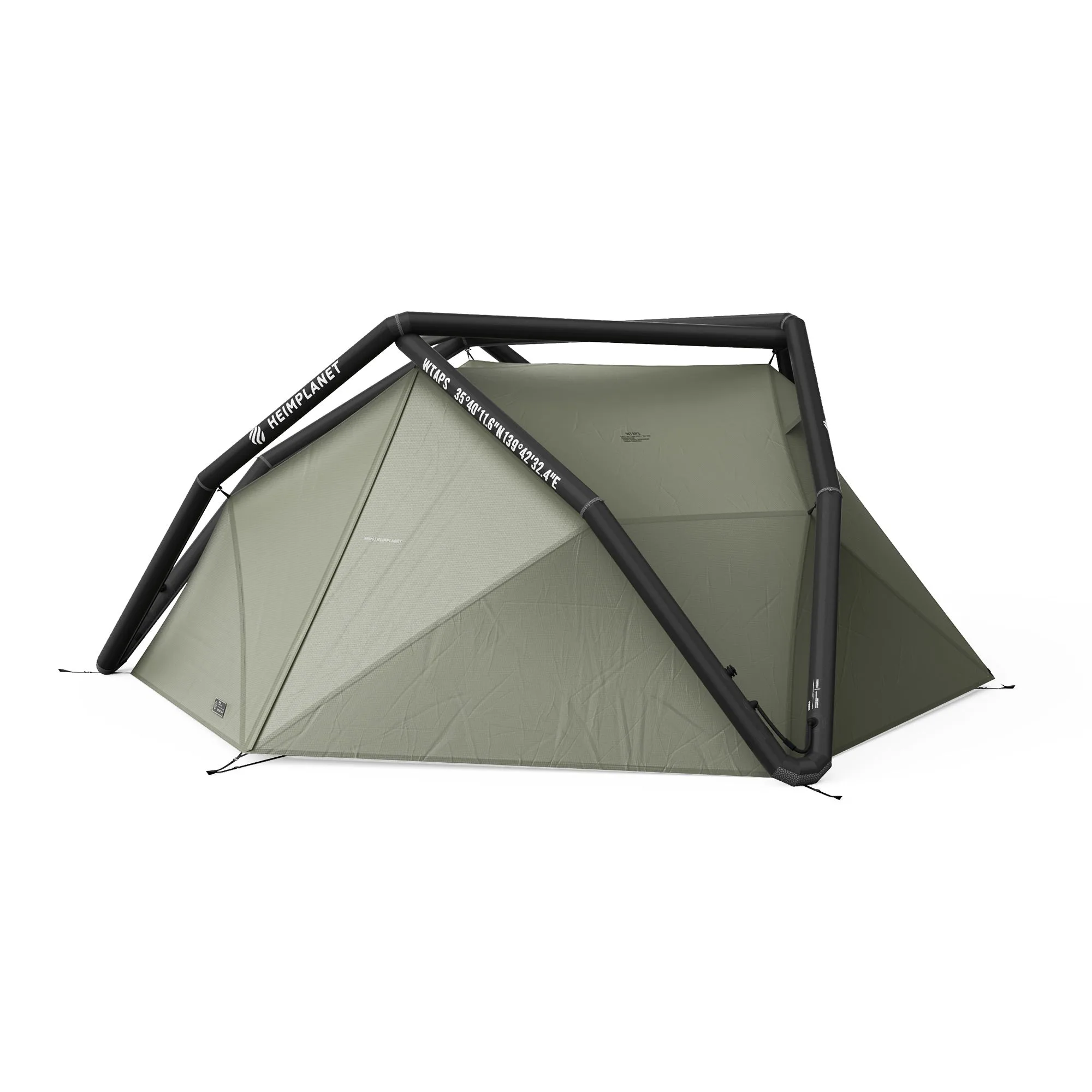
KIRRA, WTAPS Edition
- Vestibule size: at least 8-10 sq ft per person.
- Pole material: aluminum (stronger) vs. carbon fiber (lighter).
- Seam sealing: factory-sealed seams save time and ensure waterproofness.
How to Match a Tent to Your Winter Camping Style
Your choice depends on where and how you camp. For mountaineering in extreme conditions, a geodesic or dome tent with multiple crossing poles is best. These tents handle heavy snow loads and high winds. For milder winter camping or snowshoeing trips, a tunnel tent or modified dome works well.
Consider the number of occupants. Solo campers can use a lightweight 1-person tent, but groups need more space. A 3-person tent is comfortable for two people plus gear. Heimplanet's Re-stored KIRRA; 3-Season, Black/Cairo Camo is a versatile option that can be used in winter with proper setup and a sturdy rainfly.
Also think about setup ease. Winter conditions demand quick pitching. Freestanding tents are easier to move and adjust, while non-freestanding tents require stakes and can be tricky on hard snow. Practice setting up your tent at home before heading out.
- Freestanding tents: best for rocky or icy ground.
- Non-freestanding: lighter but need good snow stakes.
- Test your tent in a backyard snowstorm to learn its quirks.
Top Winter Camping Tent Materials and Construction
The poles are the skeleton of your tent. Aluminum alloys like DAC Featherlite are common in high-end 4-season tents. They offer a good strength-to-weight ratio. Some budget tents use fiberglass, but they are heavier and less durable. Carbon fiber poles are ultralight but more expensive and less impact-resistant.
The fly fabric should be waterproof and breathable. Silicone-coated nylon (silnylon) is lightweight and strong, while polyester is more UV-resistant. Inner tents often use breathable nylon with mesh panels for ventilation. A double-wall design (inner tent + fly) helps manage condensation better than single-wall tents.
Floor fabric must be tough. A 70-denier or higher floor with a polyurethane coating resists punctures and moisture. Some tents include a footprint (groundsheet) for extra protection. Heimplanet's Ultimate Shelter Set - Kirra, Cairo Camo combines a durable tarp and inner tent for modular winter setups.
- Look for DAC or Easton poles for reliability.
- Check the denier rating: higher = more durable.
- A footprint is a wise investment for tent longevity.
5 Tips for Staying Warm and Safe in a Winter Tent
1. Choose the right campsite: Avoid low spots where cold air settles. Look for natural windbreaks like trees or rock formations. Clear snow to create a flat, insulated platform. 2. Use a proper sleeping bag and pad: A 4-season tent alone won't keep you warm. Combine it with a winter-rated sleeping bag (0°F or lower) and an insulated pad with an R-value of at least 4.
3. Manage moisture: Ventilate the tent to reduce condensation. Cook outside or in the vestibule. Dry wet clothes before sleeping. 4. Secure your tent: Use snow stakes or deadman anchors (bury a stick or bag in snow). Guy lines are crucial for wind stability. 5. Pack a repair kit: Include pole splints, fabric tape, and extra stakes. A small tool like a multi-tool can help.
Bonus tip: Bring a lightweight stove for hot drinks and meals. The AeroPress Coffee Maker - Original is a great addition for morning coffee without a bulky setup. Stay hydrated and eat high-energy foods to maintain body heat.
- Always check weather forecasts before heading out.
- Practice setting up your tent in the dark.
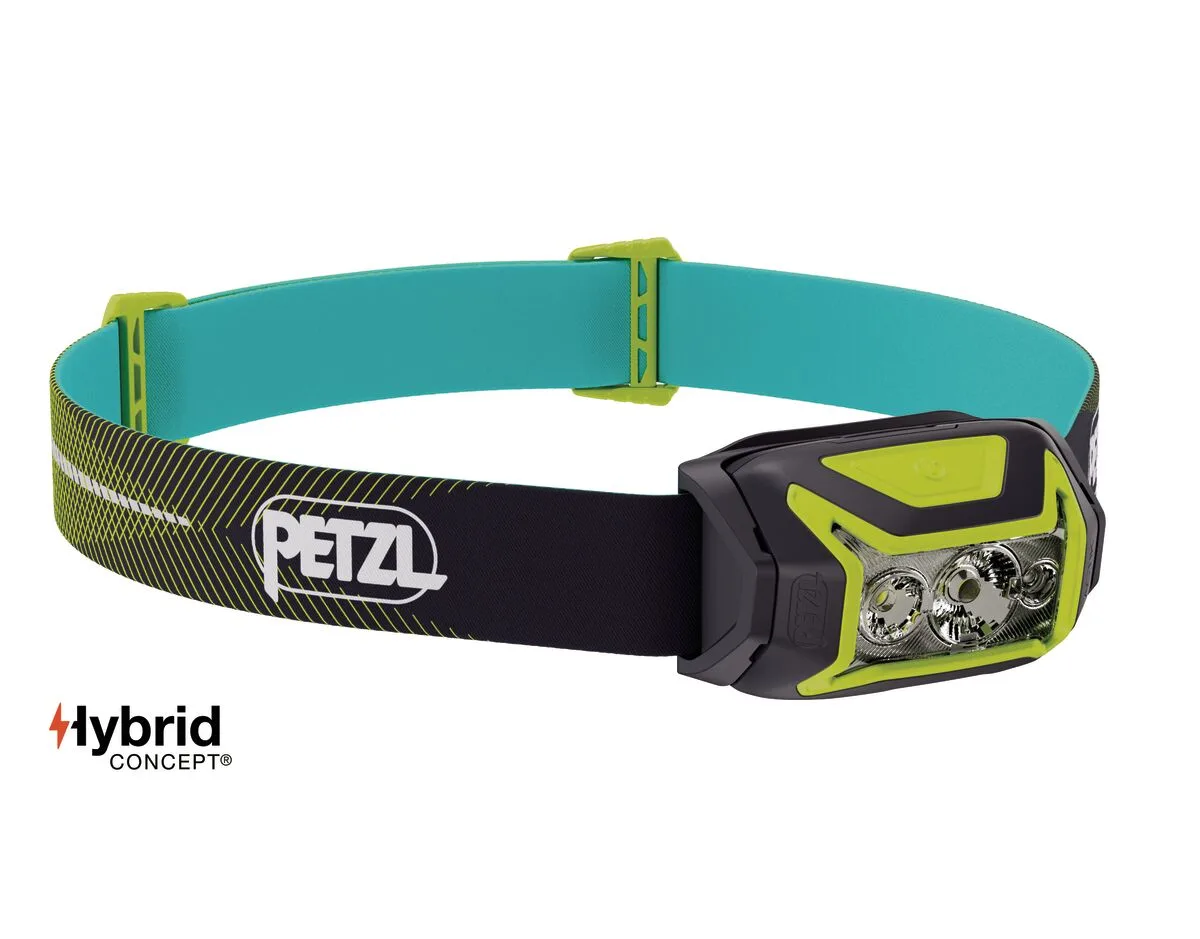
- Carry a whistle and a headlamp for emergencies.
Choosing the perfect 4-season tent comes down to understanding your camping style, the conditions you'll face, and the features that matter most. A well-chosen tent is an investment in comfort and safety. Explore Heimplanet's innovative shelter systems, like the Re-stored MAVERICKS Basecamp; 4-Season, to find a reliable companion for your winter adventures. Stay warm, stay safe, and enjoy the magic of camping in the snow.