Quick answer
Most baby feeding problems stem from positioning, pace, or an immature digestive system. Simple adjustments like upright feeding, frequent burping, and paced bottle-feeding often resolve spit-up, gagging, and fussiness without medical intervention.
Why feeding problems happen and when to act
Newborns have tiny stomachs and an immature esophageal sphincter, which makes spit-up and reflux common. Gagging often signals that milk is flowing too fast, while fussiness may mean the baby is overtired or needs a different nipple flow. Most issues improve by 4-6 months as the digestive system matures.
If your baby isn't gaining weight, has forceful vomiting, or seems in pain during feeds, check with your pediatrician. The tips below cover the everyday challenges that respond well to simple routine changes.
Spit-up after almost every feed
Spit-up is normal when it's small amounts and your baby seems comfortable. It happens because the muscle between the stomach and esophagus isn't fully developed yet. To reduce it, keep your baby upright for 20-30 minutes after feeding and avoid bouncing or active play right after a meal. Burp gently every 2-3 ounces if bottle-feeding, or after each breast.
Baby gags or chokes during bottle-feeding
Gagging usually means the milk is flowing too fast. Check the nipple size: a slow-flow nipple is best for newborns. Hold the bottle almost horizontal so the baby controls the pace, and take breaks every ounce to let them swallow. If your baby still gags, try paced bottle-feeding, where you tilt the bottle down after every few sucks to pause the flow.
Fussiness and arching during feeds
If your baby squirms, arches their back, or pulls away from the breast or bottle, they may have gas or reflux. Try feeding in a more upright position and burping more frequently. A slow-flow nipple can also help reduce air swallowing. For breastfed babies, check your letdown: if milk sprays forcefully, nurse in a reclined position to slow the flow.
Baby seems hungry but refuses the bottle
A baby who roots but then turns away from the bottle may be overtired, overstimulated, or not ready for the temperature. Warm the bottle slightly (test on your wrist) and try feeding in a dim, quiet room. Skin-to-skin contact before offering the bottle can also help calm a fussy baby. If refusal persists, the nipple shape or flow might not match your baby's preference.
Frequent hiccups during or after feeding
Hiccups are common and usually harmless. They happen when the diaphragm spasms, often triggered by a full stomach or swallowing air. To reduce hiccups, burp your baby mid-feed and keep them upright afterward. If hiccups start, offer a pacifier or a brief pause in feeding. They typically stop on their own within 5-10 minutes.
Quick diagnosis guide for feeding problems
- Symptom: Small spit-up after feeds: Likely cause: Immature esophageal sphincter. Corrective action: Keep baby upright for 20-30 minutes after feeding. Burp gently every 2-3 ounces. Normal. No need to stop feeding. If spit-up becomes forceful or projectile, see a pediatrician.
- Symptom: Gagging or choking during bottle-feeding: Likely cause: Milk flowing too fast. Corrective action: Switch to a slow-flow nipple and hold the bottle nearly horizontal. Try paced bottle-feeding. If gagging continues despite flow adjustments, consult a feeding specialist.
- Symptom: Fussiness, arching, or pulling away: Likely cause: Gas or reflux. Corrective action: Feed in an upright position. Burp more often. For breastfed babies, try a reclined nursing position. If arching is severe or baby refuses all feeds, check with your pediatrician.
Products that make feeding easier
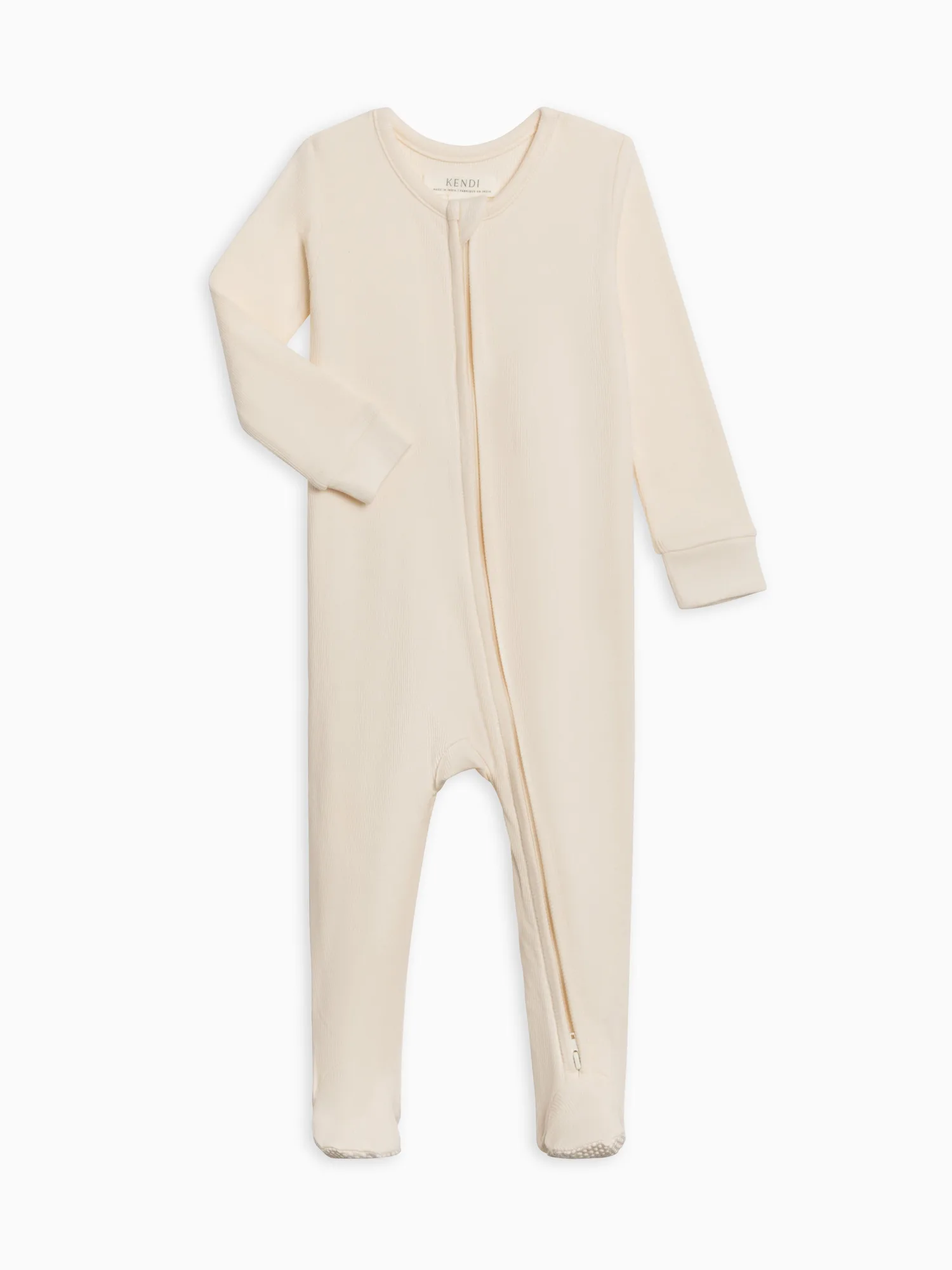
- Indy Kimono Gown: Designed with your newborn in mind, our kimono gown is a staple for those first few weeks at home. Featuring foldover cuffs and an adjustable bottom, this gown snaps closed in the front to make getting your baby dressed a breeze. After a feeding session, the front-snap design lets you change a spit-up-soaked outfit without pulling anything over your baby's head, which can disturb their digestion and trigger more spit-up.
- River Bodysuit: Our super soft and adorable https://coloredorganicsru.com/products/organic-cotton-baby-aw26-woodford-collection-river-body-874fdbe776418bdfa4e40bc3-1119319https://coloredorganicsru.com/products/organic-cotton-baby-aw26-woodford-collection-river-body-8fda28bcfc37851a2b8fba6c-1119324https://coloredorganicsru.com/products/organic-cotton-baby-aw26-woodford-collection-river-body-7e70c6fa6f33bf9ce74f7d18-1119327https://coloredorganicsru.com/products/organic-cotton-baby-holiday-aw25-river-bodysuit-82301-1-33e451dde6bbe28388504698-1119622River bodysuit is a mom favorite here at Colored Organics. Buttery soft and breathable, this bodysuit is the comfiest base layer or stand alone piece. Made of 100% organic cotton fabric. A soft, breathable bodysuit keeps your baby comfortable during long feeding sessions. Organic cotton is naturally hypoallergenic, which helps if your baby has sensitive skin that reacts to synthetic fabrics.