Quick Answer
The most common whitening gel mistakes include overusing the product, applying it to irritated gums, ignoring sensitivity, using a one-size-fits-all approach, and expecting instant results. To get the best outcome, follow the instructions carefully, start with shorter application times, and choose a gentle formula if you have sensitive teeth.
whitening gel
Whitening gel can brighten your smile from the comfort of your home, but small errors in how you use it can lead to uneven results, tooth sensitivity, or gum irritation. Whether you're new to at-home whitening or you've tried it before, understanding these common pitfalls will help you get the most from your product while keeping your teeth healthy.
In this guide, we'll walk through five mistakes people often make with whitening gel and how to fix them. We'll also highlight a gentle, plastic-free option that fits into a sustainable oral care routine.
Mistake 1: Overusing the Gel or Leaving It On Too Long
More isn't always better when it comes to whitening gel. Leaving the gel on longer than recommended or applying it more frequently than directed can wear down enamel and increase tooth sensitivity. The active ingredients need time to work, but they also need to be removed so they don't over-process your teeth.
Always follow the instructions on your specific product. If you're using a new gel, start with the shortest suggested time and see how your teeth respond before increasing. Consistency matters more than intensity—regular, moderate use will give you better results than occasional over-application.
- Set a timer so you don't forget to rinse the gel off.
- If your gums start to tingle or burn, remove the gel immediately.
Mistake 2: Applying Gel to Irritated or Sensitive Gums
Whitening gel is meant for your teeth, not your gums. If you have any cuts, canker sores, or irritation in your mouth, the gel can make them worse. Even healthy gums can become inflamed if the gel sits on them for too long.
Before applying, check that your mouth is free of any sores or redness. Use a cotton swab or the applicator to place the gel precisely on the tooth surface, avoiding the gum line. If you notice any discomfort, stop and let your mouth heal before trying again.
- Pat your teeth dry with a tissue before applying the gel to help it adhere.
- Use a mirror to ensure you're only covering the teeth, not the gums.
Mistake 3: Ignoring Sensitivity or Using the Wrong Formula
Tooth sensitivity is a common side effect of whitening, but it shouldn't be ignored. If your teeth become painful or overly sensitive, you may be using a formula that's too strong for your enamel. Some people have naturally thinner enamel, making them more prone to sensitivity.
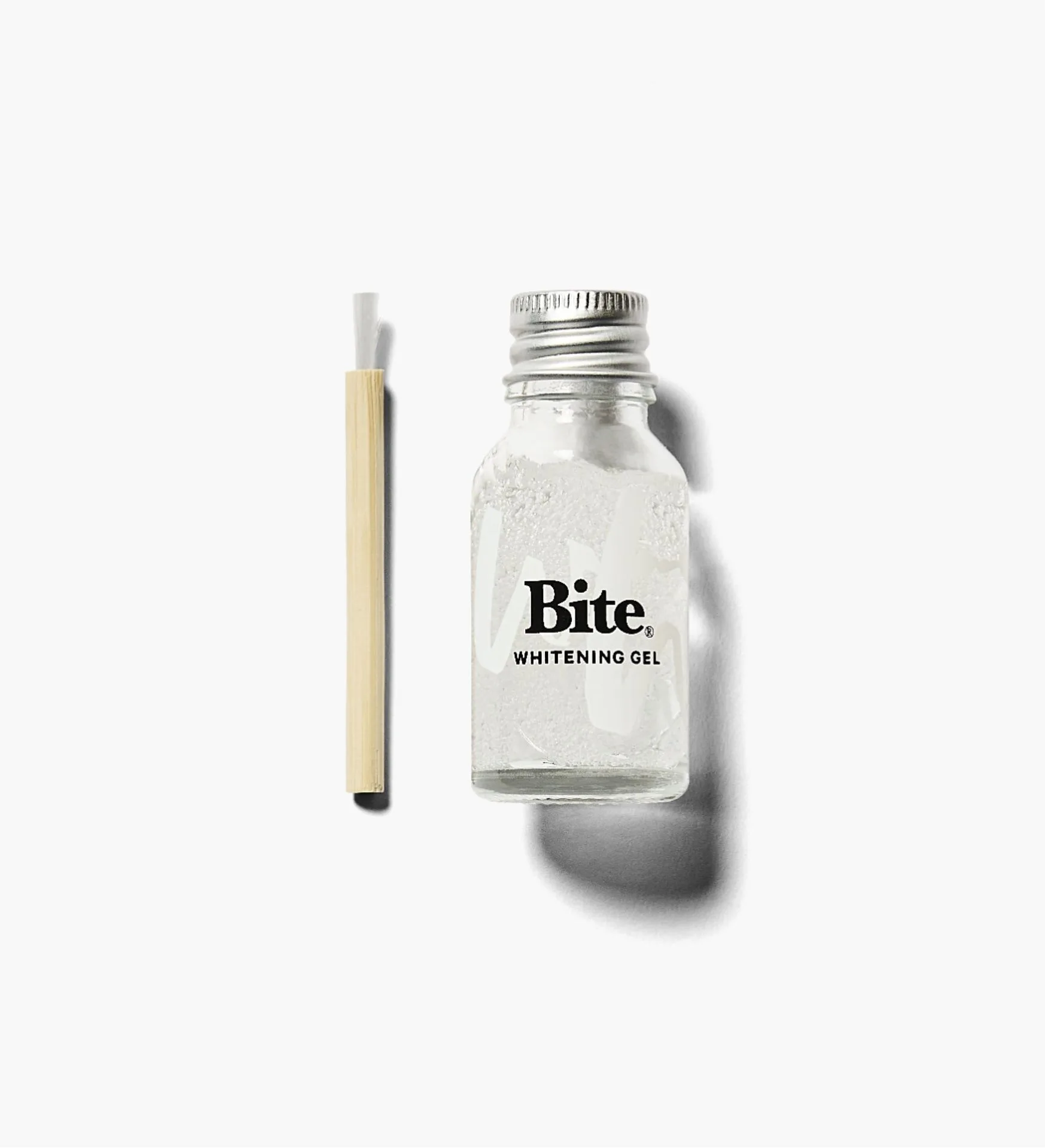
If you have sensitive teeth, look for a whitening gel that's specifically formulated for gentle use. For example, the Whitening Gel from Bite Toothpaste Bits is designed to be safe for sensitive teeth, offering a mild yet effective approach. It's a plastic-free whitening system, which also reduces environmental impact.
- Switch to a sensitivity-friendly formula if you experience discomfort.
- Take a break from whitening for a few days to let your enamel recover.
Mistake 4: Not Following a Consistent Routine
Whitening isn't a one-time fix. If you apply the gel sporadically, you won't see lasting results. The key is to incorporate whitening into your regular oral care routine, but that doesn't mean using it every day. Most products recommend a cycle—such as once a day for two weeks—followed by maintenance.
Create a schedule that works for you and stick to it. For example, you might use the gel in the evening after brushing with toothpaste bits. Consistency will help you achieve a more even, brighter smile over time.
- Set a daily reminder on your phone.
- Keep the gel in a visible spot in your bathroom.
Mistake 5: Expecting Instant Results
Whitening gel doesn't work overnight. Depending on the product and your starting shade, it can take several days to a couple of weeks to see noticeable changes. Expecting instant results can lead you to overuse the product or become discouraged.
Be patient and follow the instructions. If you're using a gentle formula, it may take a bit longer, but it's safer for your enamel. Remember that whitening gel can only remove surface stains; deep discoloration may require professional treatment.
- Take a photo before you start to track your progress.
- Avoid staining foods and drinks like coffee and red wine during treatment.
Diagnosis: Is Your Whitening Routine on Track?
- Symptom: Your teeth feel sensitive or painful after using the gel.: You may be leaving the gel on too long, using a formula that's too strong, or applying it too frequently. Stop using the gel for a few days and switch to a gentler formula if needed. If sensitivity persists after a week, consult your dentist.
- Symptom: Your gums are red, swollen, or bleeding.: The gel may be coming into contact with your gums. Make sure you're applying only to the teeth and avoid using the gel if you have any mouth sores. Rinse your mouth with water and give your gums time to heal before resuming.
- Symptom: You don't see any improvement after two weeks.: You might be using the gel inconsistently, or your stains may be too deep for at-home whitening. Review your routine and consider professional advice. If there's no change after a month, stop and see a dentist.
Product Facts
- Whitening Gel (Free Gift): Bite Toothpaste Bits presents the Whitening Gel (Free Gift), a plastic-free whitening system designed to gently brighten your smile. This formula is safe enough for sensitive teeth, offering an effective yet mild approach to whitening. If you have sensitive teeth, this gel provides a gentler option that reduces the risk of irritation while still delivering whitening benefits.
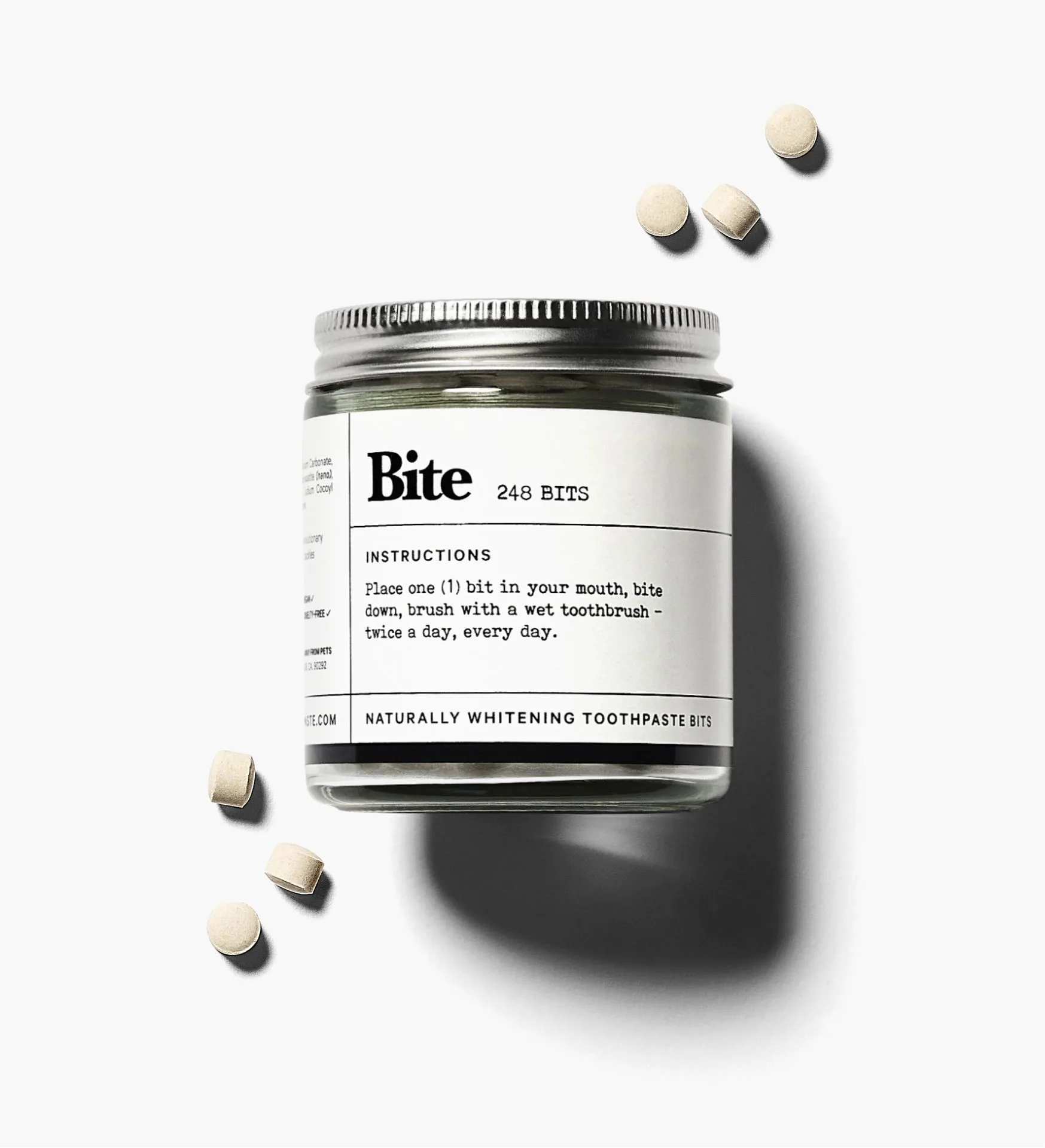
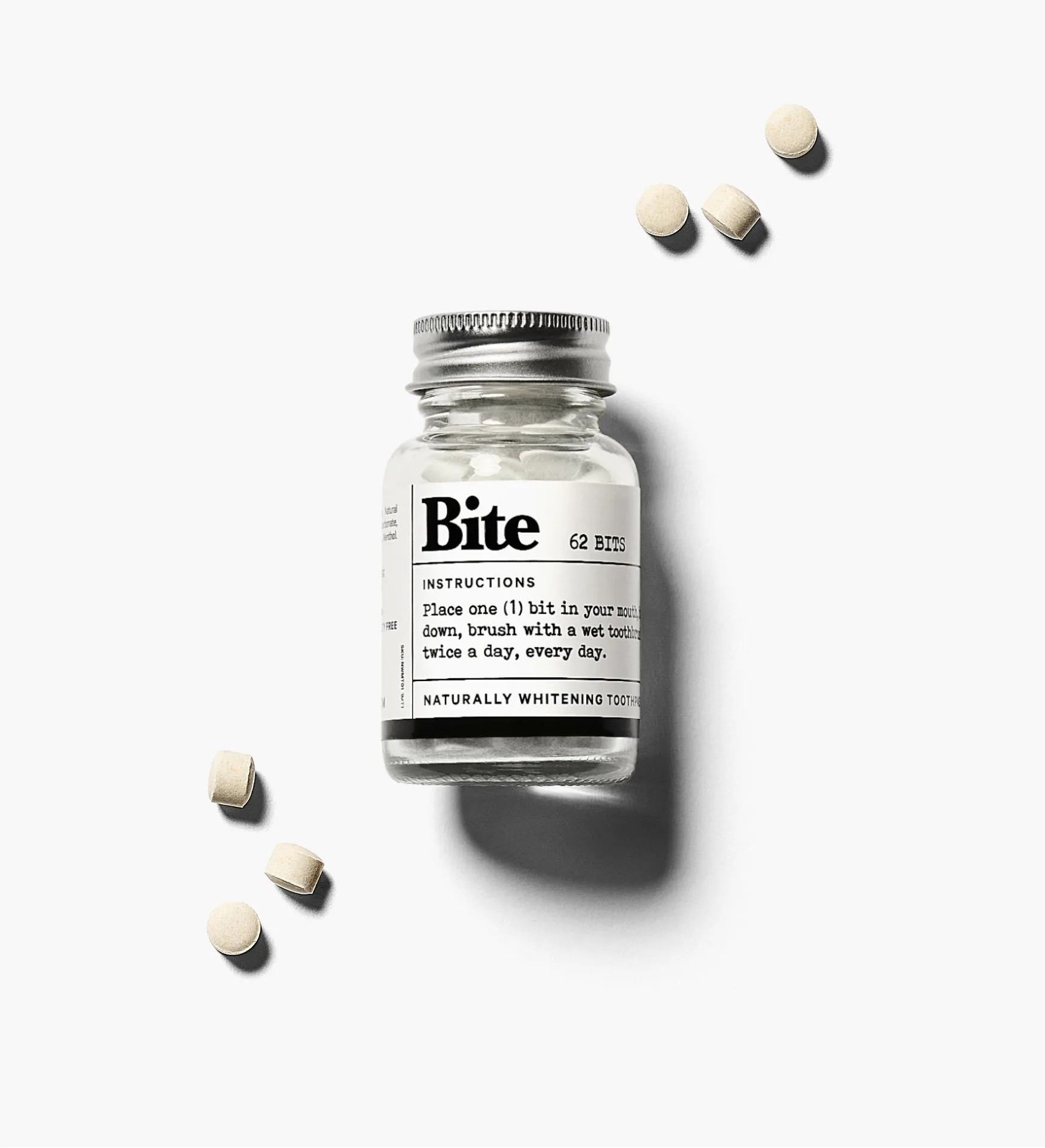
- Bite Toothpaste Bits – Natural, Remineralizing, Whitening Toothpaste Tablets with Nano-Hydroxyapatite and Xylitol - As Seen On Shark Tank: Bite is made with nano-hydroxyapatite, which helps in gentle remineralization of teeth. This ingredient is beneficial for those who have weak teeth or are prone to cavities. Pairing your whitening gel with a remineralizing toothpaste can help strengthen enamel and reduce sensitivity during your whitening routine.
Avoiding these common mistakes will help you get the most from your whitening gel while keeping your teeth and gums healthy. Remember to follow the instructions, listen to your body, and be patient. If you have sensitive teeth, choose a gentle formula like Bite's Whitening Gel, and pair it with a remineralizing toothpaste to support your enamel. With the right approach, you can achieve a brighter smile without compromising your oral health.