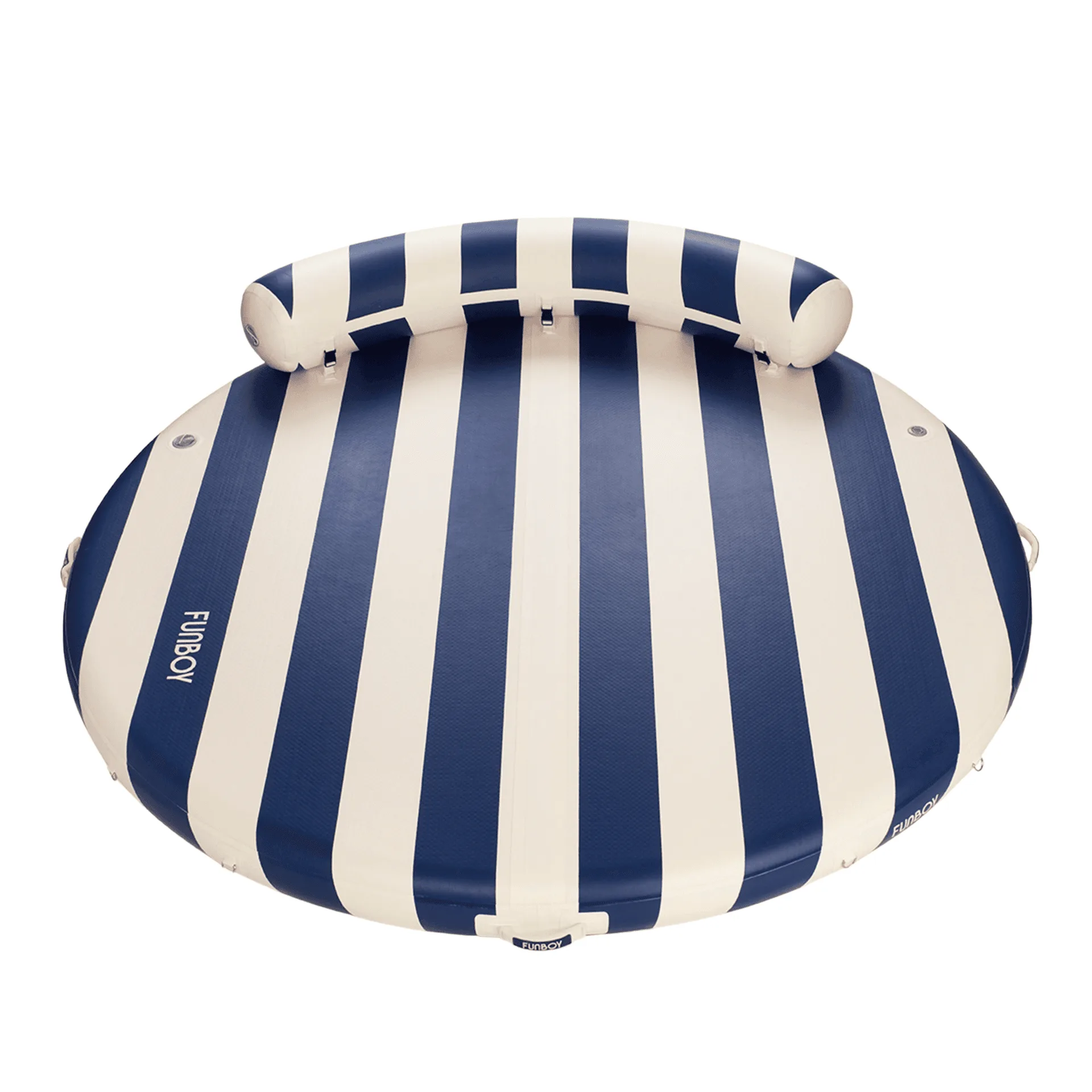
There’s nothing quite like lounging on a giant inflatable in the middle of a sparkling pool on a hot summer day. But after a few uses, your favorite pool float can start to look a little worse for wear—sticky, discolored, or even sporting a musty smell. That’s usually a sign of mold or mildew taking hold, especially if you’ve left it damp or stored it away without proper care.
Mold on pool floats isn’t just unsightly; it can degrade the material over time, leading to leaks and a shorter lifespan. The good news? With a few simple habits, you can keep your inflatables looking fresh all season long. Whether you own a classic https://pickkind.shop/products/mesh-chair-float-113858https://pickkind.shop/products/mesh-chair-float-113859https://pickkind.shop/products/mesh-chair-float-113860https://pickkind.shop/products/mesh-chair-float-113861Mesh Chair Float or a spacious Leisure Island, these five tips will help you maintain a clean, mold-free float that’s ready for every pool party.
1. Rinse and Dry Immediately After Each Use
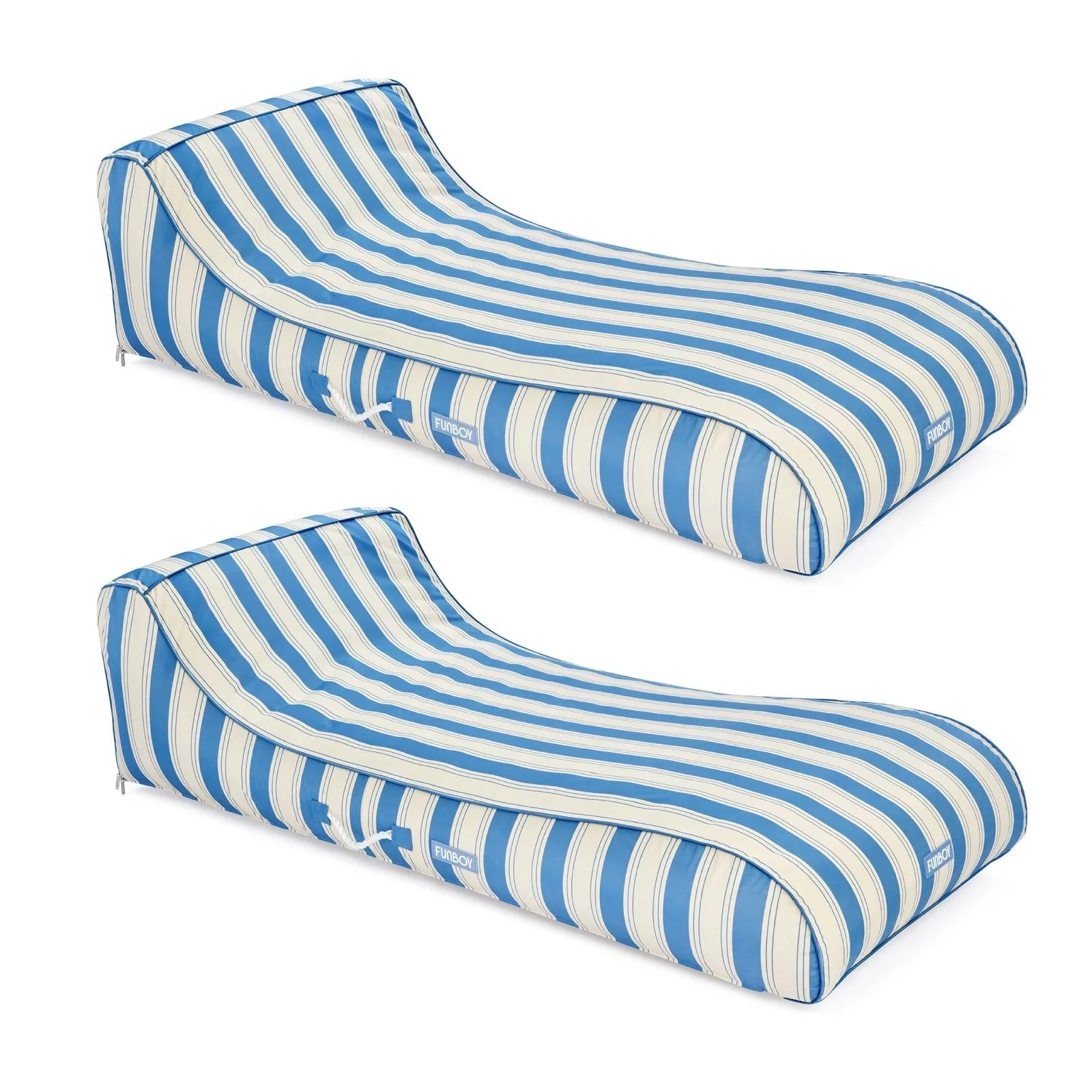
The number one cause of mold on inflatables is moisture left to sit in crevices, seams, and fabric surfaces. After you climb out of the pool, give your float a quick rinse with fresh water to remove chlorine, salt, and any dirt or sunscreen residue. This step is especially important for fabric-covered floats like the Fabric Sunbed Lounger, which can trap moisture in the padded top.
Once rinsed, dry the float thoroughly. Use a soft towel to blot excess water from the surface, then let it air dry in a shady, well-ventilated area. Avoid direct sunlight for long periods, as UV rays can weaken the vinyl. Make sure every nook and cranny is completely dry—especially the seams and valve area—before you deflate or store it.
- Always rinse with fresh water after pool or lake use.
- Dry with a towel, then air dry in the shade for at least an hour.
- Pay extra attention to seams, valves, and any fabric sections.
2. Use a Gentle Cleaning Solution for Stubborn Stains and Odors
If you notice a musty smell or visible spots, it’s time for a deeper clean. Mix a solution of mild dish soap and warm water—or use a 50/50 mix of white vinegar and water for a natural mold killer. Avoid bleach or harsh chemicals, as they can break down the vinyl and fade colors.
Apply the solution with a soft sponge or cloth, gently scrubbing the affected areas. For fabric floats, like the Fabric Noodle Float, you can spot-clean the fabric with the same solution, then rinse thoroughly. Never submerge the entire float in water unless it’s designed for that, as water can get trapped inside the seams and cause internal mold.
- Mix mild soap and warm water or vinegar and water for a natural cleaner.
- Use a soft sponge—never abrasive scrubbers.
- Rinse all soap residue off completely to avoid stickiness.
3. Deflate Properly and Store in a Cool, Dry Place
How you store your pool float when it’s not in use is just as important as how you clean it. Always deflate the float completely before storing. Leaving it partially inflated can trap humid air inside, creating a perfect environment for mold growth. Roll the float from the bottom to push out as much air as possible, then fold it loosely—never crease or fold it sharply, as that can weaken the vinyl over time.
Store your float in a cool, dry spot away from direct sunlight, extreme heat, or damp basements. A large plastic bin or a breathable storage bag works well. If you have multiple floats, consider stacking them with a dry towel in between. For larger items like a Leisure Island, a dedicated storage shelf in a garage or closet helps maintain its shape and cleanliness.
- Deflate fully and roll out excess air before folding.
- Avoid sharp creases—fold loosely to prevent material stress.
- Store in a cool, dry place—never in a damp or hot environment.
4. Inspect and Repair Small Leaks Early
A tiny pinhole leak might not seem like a big deal, but it can let moisture seep inside the float’s layers, leading to hidden mold. Before each use, give your float a quick visual inspection. Look for small punctures, worn seams, or valve issues. If you find a leak, patch it right away with a vinyl repair kit.
Even if you don’t see visible damage, check for soft spots or areas that lose air faster than others. Catching a small leak early not only prevents mold but also extends the life of your float. The Kiddie Pool is another popular item that benefits from regular inspection—kids tend to be hard on inflatables, so a quick check before each use can save you from a soggy surprise.
- Check for pinholes and worn seams before each use.
- Patch small leaks immediately with a vinyl repair kit.
- Test for air loss by inflating and listening near seams.
5. Rotate Your Float Collection to Reduce Wear and Tear
If you’re lucky enough to own multiple floats, rotating them throughout the season can help each one last longer. Constant exposure to sun, water, and chemicals can accelerate breakdown of the material. By giving each float a break, you reduce the cumulative stress on any single item.
For example, you might use your Mesh Chair Float one weekend, then switch to a River Tube Float for a lazy river session the next. This not only keeps your pool experience fresh but also allows each float to dry out completely between uses. Plus, it’s a great excuse to expand your collection with fun new designs from FUNBOY.
- Alternate between different floats to distribute wear.
- Let each float dry completely for at least 24 hours before reusing.
- Store unused floats in a clean, dry bag or bin.
A little care goes a long way when it comes to your inflatable pool floats. By rinsing, drying, cleaning, and storing them properly, you can enjoy a mold-free, vibrant float all summer long—and for many summers to come. Ready to upgrade your pool gear? Check out the Mesh Chair Float for a comfortable, easy-to-clean lounging experience that pairs perfectly with these maintenance tips.