Quick answer
For cough and cold relief, look for an herbal tea that combines soothing, hydrating ingredients with herbs known for throat comfort. Our top pick is the Cough and Cold Relief Herbal Tea (Throat Care) because it's specifically formulated for throat health. For a calming addition, consider the Anxiety Relief Herbal Tea (Relax and Calming) to help you rest while recovering.
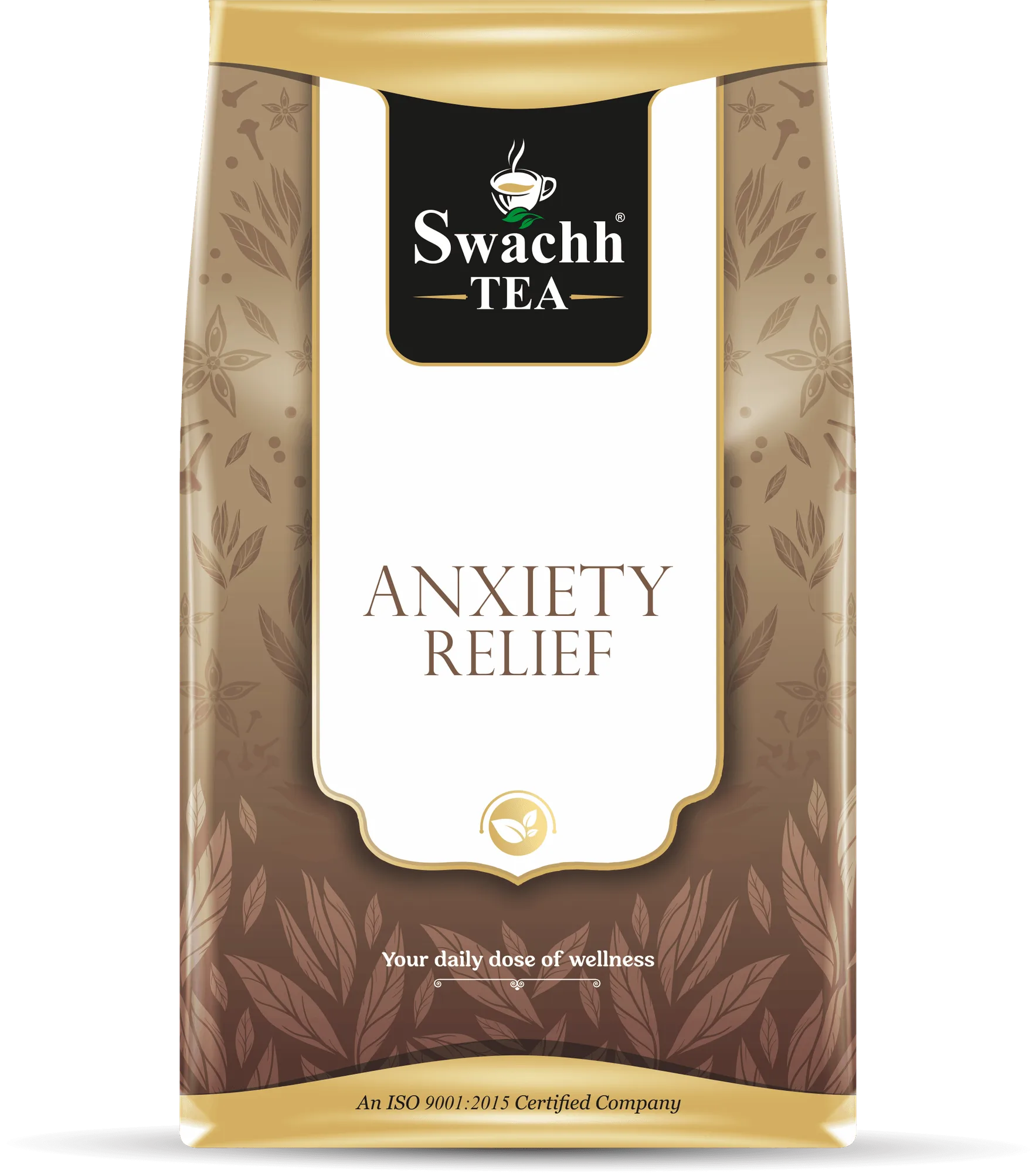
Anxiety Relief Herbal Tea (Relax and Calming)
When a cough or cold hits, a warm cup of herbal tea can be more than a comfort—it can support your throat and help you stay hydrated. But with so many blends on the shelf, how do you choose the right one? This guide breaks down five herbal teas that can help with cough and cold symptoms, and gives you simple rules to match a tea to your specific needs.
We'll focus on practical considerations: what each blend is designed to do, how to use it, and where it falls short. You'll also learn what to look for on the label, so you can make an informed choice whether you're shopping for yourself or for a loved one.
What to Look for in a Cough and Cold Herbal Tea
Not all herbal teas are created equal when it comes to cold relief. The most useful blends for coughs include herbs that are traditionally used to soothe the throat, reduce irritation, and support the immune system. Common ingredients include licorice root, marshmallow root, slippery elm, and ginger. These herbs are known for their mucilaginous or warming properties, which can coat the throat and ease discomfort.
Also consider the form of the tea. Loose-leaf blends often contain larger pieces of herbs, which can release more flavor and beneficial compounds. Tea bags are convenient, especially when you're in bed with a cold. Look for a product that clearly states its purpose, like 'throat care' or 'cough relief,' and check the ingredient list for herbs you recognize. Avoid blends with added sugars or artificial flavors, as these can be drying.
- Check the ingredient list for herbs like ginger, licorice, or marshmallow root.
- Choose a blend that matches your main symptom: dry cough, sore throat, or congestion.
- Opt for caffeine-free herbal teas, especially in the evening, to support rest.
Comparing Five Herbal Teas for Cold Season
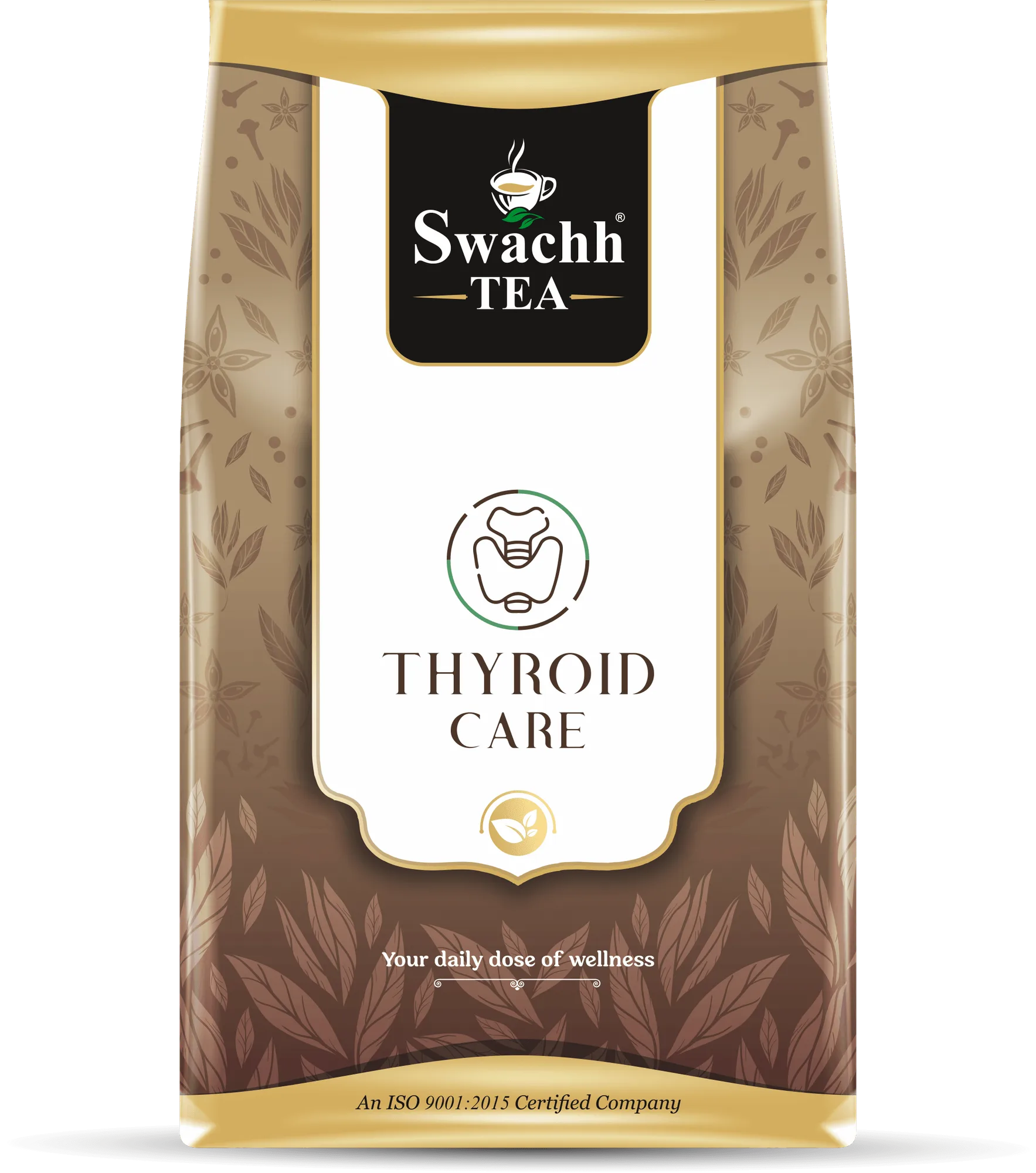
We've selected five herbal teas that can play a role in your cold and cough routine. Each has a different focus, so you can pick based on your symptoms. The Cough and Cold Relief Herbal Tea (Throat Care) is a dedicated throat-soothing blend. The Thyroid Care Herbal Tea supports overall wellness, which is important when your body is fighting a cold. The Anxiety Relief Herbal Tea (Relax and Calming) helps you unwind and sleep, which is crucial for recovery.
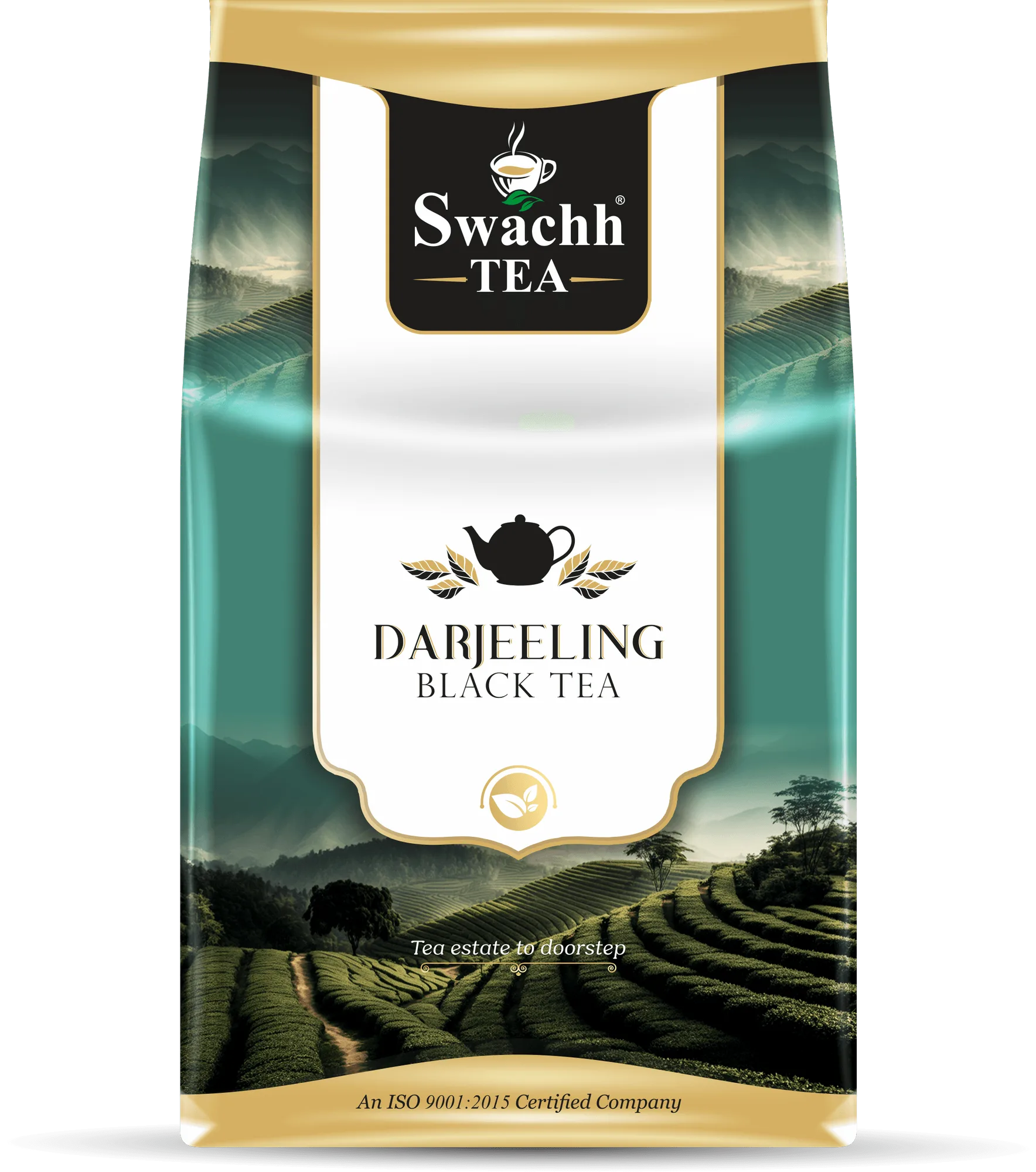
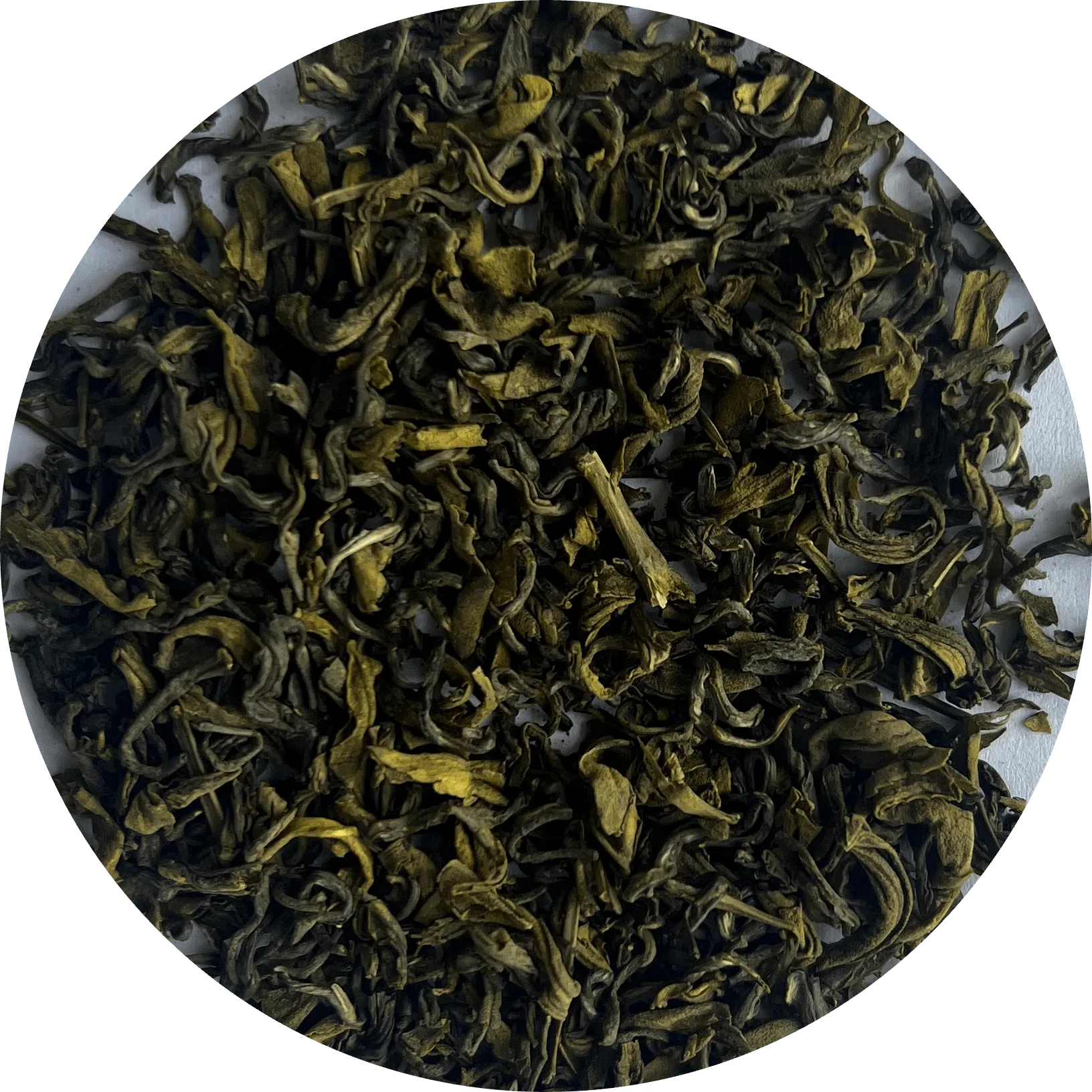
Ashwagandha Green Tea combines green tea antioxidants with the adaptogen ashwagandha, offering a gentle energy lift without the jitters—useful during the day when you need to stay active. Dooars Green Tea is a classic green tea that provides a light, refreshing option, though it contains caffeine and won't target cold symptoms directly. Darjeeling Black Tea is a premium black tea with a distinctive flavor, but it's not formulated for cold relief and contains more caffeine.
- For a dedicated throat tea, choose the Cough and Cold Relief Herbal Tea.
- If stress keeps you from resting, the Anxiety Relief Herbal Tea can help you relax.
- Green and black teas are better for general wellness, not targeted cold relief.
How to Use Herbal Tea for Maximum Relief
To get the most benefit from your herbal tea, brew it properly. Use freshly boiled water and steep for the recommended time—usually 5 to 10 minutes for herbal blends. Cover your cup while steeping to keep the essential oils from escaping. Drink the tea warm, not scalding hot, to avoid irritating your throat further.
Aim for 2 to 3 cups a day when you're feeling under the weather. Herbal teas are hydrating, which helps thin mucus and soothe a sore throat. You can add a spoonful of honey and a squeeze of lemon to enhance the soothing effect, but avoid honey for children under one year. If you're using a tea with adaptogens like ashwagandha, be mindful of timing—it can be calming, so it's best in the evening.
- Steep herbal teas for at least 5 minutes to extract beneficial compounds.
- Drink warm, not hot, to avoid throat irritation.
- Add honey and lemon for extra comfort, but skip honey for infants.
Decision Rules for Choosing Your Tea
- Rule 1: Match the tea to your main symptom: If you have a sore throat or cough, choose a tea specifically labeled for throat care, like the Cough and Cold Relief Herbal Tea. If your primary issue is stress or sleeplessness, pick a calming blend like the Anxiety Relief Herbal Tea. Targeted blends work better than general teas for specific symptoms.
- Rule 2: Consider caffeine timing: Herbal teas are naturally caffeine-free, making them safe for evening use. Green and black teas contain caffeine, so they're better for daytime. If you're sensitive to caffeine, stick to herbal blends throughout the day. Choose caffeine-free herbal teas for evening relief; save caffeinated teas for morning or afternoon.
- Rule 3: Check the ingredient list: Look for herbs known for throat comfort, such as ginger, licorice, or marshmallow root. Avoid added sugars and artificial flavors. If you have allergies or are taking medication, consult your doctor before using herbal remedies. A clean, simple ingredient list is a sign of a quality herbal tea.
Product Facts at a Glance
- Cough and Cold Relief Herbal Tea (Throat Care): A specially crafted blend designed to provide comfort and support to your throat naturally. This herbal infusion is dedicated to promoting throat health and overall well-being. If your main concern is a sore or irritated throat, this tea is the most direct choice because it's formulated specifically for throat care.
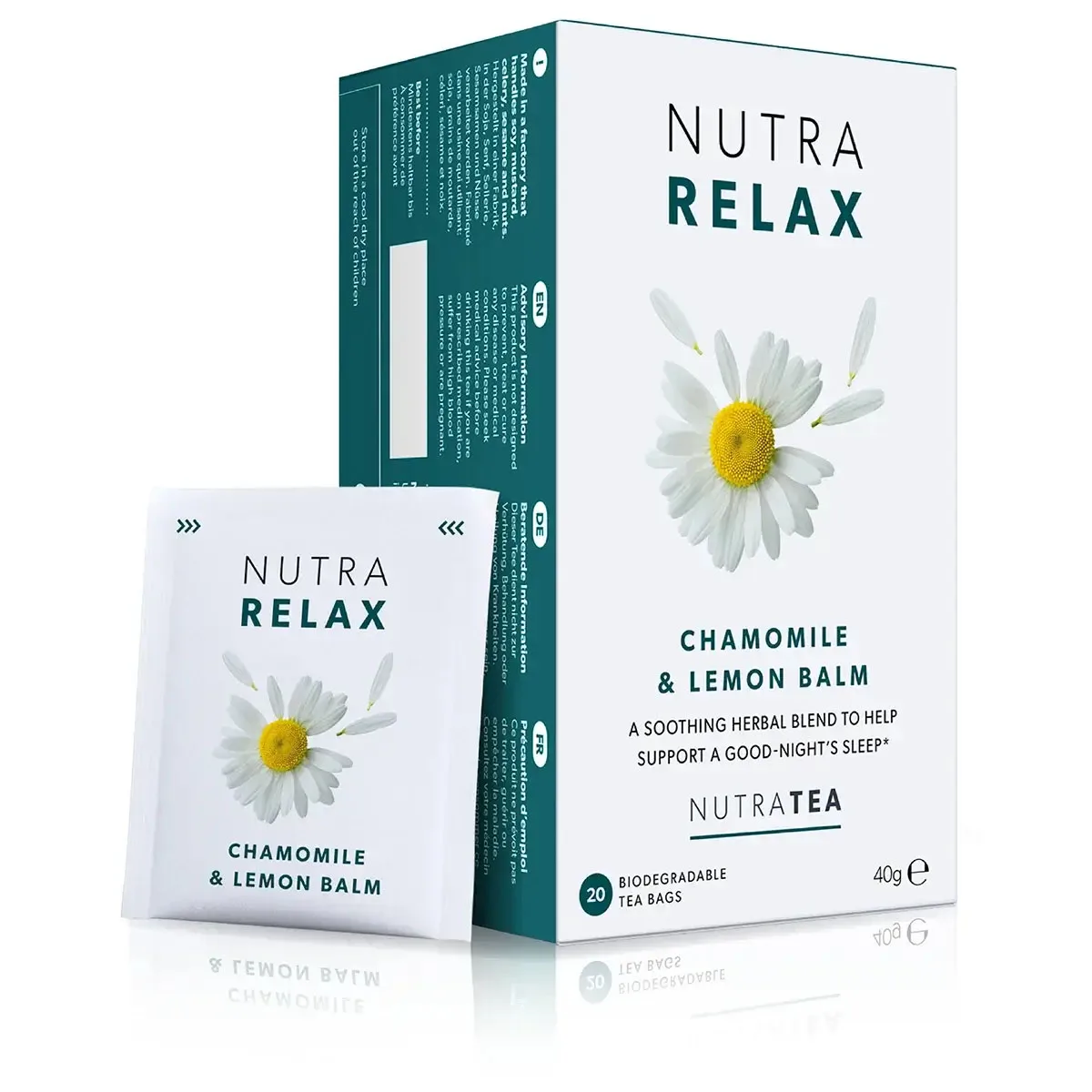
- Anxiety Relief Herbal Tea (Relax and Calming): A specially crafted blend designed to help you unwind and find tranquility naturally. This herbal infusion is dedicated to providing relaxation, promoting overall well-being, and helping you find moments of calm. When a cold keeps you up at night, this calming tea can help you rest, which is essential for recovery. It's a good complement to a throat-focused blend.
- Ashwagandha Green Tea: Adaptogen-powered wellness tea — Ashwagandha is a clinically studied adaptogen for stress relief. Green tea antioxidants + Ashwagandha's calming energy. If you need to stay productive while fighting a cold, this tea provides a gentle energy lift without the caffeine crash, and the adaptogen may help manage stress.
Who Should Choose Which Tea?
Best for
- People with a sore throat or cough who want a tea specifically formulated for throat care.
- Those who need help relaxing and sleeping while recovering from a cold.
Not for
- People looking for a strong stimulant or energy boost—choose a green or black tea instead.
- Those with a known allergy to any of the herbs in the blend—always check the label first.
Choosing the right herbal tea for cough and cold relief comes down to matching the blend to your symptoms and lifestyle. Start with a dedicated throat care tea for direct relief, and add a calming blend if rest is your priority. Remember to brew properly, stay hydrated, and consult a healthcare professional if symptoms persist. With these practical rules, you can find a tea that supports your recovery and makes cold season a little more bearable.