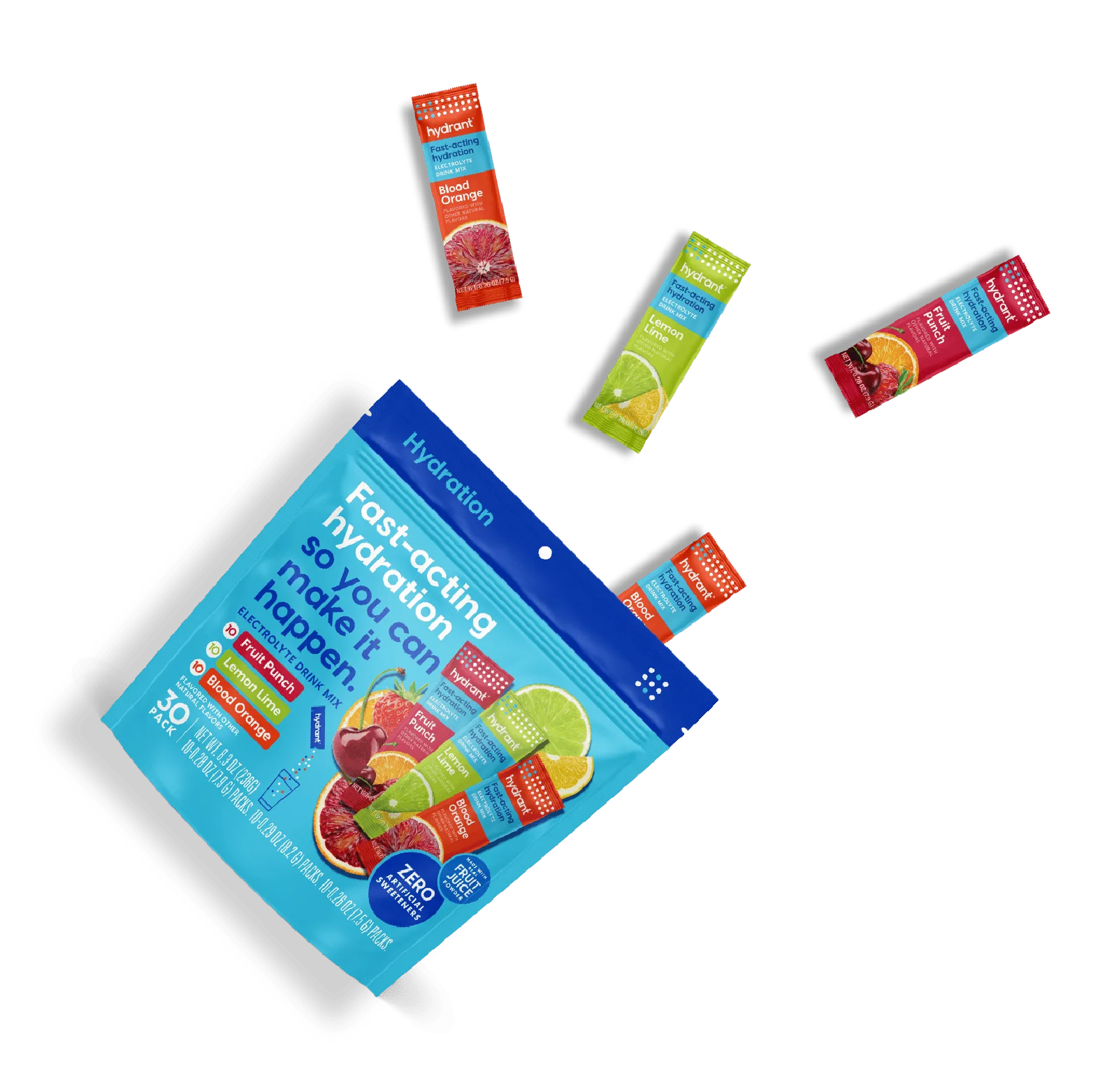
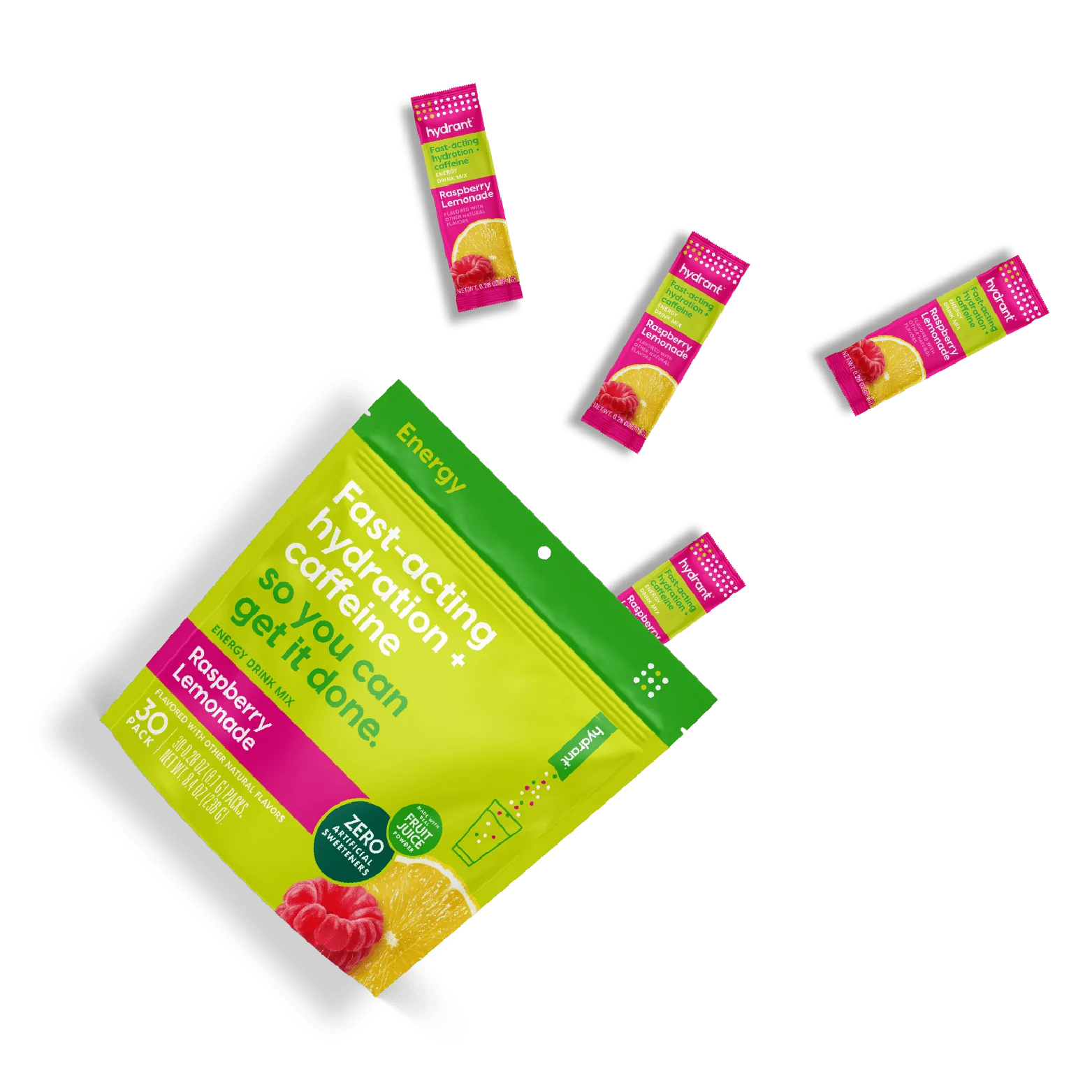
Hydration is one of the most talked-about health topics, yet it's also one of the most misunderstood. From the classic '8 glasses a day' rule to the idea that thirst always signals dehydration, myths about water intake are everywhere. In this article, we'll debunk five common hydration myths using science-backed facts, and show you how products like Hydrant IMMUNITY and Hydrant ENERGY can help you stay properly hydrated and healthy.
Myth 1: You Need Exactly 8 Glasses of Water a Day
The '8x8' rule—eight 8-ounce glasses of water daily—is one of the most persistent hydration myths. But science doesn't support a one-size-fits-all number. Your hydration needs depend on factors like activity level, climate, body size, and diet. For instance, a sedentary person in a cool office needs less water than an athlete training outdoors in summer. Foods like fruits and vegetables also contribute to fluid intake. Instead of counting glasses, listen to your body and check urine color—pale yellow indicates good hydration.
Research from the National Academies of Sciences recommends about 3.7 liters for men and 2.7 liters for women, but that includes all fluids and food. So, don't stress if you don't hit exactly eight glasses. Focus on consistent hydration throughout the day, especially during exercise or heat. For a convenient boost, try a rapid hydration mix like Hydrant's Hydrate, which delivers optimal electrolytes without excess sugar.
- Tip: Use urine color as a simple hydration gauge—aim for pale yellow.
Myth 2: Thirst Is the Best Indicator of Dehydration
Many people believe that if you're thirsty, you're already dehydrated. While thirst is a useful signal, it's not always reliable—especially for older adults, athletes, or those in hot environments. By the time you feel thirsty, your body may already be 1-2% dehydrated, which can impair cognitive function and physical performance. Thirst can also be dampened by factors like illness or certain medications.
Instead of relying solely on thirst, establish a routine hydration schedule. Drink water with meals, during breaks, and before/during/after exercise. For those needing a quick rehydration boost, products like Hydrant IMMUNITY combine electrolytes with vitamin C, B12, B6, and zinc to support immune health while replenishing fluids. This is especially useful during cold season or when you're feeling run down.
- Tip: Set a timer to drink water every hour, especially if you're busy or active.
Myth 3: Clear Urine Means Perfect Hydration
Clear urine is often seen as the gold standard of hydration, but that's not entirely accurate. While dark urine signals dehydration, completely clear urine can indicate overhydration, which dilutes electrolytes and may lead to hyponatremia (low sodium levels). This condition can cause headaches, nausea, and even serious complications. The ideal urine color is pale yellow, like lemonade.
Hydration isn't just about water—it's about electrolyte balance. Sodium, potassium, and magnesium help your body absorb and retain fluids. Without them, drinking too much water can flush out essential minerals. That's why many athletes and health enthusiasts turn to electrolyte blends. For a jitter-free energy boost, consider Hydrant ENERGY, which pairs hydration with caffeine and L-theanine for smooth, focused energy without the crash.
- Tip: Aim for pale yellow urine—not clear, not dark.
Myth 4: Sports Drinks Are the Best Way to Rehydrate After Exercise
Sports drinks like Gatorade or Powerade are marketed as essential for rehydration, but they often contain high amounts of added sugar and artificial colors. For moderate exercise lasting under an hour, water is usually sufficient. Only during intense, prolonged activity (over 60-90 minutes) do you need extra electrolytes and carbohydrates from sports drinks.
A better option for everyday rehydration is a low-sugar electrolyte powder. Hydrant's Hydrate offers a balanced blend of sodium, potassium, and magnesium with just 5 grams of sugar—far less than typical sports drinks. This makes it ideal for post-workout recovery, travel, or daily hydration without the sugar spike. For immune support, Hydrant IMMUNITY adds elderberry and vitamin C (more than six oranges) to help you recover faster.
- Tip: Check labels—aim for less than 10g of sugar per serving for daily hydration.
Myth 5: You Can't Drink Too Much Water
It's possible to overhydrate, a condition called water intoxication or hyponatremia. This occurs when you consume large amounts of water without adequate electrolytes, diluting sodium levels in your blood. Symptoms include confusion, fatigue, and in severe cases, seizures. While rare in everyday life, it can happen during endurance events like marathons or if you force yourself to drink beyond thirst.
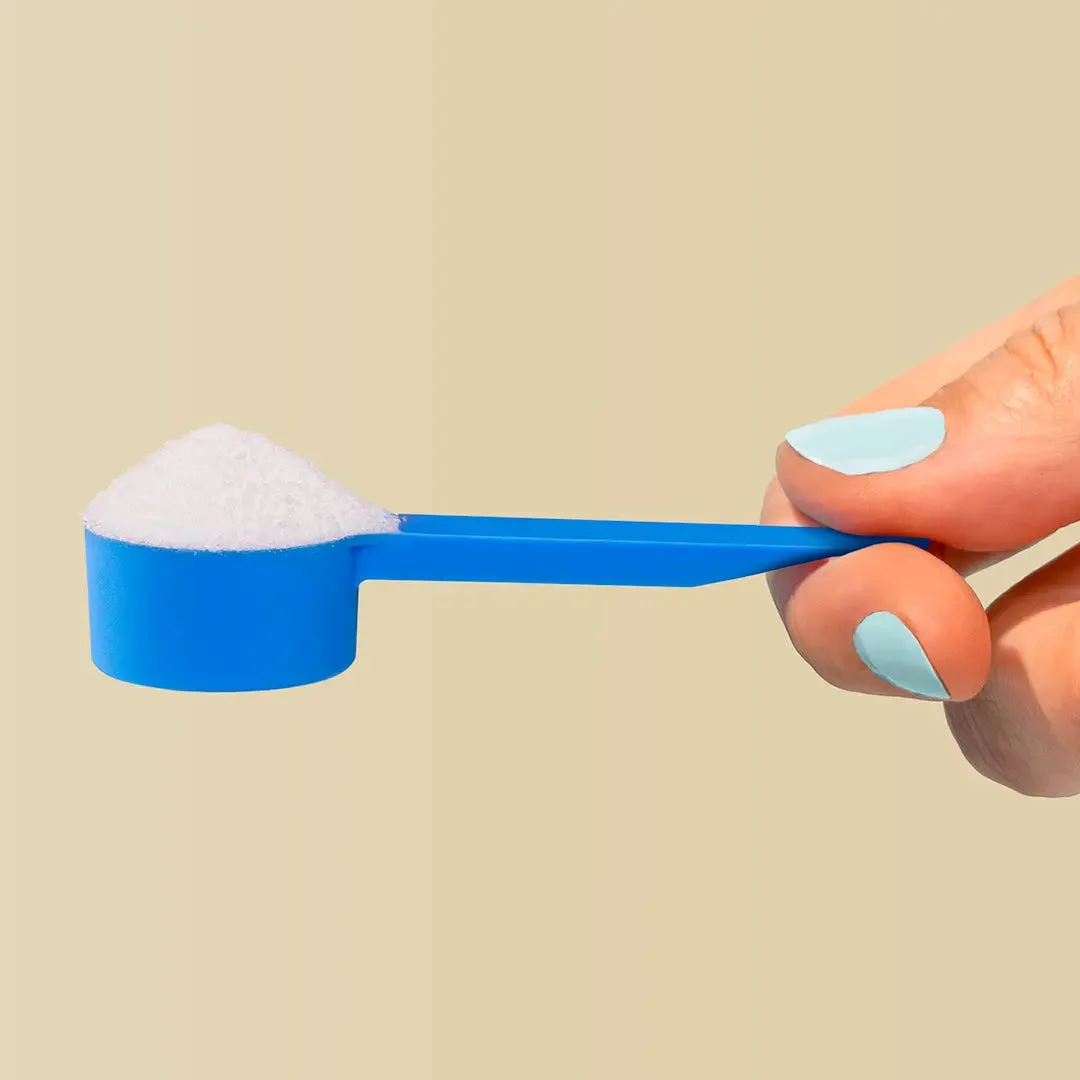
To stay safe, balance water intake with electrolytes. If you're sweating heavily, replace fluids with a solution that includes sodium and potassium. Hydrant's products are formulated to support rapid hydration without overloading on sugar or water alone. For a versatile option, the Unflavored Electrolyte Powder allows you to add electrolytes to any beverage, making it easy to customize your hydration routine.
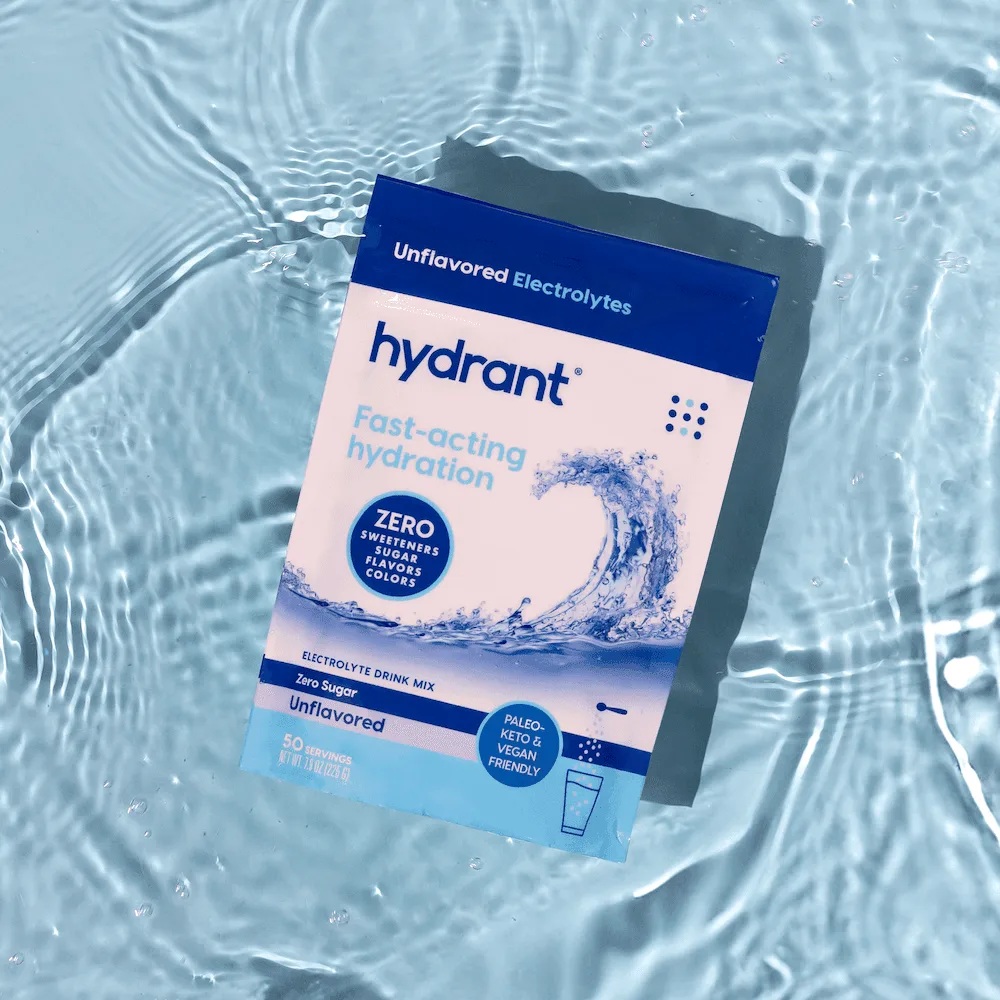
Unflavored Electrolyte Powder
- Tip: Drink to thirst during exercise, and use electrolyte supplements for prolonged activity.
Understanding the science behind hydration helps you make smarter choices for your health. By debunking these common myths, you can tailor your fluid intake to your unique needs—whether you're recovering from a workout, boosting immunity, or staying focused. Explore Hydrant's range of rapid hydration mixes, like Hydrant IMMUNITY, to support your wellness journey with science-backed ingredients.