When it comes to workout recovery, most athletes focus on foam rollers, protein shakes, and stretching routines. But one often-overlooked recovery tool is right on your feet: performance socks. The right pair of socks can significantly enhance your post-exercise recovery by improving circulation, reducing muscle soreness, and preventing blisters. In this article, we explore five key reasons why performance socks are a game-changer for anyone serious about optimizing their recovery and performance.
From compression technology to moisture management, modern performance socks are engineered with advanced materials and design features that support your feet during and after intense activity. Whether you're a runner, weightlifter, or casual gym-goer, understanding these benefits can help you make smarter choices for your recovery routine. Let's dive into the science and practical advantages of wearing performance socks for workout recovery.
Enhanced Blood Circulation Through Graduated Compression
One of the most significant benefits of performance socks is the use of graduated compression. This design applies tighter pressure at the ankle and gradually decreases toward the calf, which helps promote venous return — the flow of deoxygenated blood back to the heart. Improved circulation means that metabolic waste products like lactic acid are cleared more efficiently from your muscles after a workout, reducing stiffness and speeding up recovery time.
Studies have shown that wearing compression socks during and after exercise can reduce delayed onset muscle soreness (DOMS) by up to 30%. This is especially beneficial for endurance athletes or those who engage in high-impact activities. By maintaining consistent pressure, performance socks also help minimize swelling in the feet and ankles, which is common after long runs or heavy lifting sessions. For athletes looking to bounce back faster, graduated compression is a proven recovery aid.
- Look for socks with 15-25 mmHg compression for optimal recovery benefits.
Moisture-Wicking and Temperature Regulation
Performance socks are typically made from synthetic blends like nylon, polyester, or merino wool that excel at moisture management. Unlike cotton socks, which absorb sweat and stay wet, performance fabrics wick moisture away from the skin to the outer layers where it can evaporate. Keeping your feet dry is crucial for preventing blisters, fungal infections, and skin irritation — all of which can derail recovery and keep you sidelined.
In addition to moisture control, many performance socks feature mesh ventilation zones that enhance breathability. This helps regulate foot temperature, keeping you cool during hot workouts and warm during cool-downs. Proper temperature regulation reduces the risk of overheating or chilling, both of which can negatively affect muscle recovery. By maintaining a stable environment for your feet, performance socks support the body's natural healing processes.
- Avoid cotton socks for workouts; choose blends with at least 70% synthetic fibers.
Cushioning and Impact Absorption for Joint Protection
High-quality performance socks incorporate targeted cushioning in key areas like the heel, toe, and ball of the foot. This extra padding absorbs shock during running, jumping, or weightlifting, reducing the stress transmitted to your joints and connective tissues. Over time, this can lower the risk of overuse injuries such as plantar fasciitis, shin splints, and stress fractures.
Cushioned socks also provide a comfortable barrier between your foot and shoe, minimizing friction and hot spots. For athletes who log many miles or hours in the gym, this comfort translates directly into better recovery because your feet are less fatigued and irritated after exercise. Some performance socks even offer arch support, which helps maintain proper foot alignment and reduces strain on the plantar fascia. Investing in cushioned socks is a simple yet effective way to protect your body during and after workouts.
For example, the Everyday Quarter Socks from Xpand Laces provide plush cushioning and a secure fit, making them an excellent choice for athletes who prioritize foot comfort and recovery. Similarly, the Lightweight No-Show Socks offer a minimalist design with strategic padding for those who prefer a barely-there feel without sacrificing protection.
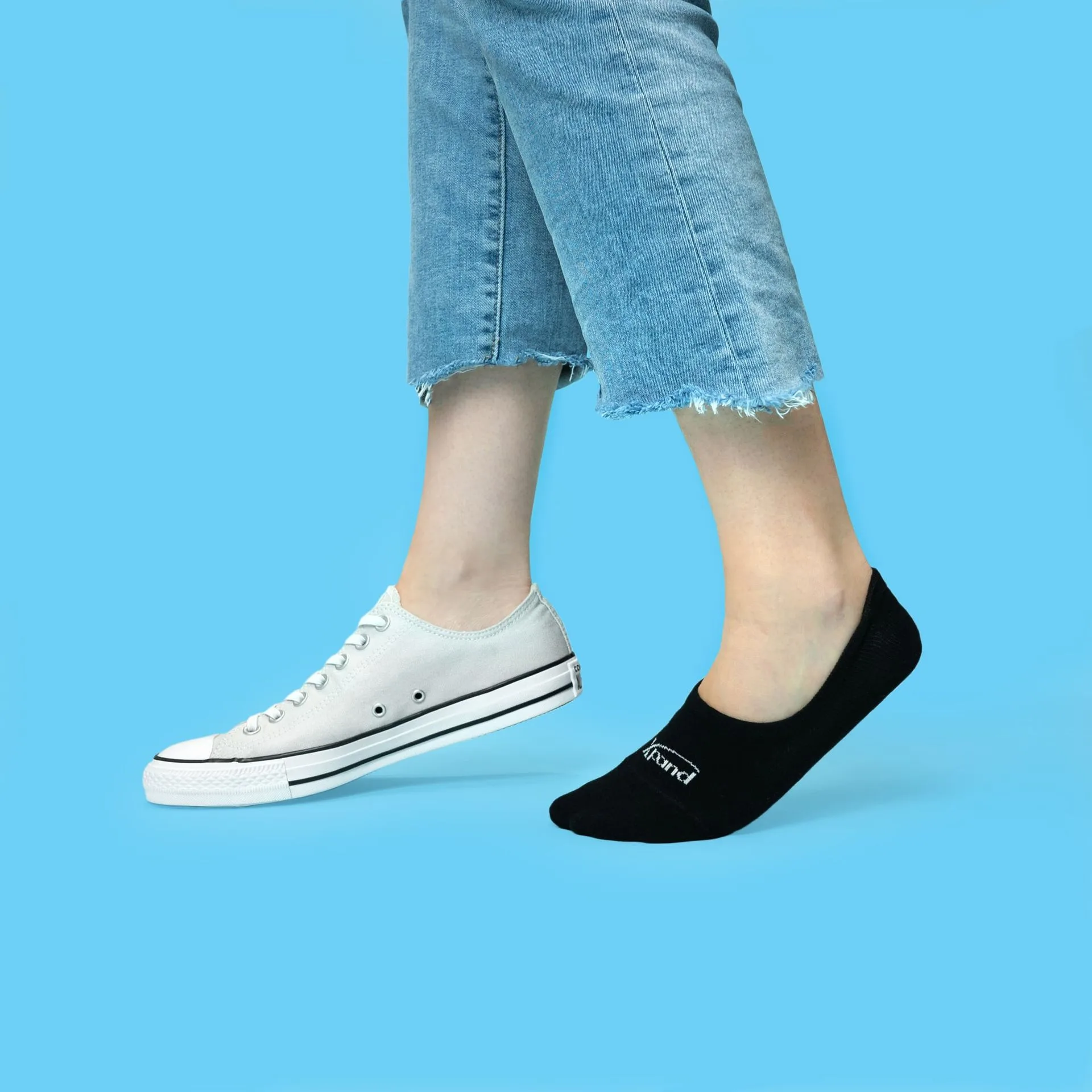
Lightweight No-Show Socks
- Choose socks with at least 3-5mm of cushioning in high-impact zones for best results.
Reduced Blisters and Skin Irritation
Blisters are a common nuisance that can interrupt training and prolong recovery. They occur when friction between the sock and skin causes the layers of skin to separate and fill with fluid. Performance socks are designed to minimize friction through smooth seams, seamless toe closures, and snug fits that prevent bunching. Many also incorporate antimicrobial treatments that reduce bacterial growth, further lowering the risk of infection if a blister does form.
By preventing blisters, performance socks allow you to maintain consistent training without forced rest periods. This is especially important for athletes who are in the middle of a training cycle or preparing for a competition. Even minor skin irritations can alter your gait or foot placement, leading to compensatory movements that strain other muscles and joints. Wearing the right socks keeps your feet healthy and your recovery on track.
- Look for socks with flat toe seams and moisture-wicking properties to prevent blisters.
Improved Proprioception and Foot Stability
Proprioception — your body's ability to sense its position in space — plays a key role in balance and coordination during exercise. Performance socks often feature a snug, form-fitting design that enhances sensory feedback from the soles of your feet. This improved awareness can help you make subtle adjustments in your stance or stride, reducing the risk of missteps and injuries.
Additionally, many performance socks incorporate silicone grippers or elastic bands around the arch and heel to keep the sock securely in place. This stability prevents the sock from shifting inside the shoe, which can cause distractions or uneven pressure points. When your feet are stable and well-supported, your muscles can work more efficiently, and your recovery is less likely to be disrupted by preventable issues. For athletes who rely on quick movements or heavy lifts, this added stability is invaluable.
- Try socks with arch compression bands for enhanced foot stability during dynamic movements.
Incorporating performance socks into your workout and recovery routine is a small change that can yield significant benefits. From improved circulation and reduced soreness to better cushioning and blister prevention, the right socks support your body's natural recovery processes and help you train more consistently. If you're ready to upgrade your recovery gear, explore the Everyday Quarter Socks from Xpand Laces for a perfect blend of comfort, durability, and performance technology.