Your LifeStraw water filter is a reliable companion on hikes, camping trips, and emergency preparedness kits. But like any filtration device, it doesn't last forever. Knowing when to replace your LifeStraw filter is crucial for ensuring you always have access to safe, clean drinking water. Using a worn-out filter can compromise your health and reduce the effectiveness of your water purification system.
In this guide, we'll walk you through five clear signs that it's time for a filter replacement. Whether you use a personal straw, a gravity system, or a home pitcher, this checklist will help you stay ahead of filter failure. We'll also share practical tips to extend the lifespan of your LifeStraw filter, so you get the most out of every replacement.
1. Noticeably Slower Flow Rate
One of the first and most obvious signs of a clogged filter is a significant drop in water flow. When your LifeStraw is new, water passes through easily. Over time, sediment, bacteria, and other particles accumulate in the hollow fiber membranes, restricting flow. If you find yourself squeezing harder or waiting longer for water, it's a strong indicator that the filter is nearing the end of its life.
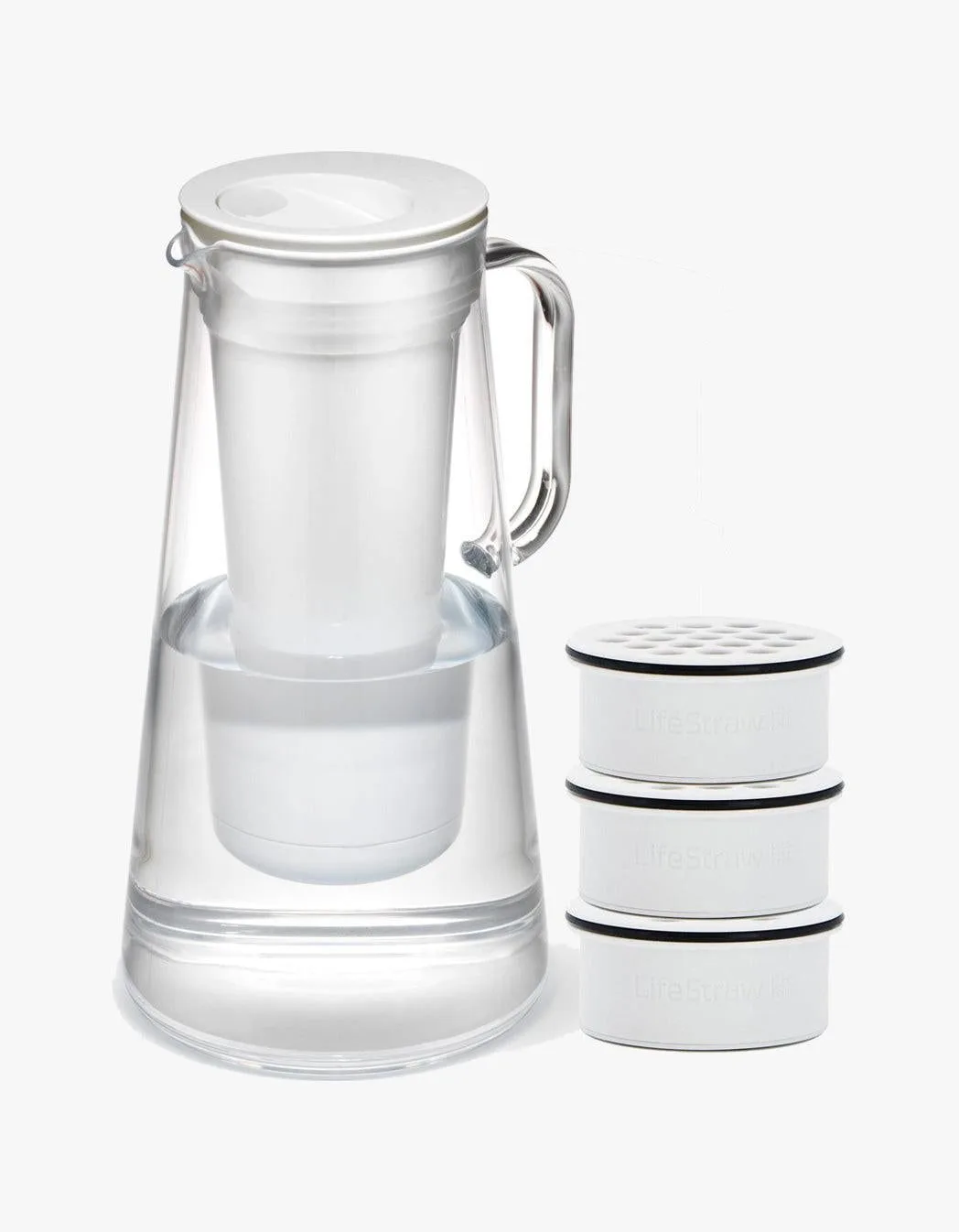
This is especially noticeable in gravity-fed systems like the LifeStraw Home 7-Cup Plastic or the LifeStraw Home 10-Cup. A slow flow can be frustrating during meal prep or when you're thirsty. While backflushing or cleaning the filter can sometimes restore flow temporarily, a persistent slowdown means it's time for a replacement. For personal straws, check if the mouthpiece or intake is blocked before assuming the filter is spent.
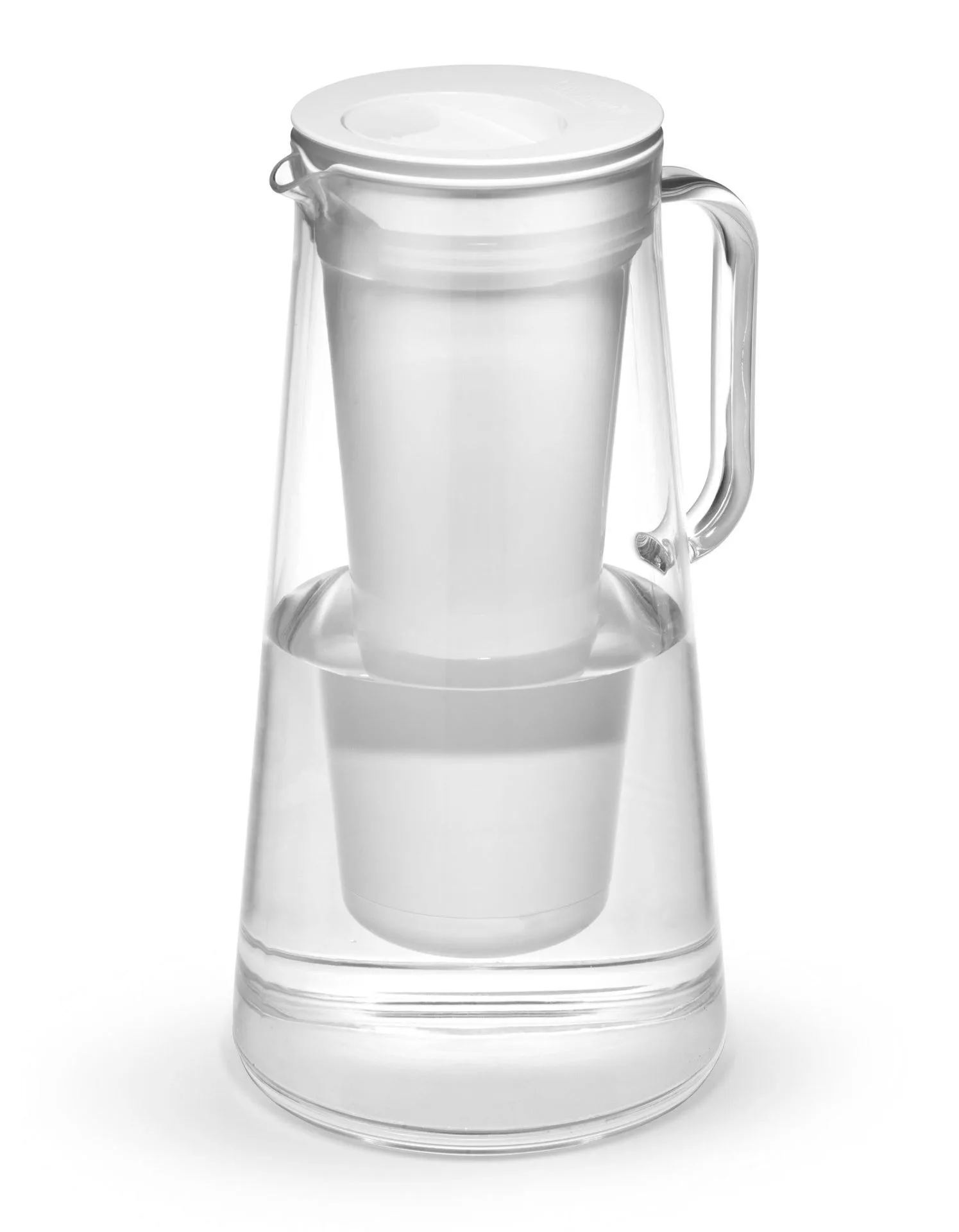
LifeStraw Home 10-Cup
- Tip: Rinse the filter under clean water and tap it gently to dislodge large particles. If flow doesn't improve, replace it.
2. Unpleasant Taste or Odor in Filtered Water
Your LifeStraw should produce water that tastes clean and fresh. If you notice a musty, earthy, or chemical taste, it may indicate that the activated carbon or filter media is exhausted. Over time, organic matter can build up inside the filter, leading to off-flavors and odors. This is a clear sign that the filter is no longer effectively removing contaminants.
For home pitchers like the LifeStraw Home 7-Cup Plastic, a change in taste often means the carbon block has reached its capacity. Similarly, in the LifeStraw Go Series Replacement Filter - 1 Year pack, the carbon pre-filter may be spent. If you detect any unusual taste, stop using the filter immediately and install a new one. Your health depends on consistent filtration quality.
- Tip: Always store your filter in a dry, cool place between uses to prevent mold or bacterial growth that can cause odors.
3. Visible Damage or Cracks in the Filter Housing
Physical damage to the filter or its housing can compromise its ability to remove pathogens. Inspect your LifeStraw regularly for cracks, dents, or broken seals. Even a tiny fracture can allow untreated water to bypass the filter, putting you at risk. This is especially critical for emergency preparedness scenarios where water quality is unknown.
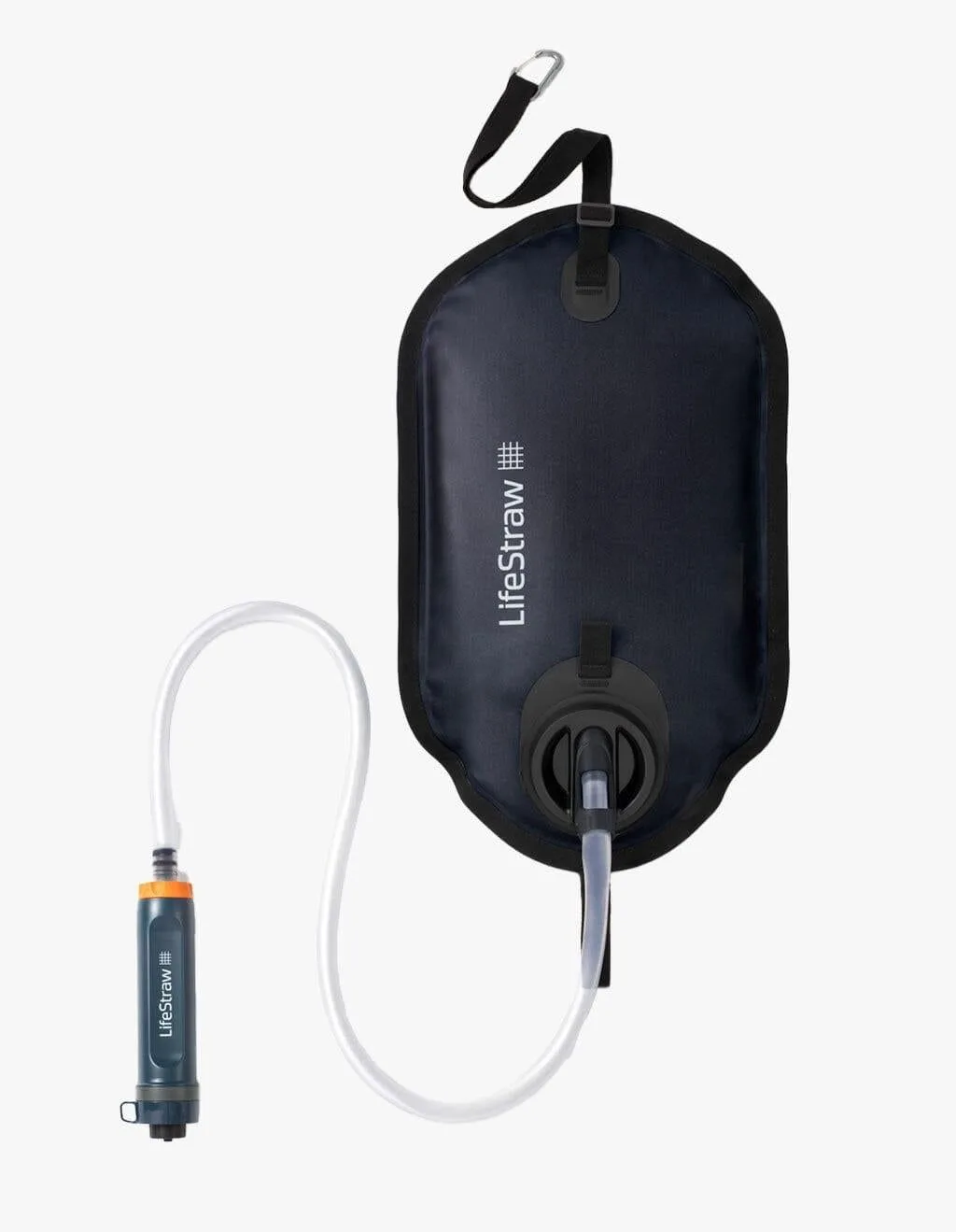
If you own the LifeStraw Peak Series Collapsible Squeeze 1L Bottle with Filter, check the squeeze bottle and the filter threads for wear. For gravity systems like the LifeStraw Peak Series Gravity Purifier with virus removal, examine the hoses and connectors. If you see any damage, replace the filter immediately. Don't rely on a compromised filter, even if it still produces water.
- Tip: After every trip, inspect your filter under good light. Store it in a protective case to avoid accidental crushing.
4. Exceeding the Manufacturer's Recommended Lifespan
Every LifeStraw filter has a specified lifespan, usually measured in liters or months. For example, the standard LifeStraw personal filter is rated for 1,000 gallons (4,000 liters), while the LifeStraw Community Replacement Filter handles up to 18,000 liters. Even if the flow is still decent, using a filter past its rated capacity reduces its effectiveness against viruses, bacteria, and protozoa.
Keep a log of how much water you filter or set a calendar reminder for replacement. If you use your filter daily, it may need replacement sooner than the stated maximum. For occasional use, the filter can last several years, but the carbon components may degrade over time. Always refer to the product manual for your specific model, such as the LifeStraw Go Series Replacement Filter - 1 Year pack, which is designed for annual replacement.
- Tip: Mark the purchase date on the filter with a permanent marker. Check it every six months to track usage.
5. Failure to Pass the Squeeze or Pressure Test
A simple field test can help you determine if your filter is still working. For squeeze-style filters like the LifeStraw Peak Series Collapsible Squeeze 1L Bottle with Filter, fill the bottle with clean water, squeeze firmly, and observe the flow. If it takes more than a few seconds to produce a stream, or if water leaks from the cap or filter connection, the filter may be clogged or damaged.
For straw-style filters, try blowing gently into the mouthpiece while the intake is submerged. If you feel significant resistance or air bubbles escaping from the intake, the filter is likely compromised. This test is not foolproof, but combined with other signs, it can confirm the need for replacement. When in doubt, replace the filter—it's cheaper than a trip to the doctor.
- Tip: Perform this test before every major trip to ensure your gear is ready for action.
Keeping your LifeStraw filter in top condition is essential for safe hydration. By watching for these five signs—slow flow, bad taste, visible damage, exceeded lifespan, and failed pressure tests—you can replace your filter at the right time. For a reliable replacement option, check out the LifeStraw Go Series Replacement Filter - 1 Year pack to keep your water clean and your adventures worry-free.