Coffee is a daily ritual for millions, but the waste from single-use pods, disposable cups, and bulky packaging adds up fast. In the UK alone, an estimated 2.5 billion coffee cups are thrown away each year, most of which are not recycled due to their plastic lining. For the conscious coffee lover, switching to sustainable habits doesn't mean sacrificing quality or convenience—it means making smarter choices that benefit both your brain and the planet.
At London Nootropics, we believe that functional coffee and sustainability go hand in hand. By embracing refill systems, reusable cups, and mindful purchasing, you can slash your environmental footprint while still enjoying the focus-enhancing benefits of nootropic blends. Here are five actionable habits to start today.
1. Switch to Coffee Refills Instead of Single-Use Pods
The easiest win for sustainable coffee is ditching disposable pods and cartridges. Most single-serve pods are made from a mix of plastic and aluminium that is difficult to recycle, ending up in landfill or oceans. Coffee refills—whether loose grounds or pre-portioned sachets—eliminate that waste entirely.
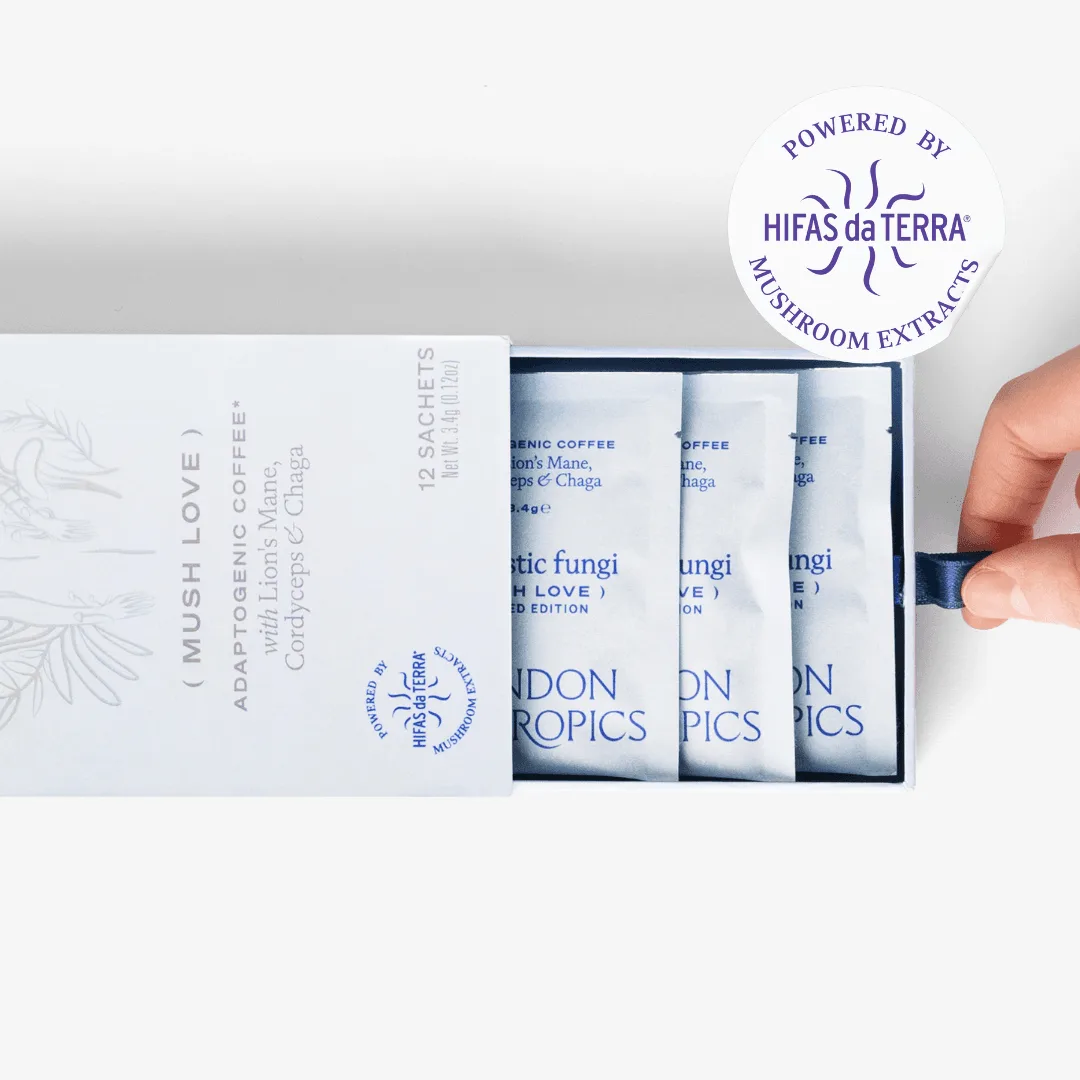
Our 24 Sachet Refill and 12 Sachet Refill offer the same nootropic benefits as our regular boxes but with minimal packaging. The sachets themselves are designed to be compostable or recyclable depending on your local facilities, and the outer box is made from recycled cardboard. By choosing refills, you cut down on plastic and often save money per serving.

12 Sachet Refill
- Tip: Store your refill sachets in an airtight tin or glass jar to keep them fresh longer.
2. Invest in a Reusable Coffee Cup
Disposable coffee cups might look like paper, but most are lined with polyethylene, making them non-recyclable. A reusable cup, used just 20 times, offsets the carbon footprint of its production. For daily commuters, that's a win within a month.
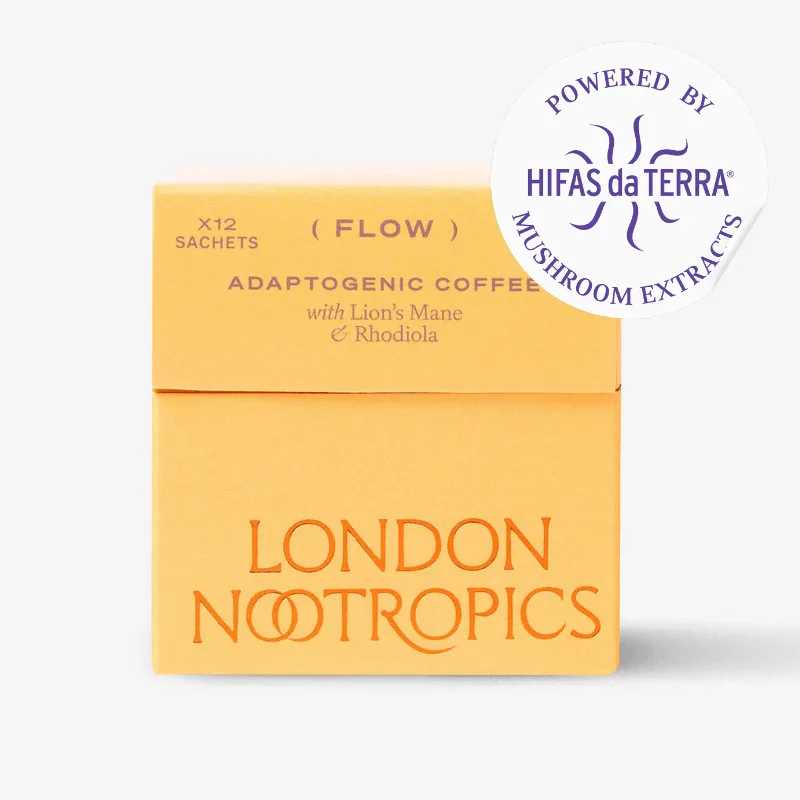
Pair your reusable cup with a nootropic brew like https://coffeehiveai.shop/products/flow-coffee-138596Flow Coffee or Mojo Coffee for a portable, brain-boosting morning routine. Many coffee shops now offer a small discount for customers who bring their own cup, so you save money while reducing waste. Look for cups made from bamboo fibre, stainless steel, or recycled plastic—each has a different eco-profile, but any reusable option is better than single-use.
- Tip: Choose a cup with a tight-fitting lid and a heat sleeve to avoid burns and spills.
3. Buy in Bulk to Minimise Packaging
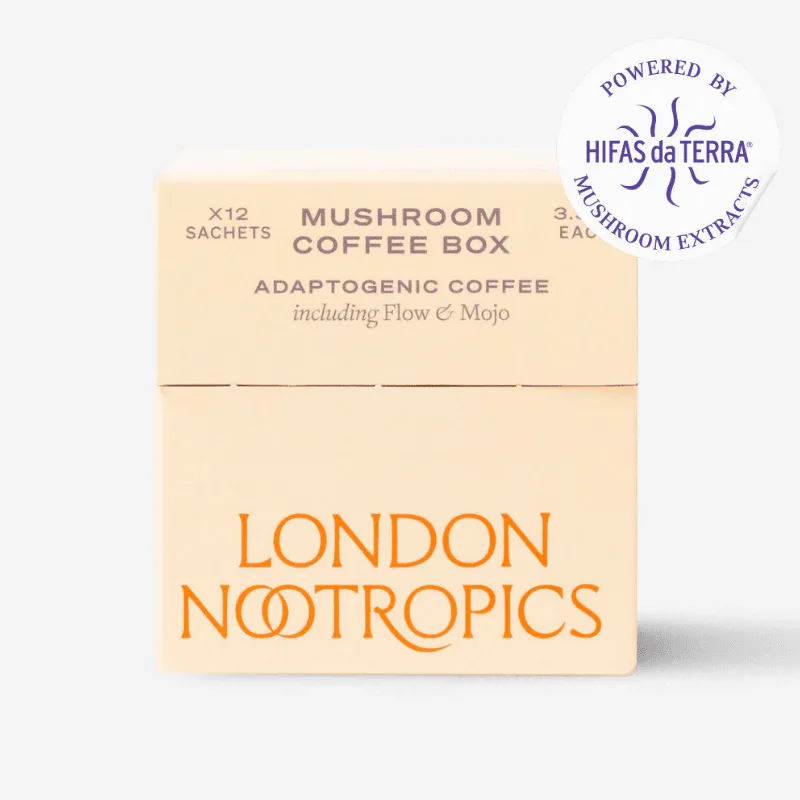
Small, frequent purchases generate more packaging per gram of coffee than bulk buys. By opting for larger quantities, you reduce the ratio of packaging to product. Our 60 Sachets bundle is a perfect example: one box, one shipment, and enough nootropic coffee for two months of daily use.
Bulk buying also means fewer delivery trips, which lowers transport emissions. If you're a regular user, the 36 Sachet Refill or a larger refill pack can be stored easily in a cupboard. The key is to choose packaging that is fully recyclable or made from post-consumer materials. Check the label—many coffee brands now use plant-based inks and cardboard without plastic windows.
- Tip: Coordinate with a friend or colleague to split a bulk order and halve your carbon footprint.
4. Compost Your Coffee Grounds and Sachets
Coffee grounds are a fantastic resource for your garden—they're rich in nitrogen, improve soil structure, and even deter slugs. Instead of tossing them in the general waste bin, collect used grounds and add them to your compost heap or worm farm.
For nootropic coffee users, many of our sachets are compostable in industrial facilities. Check the packaging for certification (e.g., EN 13432). If your local council accepts compostable materials, you can dispose of the sachets alongside food waste. This closes the loop: what started as a bean returns to the earth as nutrients. Even if you don't compost at home, many coffee shops now offer ground collection schemes.
- Tip: Dry used grounds on a tray before composting to prevent mould.
5. Choose Brands with Transparent Sustainability Practices
Not all 'eco-friendly' claims are equal. Look for brands that publish their carbon footprint, use certified compostable materials, and support reforestation or ocean clean-up projects. At London Nootropics, we prioritise minimal, recyclable packaging and source our ingredients from suppliers who share our environmental values.
When shopping, consider the full lifecycle: from bean to cup. Does the brand offset its shipping emissions? Are the coffee beans Rainforest Alliance or Fairtrade certified? Do they offer a refill subscription to reduce repeat packaging? By voting with your wallet, you encourage the entire industry to move toward zero-waste solutions. Our Gift Box, for instance, is designed to be reusable as a storage container, not just thrown away.
- Tip: Follow your coffee brand on social media—many share behind-the-scenes sustainability reports.
Adopting sustainable coffee habits doesn't require a complete lifestyle overhaul. Start with one change—like switching to a coffee refill or carrying a reusable cup—and build from there. Every small step reduces waste and supports a healthier planet. Ready to make the switch? Explore our range of eco-friendly coffee refills and find the perfect brew for your morning ritual.