Meal prepping is one of the most effective ways to eat well, save time, and reduce food waste. But if you’re still using plastic containers or single-use packaging, your healthy habits might come with an environmental cost. Switching to glass containers is a simple, sustainable upgrade that benefits both your meals and the planet.
In this guide, we’ll walk through five practical habits that make glass container meal prep easy, efficient, and eco-friendly. Whether you’re a seasoned meal prepper or just starting out, these tips will help you build a zero-waste kitchen routine that sticks.
1. Start with the Right Glass Containers for Meal Prep
The foundation of sustainable meal prep is choosing containers that are durable, versatile, and free from harmful chemicals. Glass containers are non-porous, meaning they won’t absorb stains or odors from foods like tomato sauce or curry. They’re also microwave-, oven-, and dishwasher-safe, making them incredibly convenient for reheating and cleaning.
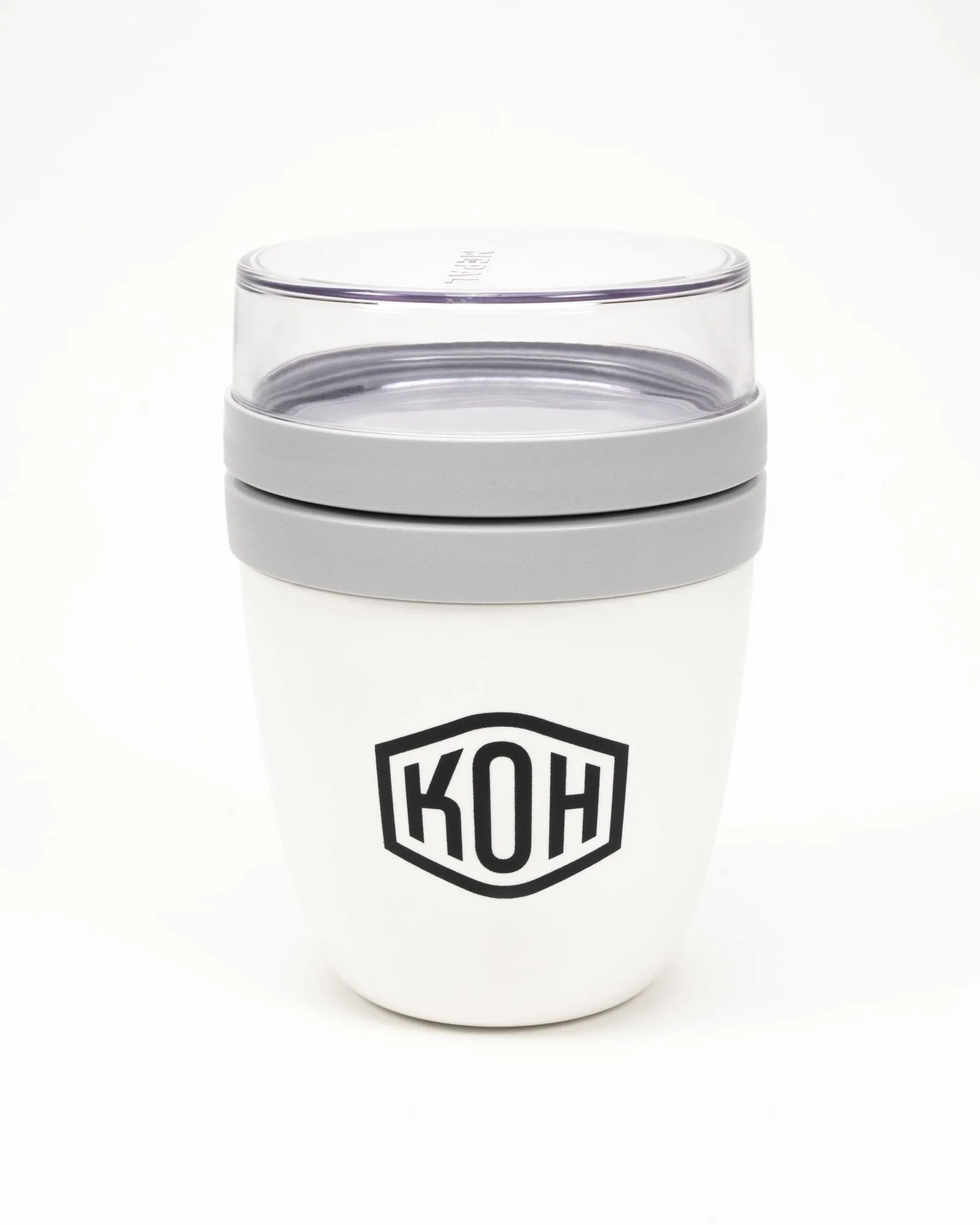
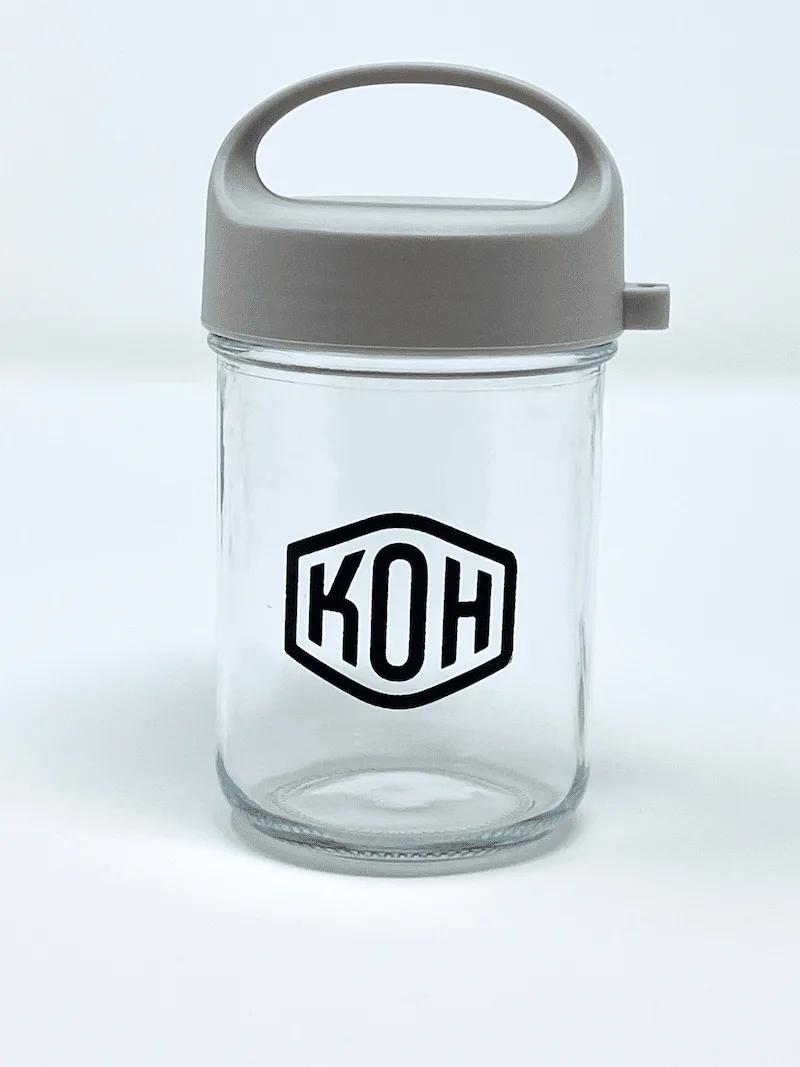
Look for containers with airtight, leak-proof lids to keep your meals fresh longer. A set of stackable glass containers in various sizes lets you portion out everything from overnight oats to hearty stews. For example, the https://tastio.shop/products/kreature-kontainer-glass-92895Kreature Kontainer - Glass is designed with meal prep in mind, offering a secure seal and easy stacking to maximize fridge space.
- Choose BPA-free glass containers with silicone or bamboo lids for a plastic-free option.
- Invest in a few different sizes: small for snacks or dressings, medium for sides, and large for main dishes.
2. Batch Cook and Portion with Glass Containers
One of the biggest advantages of glass containers is their ability to go from oven to fridge without cracking (as long as they’re tempered). This makes them perfect for batch cooking. Cook a large batch of grains, roasted vegetables, or protein on Sunday, then divide them into individual portions using glass containers.
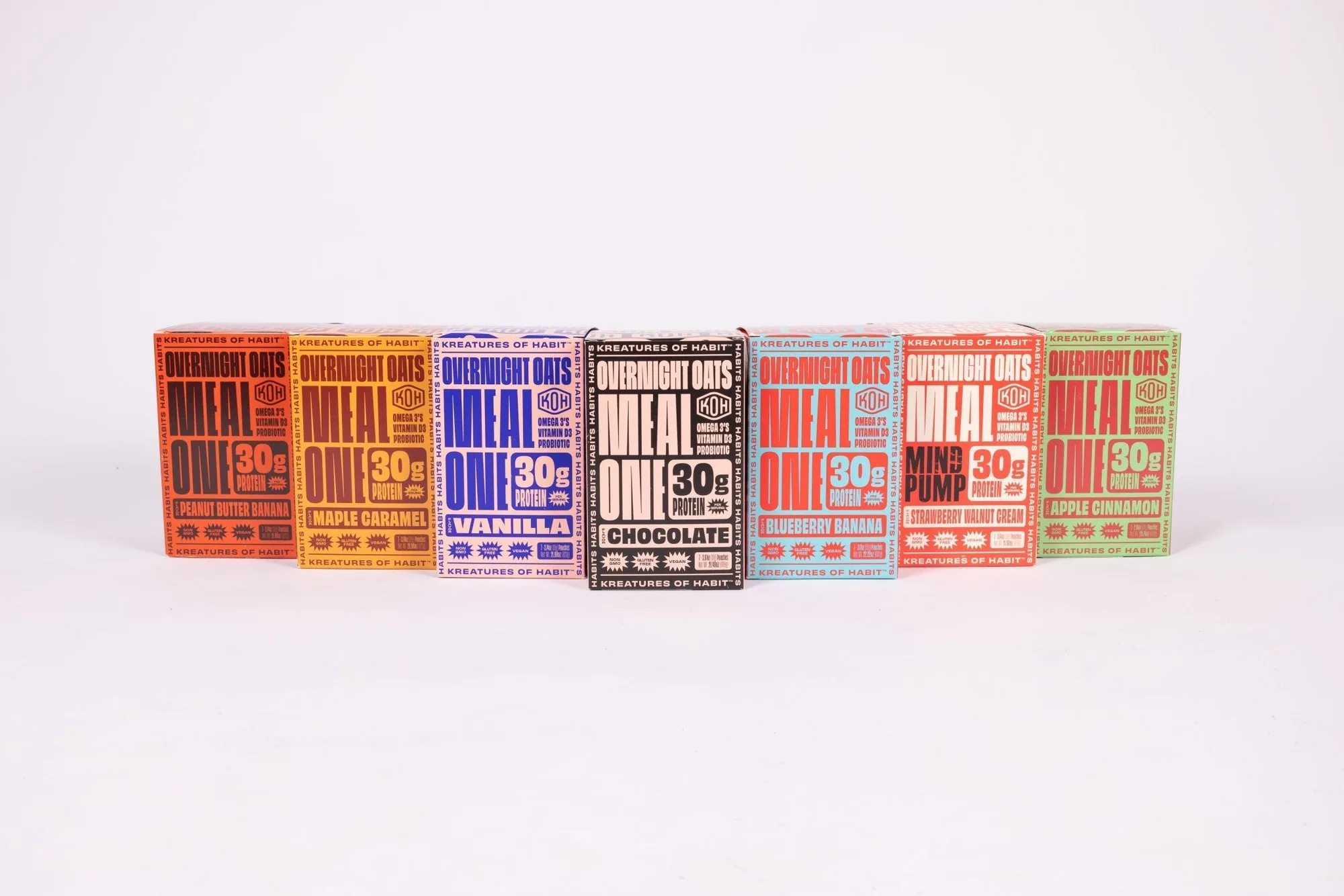
Portioning ahead of time helps you control serving sizes and prevents overeating. It also reduces the temptation to grab takeout when you’re busy. For a complete solution, consider a subscription service like Meal One: 4-Box Subscription, which delivers pre-portioned ingredients that you can prep and store directly in your glass containers.
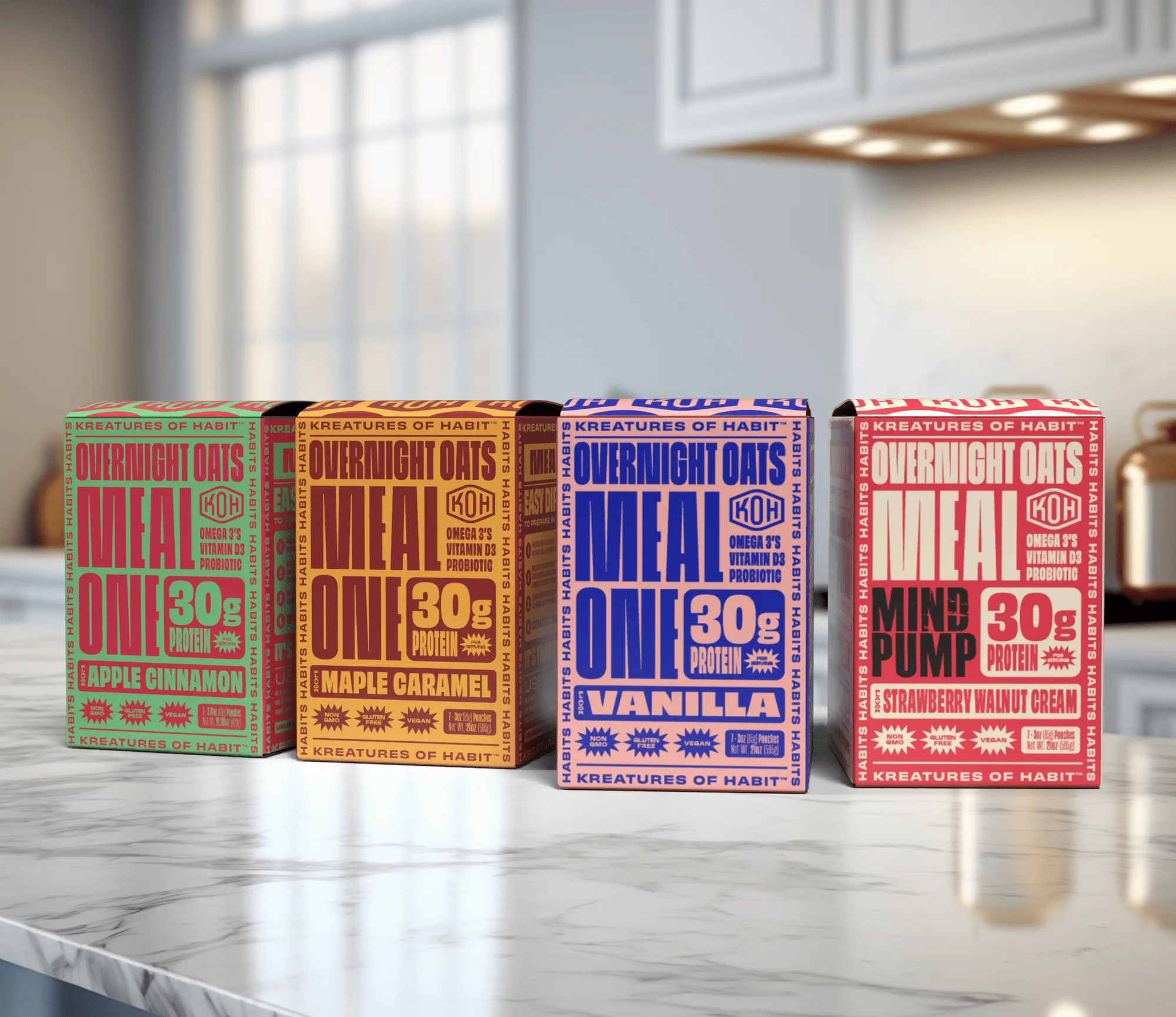
Meal One: 4-Box Subscription
- Use a scale or measuring cups to ensure consistent portions.
- Label each container with a dry-erase marker or reusable silicone labels.
3. Keep Your Fridge Organized with Transparent Storage
Glass containers are see-through, so you can instantly spot what’s inside without opening the lid. This visibility reduces food waste because you’re less likely to forget about leftovers hiding in the back of the fridge. Organize your containers by meal type or day of the week to streamline your morning routine.
Stackable glass containers also save space. Unlike bulky plastic containers, glass versions often nest or stack neatly, allowing you to fit more meals in your fridge. This organization habit makes it easier to grab a balanced lunch or dinner without rummaging through cluttered shelves.
- Arrange containers by order of consumption: eat the oldest meals first.
- Use a lazy Susan or tiered shelf to access all containers easily.
4. Reduce Single-Use Plastics in Your Meal Prep Routine
Switching to glass containers is a direct way to cut down on single-use plastics like zip-top bags, plastic wrap, and disposable takeout containers. Glass is infinitely recyclable and doesn’t degrade over time, so your containers can last for years with proper care.
Beyond containers, think about other swaps: use beeswax wraps instead of plastic wrap for covering bowls, and bring your own glass jar for buying bulk grains or nuts. Every small change adds up. For on-the-go snacks, consider pairing your glass containers with a functional bar like the DAILY BAR, 20g of Protein and 3g of Creatine, which comes in compostable packaging.
- Avoid microwaving plastic containers, which can leach chemicals into food.
- Reuse glass jars from pasta sauce or pickles for storing dry goods.
5. Build a Weekly Meal Prep Ritual That Sticks
Sustainability isn’t just about materials—it’s about creating habits that last. Set aside a specific time each week for meal prep, whether it’s Sunday afternoon or Wednesday evening. Use that time to wash and dry your glass containers, plan your menu, and cook in batches.
Make it enjoyable by playing music or a podcast. Over time, this ritual becomes automatic, and you’ll notice less food waste, lower grocery bills, and more energy throughout the week. Glass containers make cleanup a breeze, so you’re more likely to stick with the routine.
- Start small: prep just three lunches or dinners for the week.
- Rotate recipes to keep meals interesting and prevent boredom.
Adopting sustainable meal prep habits with glass containers is a win for your health, your wallet, and the environment. By choosing durable, reusable storage and building a consistent routine, you’ll reduce waste and simplify your daily life. Ready to upgrade your kitchen? Explore the Kreature Kontainer - Glass to start your zero-waste meal prep journey today.