If you have found yourself standing in the middle of a room and forgetting why you entered, or struggling to follow a conversation without losing your train of thought, you are not alone. Many women in menopause report a frustrating mental fog that makes it harder to focus, remember names, or stay productive at work. This cognitive shift is often linked to the decline in estrogen, which plays a key role in brain function, memory, and neurotransmitter activity.
The good news is that you can support your mental clarity with targeted lifestyle changes and the right nutrients. In this article, we share five practical tips to help you regain focus and concentration during menopause, so you can feel sharp, confident, and in control.
1. Prioritize Protein at Every Meal
Protein is not just for muscle maintenance — it is also essential for brain health. Amino acids from protein are the building blocks of neurotransmitters like dopamine and serotonin, which regulate mood, focus, and mental energy. During menopause, your body’s ability to utilize protein efficiently may decline, making it even more important to consume high-quality protein sources throughout the day.
Aim for at least 20–30 grams of protein per meal. If you struggle to meet this goal through food alone, a clean, low-sugar protein supplement can help. Our Probierpaket Proteine offers a variety of flavors to test what works best for you, while the 5er-Paket Protein Quelle Neutral provides a versatile, unsweetened option that blends easily into smoothies, soups, or coffee without altering taste.
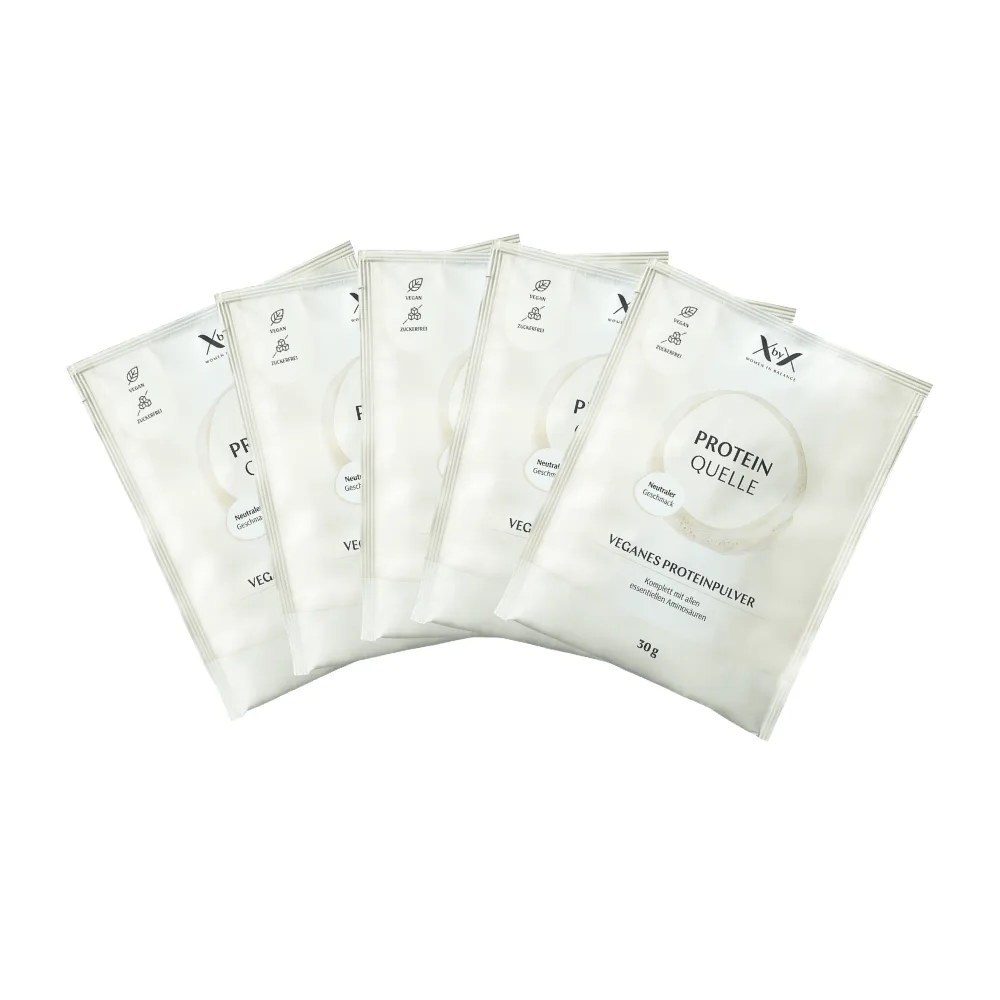
5er-Paket Protein Quelle Neutral
- Include eggs, Greek yogurt, fish, poultry, or legumes at breakfast and lunch.
- Add a scoop of collagen or protein powder to your morning coffee or oatmeal.
- Snack on nuts, seeds, or a protein shake to maintain stable blood sugar and mental focus.
2. Balance Blood Sugar to Stabilize Brain Function
Blood sugar swings can wreak havoc on your concentration. When your glucose levels spike and crash, your brain struggles to maintain a steady supply of energy, leading to fatigue, irritability, and brain fog. Menopause can make insulin sensitivity worse, so stabilizing blood sugar becomes a key strategy for mental clarity.
Eat balanced meals that combine protein, healthy fats, and fiber-rich carbohydrates. Avoid skipping meals, and limit refined sugars and processed snacks. If you need a quick mental boost, consider a targeted supplement like the Wunsch Set: Energie & Extrakte Duo, which pairs energy-supporting extracts with synergistic ingredients designed to help you stay alert without the jitters.
- Start your day with a savory breakfast (e.g., eggs with veggies and avocado).
- Include cinnamon, berries, or leafy greens for their blood-sugar-regulating properties.
- Stay hydrated — even mild dehydration can impair concentration.
3. Move Your Body to Sharpen Your Mind
Physical activity is one of the most powerful tools for improving cognitive function during menopause. Exercise increases blood flow to the brain, stimulates the release of brain-derived neurotrophic factor (BDNF), and reduces stress hormones that can cloud thinking. Even moderate movement — like brisk walking, yoga, or foam rolling — can make a noticeable difference in your ability to focus.
Foam rolling and mobility work are especially beneficial because they release tension in the fascia, improve circulation, and calm the nervous system. Our https://freshvitaai.shop/products/gelenkzeit-video-kurs-zugang-150157Gelenkzeit Video-Kurs Zugang teaches you targeted foam roller exercises that not only support joint health but also help you reset mentally. A short 10-minute session can clear brain fog and re-energize your afternoon.
- Aim for 20–30 minutes of moderate exercise most days of the week.
- Incorporate short movement breaks every 60–90 minutes during work.
- Try a foam roller routine before a mentally demanding task.
4. Support Your Brain with Key Nutrients and Extracts
Certain nutrients and herbal extracts have been shown to enhance focus, memory, and mental processing speed. Omega-3 fatty acids (especially DHA), B vitamins, magnesium, and antioxidants all play a role in cognitive health. During menopause, supplementing with targeted extracts can help bridge nutritional gaps and support neurotransmitter function.
For a comprehensive approach, the Wunsch Set: Extrakte Trio combines three synergistic plant extracts that are traditionally used to support mental clarity, stress resilience, and hormonal balance. This set makes it easy to incorporate brain-supporting botanicals into your daily routine without guesswork.
- Consider a high-quality fish oil or algae-based DHA supplement.
- Include dark leafy greens, berries, and turmeric in your meals.
- Experiment with adaptogenic herbs like ashwagandha or rhodiola under professional guidance.
5. Optimize Sleep and Manage Stress
Sleep is when your brain consolidates memories and clears out metabolic waste. Unfortunately, menopause often disrupts sleep due to night sweats, anxiety, or hormonal fluctuations. Poor sleep directly impairs focus, reaction time, and decision-making. Similarly, chronic stress elevates cortisol, which can shrink the hippocampus — the brain region responsible for memory.
Create a calming bedtime routine: dim lights an hour before sleep, avoid screens, and keep your bedroom cool. If stress feels overwhelming, a short guided meditation or a gentle foam rolling session can lower cortisol levels. For deeper support, our Gelenkzeit Video-Kurs Zugang mit Faszienrollen includes relaxation techniques that combine breathwork with myofascial release to help you unwind and prepare for restful sleep.
- Aim for 7–9 hours of quality sleep per night.
- Practice deep breathing or progressive muscle relaxation before bed.
- Limit caffeine after 2 PM and avoid alcohol close to bedtime.
Regaining focus during menopause is not about pushing harder — it is about supporting your brain with the right nutrients, movement, and rest. By incorporating protein-rich meals, balancing blood sugar, moving intentionally, and using targeted supplements, you can clear the fog and feel like yourself again. Start with one or two of these tips today, and explore our curated selection of brain-supporting products to find what works best for you.