Switching to a high-protein diet can feel daunting, especially if you're used to a more carb-heavy or standard eating pattern. The fear of complicated meal prep, expensive ingredients, or bland food often holds people back. But the truth is, increasing your protein intake doesn't have to be overwhelming. With a few simple strategies, you can make the transition smooth, enjoyable, and sustainable.
Whether your goal is muscle growth, weight management, or better overall health, a high-protein diet offers numerous benefits. Protein helps with satiety, muscle repair, and metabolic function. In this guide, we'll walk through five actionable tips to help you boost your protein intake without stress, using real food and smart habits.
1. Start with One High-Protein Meal Per Day
Instead of overhauling your entire diet overnight, begin by focusing on one meal. Breakfast is often the easiest place to start. Swapping a low-protein cereal or toast for a protein-packed option can set a positive tone for the day. Try overnight oats made with milk or Greek yogurt, topped with nuts or seeds, for a simple and satisfying meal. You can also prep a batch of hard-boiled eggs or a quick smoothie with protein powder.
Once you're comfortable with one high-protein meal, gradually add a second. This gradual approach prevents decision fatigue and helps your taste buds adjust. Over time, you'll naturally gravitate toward higher protein choices without feeling deprived. The key is consistency, not perfection.
- Try a protein-rich breakfast like scrambled eggs with spinach or a Greek yogurt parfait.
- Prep ingredients the night before to save time in the morning.
2. Keep High-Protein Snacks Handy
One of the biggest challenges when increasing protein is finding convenient, portable options. When hunger strikes between meals, it's easy to reach for chips or a sugary bar. To stay on track, stock your pantry, fridge, or bag with protein-rich snacks. Nuts, cheese sticks, jerky, and roasted chickpeas are great choices. For a more substantial option, consider a protein bar that fits your macros and taste preferences.
Having a go-to snack like the DAILY BAR, 20g of Protein and 3g of Creatine can make a huge difference. It's designed to support muscle recovery and keep you full between meals. Keep a few in your car, desk, or gym bag so you're never caught off guard. This simple habit can prevent impulse eating and keep your protein intake steady throughout the day.
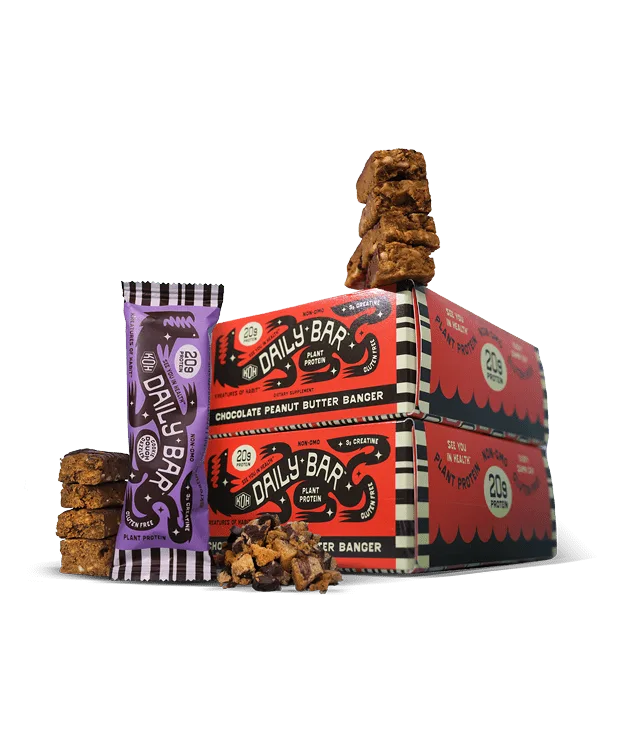
DAILY BAR, 20g of Protein and 3g of Creatine
- Pre-portion nuts or seeds into small bags for easy grabbing.
- Pair fruit with a protein source like cottage cheese or nut butter.
3. Use Meal Prep to Simplify Your Week
Meal prepping is a game-changer for any dietary transition, but especially for a high-protein diet. By dedicating a couple of hours on the weekend, you can ensure you have protein-rich meals ready to go. Cook a batch of chicken breast, hard-boil eggs, or prepare a big pot of lentil soup. Store them in portioned containers so you can grab and go.
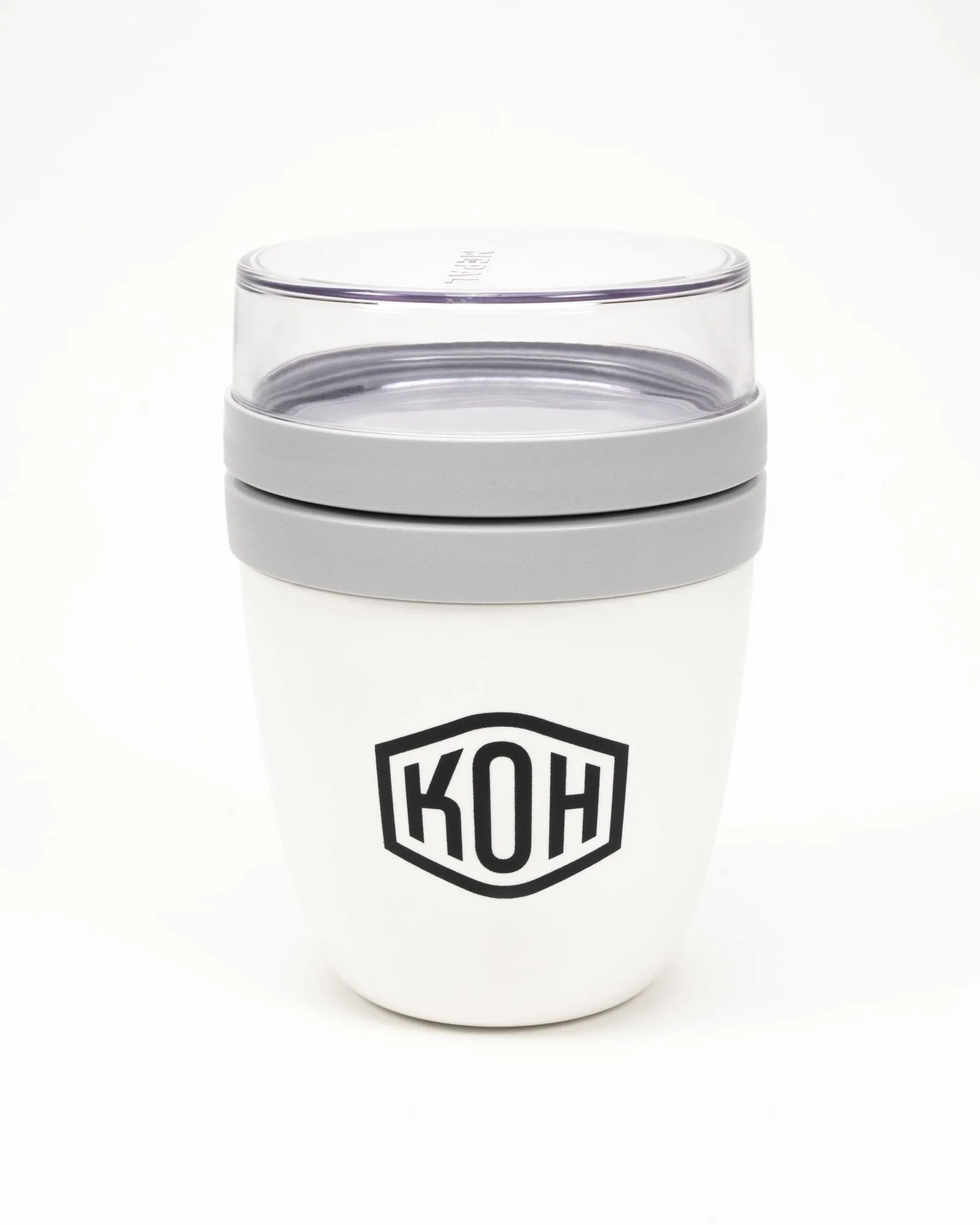
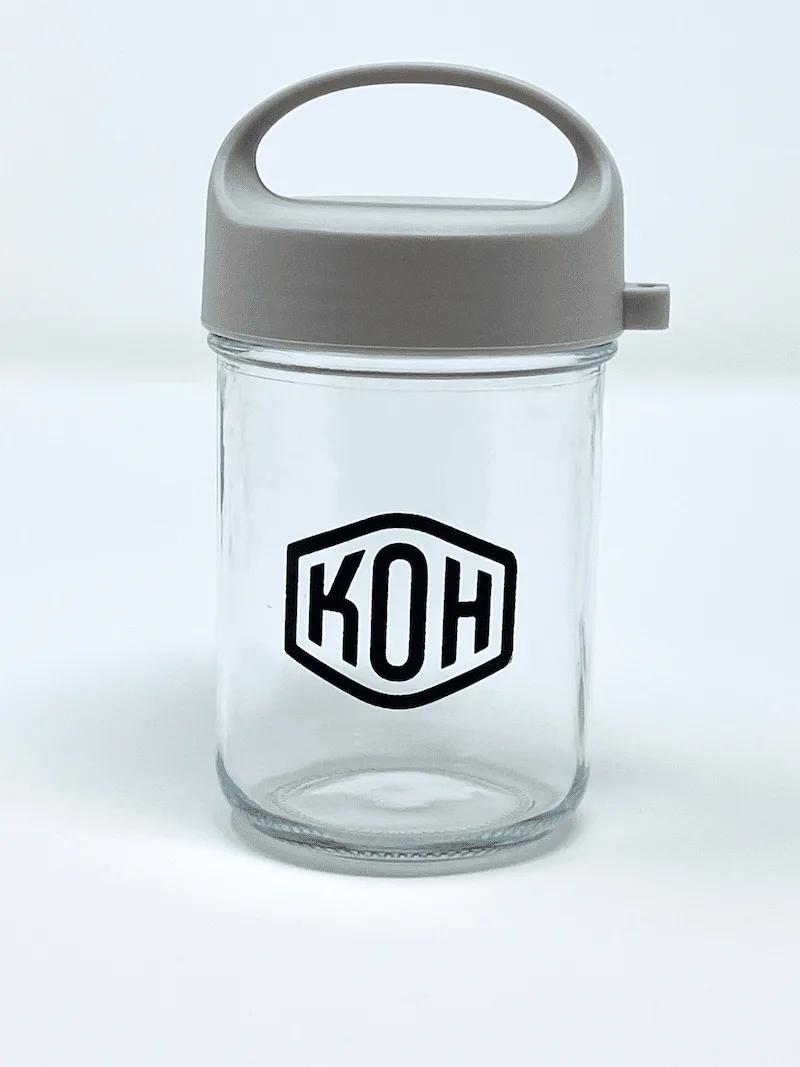
Investing in quality storage solutions makes meal prep easier and more enjoyable. The https://tastio.shop/products/kreature-kontainer-glass-92895Kreature Kontainer - Glass is an excellent choice for keeping your prepped meals fresh and organized. Glass containers are durable, microwave-safe, and don't retain odors. Having your meals ready reduces the temptation to order takeout or skip protein altogether.
- Cook grains like quinoa or farro in bulk to pair with protein.
- Marinate proteins ahead of time for extra flavor with minimal effort.
4. Incorporate Protein-Rich Breakfast Options
Breakfast is often the meal where protein intake is lowest. Many traditional breakfast foods like cereal, toast, or pancakes are carb-heavy and low in protein. To boost your morning protein, consider options like eggs, Greek yogurt, or a protein shake. Another fantastic choice is overnight oats made with milk and topped with protein powder or nut butter.
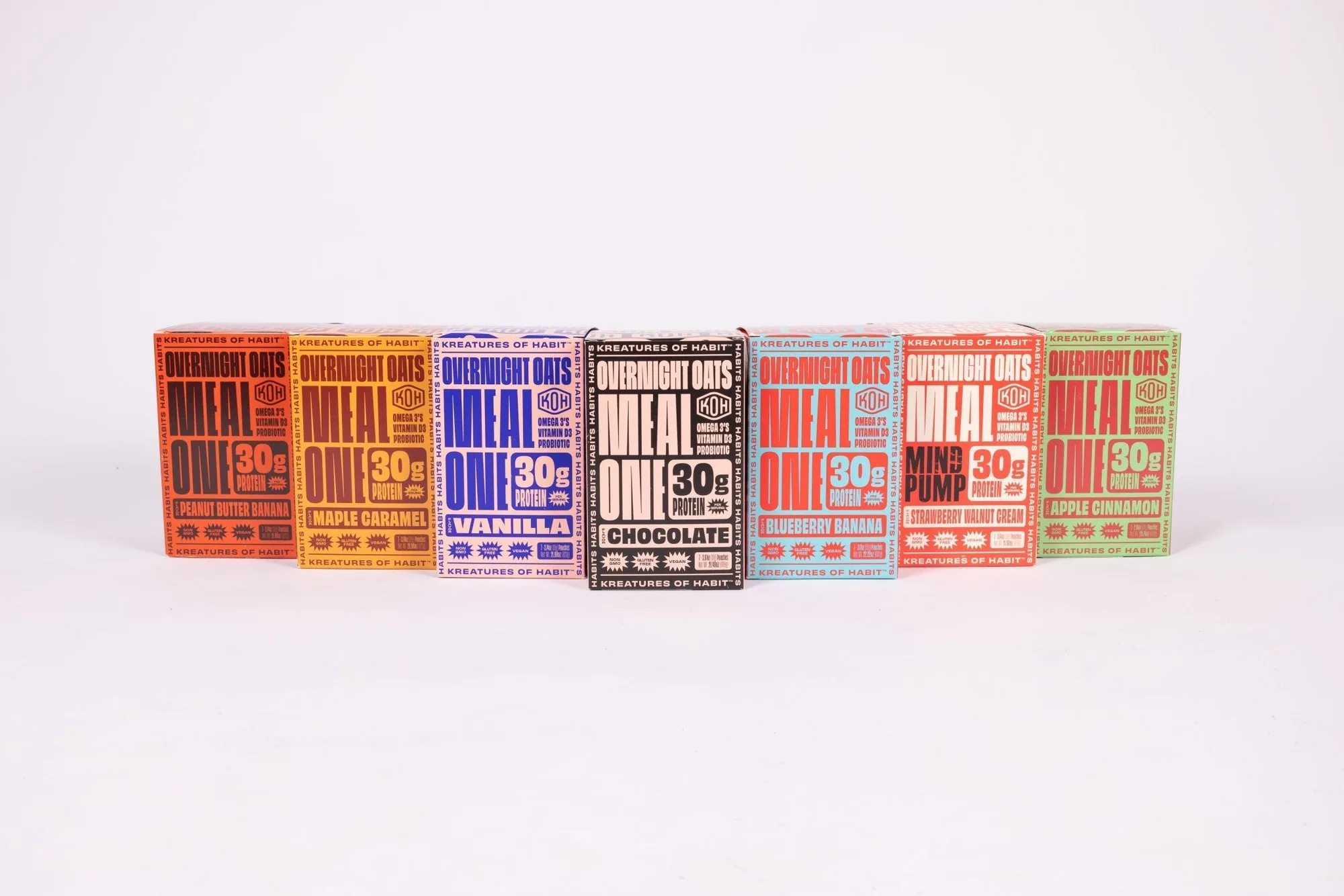
For those who love convenience, the MEAL ONE High Protein Overnight Oats is a perfect solution. It's packed with protein and fiber, and you can prepare it the night before for a no-fuss morning. Simply add milk or water, refrigerate, and enjoy a creamy, satisfying breakfast that keeps you full until lunch. This small change can significantly increase your daily protein total.
- Add a scoop of collagen or protein powder to your coffee or oatmeal.
- Include a side of turkey sausage or cottage cheese with your eggs.
5. Listen to Your Body and Adjust Gradually
Transitioning to a high-protein diet isn't just about adding more meat or shakes. It's about finding a balance that works for your digestive system and lifestyle. Some people experience bloating or discomfort when they suddenly increase protein intake. To avoid this, increase your protein gradually over a week or two. Drink plenty of water, as protein metabolism requires hydration.
Also, pay attention to how different protein sources make you feel. Some may prefer plant-based options like beans and tofu, while others thrive on animal proteins. Experiment with variety to keep meals interesting and nutrient-dense. Remember, the goal is long-term sustainability, not a short-term fix. If you need extra support, consider a subscription service like Meal One: 2-Box Subscription to ensure you always have high-protein meals on hand without the planning stress.
- Track your protein intake using a simple app or journal for the first few weeks.
- Include a variety of protein sources—animal and plant-based—for a wider nutrient profile.
Transitioning to a high-protein diet doesn't have to be complicated or stressful. By starting with one meal, keeping smart snacks available, prepping ahead, choosing protein-rich breakfasts, and listening to your body, you can build a sustainable routine that supports your health and fitness goals. Small, consistent steps lead to lasting change. If you're ready to simplify your high-protein journey, consider exploring the Meal One: 2-Box Subscription for delicious, ready-to-go meals that make hitting your protein targets effortless.