Watching your baby grow and reach new milestones is one of the most exciting parts of parenthood. From the first smile to the first roll, each achievement feels like a victory. One of the most significant transitions in the first year is moving from tummy time to sitting up independently. This shift not only builds physical strength but also opens up a whole new world of play and exploration.
Sitting independently is a major developmental milestone that typically occurs between 4 and 7 months of age. It requires a combination of core strength, balance, and coordination that is built gradually through tummy time and other activities. If you are wondering how to support your little one through this journey, you have come to the right place. Here are five practical tummy time tips to help your baby master the art of sitting up.
1. Strengthen Core Muscles with Daily Tummy Time
Tummy time is the foundation for almost every gross motor milestone, including sitting. When your baby spends time on their belly, they naturally lift their head, push up on their arms, and eventually rock on their stomach. These movements engage the neck, back, and abdominal muscles that are essential for sitting upright. Aim for several short sessions each day, gradually increasing the duration as your baby grows stronger.
To make tummy time more engaging, place a colorful toy or mirror just out of reach. This encourages your baby to lift their head and shift their weight, building the core strength needed for sitting. As your baby progresses, you may notice them beginning to pivot or even roll over, which are signs that their muscles are developing well.
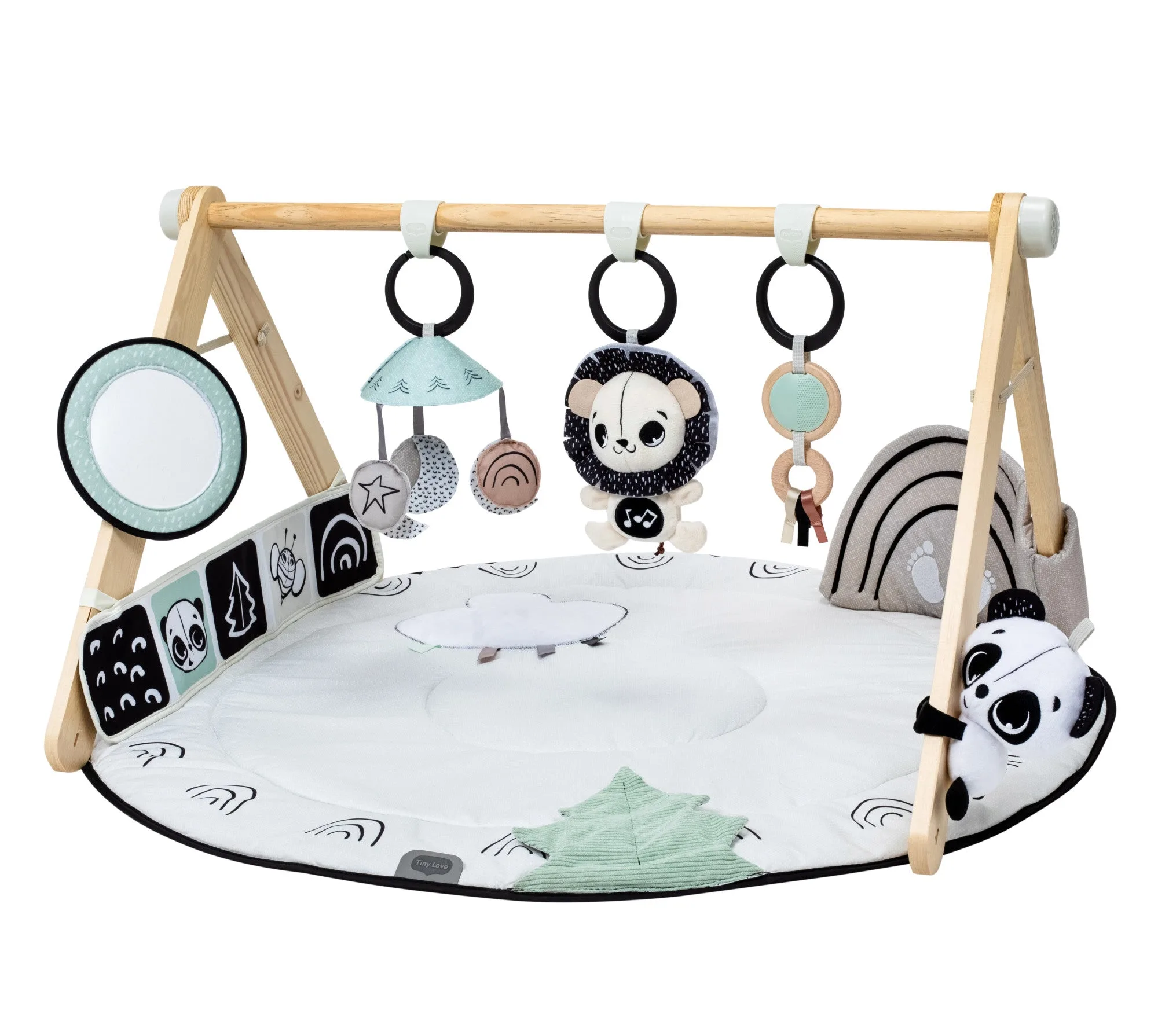
For extra motivation, consider using a developmental play mat like the Garden of Adventures Luxe Developmental Gymini. Its soft, cushioned surface and dangling toys invite your baby to reach, grasp, and push, turning tummy time into a fun workout. Remember, consistency is key, and every little bit of tummy time adds up to stronger muscles.
- Start with 2–3 minute sessions and work up to 10–15 minutes total per day.
- Use a toy or mirror to encourage your baby to lift their head and look around.
- Always supervise tummy time and place your baby on a firm, flat surface.
2. Practice Supported Sitting to Build Confidence
Once your baby has developed some core strength from tummy time, you can begin practicing supported sitting. Sit on the floor with your baby between your legs, or use a nursing pillow or Boppy to prop them up. This gives them the support they need while allowing them to practice balancing. As they grow more stable, gradually reduce the support by moving your hands farther away or using a less supportive cushion.
During supported sitting, place toys in front of your baby to encourage them to reach forward. This movement activates the abdominal muscles and helps them learn to shift their weight without falling. Over time, your baby will begin to sit for longer periods without toppling over, building both strength and confidence.
A great toy for this stage is the Tiny Rocker Accordian Toy, which is lightweight and easy for little hands to grasp. Its accordion design produces a fun sound when squeezed, motivating your baby to reach and play while seated. This not only makes practice more enjoyable but also reinforces the muscle memory needed for independent sitting.
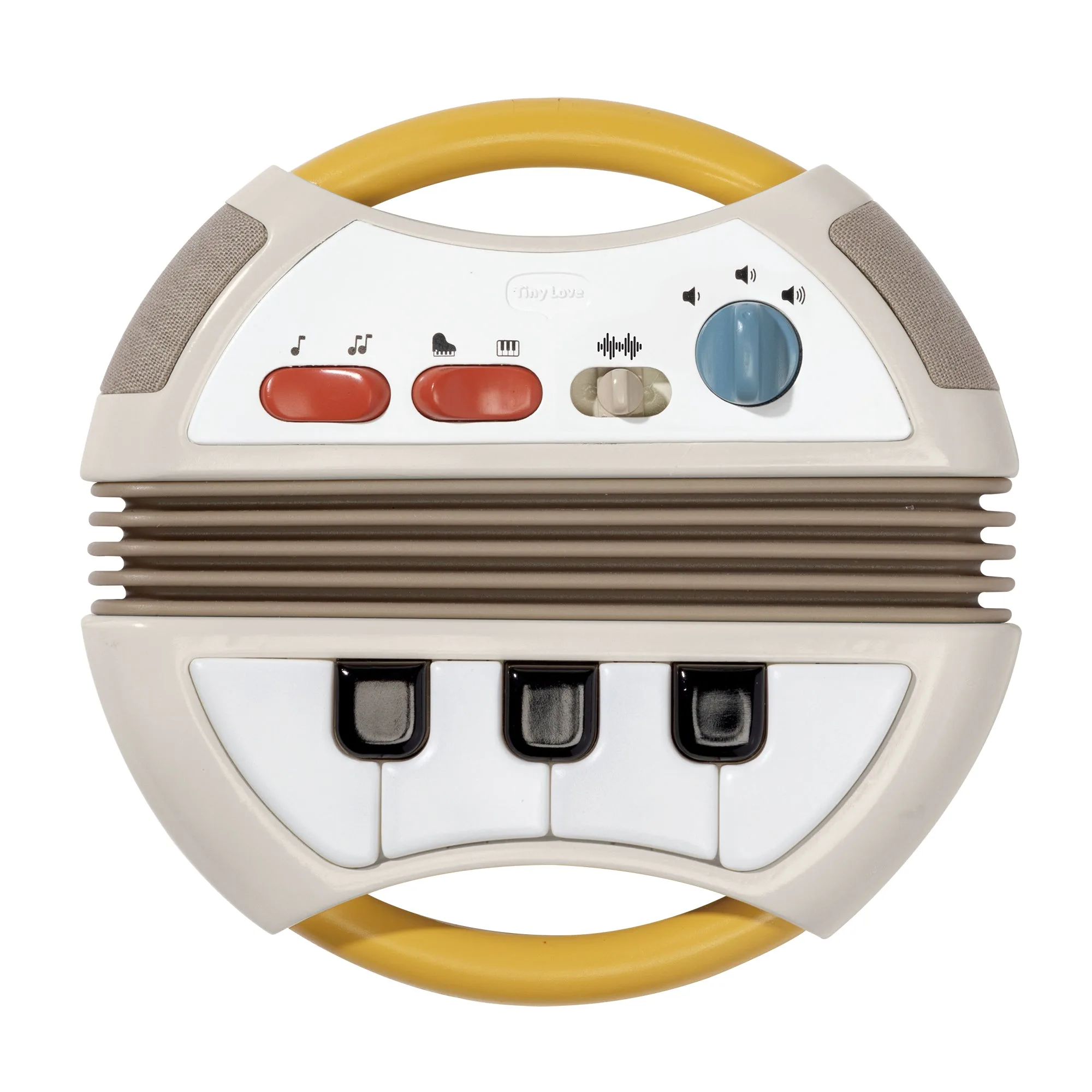
Tiny Rocker Accordian Toy
- Always stay close to catch your baby if they tip over.
- Use pillows or a nursing cushion for extra support initially.
- Encourage reaching by placing toys slightly out of reach.
3. Encourage Weight Shifting and Balance Through Play
Sitting independently is all about balance and the ability to shift weight from one side to the other. You can help your baby develop this skill through playful activities. For example, gently rock your baby side to side while they are sitting, or roll a soft ball toward them so they have to lean to one side to catch it. These movements teach their body how to adjust and maintain equilibrium.
Another effective exercise is to place a favorite toy on the floor beside your baby while they are sitting. Encourage them to turn their torso and reach for it. This twisting motion strengthens the oblique muscles, which are crucial for stable sitting. As your baby becomes more adept, they will start using their arms to brace themselves, a sign that they are learning to self-correct.
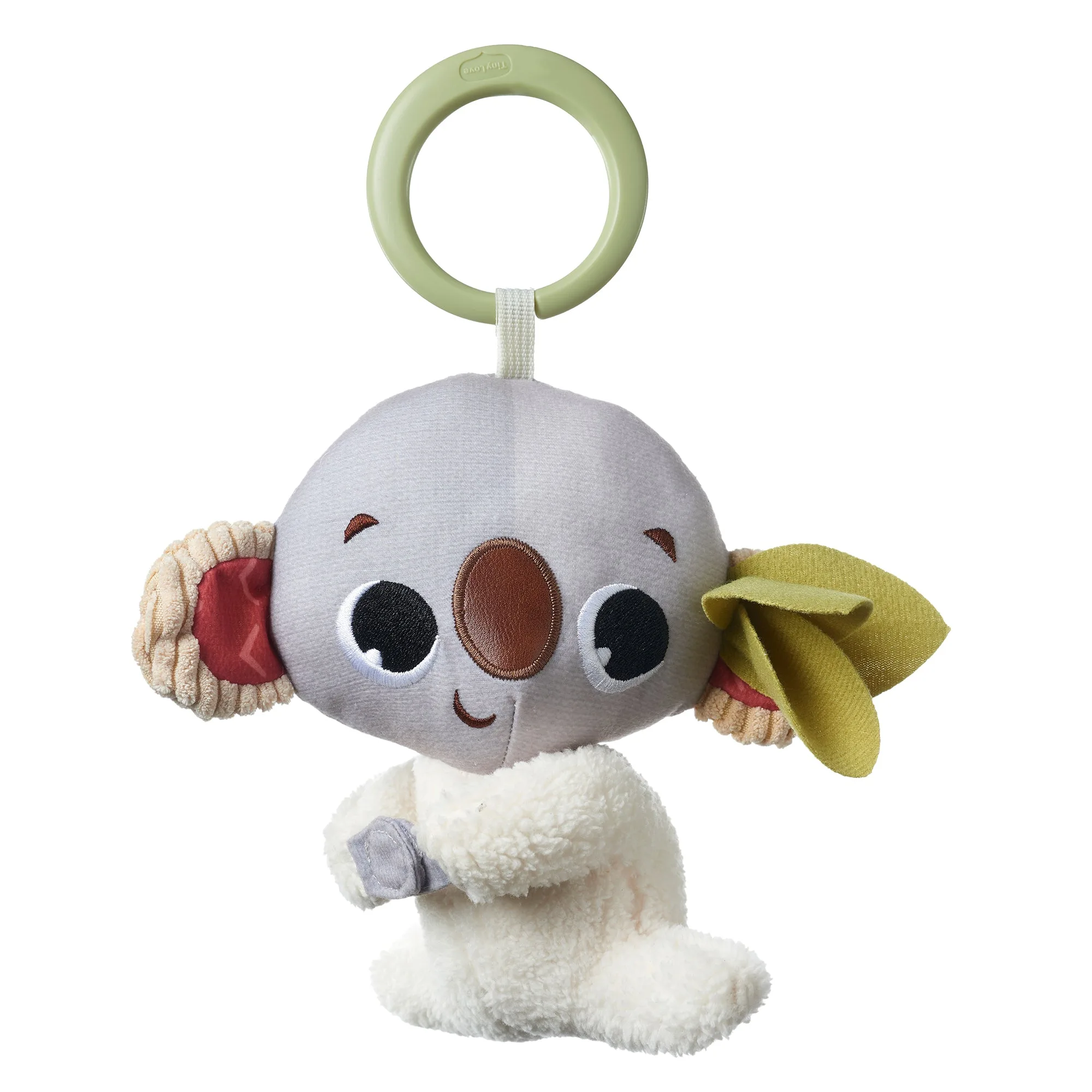
Toys that encourage reaching and grasping are ideal for this stage. The Boho Chic Koala Rattle Toy is perfect because it is lightweight, easy to hold, and makes a gentle sound that captures attention. Placing it just out of reach during seated play encourages your baby to lean and reach, building the balance and coordination they need for independent sitting.
- Gently rock your baby side to side while they are seated.
- Place toys at different angles to encourage twisting and reaching.
- Celebrate small successes to keep your baby motivated.
4. Use a Play Gym to Create a Safe Exploration Space
A play gym or activity center can be a wonderful tool for encouraging independent sitting. Many play gyms are designed with a soft mat and overhead toys that invite your baby to reach, grab, and pull themselves up. This environment allows your baby to practice sitting in a safe, cushioned space where they can explore without fear of hard falls.
When your baby is on the play mat, they will naturally try to sit up to get a better view of the toys above. The visual and auditory stimulation from the hanging toys motivates them to stay upright longer. Over time, this repeated practice builds the endurance needed for sustained sitting.
The Tiny Love Roll With Me Gymini is an excellent choice for this stage. Its unique design allows you to roll it with your baby, encouraging them to follow and reach for the toys. The soft mat provides a comfortable surface for both tummy time and seated play, making it a versatile tool for motor skill development.
- Choose a play gym with a firm but cushioned mat for safety.
- Hang toys at different heights to encourage reaching.
- Rotate toys regularly to maintain your baby's interest.
5. Create a Stimulating Environment with Music and Movement
Babies are naturally drawn to music and movement, and these elements can be powerful motivators for sitting practice. Singing songs, playing gentle music, or using musical toys can encourage your baby to bounce, sway, or reach while seated. The rhythm and sound capture their attention, making them more likely to stay upright and engaged.
You can also try sitting your baby on your lap and gently bouncing them to a song. This movement helps them develop a sense of rhythm and balance. As they grow stronger, you can transition them to sitting on the floor while you play music nearby. The combination of auditory stimulation and physical activity supports both cognitive and motor development.
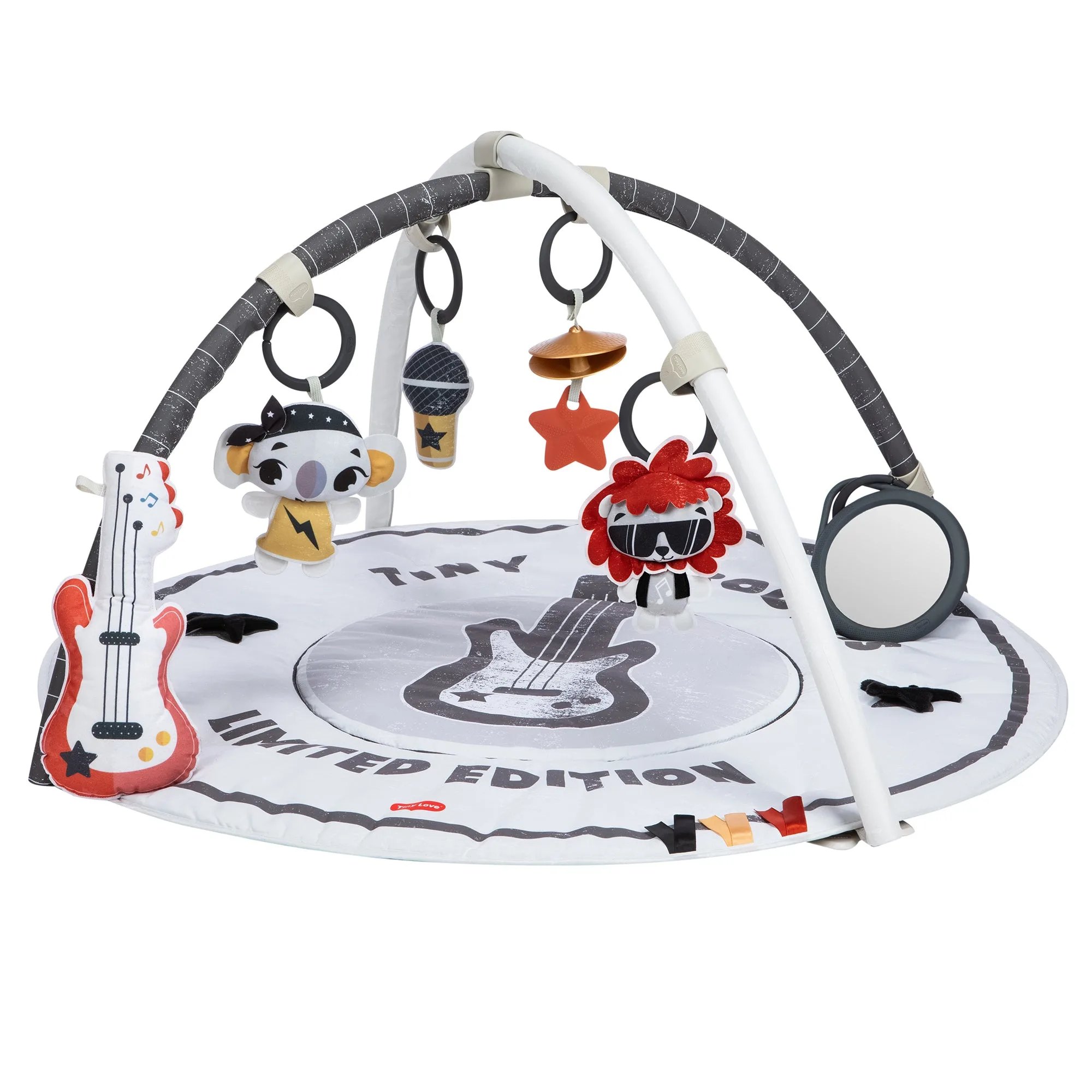
For a fun musical experience, consider the Tiny Rockers Musical Guitar. Its colorful keys and cheerful sounds invite your baby to press, strum, and explore while seated. Placing the guitar on the floor in front of your baby encourages them to lean forward and reach, strengthening their core and improving balance. Music makes practice feel like play, which is exactly how learning should feel.
- Sing songs or play music during seated play sessions.
- Use musical toys that require reaching or pressing.
- Bounce your baby gently on your lap to build balance awareness.
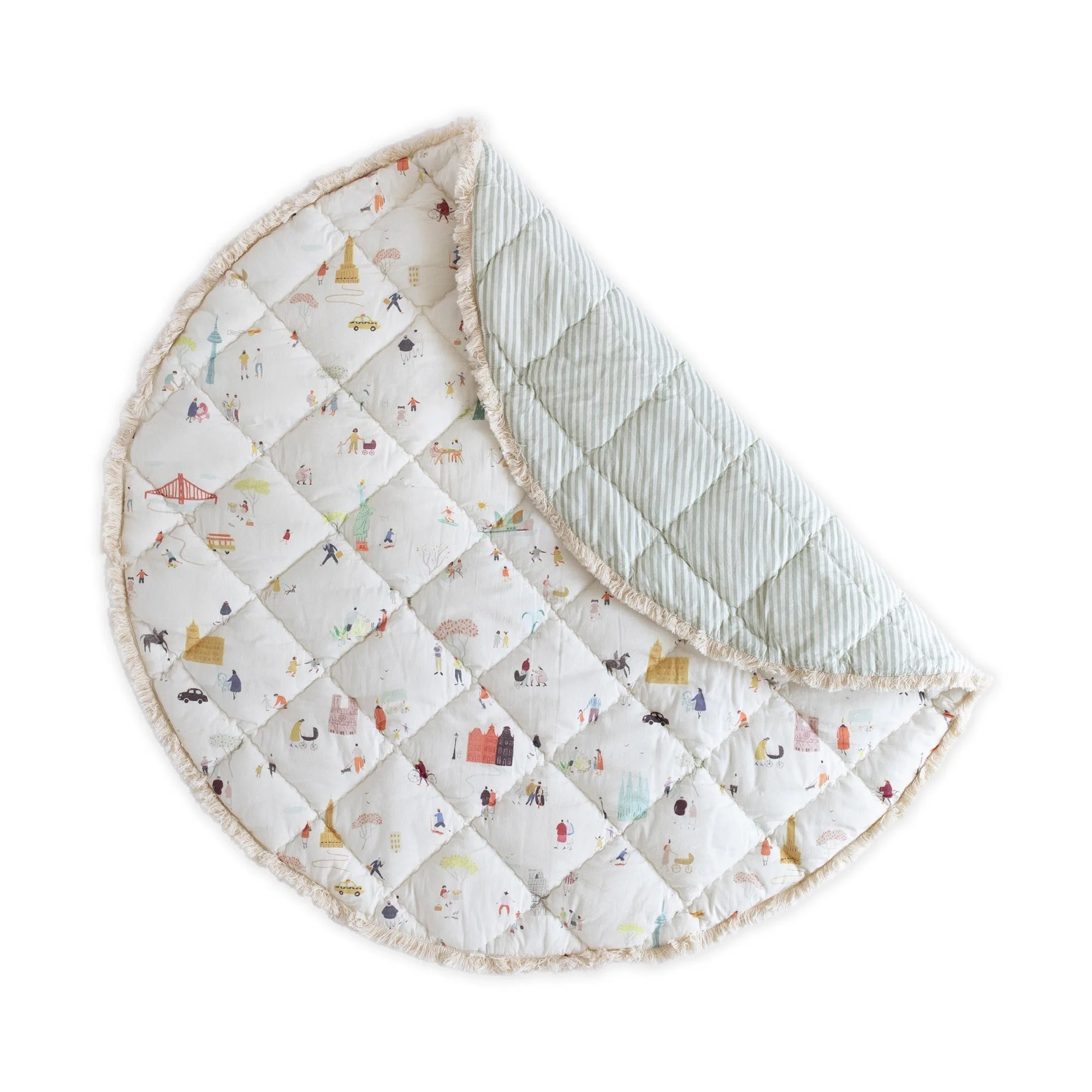
Transitioning from tummy time to sitting independently is a gradual process that requires patience, practice, and plenty of encouragement. By incorporating these five tips into your daily routine, you can support your baby's motor skill development while making learning fun. Remember, every baby develops at their own pace, so celebrate each small step along the way. For more tools to support your baby's milestones, explore the Garden of Adventures My First Garden, a versatile play mat that grows with your little one from tummy time to sitting and beyond.