Quick answer
6.35mm (1/4 inch) jacks are the standard for electric guitars, amps, and most professional audio gear because they offer a more robust connection and handle higher signal levels. 3.5mm (1/8 inch) jacks are common on consumer headphones, phones, and laptops. If you need to connect a guitar to a device with a 3.5mm input, you will need an adapter cable like the USB-C to 3.5mm AUX cable, but for a proper instrument signal path, stick with 6.35mm.
Size and Durability
The most obvious difference is physical size. A 6.35mm plug is about twice the diameter of a 3.5mm plug. This makes 6.35mm connectors sturdier and less prone to bending or breaking when plugged and unplugged frequently—important for stage use. 3.5mm jacks are more compact, which is great for portable devices, but they are mechanically less robust.
For a guitar cable that will be stepped on, coiled, and yanked, the 6.35mm jack is the clear choice for longevity. If you are plugging headphones into a phone or laptop, the 3.5mm jack is perfectly adequate.
Signal Type and Audio Quality
6.35mm connections are typically used for unbalanced instrument-level signals from guitars and for line-level signals from mixers and amps. They can carry a stronger signal with less noise over longer cable runs compared to 3.5mm, which is often used for weaker headphone-level signals. The larger contact area of the 6.35mm plug also provides a more reliable electrical connection.
That said, a 3.5mm connection can sound just as good over short distances (a few feet) for line-level audio. The real limitation is that most 3.5mm jacks on consumer gear are not designed for the high-impedance output of an electric guitar pickup, which can result in a thin, noisy sound.
Common Use Cases
6.35mm jacks are the universal standard for electric guitars, bass guitars, guitar amplifiers, PA systems, studio monitors, and most professional audio equipment. 3.5mm jacks are found on smartphones, tablets, laptops, portable speakers, and consumer headphones. If you want to plug a guitar into a laptop for recording, you will need an audio interface with a 6.35mm input, or a dedicated adapter.
For connecting a USB-C phone or tablet to a car stereo or speaker with a 3.5mm input, a simple USB-C to 3.5mm cable works well. But for an instrument signal, you need the proper impedance matching that a 6.35mm input provides.
Trade-offs at a glance
- 6.35mm (1/4 inch) jack: Larger, more durable, handles higher signal levels, standard for guitars and pro audio. Bulky for portable use. Best for instruments, amps, and any application where reliability matters.
- 3.5mm (1/8 inch) jack: Compact, universal on consumer electronics, but less robust and not designed for high-impedance instrument signals. Great for headphones and line-level audio from phones/laptops, but not for direct guitar connection.
- Using an adapter: A 6.35mm-to-3.5mm adapter lets you plug a guitar into a 3.5mm input, but the signal will likely be weak and noisy due to impedance mismatch. Adapters work for line-level audio but are not a substitute for a proper 6.35mm instrument input.
Product facts
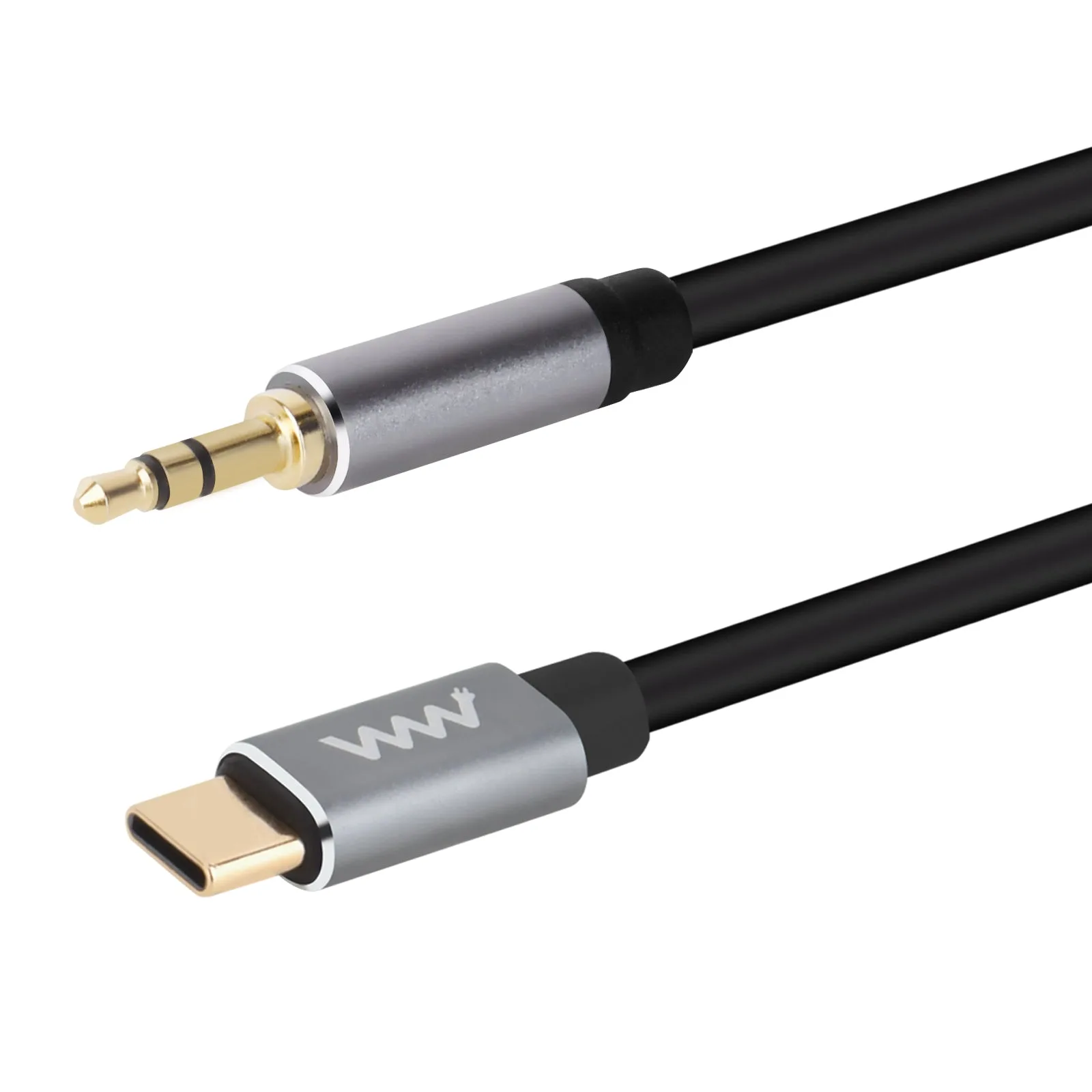
- USB-C to 3.5mm AUX Stereo Audio Cable (1m) – Headphone / Car Jack Lead: Connect your USB-C device to any standard 3.5mm AUX input with this 1m stereo audio cable. Ideal for plugging a phone, tablet or laptop into car stereos, speakers, Hi-Fi systems, headphones, soundbars and portable audio gear with a 3.5mm jack. This cable is perfect for playing music from a modern phone or laptop through a car or speaker system that only has a 3.5mm input. It does not convert a guitar signal, but it solves the common problem of connecting USB-C gear to 3.5mm audio.
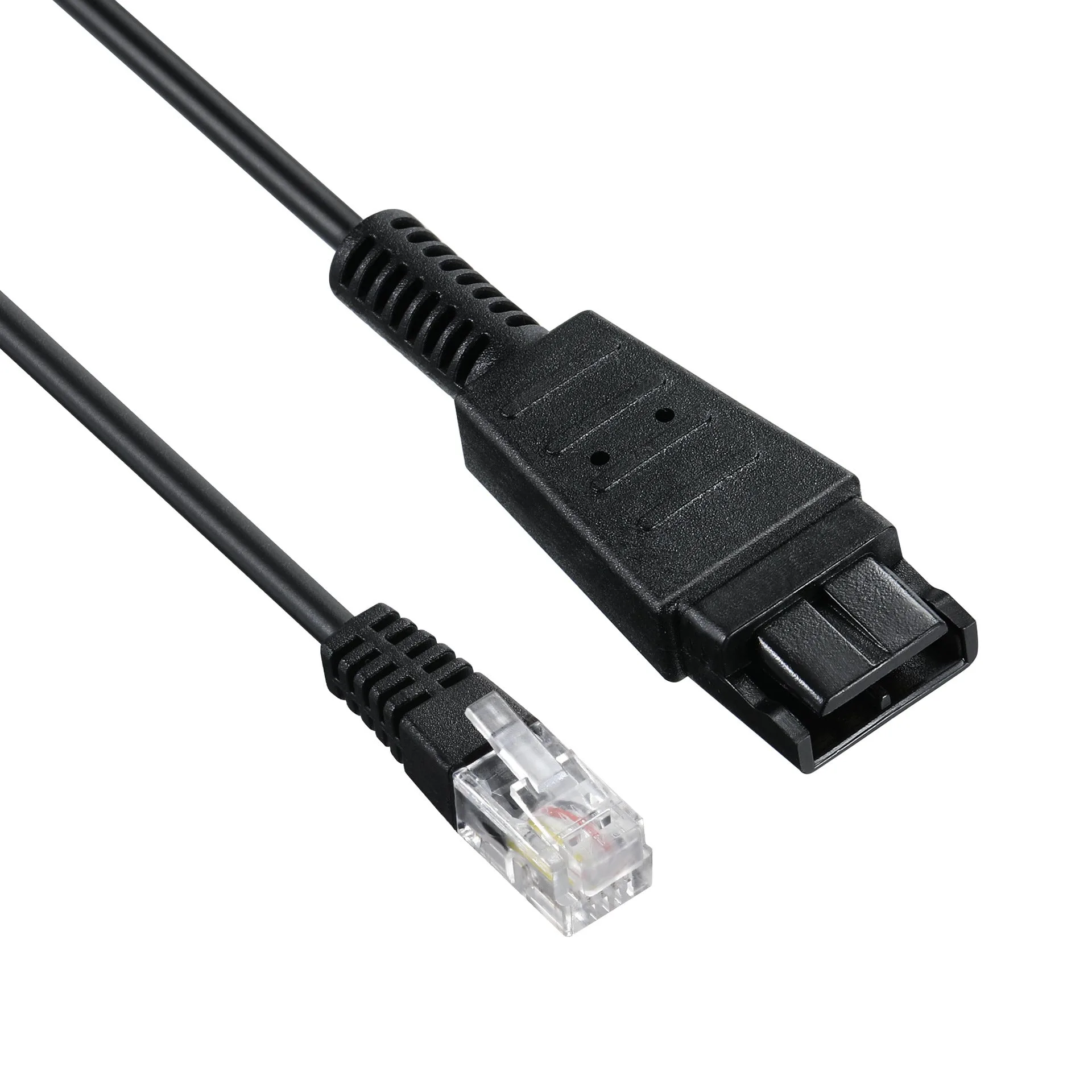
- Plantronics QD to RJ9 4P4C Telephone Headset Cable: Connect your Plantronics quick disconnect headset directly to compatible desk phones and telephone systems with this high-quality RJ9 4P4C headset adapter cable. While not a guitar cable, this example shows that adapter cables exist for many specialized audio connections. The same principle applies: use the correct connector type for your gear. For guitar, that means 6.35mm, not 3.5mm or RJ9.
Which should you choose?
Best for
- Guitarists and bassists connecting to an amp or audio interface
- Live performers who need a durable, reliable cable
- Anyone running audio signals over longer distances (more than 10 feet)
Not for
- Connecting a phone or laptop to a car stereo (use a 3.5mm cable or USB-C to 3.5mm adapter)
- Portable headphone listening where a bulky 6.35mm plug is inconvenient