Quick Answer
Hang a 6-rod bagua windchime where it catches moving air near a door or window that faces a sharp edge, a straight corridor, or a construction site. Keep it out of bathrooms, above beds, and in dead corners with no airflow. If the chime never rings or you cannot see it from the area it protects, move it.
Why 6-Rod Placement Differs From Other Windchimes
A six-rod metal chime is tuned to a higher, clearer tone than a five-rod wood or bamboo chime. In traditional practice, that sharper metal sound is used to break up stagnant or rushing energy rather than to invite calm. That means placement decisions are less about decoration and more about intercepting a specific problem: a door aligned with another door, a long hallway, a sharp corner aimed at a seat, or a view of ongoing construction.

metal
Because the sound is the working part, a chime that cannot move is not doing its job. The most common mistake is treating it as a wall ornament and hanging it flush against a solid surface where air never reaches the rods.
Error 1: Hanging It in a Dead Corner
A dead corner with no cross-breeze will not activate a six-rod chime. If you have not heard it ring in a week, the placement is decorative only.
Fix: move it to a spot with regular air movement, such as beside a frequently used door, near an openable window, or in a hallway where people walk past. Test by standing still for a minute; if the rods never sway, keep looking.
Error 2: Aiming the Bagua at the Wrong Direction
The bagua face on the chime is meant to be seen and to face the source of the problem, not the inside of your home. Hanging it backward, with the bagua flat against the wall, removes the symbol from view and wastes the piece.
Fix: face the bagua outward toward the door, window, or corridor you want to soften. If the chime hangs between two rooms, angle it so the bagua points toward the busier or more exposed side. There is no single universal compass direction for every home; the direction that matters is the one facing the disturbance.
Error 3: Putting It in a Bathroom or Above a Bed
Bathrooms and sleeping areas are the two placements most often flagged as mistakes. A bathroom's moisture and drain energy work against a protective metal chime, and the constant drip-and-rattle can damage the finish over time. Above a bed, the sharp metal tone can disrupt rest, especially in a small room.
Fix: relocate to a hallway, entry, or living area. If the only available spot is near a bathroom door, hang it on the hallway side, not inside the bathroom.
Error 4: Leaving an All-Metal Chime Fully Exposed Outdoors
An all-metal bagua windchime is built for durability, but that does not mean it belongs in direct, year-round weather. Constant rain, salt air, or full afternoon sun will dull the finish and change the tone faster than indoor use.
Fix: choose a covered porch, eaves, or a sheltered balcony where the chime gets airflow without sitting in standing water. If you want it outdoors, accept that you will need to inspect the rods and hanging cord more often.
Error 5: Hanging It Too High or Too Low
A chime placed at ceiling height or near the floor is easy to ignore and awkward to maintain. The practical range is roughly eye level to just above head height, where you can see the bagua, hear the rods, and reach the hanging point for cleaning.
Fix: adjust the cord or hook so the chime sits in that band. If you must hang it high in a stairwell, check that you can still reach it safely for dusting.
Placement Diagnosis: Symptom, Cause, Fix, Stop Point
- Symptom: The chime never rings: Likely cause: dead corner or sealed room with no cross-breeze. Corrective action: move to a doorway, openable window, or walking path. Stop point: if no spot in the room gets airflow, choose a different room rather than forcing the placement. A silent chime is a misplaced chime.
- Symptom: You feel unsettled near the chime: Likely cause: hanging above a bed, in a bathroom, or at head height in a small space. Corrective action: relocate to a hallway, entry, or living area at eye level. Stop point: if the only available spot is above your bed, do not hang it there; choose another protective item. Comfort outranks symbolism.
- Symptom: The finish dulls or the tone changes within months: Likely cause: full outdoor exposure to rain, salt, or direct sun. Corrective action: move under eaves or a covered porch, and inspect the rods and cord. Stop point: if you cannot provide shelter, keep the chime indoors instead. Shelter preserves both sound and finish.
Product Facts That Affect Placement
- 6-rod All-metal Bagua Windchime: Six metal rods produce a clear, resonant tone; the build is all-metal for lasting durability; it carries Bagua and Wu Lou symbols; suitable for indoor or outdoor use. The six-rod tone is the reason airflow matters more than decoration, and the indoor/outdoor rating means you can choose a sheltered outdoor spot without automatically ruling the chime out.
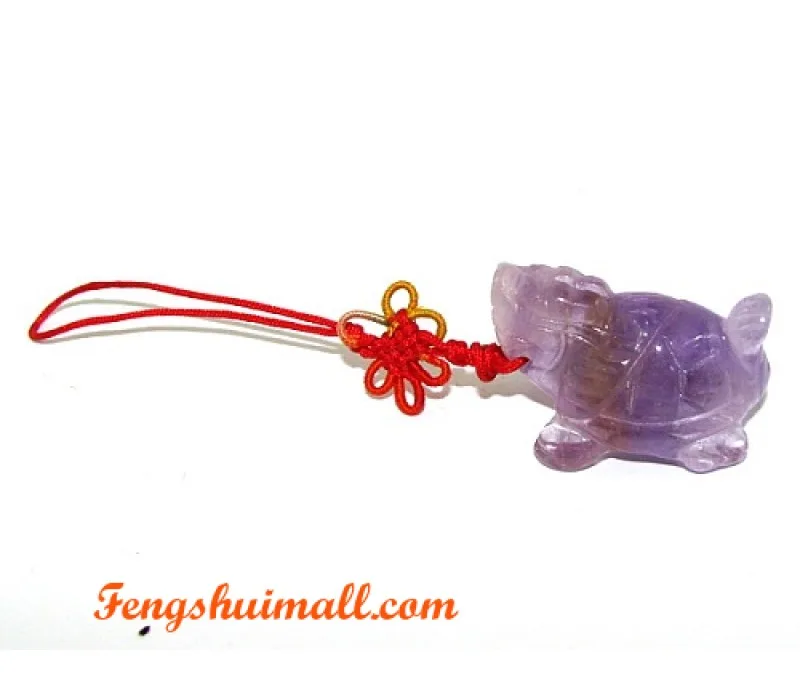
- Amethyst Dragon Tortoise Hanging: The Amethyst Dragon Tortoise Hanging is an amethyst-colored decorative piece featuring the dragon tortoise, a symbol traditionally used in homes to promote family harmony and health; it is suitable for hanging in various rooms. If your goal is family harmony rather than breaking sharp energy, this hanging is a better fit for a bedroom or family room than a metal chime.
- Golden Dragon for Power and Success: The Golden Dragon for Power and Success is a golden-plated dragon figurine depicted grabbing a crystal ball, representing prosperity and career success. For career-focused intentions, a placed figurine on a desk or shelf may serve better than a hanging chime; use the chime for airflow-related corrections instead.