When shopping for a super thin phone case, you'll often see terms like '600D aramid fiber' or '1500D twill.' These numbers refer to the weave density of the aramid fabric used. But what does that actually mean for you? In this comparison, we break down the differences between 600D and other aramid fiber weaves to help you decide which case material suits your needs best.
Aramid fiber, known for its incredible strength-to-weight ratio, is the go-to material for premium slim cases. However, not all aramid fiber is created equal. The 'D' stands for denier, a unit of fiber thickness. Lower denier (like 200D) means finer, smoother fibers, while higher denier (like 1500D) indicates thicker, more textured fibers. Let's dive into the details.
What Is 600D Aramid Fiber?
600D aramid fiber is a weave density that strikes a balance between flexibility and rigidity. It's commonly used in high-end phone cases because it offers excellent protection without adding bulk. The 600D weave creates a subtle texture that improves grip, making it less slippery than smoother finishes.
Compared to lower denier weaves like 200D, 600D provides more structure and impact resistance. It's also more affordable to produce, which is why many premium cases, including the https://peacefulnestyai.shop/products/galaxy-s23-ultra-case-ultra-thin-aramid-fiber-301715Galaxy S23 Ultra Case - Ultra Thin - Aramid Fiber, use this weave. If you're looking for a case that feels solid yet remains incredibly thin, 600D is a solid choice.
- Balanced texture for improved grip
- Good impact resistance for everyday drops
- More affordable than higher denier weaves
Other Aramid Fiber Weaves: 1500D, 300D, and Twill
Higher denier weaves like 1500D are thicker and more durable, often used in rugged cases. They offer superior scratch resistance and a more pronounced carbon-fiber look. However, they tend to be slightly thicker and heavier, which can compromise the 'super thin' aesthetic many users prefer.
On the other end, 300D or even 200D weaves are finer and smoother, giving a sleek, almost silky feel. These are often found in ultra-slim cases like the Super Thin iPhone 16 Pro Case. While they look elegant, they may not provide as much shock absorption as 600D or 1500D. Twill weaves, which feature a diagonal pattern, offer a unique aesthetic but vary in durability depending on the denier.
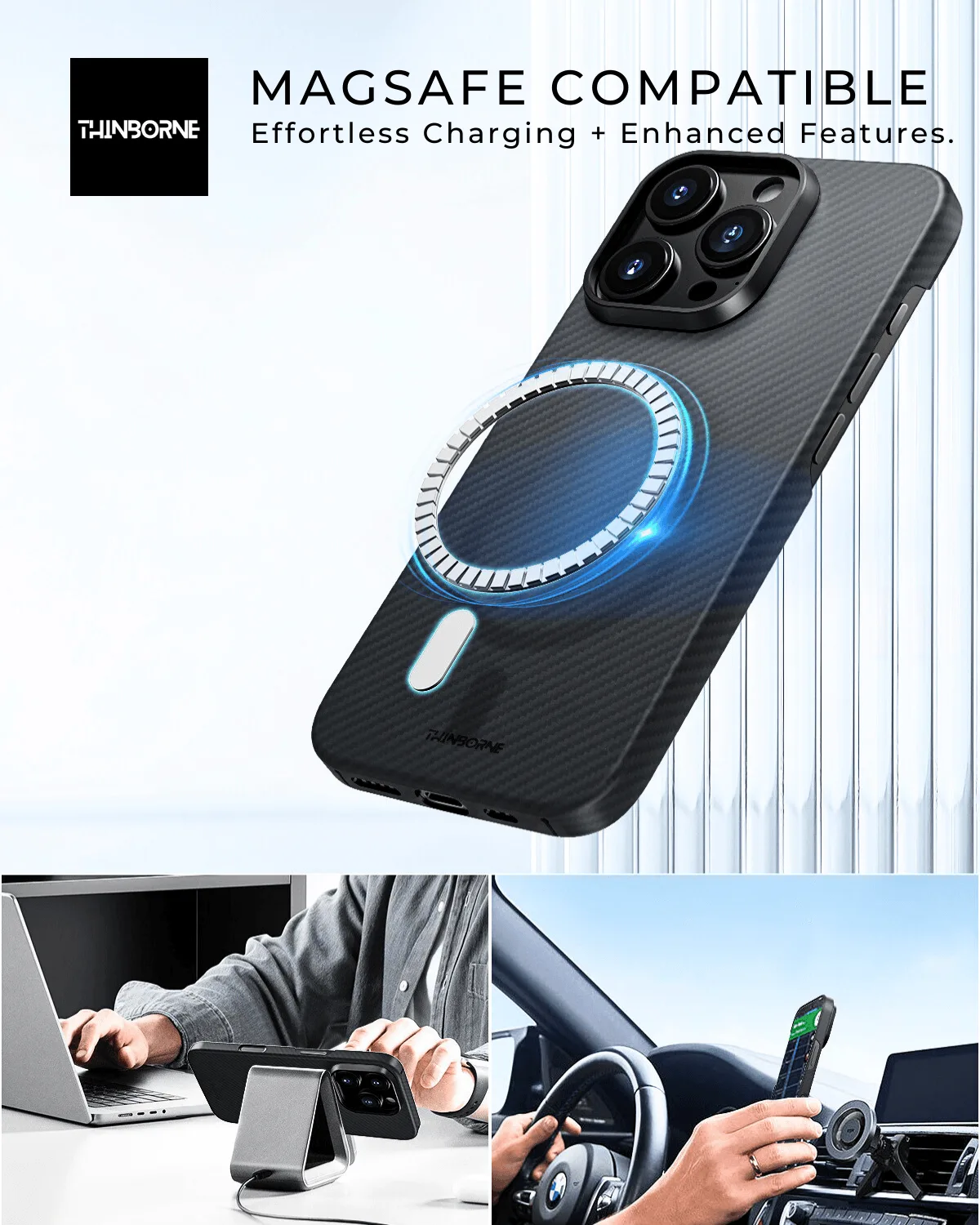
Super Thin iPhone 16 Pro Case
- 1500D: Maximum durability, thicker profile
- 300D: Sleek and smooth, less impact resistance
- Twill: Stylish diagonal pattern, variable performance
600D vs. 1500D: Which Is More Durable?
When it comes to pure durability, 1500D aramid fiber is the winner. Its thicker fibers can withstand more abrasion and impact. However, for most everyday users, 600D offers sufficient protection while maintaining a slimmer profile. The difference in real-world drop protection is minimal for typical use.
If you're someone who frequently drops your phone or works in harsh environments, a 1500D case might be worth the extra bulk. But if you prioritize a slim, pocket-friendly design, 600D is the sweet spot. Many popular cases, like the https://peacefulnestyai.shop/products/iphone-17-pro-max-case-super-thin-aramid-fiber-magsafe-301737iPhone 17 Pro Max Case - Super Thin | Aramid Fiber | MagSafe, use 600D to balance both worlds.
- 1500D: Better for extreme conditions
- 600D: Ideal for everyday use with a slim profile
Texture and Grip: How Weave Affects Feel
The weave density directly impacts how a case feels in your hand. 600D offers a slightly textured surface that prevents slipping, making it easier to hold securely. In contrast, 200D or 300D weaves are smoother and may feel more premium but can be slippery.
If you're prone to dropping your phone, a 600D case like the Super Thin Galaxy S25 Edge Case could be a safer bet. The added grip helps you maintain a firm hold, reducing the chance of accidental slips. On the other hand, if you prefer a sleek, glossy look, a finer weave might appeal more.
- 600D: Textured grip for secure handling
- Finer weaves: Sleek but potentially slippery
Aesthetic Differences: Carbon Fiber Look and Color Options
Aramid fiber cases are prized for their carbon-fiber-like appearance. The weave pattern is visible, and the denier affects how pronounced it is. Higher denier weaves like 1500D show a bolder, more obvious pattern, while 600D offers a subtler texture that still looks premium.
Color options also vary. Some brands offer colored aramid fiber, like the crimson iPhone Air Case - Super Thin | Aramid Fiber | MagSafe - Crimson. The weave density can influence how colors appear; finer weaves tend to show color more uniformly, while coarser weaves may have a more textured look.
- 1500D: Bold, prominent weave pattern
- 600D: Subtle, refined texture
- Colored aramid: Available in various shades
Weight and Thinness: The Super Thin Case Factor
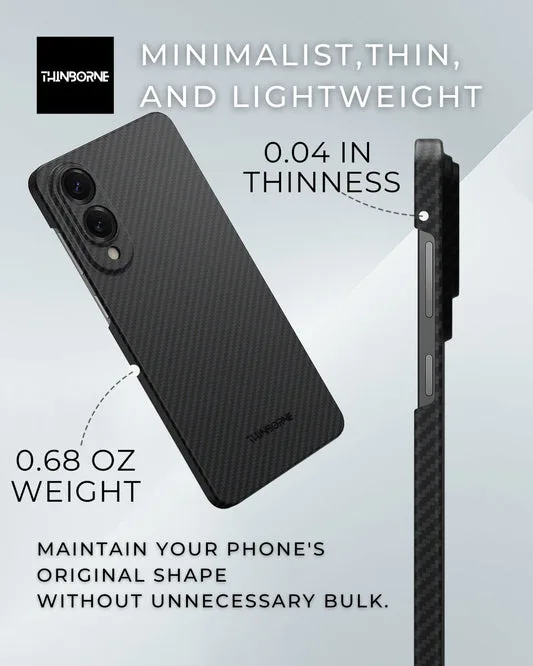
The whole point of a super thin case is to protect without adding bulk. Here, 600D shines. It's thin enough to keep your phone sleek while providing a layer of shock absorption. Higher denier weaves like 1500D add noticeable thickness and weight, which can be a dealbreaker for minimalists.
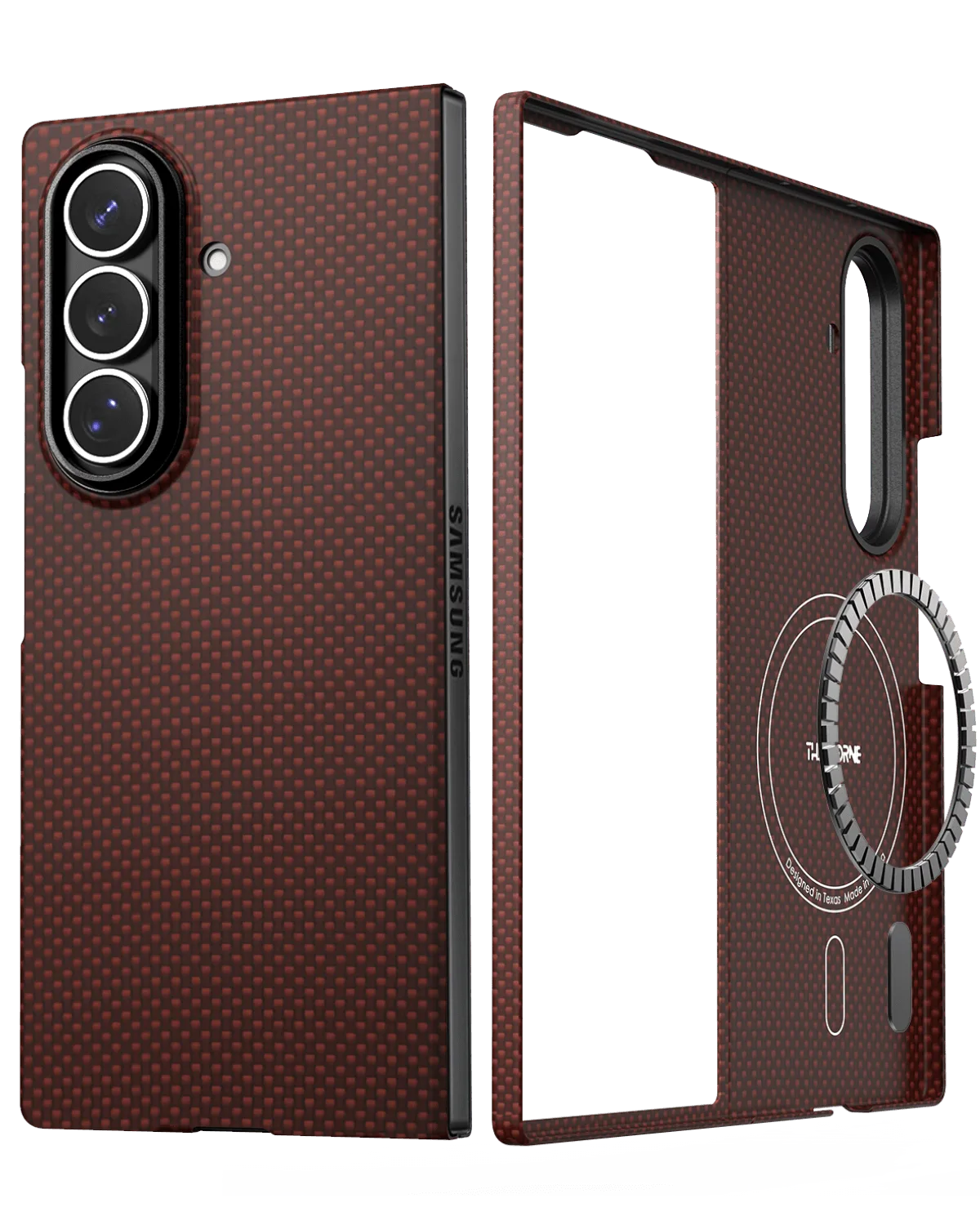
For example, the Super Thin Galaxy Z Fold 6 Case uses 600D to maintain a slim profile even on a foldable device. If you're after a case that feels like a second skin, 600D is the way to go. Finer weaves like 200D are even thinner, but they offer less impact protection.
- 600D: Perfect balance of thinness and protection
- 1500D: Heavier and thicker
- 200D: Ultra-thin but less protective
Price and Value: What You Pay For
Generally, higher denier aramid fiber costs more due to the increased material and manufacturing complexity. 1500D cases are priced at a premium, while 600D offers a more budget-friendly option without sacrificing much in terms of quality.
For most users, 600D provides the best value. You get a durable, attractive case at a reasonable price. Brands like Thinborne offer excellent 600D options, such as the iPhone 17 Case - Super Thin | Aramid Fiber | MagSafe, which combines performance and affordability.
- 600D: Best value for everyday users
- 1500D: Higher cost for marginal gains
How to Choose the Right Aramid Fiber Weave for You
Start by considering your lifestyle. If you're outdoorsy or accident-prone, a 1500D case might be worth the extra bulk. If you work in an office and want a sleek, professional look, 600D is ideal. For those who prioritize minimalism above all, a 300D or 200D case could be perfect.
Also, think about compatibility with accessories like MagSafe. Most aramid cases support MagSafe, but thicker weaves might interfere slightly. Check the product specs. For instance, the Super Thin Galaxy Z Fold 5 Case - 600D Aramid Fiber | MagSafe is designed to work seamlessly with magnetic accessories.
- Assess your drop risk and environment
- Consider MagSafe compatibility
- Balance thinness with protection
In the end, 600D aramid fiber offers the best combination of thinness, durability, and value for most phone users. While other weaves have their merits, 600D is the sweet spot. If you're looking for a reliable super thin case, check out the Super Thin Galaxy S25 Edge Case for a perfect example of 600D craftsmanship.