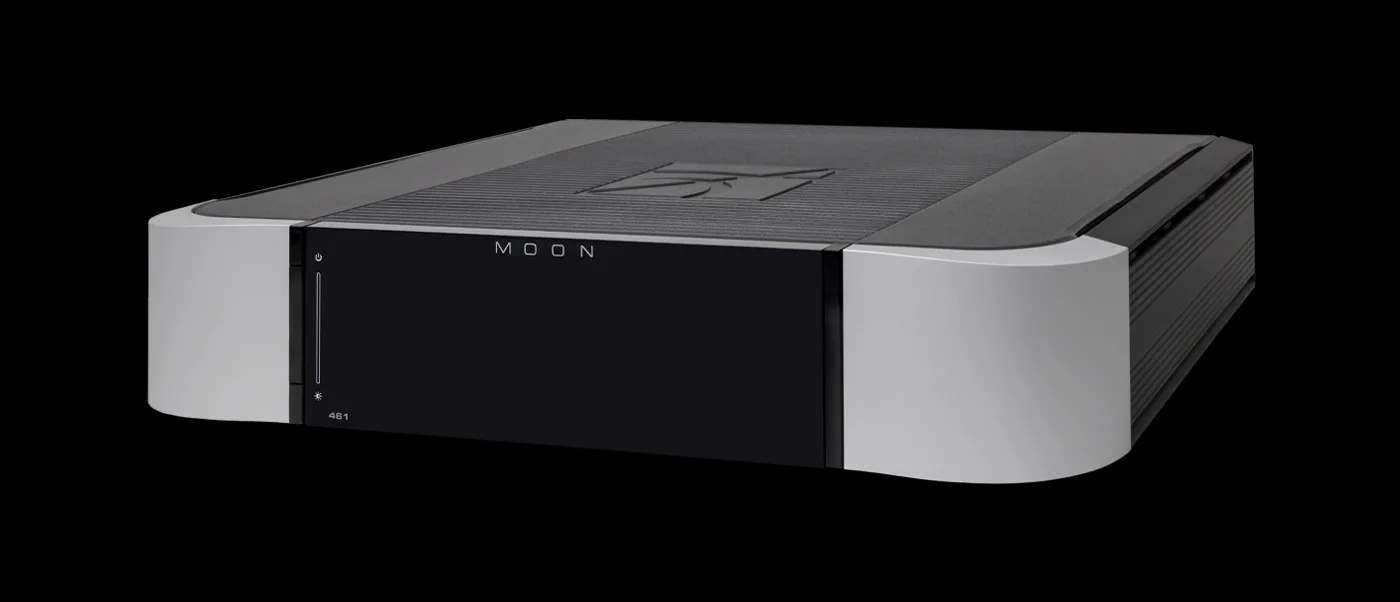
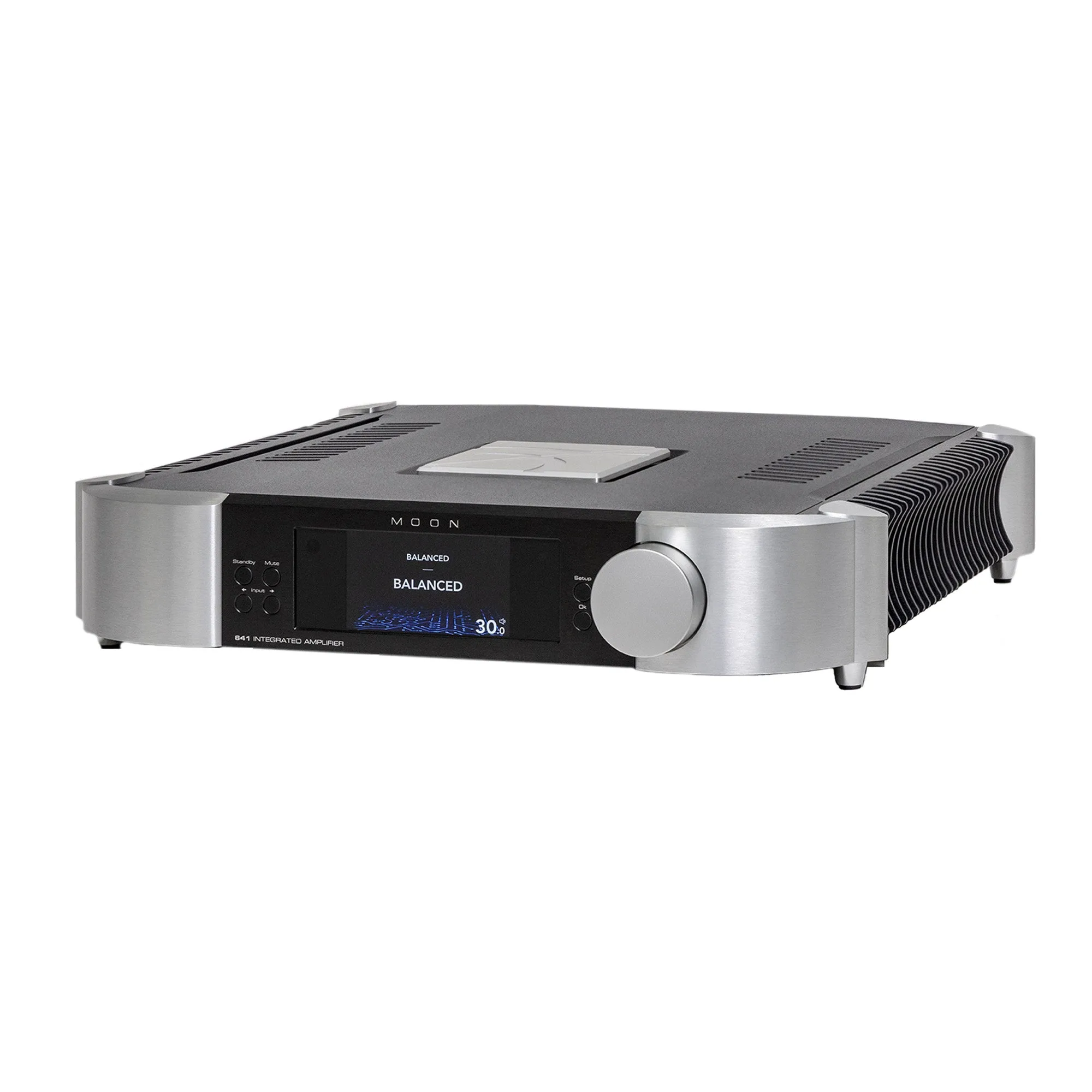
Start with the amplifier's role in your system
The MOON 641 integrated amplifier combines a preamplifier and a power amplifier in one chassis, and the catalog describes it as the core component of any audio system. That makes speaker pairing a system-level decision: the 641 is designed to sit at the center, so the speakers you choose will shape how the whole setup performs.
The 641 is the entry model in the North Collection and reflects MOON's design and audio technology. The catalog presents it as a foundation piece rather than a specialized add-on, which is why it makes sense to think through speaker matching before you commit.
What the catalog confirms about the MOON 641
-
641 集成放大器: The MOON 641 integrated amplifier combines a preamplifier and a power amplifier in one device. A single chassis means fewer interconnects and a simpler signal path, but it also means the amplifier's characteristics are fixed—you cannot swap the preamp or power amp separately to match a difficult speaker load.
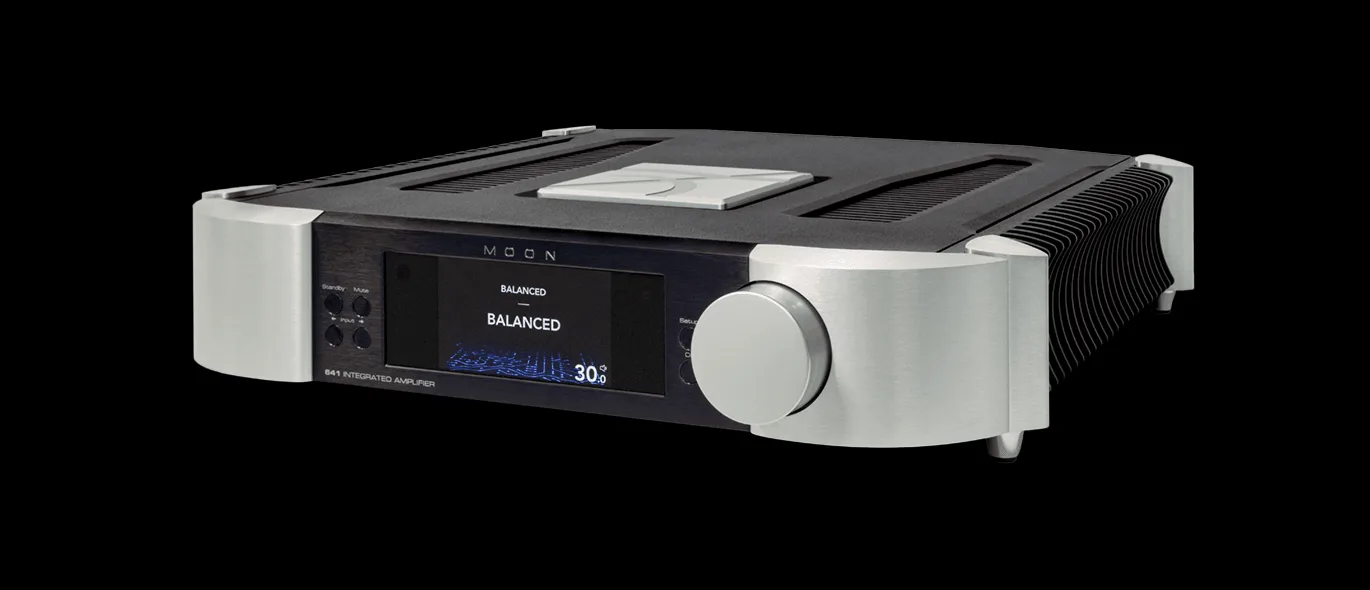
641 集成放大器
-
641 集成放大器: The 641 is the entry model in the North Collection and is described as the core component of an audio system. Positioning it as a system core suggests it is intended to anchor a complete setup, so speaker choice should be made with the whole system in mind rather than as an isolated purchase.
Load impedance: what you can and cannot confirm
The supplied catalog record for the 641 does not include a minimum load impedance rating, power output figures at specific impedances, or a list of supported speaker loads. That is not evidence that the amplifier lacks these capabilities—only that the information supplied here does not state them.
Because of that gap, you should not assume the 641 is optimized for any particular nominal impedance. When a speaker's impedance curve dips low, an amplifier must deliver more current; whether the 641 is comfortable with that depends on specifications not included in this record. Treat load impedance as a question to verify with the manufacturer or your dealer before pairing, especially with speakers known to present difficult loads.
Sensitivity matching: why it matters more than a single number
Speaker sensitivity describes how much sound output you get for a given amplifier input, and it interacts with listening distance, room size, and how loudly you listen. The catalog does not supply a sensitivity recommendation for the 641, so there is no official threshold to aim for.
In practice, a speaker with lower sensitivity will need more amplifier output to reach the same volume, while a higher-sensitivity speaker will reach a given level with less. Since the 641's output specifications are not included in the supplied record, you cannot calculate a precise match from this page alone. Use sensitivity as a conversation point with your dealer rather than a pass/fail test.
A practical pairing process you can follow
- Define your room and listening level: Note the room dimensions and how loud you typically listen. These two factors set the real demand on the amplifier more than any single speaker specification.
- Collect the speaker's published specifications: Look for nominal impedance, minimum impedance, and sensitivity from the speaker manufacturer. The 641 catalog does not provide matching thresholds, so these speaker figures are your starting data.
- Ask about the 641's load and power specifications: Since the supplied record does not state minimum impedance or power output, request these details from MOON or your dealer before finalizing a speaker choice.
- Audition the combination: The most reliable checkpoint is listening: bring or request the speakers you are considering and evaluate them with the 641 in a setting that resembles your room.
- Confirm setup details before installation: The catalog does not include connection diagrams, cable recommendations, or operating steps for the 641. Ask for the owner's manual so you follow the manufacturer's actual instructions rather than assumptions.
Where the 641 fits in a buying decision
If you want a single-box amplifier that can serve as the center of a system, the 641's integrated design and North Collection pedigree are the main draws. The catalog price is USD 10,295, with a comparison price of USD 14,500, which puts it in a serious investment bracket.
The trade-off is that the supplied information does not include the load and power figures that would let you confirm compatibility with demanding speakers on paper. For efficient speakers in a modest room, that uncertainty may matter less; for low-impedance or low-sensitivity speakers, it is worth resolving before you buy. Pairing well is less about a spec sheet match and more about confirming the details the catalog leaves open.