Why a Surge Protector Belongs in Your Kitchen
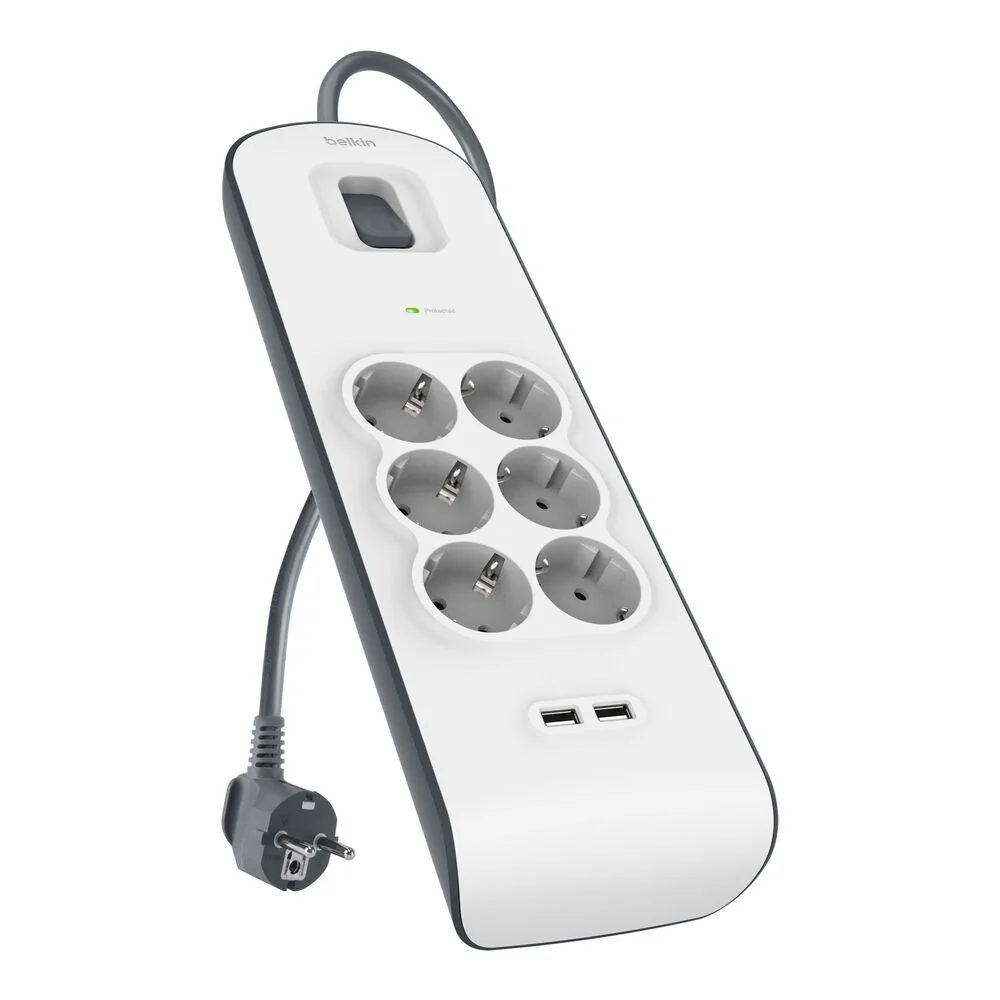
The kitchen is one of the busiest rooms for plugging in appliances—coffee makers, toasters, slow cookers, and phone chargers all compete for limited wall outlets. A surge protector adds peace of mind by guarding against voltage spikes that can damage sensitive electronics. The Belkin 8-Outlet Surge Protector with USB-A offers eight AC outlets and two USB-A ports, making it a practical choice for a countertop or kitchen island where you need both power and device charging.
What the Belkin 8-Outlet Surge Protector Confirms
-
8fach-Steckdosenleiste mit Überspannungsschutz, 2-m-Kabel und USB-A-Anschlüssen: 8 AC outlets provide ample space for multiple appliances and electronics. You can plug several kitchen gadgets into one unit without needing extra adapters or power strips.
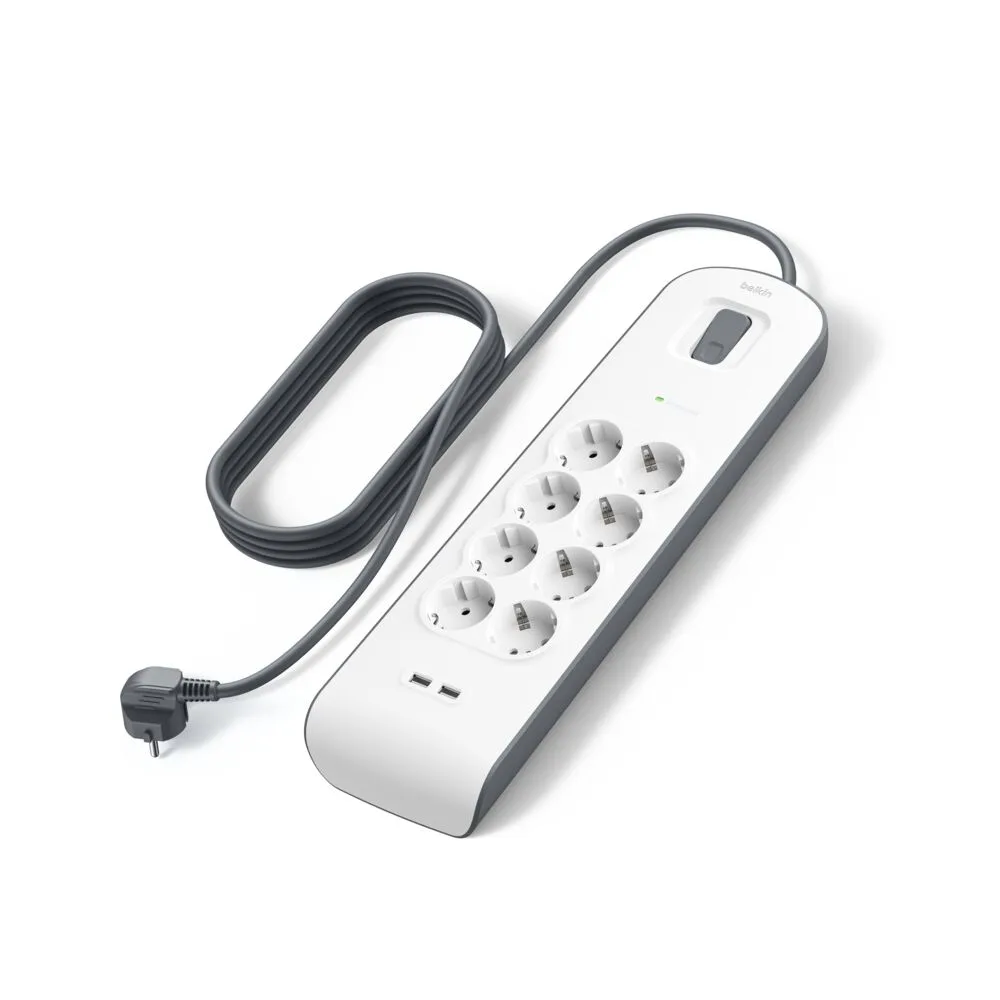
8fach-Steckdosenleiste mit Überspannungsschutz, 2-m-Kabel und USB-A-Anschlüssen
-
8fach-Steckdosenleiste mit Überspannungsschutz, 2-m-Kabel und USB-A-Anschlüssen: Built-in surge protection helps safeguard your connected devices (rated at 900 joules). A 900-joule rating offers reasonable protection for small appliances and chargers against common household surges.
-
8fach-Steckdosenleiste mit Überspannungsschutz, 2-m-Kabel und USB-A-Anschlüssen: Two USB-A ports deliver a combined 2.4A output for charging smartphones, tablets, and other USB devices. You can charge phones or tablets right on the counter without occupying an AC outlet.
-
8fach-Steckdosenleiste mit Überspannungsschutz, 2-m-Kabel und USB-A-Anschlüssen: 2-meter power cord gives you convenient reach to wall outlets. The 2-meter cord allows flexible placement even if the nearest wall outlet is behind a cabinet or around a corner.
Safe Placement and Usage Steps
Follow these steps to set up your surge protector safely in the kitchen.
- Choose a dry, stable surface: Place the surge protector on a countertop or shelf away from sinks, stovetops, and areas where water might splash. Keep it out of direct contact with heat sources like toaster ovens or coffee makers.
- Check cord length and routing: The 2-meter cord should reach the wall outlet without stretching or pinching. Avoid running the cord under rugs or across walkways. Use cord clips if needed to keep it tidy.
- Plug in high-draw appliances first: Appliances like kettles, air fryers, and microwaves draw significant power. Spread them across different outlets on the strip to avoid overloading any one circuit. The surge protector itself does not increase the circuit's capacity.
- Use USB ports for low-power devices: Reserve the two USB-A ports for charging phones, earbuds, or tablets. This frees up AC outlets for larger appliances and reduces clutter.
- Inspect regularly: Check the surge protector for any signs of damage, frayed cords, or discoloration. If the unit feels warm or emits a burning smell, unplug it immediately and replace it.
What the Supplied Information Does Not Settle
The supplied product details do not specify an operating temperature range, water resistance rating, or whether the surge protector is designed for continuous use with high-wattage kitchen appliances. For heavy-duty appliances like refrigerators or dishwashers, a direct wall outlet is still the recommended choice. Also, the exact surge protection lifetime or indicator light behavior is not confirmed, so it is wise to replace the unit after a significant surge event or every few years as a precaution.