Quick answer
Choose the VESTA 8x42 if you want the steadiest hand-held view and the widest field of view for close or moving subjects. Choose the VESTA 10x42 if you mostly watch distant or small subjects and can brace your elbows or use a support.
What magnification changes in practice
Going from 8x to 10x makes distant subjects look about a quarter larger, which helps when you are trying to read detail on a bird perched far away or follow an aircraft. The trade-off is that every hand tremor is magnified too, so the image is harder to hold steady without support.
Higher magnification also narrows the field of view. With the 8x42 you fit more of a hedgerow or sky into the frame, which makes it easier to find a fast-moving subject and follow it. The 10x42 shows less surrounding area, so scanning is slower and you may need to reacquire a subject more often.
Where the two VESTA models are the same
Both models use a BaK4 roof prism design and Multiguard multi-coating, so the difference you feel in the field comes mainly from magnification rather than a different optical construction. Both also have a large centre focus knob, which matters when you are focusing with gloves or while tracking something that keeps moving.
Because the two share the same lightweight body approach, the decision is not about build quality. It is about matching the magnification to how steady your hands are and how far away your typical subject sits.
The low-light exception
A 42 mm objective lens gathers the same amount of light on both models, but the 10x42 spreads that light over a higher magnification. In dim conditions the 8x42 often looks brighter and cleaner to most users because its lower magnification concentrates the available light into a smaller, brighter image.
If most of your viewing happens at dawn, dusk or under heavy cloud, lean toward the 8x42 unless you have a stable rest and really need the extra reach.
Decision rules for choosing between 8x42 and 10x42
- If you hand-hold for long periods: Pick the VESTA 8x42. Lower magnification hides small hand movements, so you can scan for longer without eye strain or a shaky image. Test this by holding each pair for two minutes before deciding.
- If your subjects are usually far away: Pick the VESTA 10x42 when you regularly watch distant birds, aircraft or hilltop wildlife and can rest your elbows on a rail, fence or tripod.
- If you view in low light: Choose the 8x42 for dawn, dusk or woodland shade. The lower magnification gives a brighter-looking image from the same 42 mm lens.
- If you follow fast movement: Choose the 8x42 for sport, insects in flight or birds moving through cover, because the wider field of view makes it easier to find and track a subject.
- If you are unsure: Start with the 8x42. It is the more forgiving all-round choice, and you can add a 10x42 later if you find yourself wanting more reach.
VESTA model facts
-
VESTA 10x42 Lightweight Binoculars: 10x42 magnification with BaK4 roof prisms and Multiguard multi-coating. The higher magnification gives more reach for distant subjects, but you will notice hand shake more unless you brace or use a support.
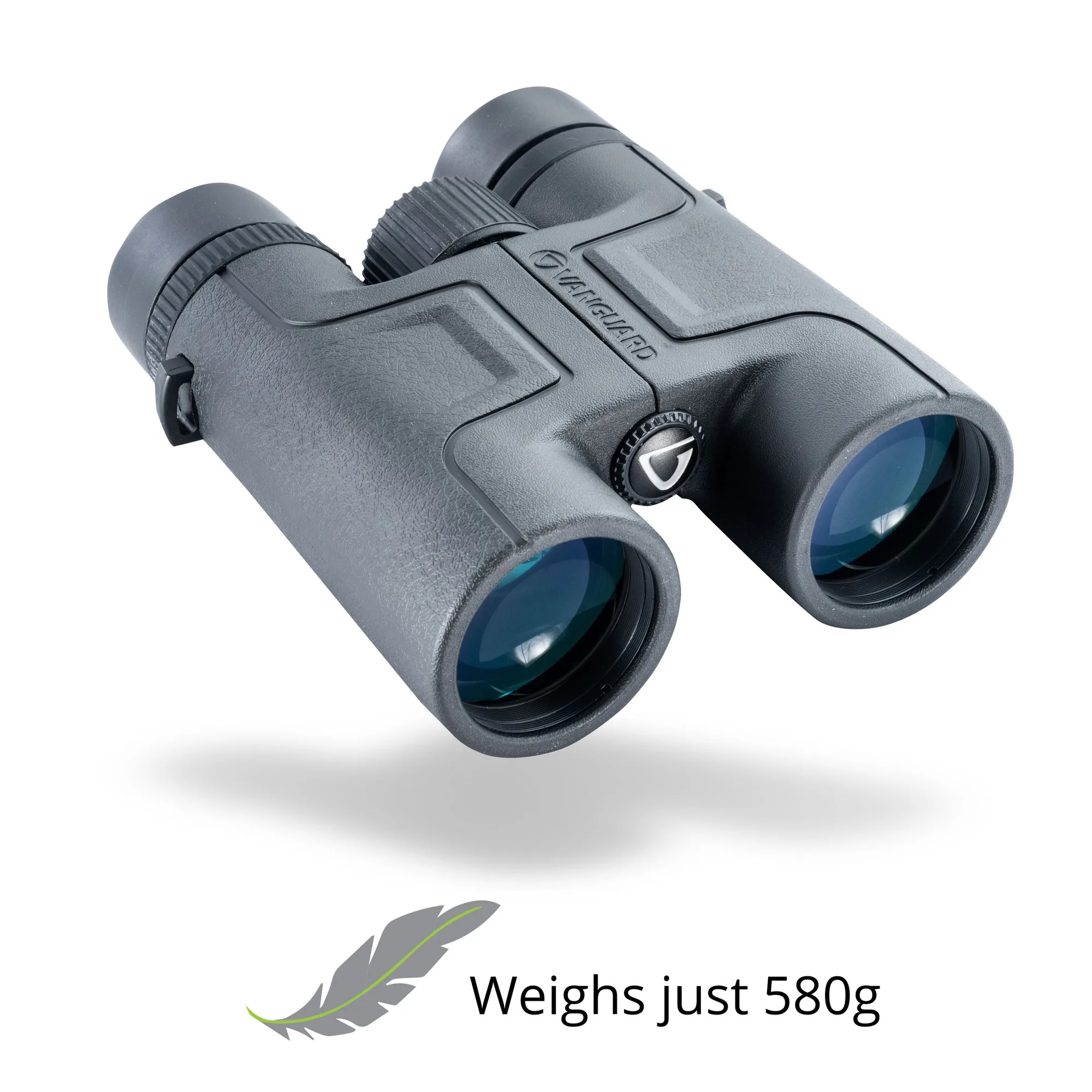
VESTA 10x42 Lightweight Binoculars
-
VESTA 8x42 Lightweight Binoculars: 8x42 magnification with BaK4 roof prisms and Multiguard multi-coating. The lower magnification is easier to hold steady and gives a wider view, which helps when scanning or following moving subjects.
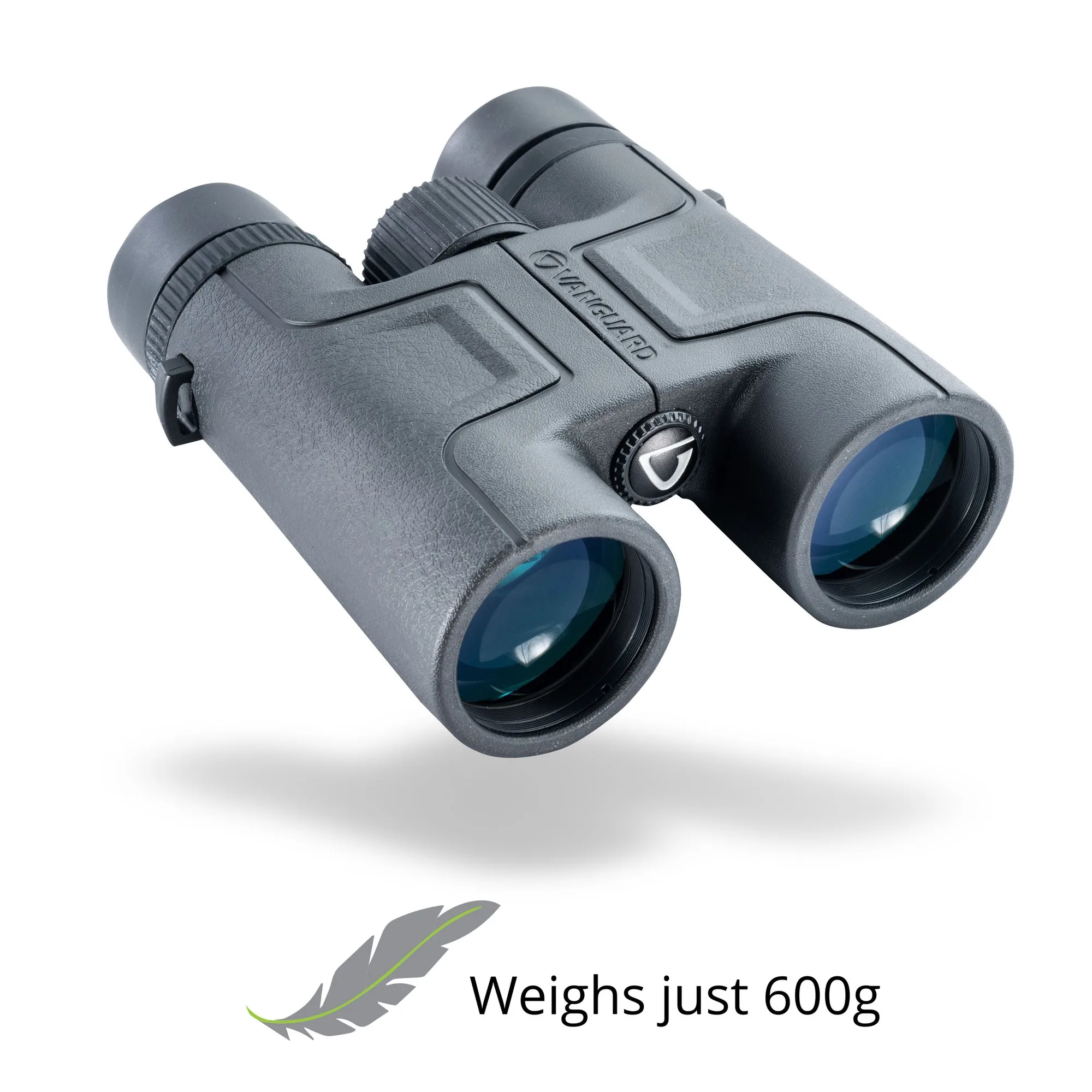
VESTA 8x42 Lightweight Binoculars
Who each model suits
Best for
- Beginners and casual users who want a steady, wide view
- Garden birdwatching, woodland walks and low-light viewing
- Anyone who prefers to hand-hold binoculars for long periods
Not for
- Users who mainly watch distant subjects and need maximum reach
- People who want the highest magnification available in a lightweight body
- Viewers who cannot brace or support the binoculars in the field